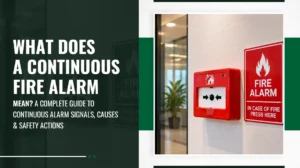

A continuous fire alarm signals an ongoing emergency, necessitating immediate evacuation due to potential threats like fire, smoke, or excessive heat. Common causes include smoke accumulation, machinery overheating, and faulty detectors. These alarms differ from intermittent alarms, which indicate temporary issues. Immediate actions involve using the nearest exit, staying low to avoid smoke, and assisting others. Understanding fire drill importance enhances preparedness. By exploring further, one can gain essential insights into alarm systems and maintenance practices.
Key Takeaways
- A continuous fire alarm emits a steady sound, indicating an ongoing emergency that requires immediate evacuation and response.
- Common causes include smoke from burning materials, excessive heat, chemical reactions, or faulty detectors triggering false alarms.
- Immediate actions during an alarm involve evacuating promptly, staying low to avoid smoke, and assisting others as needed.
- Regular fire drills enhance preparedness, familiarising individuals with escape routes and emergency protocols to reduce panic during real emergencies.
- Fire safety awareness resources include guidelines from the NFPA, local fire departments, and community workshops to promote effective emergency responses.
Table of Contents
Understanding Continuous Fire Alarms: What They Indicate
Continuous fire alarms serve as essential indicators of potential danger, alerting occupants to the presence of smoke, heat, or other fire-related threats. These alarms operate on a straightforward principle: they continuously monitor environmental conditions and activate when detecting anomalies indicative of fire risks.
The sound emitted is not merely a warning but a call to action, urging individuals to evacuate swiftly and safely. In environments where freedom and safety coexist, understanding the significance of these alarms becomes paramount. They represent a balance between personal liberty and communal responsibility, ensuring that all occupants can respond effectively to emergencies.
Moreover, the presence of a continuous fire alarm system empowers individuals with knowledge; they become informed participants in their safety, fostering an environment where freedom is safeguarded by vigilance. Recognising the alarm’s meaning enhances awareness and preparedness, allowing for a proactive approach to fire safety in any setting.
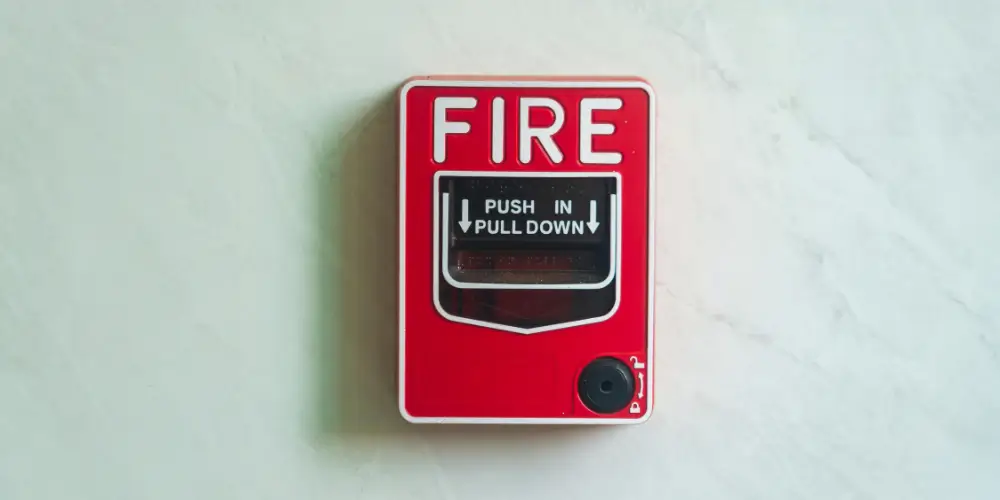
Common Causes of Continuous Fire Alarms in Different Settings
What factors commonly trigger continuous fire alarms in various environments? Understanding these triggers can empower individuals to respond effectively and maintain safety. Different settings may experience unique causes for continuous alarms, including:
- Smoke Accumulation: Dense smoke from burning materials can easily activate alarms, especially in enclosed spaces.
- Heat Sources: Excessive heat from machinery or cooking equipment may inadvertently trigger fire detection systems.
- Chemical Reactions: Certain environments, such as laboratories, may encounter hazardous reactions that produce smoke or heat.
- System Malfunctions: Faulty detectors or wiring issues can lead to false alarms, causing unnecessary panic.
Awareness of these common causes can help individuals remain calm and focused, ensuring appropriate actions are taken in the face of a continuous fire alarm. Recognising the environment and its specific risks is essential for maintaining safety and freedom from unwarranted alarm situations.
How to Differentiate Between Continuous and Intermittent Alarms
How can one distinguish between continuous and intermittent fire alarms? Continuous alarms emit a steady sound, signaling an ongoing emergency that requires immediate attention. In contrast, intermittent alarms produce a pattern of sounds, often alternating between silence and noise, which may indicate a temporary issue or a malfunction.
To differentiate effectively, listen closely to the rhythm and frequency of the alarm. Continuous alarms often indicate a serious threat, such as smoke or fire, demanding prompt action. Intermittent alarms, while still a concern, may suggest less immediate danger, such as a low battery or a sensor error.
Understanding these differences empowers individuals to respond appropriately, ensuring safety and freedom from panic in emergency situations. Remaining calm and observant can greatly impact the effectiveness of one’s response to fire alarms, ultimately fostering a safer environment.
Immediate Actions for Continuous Fire Alarms
Upon hearing a continuous fire alarm, individuals must act swiftly and decisively to secure their safety. The urgency of the situation demands a clear set of actions to guarantee that everyone can escape the danger effectively.
- Evacuate Immediately: Leave the building using the nearest exit; do not use elevators.
- Stay Low: If smoke is present, crouch or crawl to avoid inhalation.
- Alert Others: Inform those around you of the alarm and assist anyone who may need help.
- Proceed to Assembly Point: Once outside, gather at a pre-designated area to confirm everyone is accounted for.
These steps are essential to traversing the chaos of a fire alarm while preserving personal and collective safety. Prioritising clear actions enables individuals to reclaim their freedom from the threat of danger.
Why Fire Drills and Preparedness Matter
Regular fire drills and preparedness training are crucial for ensuring safety in any environment. These proactive measures empower individuals to respond effectively in emergencies, fostering a sense of confidence and independence. By participating in drills, people familiarise themselves with escape routes, emergency protocols, and the location of safety equipment, reducing panic should an actual fire occur.
Preparedness training also cultivates a culture of safety, encouraging individuals to take responsibility for their own well-being and that of others. This empowerment can lead to quicker evacuations and minimised risks during real incidents. Furthermore, regular practice helps identify potential weaknesses in safety plans, allowing organisations to make necessary adjustments. Ultimately, fire drills and preparedness training are essential for cultivating a resilient community that values freedom through knowledge and readiness, ensuring that everyone can act decisively and safely in the face of potential threats.
What Should You Do If You Suspect a False Alarm?
Suspecting a false alarm can lead to confusion and uncertainty, but it is essential to handle the situation calmly and systematically. Responding appropriately can prevent unnecessary panic and guarantee safety for everyone involved. Why Is My Fire Alarm Beeping? Common Causes and Practical Solutions
- Remain Calm: Take a deep breath and assess the situation without rushing to conclusions.
- Verify the Alarm: Check for any visible signs of fire or smoke. If nothing is evident, proceed cautiously.
- Contact Authorities: Notify building management or local fire services about your suspicion. They can provide guidance and investigate further.
- Follow Evacuation Protocols: If unsure, it’s safer to evacuate the area. Encourage others to do the same, maintaining a clear exit path.
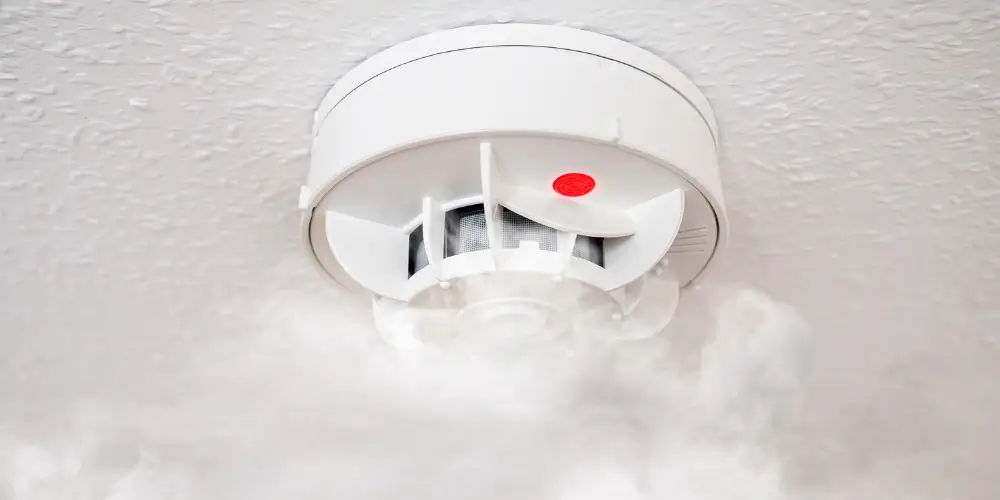
How Fire Alarm Systems Improve Safety
False alarms can create confusion, but the presence of a reliable fire alarm system plays an essential role in enhancing safety in any environment. These systems serve as vital early detection tools, identifying potential fire hazards before they escalate. By employing smoke detectors, heat sensors, and manual pull stations, fire alarm systems provide immediate alerts, allowing occupants to evacuate swiftly and minimising panic.
Moreover, modern fire alarm systems often incorporate advanced monitoring technologies that can communicate with emergency services, ensuring rapid response times. This integration enhances community safety by reducing the likelihood of catastrophic events.
In addition, regular drills and training, supported by the existence of fire alarms, empower individuals to act decisively during emergencies. Overall, the implementation of effective fire alarm systems fosters a culture of safety, enabling individuals to enjoy their freedom with greater peace of mind, knowing that their environment is equipped to handle fire threats effectively. Here is the detailed guide on Fire Detection and Fire Alarm System Guide for UK Buildings
Maintenance Tips to Prevent Unwanted Continuous Alarms
Maintaining a fire alarm system is crucial for preventing unwanted continuous alarms that can disrupt daily activities. Regular upkeep not only enhances system reliability but also promotes safety. Here are four key maintenance tips:
- Routine Inspections: Conduct regular checks to identify any faults or wear in the system components.
- Clean Detectors: Dust and debris can trigger false alarms. Cleaning smoke and heat detectors guarantees peak performance.
- Replace Batteries: Regularly replace batteries in battery-operated units to avoid power failures that may cause alarm malfunctions.
- Update Software: Keep the system’s software up-to-date to incorporate the latest enhancements and bug fixes. Learn How to Test a Fire Alarm to Ensure It Works Properly
Resources for Further Information on Fire Safety and Alarms
Understanding fire safety and alarm systems extends beyond maintenance tips. Individuals seeking thorough knowledge can explore various resources that promote awareness and preparedness. Government agencies, such as the National Fire Protection Association (NFPA), provide guidelines and best practices for fire safety, including alarm installation and usage.
Local fire departments often offer educational materials and community workshops that empower residents to understand alarm systems and emergency preparedness. Additionally, online platforms host forums and articles where users can share experiences and seek advice on fire safety. Books and publications dedicated to fire safety can serve as valuable references, covering topics from alarm technology to evacuation procedures.
Frequently Asked Questions
Can Continuous Fire Alarms Be Silenced Temporarily?
Continuous fire alarms can often be silenced temporarily, depending on the system’s design and local regulations. However, this action should be approached cautiously, as it may compromise safety measures in emergency situations. Check out Fire Alarm System Keeps Going Off: Causes, Fixes, and Prevention Tips
How Often Should Fire Alarm Systems Be Tested?
Fire alarm systems should be tested at least once a month to guarantee functionality. Regular inspections and maintenance enhance safety, providing peace of mind for occupants who value both freedom and security in their environments.
Are Pets Affected by Fire Alarms?
Pets can be greatly affected by fire alarms, often experiencing anxiety or distress due to the loud sounds. Their reactions may vary, necessitating consideration of their well-being during emergencies and proper training to mitigate panic.
What Legal Requirements Exist for Fire Alarm Systems?
Legal requirements for fire alarm systems vary by location, often including installation standards, regular maintenance, and testing protocols. Compliance guarantees safety, protecting both occupants and property while promoting overall community wellbeing and freedom from fire hazards.
How Do Continuous Alarms Differ Across Countries?
Continuous alarms vary globally, influenced by local regulations, cultural practices, and technological standards. Some countries prioritise immediate evacuation, while others emphasise system integration, reflecting distinct approaches to safety and emergency response across different regions.
Conclusion
In summary, understanding continuous fire alarms is essential for ensuring safety in various environments. These alarms signal immediate action, often indicating a serious situation that requires prompt response. By differentiating between continuous and intermittent signals, individuals can react appropriately and maintain safety protocols. Regular maintenance and preparedness through drills further enhance safety measures, minimising the risk of false alarms and improving overall response efficiency. Staying informed on fire alarm systems ultimately fosters a safer community.