A person tests a fire alarm by cutting power or removing batteries, removing the cover, vacuuming and wiping the sensor chamber, then replacing the cover and pressing the test button until the alarm sounds loudly. Daily 60‑second checks confirm power and tone; weekly inspections remove dust and check mounting. Monthly button tests and an annual calibrated smoke- or wiring-check verify detection and sensitivity. Records of tests and any failures should be kept, and more detailed procedures should be followed.
Key Takeaways
- Cut power or remove batteries, then restore power to ensure safe, controlled testing.
- Press the alarm’s test button until it sounds to verify the audible and indicator function.
- Perform quick daily 60-second checks and a more thorough monthly inspection for dust and secure mounting.
- Use a calibrated smoke test annually to confirm sensor sensitivity and wiring continuity for hardwired units.
- Record test date, results, actions taken, and replace or service any failing units promptly.
Table of Contents
Step‑By‑Step: How to Test a Smoke or Heat Alarm
Begin by preparing the necessary items: a ladder, a cloth, a vacuum with a soft brush attachment, and the alarm’s instruction manual. Then, cut power to hardwired units or remove batteries from battery-operated models. One clarifies the goal: confirm sensor responsiveness and restore independent safety. On each unit, remove the cover and gently vacuum dust from the chamber and external vents; wipe surfaces with a dry cloth. Reinstall the covers and batteries, or reconnect the power.
Use the alarm’s test button to trigger the audible signal, observing sound level and any indicator lights. For ionization or photoelectric detectors, follow manufacturer guidance for aerosol test sprays only when specified; otherwise, rely on the built-in test. For heat alarms, simulate a temperature increase per instructions or use approved test features. Record results: unit identification, date, outcome, and corrective actions. Replace or service any unit that fails or shows age-related degradation. Restore power and confirm normal operation before concluding the procedure.
60‑Second Daily and Weekly Smoke‑Alarm Checks
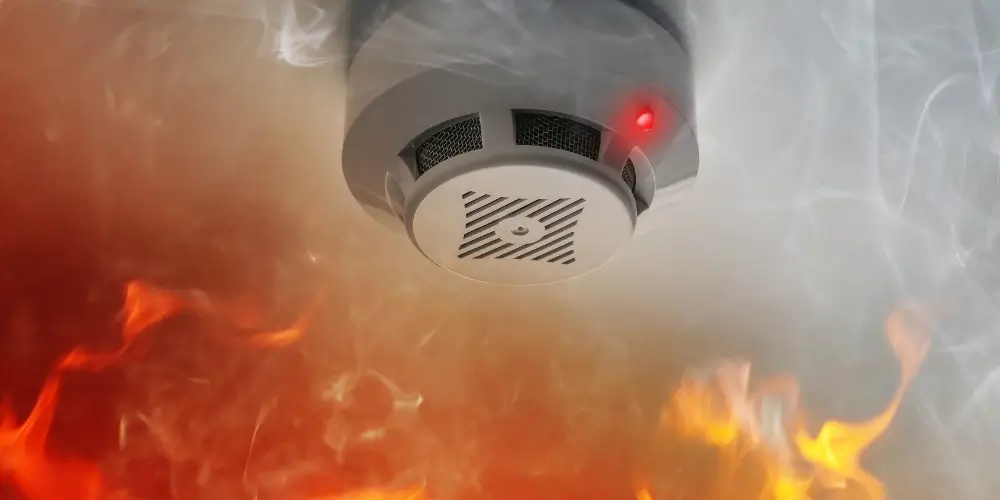
Perform quick 60‑second checks daily and a more thorough weekly inspection to confirm each smoke alarm remains responsive between full tests. The daily check verifies power and basic function: press the test button until the alarm emits its tone or the indicator flashes. If silence or a weak sound occurs, note the unit for immediate attention. Weekly checks extend the quick test by visually inspecting for dust, loose mounting, or obstruction of vents; gently vacuum or wipe away debris and ascertain that batteries sit firmly.
- Relief when the tone rings, knowing safety is intact.
- Confidence in a clear path to act, free from doubt.
- Empowerment from small, regular habits that protect loved ones.
- Quiet assurance that independence includes preparedness.
These brief routines preserve freedom by preventing unexpected failures while avoiding the full monthly procedures covered elsewhere. Document any irregularities and replace or service alarms promptly to maintain uncompromised protection.
Full Monthly and Annual Alarm Tests
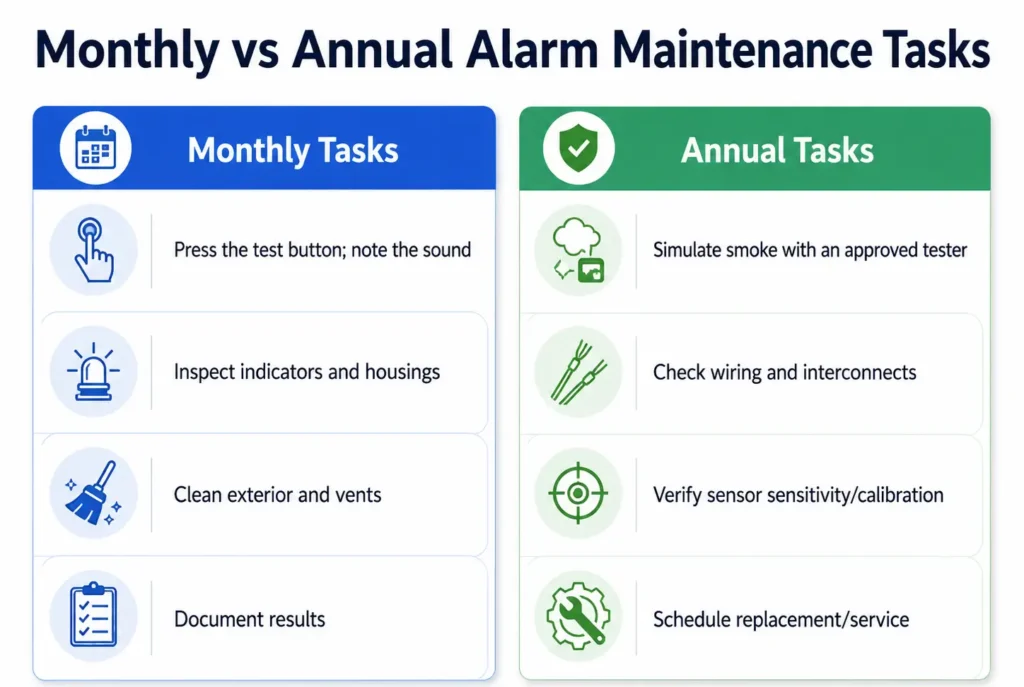
After the quick daily and weekly checks confirm basic responsiveness, monthly and annual tests provide a more complete verification of each smoke alarm’s condition and circuitry. The person conducting these checks follows the manufacturer’s procedures: a full functional test using the alarm’s test button and, when appropriate, a calibrated smoke source or an approved tester to verify detection performance. Monthly tests focus on responsiveness, indicator lights, and audible volume. Annual tests include wiring continuity, interconnect function, and sensor sensitivity checks, with records kept for service history. If any unit fails, replacement or professional service is arranged without delay, preserving occupant autonomy and safety.
Freedom-minded occupants maintain logs, act decisively on failures, and retain control over maintenance choices while guaranteeing reliable alarm performance.
Testing Battery vs. Hardwired Alarms: When and How
How does testing differ between battery-powered and hardwired smoke alarms? Battery units require simple, individual checks: press the test button monthly, replace batteries annually (or when chirping), and swap the whole unit after its lifespan. Hardwired alarms demand attention to wiring and power: test monthly, verify backup battery condition, and confirm the circuit supplies uninterrupted power. Isolation from interconnected systems is unnecessary here; do not cover smart networked behavior.
- Relief when a lone battery is replaced and silence returns.
- Confidence knowing wired power and backup battery both endure.
- Pride in self-reliance after hands-on testing and record-keeping.
- Calm from routine that protects freedom to live without fear.
Technicians and homeowners should follow the manufacturer’s steps, use the built-in test feature, and document results. If a hardwired alarm fails to sound, inspect the breaker and backup battery; if a battery alarm is unreliable, replace the battery or the unit promptly.
Testing Interconnected and Smart Alarms Safely
Having covered individual battery and hardwired units, attention now shifts to interconnected and smart systems, which require coordinated testing to verify networked alarms, communication paths, and any companion devices. The tester first isolates power sources and notifications to avoid false evacuations while preserving network integrity. Using the manufacturer’s test mode or app, each device is triggered in turn to confirm that all linked alarms sound and that notifications reach phones, hubs, and monitoring services.
Check mesh or Wi‑Fi signal strength and battery levels; replace weak batteries or improve placement to maintain independent operation. Verify firmware is current and that companion devices, carbon monoxide detectors, smart locks, and voice assistants respond appropriately without creating nuisance alarms. Document results and reset the network to normal operation, ensuring no devices remain in test-only states. This methodical approach empowers users to maintain freedom of movement and control while ensuring that complex alarm systems function reliably when needed.
If an Alarm Fails the Test: Immediate Next Steps
If an alarm fails the test, stop and isolate the faulty unit immediately to prevent reliance on a device that may not respond in an emergency. The homeowner or manager should document the failure, note the time and conditions, and remove the unit from active service while informing occupants so they can take extra precautions. Contact a qualified technician or the manufacturer for diagnosis and arrange prompt repair or replacement. If interconnected, guarantee back-up coverage or temporary measures so other detectors remain effective.
- A sinking unease signals urgency; act now to restore safety.
- The desire for independence demands quick, responsible action.
- Transparent communication frees others from false confidence.
- Swift repair or replacement reclaims control and peace of mind.
Keep records of actions taken and any communications. Follow local codes for certified repairs; avoid attempting complex fixes without expertise. Remaining proactive preserves both autonomy and collective safety.
Seven Signs Your Alarm Is Failing and When to Replace It
Several clear indicators can show when a fire alarm is nearing the end of its reliable life; recognizing them lets homeowners and managers decide whether repair or replacement is needed.
- First, an alarm that fails routine tests or does not respond to its test button consistently indicates an internal malfunction.
- Second, frequent battery depletion despite fresh cells suggests poor power management or aging components.
- Third, physical damage, cracks, corrosion, or water exposure compromises sensor function and warrants replacement.
- Fourth, persistent warning lights or error codes that cannot be cleared point to electronic faults.
- Fifth, the unit’s age: most manufacturers recommend replacement after 8–10 years due to sensor degradation.
- Sixth, intermittent or inconsistent alarm activation during known safe tests signals unreliable detection.
Seventh, incompatible or outdated technology that cannot integrate with modern systems (smart panels, interconnected networks) reduces overall safety and justifies upgrading. When any of these signs appear, prioritize replacing the device to restore uncompromised protection and autonomy over safety decisions.
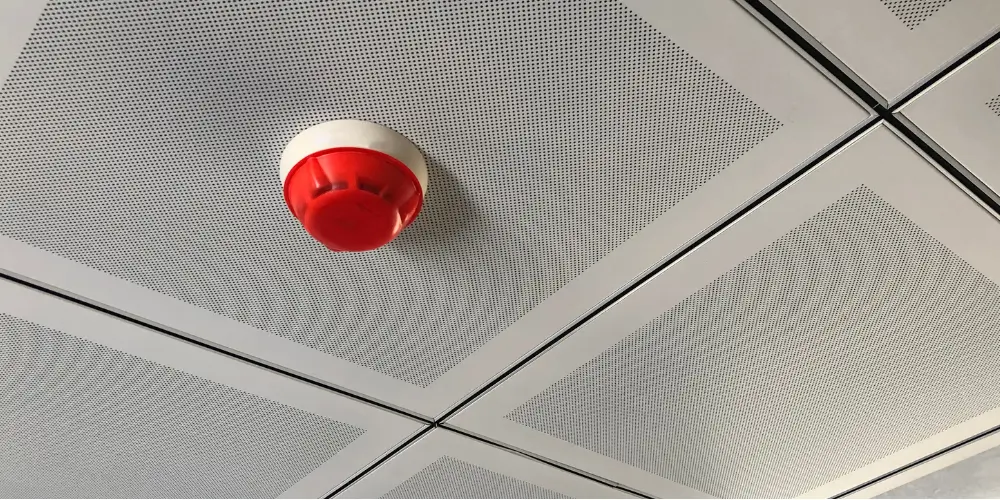
Troubleshooting Common Problems: False Alarms, Chirps, Weak Sound
Many households and facilities encounter common fire alarm issues, such as false alarms, periodic chirps, and weak sound output, which undermine trust in the system and must be diagnosed promptly. The observer should inspect sensors for dust or insects, verify proper battery condition and seating, and confirm correct placement away from cooking or steam sources. Intermittent chirps often signal low batteries or failing capacitors; replacing batteries and testing after resets can restore reliability. Weak sound output may result from aging speakers, accumulated debris, or disabled volume settings; swapping units or professional servicing restores audibility.
Persistent false alarms require checking environmental triggers, wiring faults, or incompatible interconnected units. The aim is to restore confidence and autonomous protection, while avoiding unnecessary restrictions on daily life.
- Frustration when alarms betray safety instincts
- Anxiety from sleepless nights due to chirps
- Relief when simple fixes restore freedom
- Empowerment through straightforward, decisive action
Recording Tests and Meeting Landlord or Legal Requirements
After resolving common faults like false alarms or intermittent chirps, documenting routine tests and maintenance becomes a legal and practical necessity. The tester records dates, times, actions taken, and component status battery changes, sensor cleanings, and full alarm activations, so proof exists that the system was kept functional.
Landlords, property managers, and tenants who value autonomy should keep concise logs accessible, either paper or digital, to demonstrate compliance with lease clauses and local fire codes. Where regulations require certified inspections, copies of certificates and technician reports join the log.
Entries should be factual and signed or stamped when possible; avoid opinionated notes. When disputes arise, clear records protect occupants’ rights and landlords’ interests alike. Periodic review of the log guarantees scheduled maintenance is not overlooked. Retention timelines follow legal advice or local rules, but keeping records for several years typically satisfies auditors and supports independent, self-reliant management of fire safety responsibilities.
Frequently Asked Questions
Can Pets or Cooking Smoke Trigger Alarm Testing Results?
Yes. Pets’ dander and cooking smoke can trigger alarms, causing false positives that skew testing. The observer notes such influences, advocates minimizing smoke and pet activity during tests, and insists on controlled conditions for accuracy.
Can Humidity or Steam Affect Test Accuracy?
Yes, humidity and steam can skew results. They may trigger or mask sensors, causing false alarms or reduced sensitivity. One should test in dry, ventilated conditions and repeat checks to guarantee reliable, independent verification.
How Do Age and Dust Accumulation Change Alarm Performance?
Ageing reduces sensor sensitivity and battery life, while dust accumulation clogs optical ports and interferes with sensing, causing delayed or false alarms. One should replace old units and clean sensors regularly to preserve reliable detection.
Are There Special Tests for Combination CO and Smoke Alarms?
Yes. He notes that combination CO-smoke units require both smoke detector functional tests and CO sensor checks: use the manufacturer’s test button, approved CO test gas, or a simulated CO source per instructions, and verify the alarm, indicator lights, and end-of-life warnings.
Will Testing Void My Alarm’s Warranty or Service Contract?
No, routine testing typically does not void a fire alarm’s warranty or service contract; manufacturers and providers expect regular checks, though damaging misuse or unauthorized repairs could void it, so one should follow official testing instructions and keep records.
Conclusion
Regular, methodical testing guarantees smoke and heat alarms function reliably, protecting occupants and property. By performing quick daily and weekly checks, fuller monthly and annual tests, and following correct procedures for battery, hardwired, interconnected, and smart systems, users can detect failures early. Promptly addressing faults, replacing aging units, and documenting results meet safety and legal obligations. Consistent maintenance reduces false alarms and nuisance chirps, sustaining dependable early warning when it matters most.