
For Class A fires (wood, paper, cloth), choose a water-based extinguisher or a high-rated A-class multipurpose ABC dry chemical. Water units cool and soak ordinary combustibles with little residue but must not be used on live electrical equipment. ABC dry chemical offers broader protection for mixed hazards and electrical risks, though it leaves residue and can reduce cooling. Pick the highest practical A-rating, keep units accessible and serviced, and continue for guidance on selection, sizing, and use.
Key Takeaways
- Use water-based extinguishers for ordinary combustibles when no electrical or flammable-liquid hazards exist.
- Choose A-rated multipurpose (ABC) dry chemical extinguishers for mixed-risk indoor environments.
- Match the extinguisher’s A-rating to the size of the combustible fire risk to ensure adequate suppression capacity.
- Prefer water extinguishers for minimal residue and effective cooling on solid fuel fires.
- Ensure units are certified, well-maintained, and occupants are trained in P.A.S.S. and evacuation procedures.
Quick Answer: Best Extinguisher for Class A Fires – Short Recommendation and Why
For Class A fires, those involving ordinary combustibles like wood, paper, and cloth, a water-based extinguisher or an A-rated multipurpose dry chemical (ABC) extinguisher is the most effective choice because both cool burning materials and interrupt combustion; water extinguishers are ideal for fixed indoor risks without electrical hazards, while ABC dry chemical offers broader protection where electrical or flammable liquid risks may also be present.
A concise recommendation favors water extinguishers for homes and storage areas free of electrical equipment, since they are simple, effective, and leave minimal residue. Where electrical devices, mixed hazards, or mobility are concerns, an ABC dry chemical unit provides flexible defense, permitting immediate action without relocating risks. Maintenance, proper rating, and user familiarity determine real-world effectiveness; choose a certified extinguisher with an appropriate A-rating, guarantee regular inspections, and practice basic operation. This approach supports autonomy in protecting property while minimising complexity.
How Water, Foam, and ABC Extinguishers Stop Class A Fires
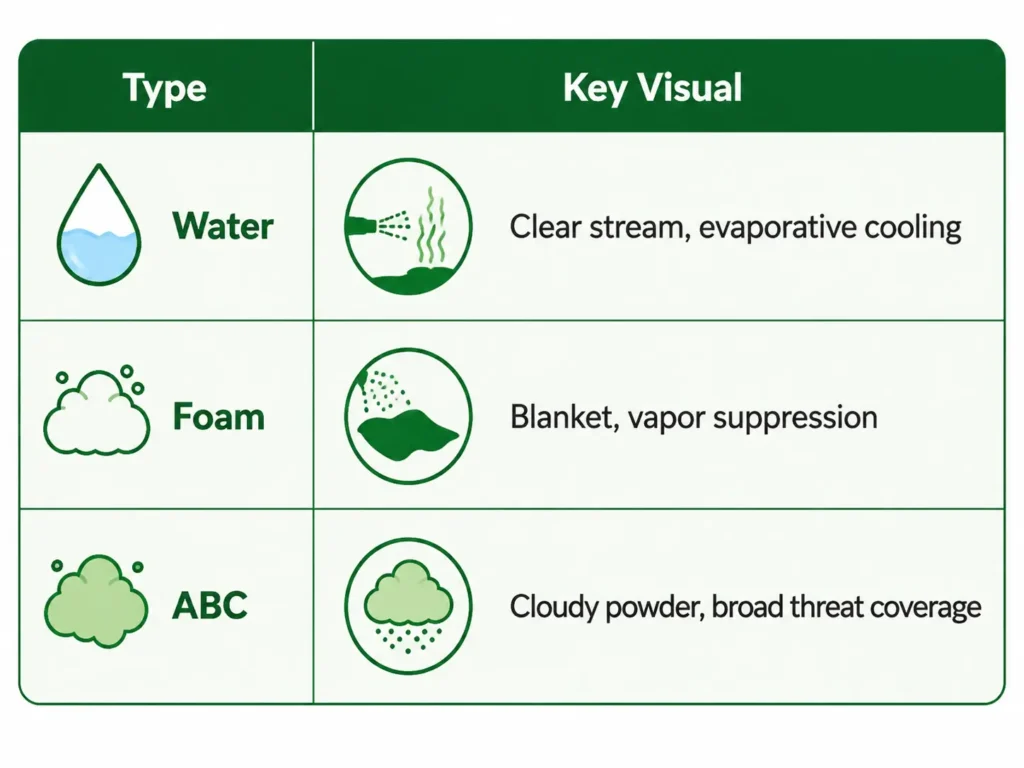
Several common extinguishers water, foam, and ABC dry chemical extinguish Class A fires by cooling, smothering, or interrupting the chemical chain reaction of combustion. Water extinguishers cool burning solids, absorbing heat to lower temperature below ignition. They penetrate porous fuels, reducing smoldering and rekindling potential. Foam extinguishers form a liquid film and surface blanket that both cools and isolates fuel from oxygen; low-expansion foams spread over surfaces to seal vapors and suppress embers while minimising runoff.
ABC dry chemical extinguishers interrupt the combustion chain by coating fuel with a fine powder typically monoammonium phosphate that melts and creates a barrier, stopping flame propagation and breaking radical-driven reactions. Each mechanism targets a distinct element of the fire triangle: heat, fuel/oxygen contact, or chemical propagation. Understanding these actions empowers users to choose and deploy extinguishers decisively, matching a free-minded preference for practical, effective solutions to suppress ordinary combustible fires safely and efficiently. Explore the Types of Fire and Fire Extinguisher Guide for Everyday Safety.
Pros and Cons: Water vs Foam vs Multipurpose (ABC) for Class A
When choosing between water, foam, and multipurpose ABC extinguishers for Class A fires, responders should weigh effectiveness against fuel type, environment, and collateral risks. Water offers simplicity and wide availability, excels on ordinary combustibles, and poses minimal residue yet it is ineffective on energized electrical sources and can spread flammable liquids. Foam adds vapor suppression and better coverage on porous fuels, reducing re-ignition risk, but can leave more cleanup and may harm sensitive environments. Multipurpose ABC provides versatility across A, B, and C hazards, freeing operators from multiple devices, though chemical residues and somewhat reduced Class A cooling can be trade-offs.
Decision-making balances freedom to act with situational limits: choose the agent that permits decisive suppression while minimising unintended consequences.
What A-Ratings Mean for Class A Fires
A-ratings quantify a fire extinguisher’s effectiveness on Class A fires by measuring how much ordinary combustible fuel like wood, paper, and cloth it can extinguish under standardised test conditions. The rating appears as a number followed by the letter “A” (for example, 1A, 2A, 4A). Each increment reflects a larger test burn area the extinguisher can control; higher numbers indicate greater capacity to tackle common combustible materials.
This metric provides a straightforward way to compare extinguishers’ performance on Class A hazards without technical guesswork. Users valuing autonomy can rely on the A-rating to match extinguisher capability to perceived risk: small ratings suit limited exposures, larger ratings suit broader vulnerability. Importantly, the A-rating does not speak to effectiveness on non-Class A fires, agent-specific features, rechargeability, or portability; those factors require separate consideration. Reading the A-rating alongside agent type and construction allows informed individuals to choose responsibly while retaining the freedom to prioritize the attributes most important to their situation.
How to Pick Extinguisher Size and How Many You Need (Home & Workplace)
After considering A-ratings to gauge capacity against ordinary combustibles, selecting extinguisher size and quantity requires matching rated capability to the specific spaces and risks present in a home or workplace. The decision-maker evaluates floor area, ceiling height, and ignition sources; larger open areas and heavier fuel loads call for higher A-rated units (e.g., 2A–4A) or multiple devices. For residences, a common recommendation is one 2A extinguisher per level, placed near exits and kitchens, with additional coverage for garages or workshops.
Small businesses should conduct a simple hazard survey: determine the maximum travel distance to an extinguisher, prioritise high-risk zones, and guarantee at least one appropriately rated unit within that distance. Mounting height, visibility, and unobstructed access matter for rapid use. Where freedom to act is valued, choose portable models that balance capacity with ease of handling; supplement fixed locations with extra units for redundancy. Regular inspection and replacement guarantee readiness and lawful compliance. Here is a detailed guide to How Many Fire Extinguishers Do I Need? A Complete UK Safety Guide
How to Fight a Small Class A Fire : Step-by-Step
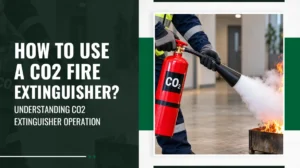
One clear plan guides action against a small Class A fire: assess safety, alert others, and attack only if the blaze is contained and escape routes remain open. The observer first guarantees personal and bystander safety no attempt proceeds if smoke or flames block exits or if hazardous materials are present. Next, the observer calls emergency services or instructs someone nearby to do so, then retrieves the appropriate extinguisher while keeping a clear retreat path. Approaching cautiously, the operator stands several feet away, removes the safety pin, and uses the P.A.S.S. technique: aim the nozzle at the base of the flames, squeeze the handle with controlled pressure, and sweep side to side to cover burning material until the fire is out. After extinguishing, the operator watches for re-ignition and ventilates the area if safe. If the fire growsor smoke increases, evacuate immediately. The approach prioritises autonomy, responsibility, and decisive action within safe limits. Every one must know Who Is Responsible for Using a Fire Extinguisher?

Extinguisher Maintenance, Inspections, and When to Replace
Maintain extinguishers through regular inspections, routine maintenance, and timely replacement to secure reliable performance when needed. Inspections should follow manufacturer guidance and local codes: monthly visual checks for pressure, seals, corrosion, and accessibility; annual professional service for mechanical integrity and recharge. Replace units if damaged, discharged, corroded, or beyond manufacturer service life. Records of inspections and maintenance empower owners to act without constraint; prompt replacement preserves safety and independence.
| Condition Checked | Emotional Cue |
| Pressure gauge in green | Reassurance |
| Broken tamper seal | Urgency |
| Visible corrosion or damage | Concern |
| Past service life or failed test | Resolve |
A minimalist, freedom-minded approach values clear responsibility: secure inspection schedules, keep records, and authorise replacements immediately when reliability is compromised. This protects people and property while preserving the autonomy to act decisively in an emergency.
Buying Checklist and Common Mistakes to Avoid
A concise checklist helps buyers choose a Class A fire extinguisher that reliably protects people and property without unnecessary cost or complexity. The checklist covers appropriate rating (look for a clear “A” rating and sufficient numerical capacity), agent type (water, foam, or multipurpose dry chemical), size and portability for the space, certification (UL or equivalent), mounting and accessibility, maintenance requirements, warranty, and replacement parts availability. Buyers should verify training needs and compatibility with existing safety plans.
Common mistakes to avoid include selecting based on price alone, choosing undersized units for larger areas, ignoring certification or expired manufacture dates, buying extinguisher types unsuitable for combustible solids, and overlooking maintenance logistics. Avoid cluttering spaces with inaccessible units or relying solely on extinguishers instead of evacuation plans and alarms. Clear, pragmatic choices preserve freedom of action during emergencies and guarantee reliable protection without unnecessary constraints.
Frequently Asked Questions
Can a Class A Extinguisher Damage Electronics or Valuables?
Yes. He notes Class A water or foam extinguishers can harm electronics and valuables; dry chemical extinguishers also leave corrosive residue. He advises choosing clean-agent or cautious cleanup to preserve sensitive items and freedom of use.
Are Class a Extinguishers Safe to Use on Grease Fires?
No they are not safe for grease fires. The observer notes Class A extinguishers can spread flammable liquids; a Class K (kitchen) or a multipurpose ABC extinguisher is recommended for freedom-minded kitchen safety.
Do Extinguishers Expire if Unused for Many Years?
Yes, they can degrade. A person who values autonomy recognizes stored extinguishers may corrode, lose pressure, or fail seals; regular inspections, pressure checks, and periodic professional servicing or replacement preserve reliable, independent fire protection over years.
Can I Store a Water Extinguisher Outdoors or in a Garage?
They can, but caution applies: a water extinguisher may be stored outdoors or in a garage if protected from freezing, extreme heat, physical damage, and sunlight; regular inspections and a weatherproof cabinet preserve reliability and freedom to act.
Are Refillable Extinguishers Better Than Disposable Ones?
Refillable extinguishers often prove superior: they reduce waste, can be periodically inspected and serviced, and offer long-term cost savings. Individuals valuing autonomy prefer maintainable equipment they can own, repair, and reuse responsibly.
Conclusion
In conclusion, for Class A fires involving ordinary combustibles, water, foam, or multipurpose ABC extinguishers are appropriate, with ABC being the most versatile choice for mixed hazards. Selection should consider A-rating, size, placement, and maintenance needs. Users must inspect regularly, replace or service units as required, and choose enough extinguishers for coverage at home or work. Proper training and knowing when to evacuate guarantee safety if a fire grows beyond small, controllable size.