
How Many Fire Extinguishers Do I Need? A practical UK guide recommends 1–2 extinguishers for small homes and about one unit per 200–300 m² for commercial premises, with extra units near kitchens, exits and high‑risk zones. Common choices are water for Class A, foam for A/B, CO2 for electrical fires, powder for broad coverage, and wet chemical for cooking oil fires. Mount units 1–1.5 m high, limit travel distances, and keep inspection records. Continue for examples, placement diagrams and maintenance steps.
Key Takeaways
- Small homes typically need 1–2 extinguishers: a 2 kg powder for general use and a 1–2 kg kitchen unit for cooking fires.
- Commercial premises generally require one extinguisher per 200–300 m², plus extra units for high-risk zones.
- Choose extinguisher types by risk: water for Class A; foam for A/B; CO2 for electrical/B; powder for A/B/C; wet chemical for Class F.
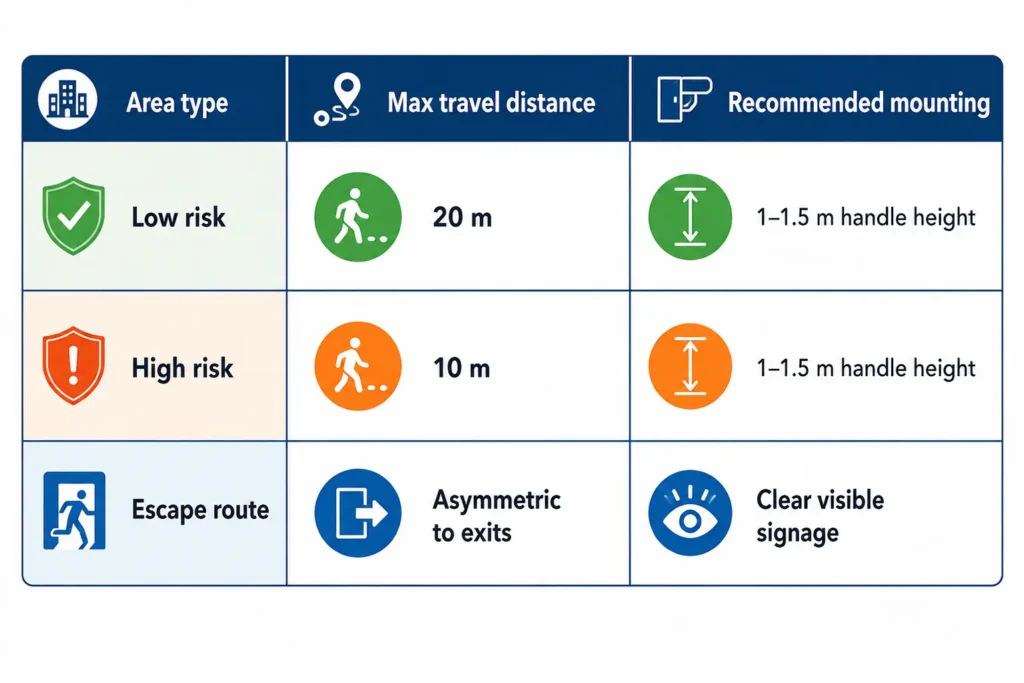
- Ensure placement: max travel 20 m low-risk, 10 m high-risk, mounted 1–1.5 m high, clearly signed and unobstructed.
- Conduct a formal risk assessment, update extinguishers after changes or incidents, and keep maintenance records with regular checks and annual servicing.
Table of Contents
Quick Estimate: How Many Fire Extinguishers You Need (UK)
How many fire extinguishers are needed for a typical UK property depends primarily on floor area, occupancy type and fire risk; as a quick rule of thumb, small domestic properties generally require at least one to two extinguishers commonly a 2 kg dry powder for general use and a 1 kg or 2 kg extinguisher for the kitchen while commercial premises should follow a risk assessment that usually results in one extinguisher per 200–300 m² with additional units near high-risk areas and exits. Practical guidance encourages placing extinguishers where they are accessible without compromising escape routes: kitchens, garages, plant rooms and main circulation spaces.
How Many Fire Extinguishers Do I Need? Portable units should be wall-mounted at visible, reachable heights and accompanied by clear signage. Maintenance matters: a competent person should inspect monthly and arrange annual servicing to keep devices reliable. The aim is to empower occupants to act quickly while preserving freedom of movement and decision-making in an emergency, balancing minimal equipment with effective initial response capability.
Size Your Cover Using a Risk Assessment
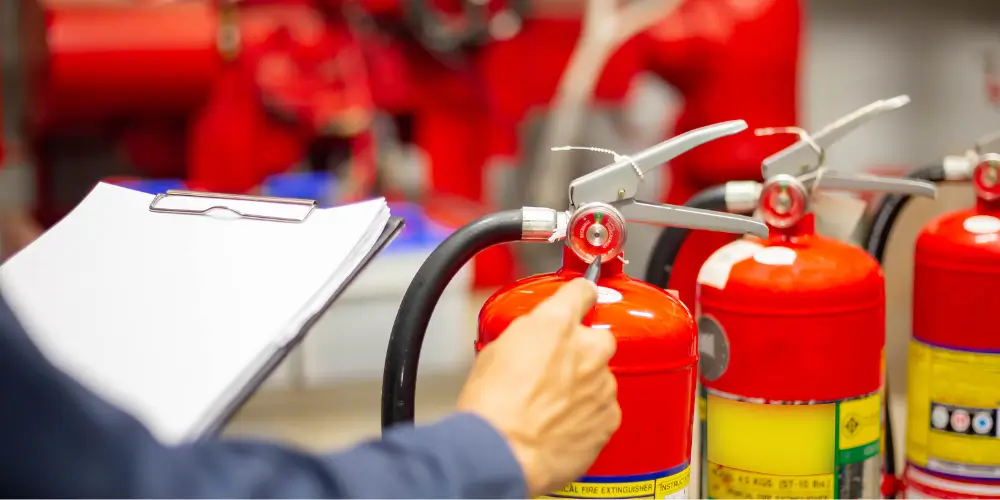
Risk assessment determines the appropriate quantity and type of extinguishers for a property. A formal risk assessment evaluates occupancy, building layout, fire hazards, escape routes, and the frequency of people’s presence. It identifies high-risk zones, kitchens, plant rooms, storage and low-risk areas, guiding placement and capacity. Coverage should ensure that any point is within the recommended travel distance of an appropriate unit, balancing extinguisher size with ease of use and accessibility.
The assessor considers potential fuel loads, ignition sources, and intervention time before fire service arrival. Decisions favour practical freedom: providing sufficient equipment to empower occupants while avoiding unnecessary bulk that hampers evacuation or access. Records set inspection intervals and training needs, ensuring devices remain effective and usable. The assessment also informs signage and mounting heights so that extinguishers are discoverable and operable. Where uncertainty exists, professional advice refines quantities and locations to achieve compliant, proportionate protection.
Which Extinguisher Types Cover Common UK Fire Risks
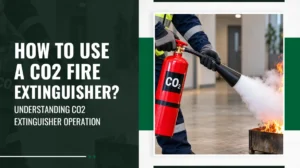
When selecting extinguishers for typical UK premises, the primary criterion is matching the extinguisher agent to the fire class and the specific hazards present. Water extinguishers suit Class A risks, such as wood, paper, and textiles in non-electrical settings. Foam extinguishers handle Class A and B fires, making them versatile in situations where flammable liquids may be present. CO2 extinguishers are ideal for electrical fires and small Class B incidents; they leave no residue and preserve equipment. Here is more detail about the Advantages of CO2 extinguishers.
Powder extinguishers offer broad coverage (A, B, C) and rapid knockdown for a range of hazards, but can be messy and unsuitable for enclosed, occupied spaces. Wet chemical extinguishers are the designated choice for cooking oil and fat fires (Class F) in commercial kitchens. Specialist agents, such as clean agents and vehicle fire extinguishers, address risks to sensitive equipment or transport. Selection should prioritise agents that minimise collateral damage while maximising extinguishing effectiveness, enabling occupants to maintain operational freedom and safety until professional responders arrive. Know about Types of Fire and Fire Extinguisher Guide for Everyday Safety in detail.
Extinguisher Placement Rules (UK): Distance and Coverage
Effective extinguisher placement in the UK is governed by clear rules on travel distances, mounting heights and visible positioning to guarantee timely access during an emergency. Guidance specifies maximum travel distances depending on hazard and extinguisher type, ensuring users can reach equipment quickly without obstruction. Mounting height should allow rapid removal typically with handles between 1m and 1.5m from the floor while signage and sightlines preserve freedom to act. Regular checks confirm unobstructed access and secure brackets. Placement should consider multiple escape routes, prevent single-point failures, and align with risk assessments so occupants can choose safe, effective options.
Minimum Extinguisher Requirements for Workplaces, Landlords and Public Buildings (UK)
Proper placement rules lead directly into mandatory minimum provisions that apply to workplaces, landlords, and public buildings across the UK. Guidance requires a risk assessment to determine types and numbers of extinguishers. Still, minimums offer a baseline: most offices and small commercial premises should provide at least one 13A-rated water or equivalent extinguisher per 200–400 m², with travel distances to an extinguisher typically not exceeding 30 metres for Class A risks. Landlords must guarantee that common areas and individual units have appropriate equipment and clear access, meeting regulatory duties under the Housing Act and fire safety legislation.
Public buildings and higher-risk premises demand additional or specialist extinguishers (CO2 for electrical risks, foam or powder for flammable liquids), with placement guided by occupancy, layout, and potential ignition sources. Portable extinguishers must be maintained, inspected regularly, and sited so occupants retain freedom to evacuate safely rather than confront an uncontrolled fire.
Example Calculations: Home, Small Shop, Office, Workshop
Several simple scenarios illustrate how to translate risk-assessment principles into specific extinguisher counts and placements for typical premises. For a small home, one 2kg dry powder or 1kg ABC extinguisher near the kitchen and one 2-litre foam or 6-litre water extinguisher for communal areas suffice; ensure visibility and unobstructed access within 15 metres.
A small shop (floor area under 200 m²) typically needs a 2kg dry powder by the till, a 6-litre water or 3-litre foam for trading floors, and a 2kg CO2 or 1kg wet chemical if specialist risks (electronics or cooking) exist; place units so no workstation is over 15 metres away. A typical office requires 2 x 6-litre water and 3-litre foam spread across floors, plus a 2kg powder or CO2 near server rooms.
A small workshop with flammable liquids requires a 9-litre foam extinguisher or a 6-litre water extinguisher, plus a 2kg dry powder extinguisher for metal fires and a reachable fire blanket; position extinguishers considering escape routes and dominant hazards.
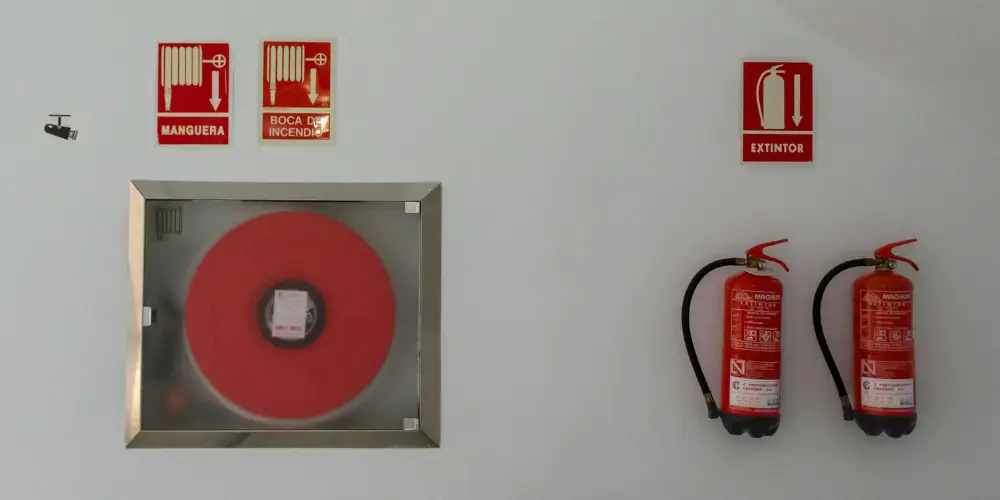
Maintenance, Inspections and Record‑Keeping You Must Follow
Having selected and positioned extinguishers for specific premises, attention must shift to ongoing maintenance, routine inspections and accurate record-keeping to guarantee readiness. Regular visual checks weekly or monthly depending on occupancy, confirm pressure, seals, labels and unobstructed access. Competent routine servicing by a trained technician should occur annually for most types; dry powder and CO2 units may need alternative intervals as specified by manufacturers and British Standards.
After servicing, tags must show dates, findings and the engineer’s identity. Keep a central log, digital or paper, recording locations, inspection dates, maintenance actions and any replacements. Immediate remedial action is required if defects, corrosion or pressure loss are found. Records support compliance with the Regulatory Reform (Fire Safety) Order and demonstrate proactive stewardship. Clear responsibility assignments, concise schedules, and accessible logs empower proprietors to maintain operational freedom while ensuring that extinguishers remain functional and legally documented.
When to Add or Upgrade Extinguishers After Changes or Incidents
1 clear trigger for adding or upgrading extinguishers is any change to the building, processes, occupancy, or combustible materials that increases fire risk; similarly, incidents such as fires, false alarms that reveal system weaknesses, or near-misses should prompt an immediate review of extinguisher type, number, and placement. The responsible party assesses risks, updates plans, and acts without needless delay to preserve freedom of operation and safety.
| Change type | Typical effect | Action needed |
| New equipment | Different fuel or heat source | Add a suitable class extinguisher |
| Layout change | Altered travel distances | Adjust locations to keep within reach |
| Increased occupancy | Higher evacuation demand | Increase quantity and signage |
| Incident occurred | Revealed failures or gaps | Replace, upgrade or relocate extinguishers |
| Process change | New chemicals or hot work | Introduce specialist extinguishers and training |
Checks after any change should include compatibility, accessibility and staff competency. Document decisions and timings; schedule follow-up inspections to confirm effectiveness.
Frequently Asked Questions
Can I Use a Car Extinguisher Inside My Home?
Yes. He may use a car extinguisher at home, but should verify its type, condition, and suitability for household fire classes; being portable and limited, it’s best as a temporary measure until a proper domestic extinguisher is obtained.
Are Water Mist Extinguishers Safe for Electrical Fires?
Yes, water mist extinguishers are generally safe on electrical fires when used as designed, as they produce fine droplets, reducing conductivity. The individual values freedom to choose but should verify appliance de-energisation and manufacturer guidance.
Do Fire Extinguishers Expire or Need Replacement After a Set Time?
Yes, extinguishers don’t strictly “expire,” but they require periodic servicing, maintenance, and replacement if damaged or discharged. Responsible owners follow manufacturer guidance, regular inspections, and professional tests to guarantee reliable operation and safety.
Can Tenants Legally Purchase and Install Extinguishers Themselves?
Yes. Tenants can usually buy and install extinguishers themselves, but they should respect tenancy agreements and local regulations; landlords may require specific types or professional installation, and liability remains a shared concern.
Are Rechargeable Extinguishers More Cost-Effective Long Term?
Yes, rechargeable extinguishers generally prove more cost-effective long-term; they allow refill and maintenance instead of full replacement, appealing to those valuing autonomy, though savings depend on usage frequency, servicing costs, and initial purchase price.
Conclusion
In conclusion, How Many Fire Extinguishers Do I Need? determining how many fire extinguishers are needed in the UK hinges on risk assessment, appropriate extinguisher types, correct placement and statutory minimums for workplaces, landlords and public buildings. Regular maintenance, inspections, and records ensure ongoing effectiveness, while changes to layout, occupancy, or incidents trigger upgrades. Applying the guidance to homes, shops, offices and workshops provides practical counts and locations, helping dutyholders meet legal obligations and protect people and property.