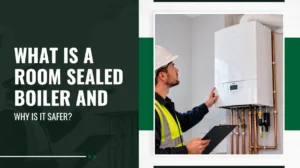

A room sealed boiler, or balanced flue boiler, draws air for combustion from outside, ensuring safer operation by eliminating reliance on indoor air. It features a sealed combustion chamber and a twin-flue system that expels exhaust gases directly outdoors. This design prevents backdrafts, reduces the risk of carbon monoxide leakage, and promotes better indoor air quality. These boilers enhance energy efficiency and safety. Discover additional benefits and considerations for choosing a room sealed boiler.
Key Takeaways
- Room sealed boilers, or balanced flue boilers, use a sealed combustion chamber that draws air from outside, enhancing safety and efficiency.
- They prevent indoor air contamination by directing exhaust gases outdoors, ensuring better indoor air quality.
- An automatic shut-off feature activates during faults, minimising risks of carbon monoxide leakage and enhancing safety.
- These boilers operate independently of indoor air, reducing the chances of backdrafts and harmful gas infiltration into homes.
- Upgrading to a room sealed boiler improves energy efficiency, reduces breakdowns, and can increase property value while ensuring consistent heating.
Table of Contents
What Is a Room Sealed Boiler?
A room sealed boiler, often referred to as a balanced flue boiler, is a heating appliance designed for efficiency and safety. This type of boiler operates by drawing air from outside the building for combustion, thereby eliminating the need for internal air. The design minimises the risk of carbon monoxide leakage, making it a safer choice for residential and commercial spaces.
Room sealed boilers are typically compact and can be installed in various locations, including small utility rooms or kitchens. They utilise a twin-flue system, which expels exhaust gases directly outside, ensuring that indoor air quality remains untainted. This feature not only promotes safety but also enhances energy efficiency, appealing to those who value both environmental responsibility and comfort. With the capability to provide reliable heating while prioritising safety, room sealed boilers represent a modern solution for those seeking freedom from conventional heating risks.
How Does a Room Sealed Boiler Work?
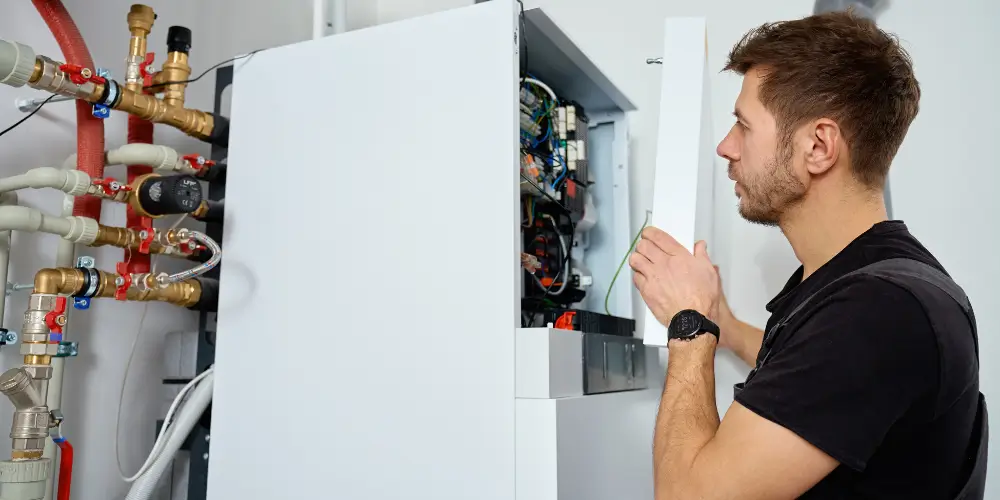
How does a room sealed boiler guarantee efficient and safe operation? This type of boiler is designed to operate independently of indoor air, utilising a sealed combustion system. It draws air from outside for combustion while expelling exhaust gases directly outdoors, ensuring maximum safety and efficiency.
- Sealed Combustion: Prevents harmful gases from entering the living space.
- Direct Venting: Allows for a continuous supply of fresh air, enhancing performance.
- Automatic Shut-off: Engages if a fault is detected, minimising risks.
- Compact Design: Fits comfortably in various spaces, offering flexibility in installation.
Why Choose a Room Sealed Boiler?
Choosing a room sealed boiler offers unparalleled safety and efficiency for modern heating needs. These systems provide a sealed combustion process, ensuring that the air used for combustion is sourced from outside the home, thereby minimising risks associated with indoor air quality. Additionally, room sealed boilers are designed to operate quietly and can be installed in various locations without the need for extensive flue systems.
How Do Room Sealed Boilers Enhance Safety?
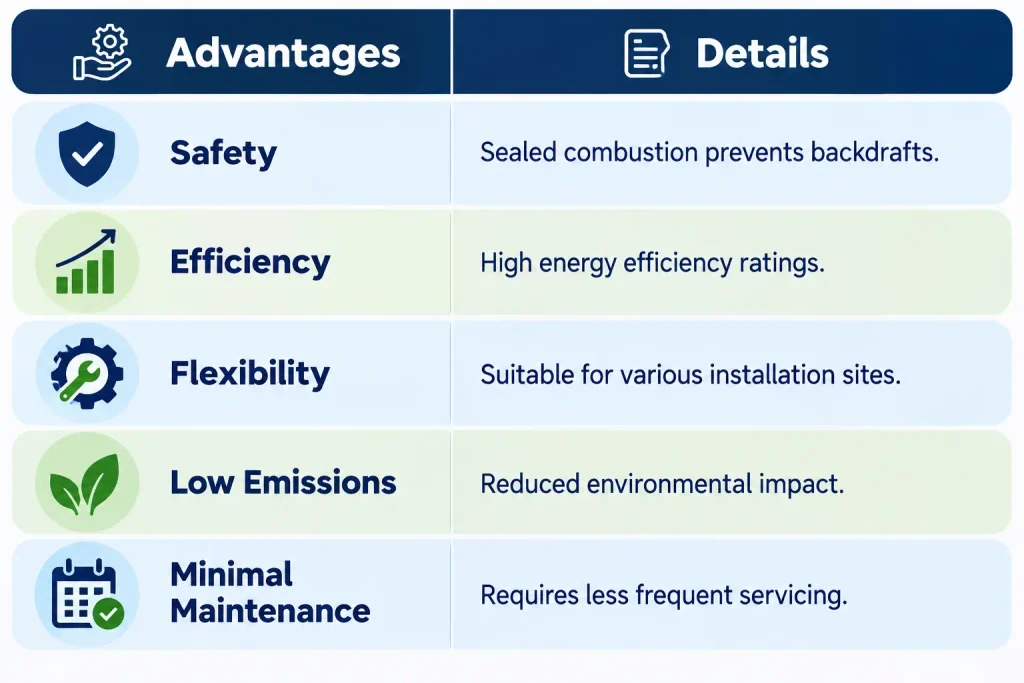
Room sealed boilers greatly enhance safety through their design, which isolates the combustion process from the living space. This separation minimises the risks associated with gas leaks and harmful emissions, offering peace of mind. Several key features contribute to their superior safety:
- Sealed combustion chamber: Prevents harmful gases from entering the home.
- Flue system: Directs exhaust gases outside, ensuring fresh air circulation.
- Automatic shut-off: Activates in case of a malfunction, reducing the risk of accidents.
- Pressure monitoring: Detects irregularities in combustion, enhancing operational safety.
These elements collectively create an environment where homeowners can enjoy heating without the constant worry of dangerous emissions. By utilising a room sealed boiler, individuals can experience a greater sense of freedom, knowing their living spaces are protected from potential hazards associated with traditional heating systems. Ultimately, these boilers represent a commitment to safety without sacrificing comfort.
Comparing Room Sealed and Open-Flued Boilers: Key Differences
While both room sealed and open-flued boilers serve the essential function of heating, they differ greatly in their design and operation. Room sealed boilers draw air from outside the building for combustion, ensuring that indoor air quality remains unaffected. This design minimises the risk of backdrafts and enhances safety, making them suitable for various living spaces.
In contrast, open-flued boilers rely on indoor air for combustion and expel flue gases through a chimney or flue system. This dependency can lead to issues like carbon monoxide buildup if ventilation is compromised. Additionally, open-flued systems require more space for proper installation, which can limit placement options within a home.
Ultimately, the choice between these two types often depends on specific heating needs, installation flexibility, and safety considerations, allowing homeowners the freedom to select a system that best aligns with their lifestyle and preferences.
Installation Requirements for Room Sealed Boilers
When considering the installation of a room sealed boiler, specific requirements must be met to guarantee peak performance and safety. Adhering to these guidelines confirms the boiler operates efficiently while minimising risks associated with gas emissions.
- Ventilation: Adequate air supply must be provided, typically through external ducts, to support combustion.
- Clearances: Sufficient space around the boiler is essential for maintenance and operation, following manufacturer specifications.
- Pipework: Flue pipes must be correctly installed to evacuate exhaust gases safely, utilising appropriate materials.
- Regulatory Compliance: Installations must adhere to local building codes and regulations, confirming safety standards are met.
Maintenance Tips for Your Room Sealed Boiler
Regular maintenance guarantees that a room sealed boiler operates efficiently and safely. To secure peak performance, individuals should schedule annual inspections with a qualified technician. During these inspections, the technician can check for leaks, assess the system’s pressure, and clean any necessary components.
Homeowners are also encouraged to monitor the boiler’s pressure gauge regularly. If the pressure falls outside the recommended range, it may indicate an issue that requires attention. Additionally, keeping the area around the boiler clear of debris and obstacles can prevent risks and facilitate easy access for maintenance work.
Regularly bleeding radiators can improve efficiency by ensuring proper heat distribution throughout the home. Finally, staying informed about the manufacturer’s guidelines can help homeowners understand specific maintenance needs and prolong the boiler’s lifespan. Embracing these practices not only promotes safety but also enhances the freedom of living comfortably and efficiently.
Debunking Common Myths About Room Sealed Boilers
Many homeowners hold misconceptions about room sealed boilers, leading to unnecessary concerns and confusion. These myths can deter individuals from embracing the efficiency and safety these systems offer. Understanding the realities can empower homeowners.
- Myth 1: Room sealed boilers are only for new homes.
- Myth 2: They require excessive maintenance.
- Myth 3: Installation is overly complicated.
- Myth 4: They are not energy efficient.
In truth, room sealed boilers can be retrofitted into older homes, require standard maintenance similar to other heating systems, can be installed by qualified professionals relatively easily, and are designed to optimise energy use. By clearing away these misconceptions, homeowners can make informed choices about their heating solutions. Embracing accurate information leads to a more comfortable living environment and potentially lower energy bills, allowing individuals to enjoy the freedom of a well-heated home without unwarranted fears.
When to Upgrade to a Room Sealed Boiler?
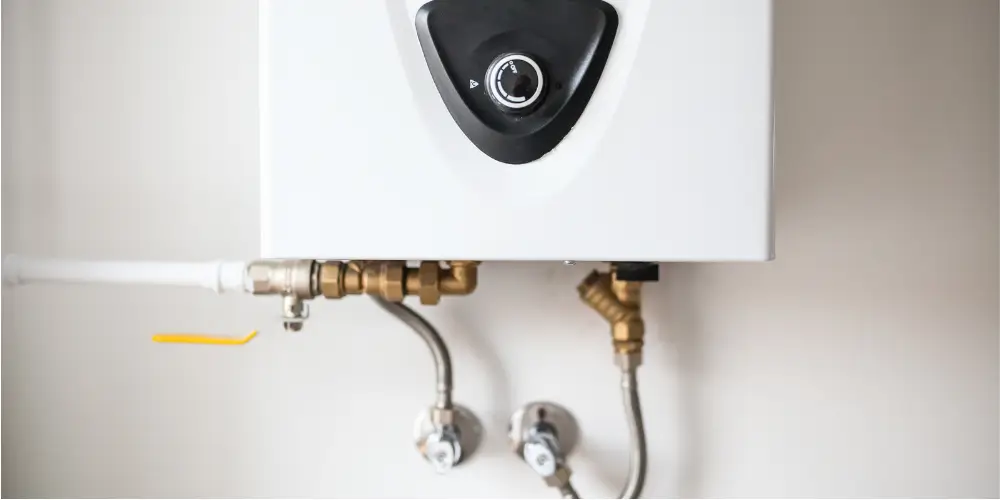
Determining the right time to upgrade to a room sealed boiler can greatly impact a home’s energy efficiency and heating performance. Homeowners should consider upgrading when their current boiler shows signs of inefficiency, such as frequent breakdowns or rising energy bills. Additionally, if the boiler is over 15 years old, it’s prudent to explore modern options that comply with current safety and efficiency standards.
Other indicators include inadequate heating in certain rooms or increased noise from the unit, which may suggest it’s time for an upgrade. Those seeking enhanced safety features, especially in homes with limited ventilation, will find room sealed boilers to be a compelling choice. Moreover, shifting to a room sealed system can provide peace of mind, as these boilers are designed to operate independently of indoor air, ensuring peak combustion and minimising risks. Ultimately, timely upgrades can lead to increased comfort and lower long-term costs.
Frequently Asked Questions
Can Room Sealed Boilers Be Installed in Any Location?
Room sealed boilers can be installed in various locations, provided ventilation requirements and safety regulations are met. Their design promotes efficient operation, allowing for flexible placement while enhancing safety and convenience in diverse environments.
What Is the Average Lifespan of a Room Sealed Boiler?
The average lifespan of a room sealed boiler typically ranges between 10 to 15 years, depending on maintenance, usage, and quality. Regular servicing can extend this lifespan, enhancing efficiency and reliability throughout its operational years.
Are Room Sealed Boilers More Energy-Efficient Than Traditional Boilers?
Room sealed boilers generally offer greater energy efficiency compared to traditional boilers. Their design minimises heat loss and optimises combustion, ultimately reducing energy consumption and costs, aligning with the desire for independence and sustainable living.
Do Room Sealed Boilers Require Special Venting Systems?
Room sealed boilers do require specific venting systems designed to expel flue gases safely. These systems enhance efficiency and safety, allowing for installation in various locations without the need for traditional chimney setups.
Can I Use a Room Sealed Boiler for My Hot Water Supply?
A room sealed boiler can indeed be utilised for hot water supply. Its efficient design guarantees safety and peak performance, allowing homeowners to enjoy reliable hot water without compromising ventilation or air quality in their living spaces.
Conclusion
In conclusion, room sealed boilers offer enhanced safety and efficiency by utilising a closed system to draw air from outside and expel exhaust gases directly. Their design minimises risks associated with carbon monoxide and other harmful emissions, making them a reliable choice for modern heating solutions. By understanding their operation and benefits, homeowners can make informed decisions when considering upgrades, ensuring a safer and more efficient heating experience for their living spaces.