
To use a CO2 fire extinguisher, first verify personal safety. Pull the safety pin to break the seal. Aim the nozzle at the base of the flames. Squeese the handle to release the carbon dioxide, using a sweeping motion to cover the fire. Monitor the flames closely. If the fire does not subside, retreat to safety. Understanding the proper operation and potential limitations can greatly enhance fire safety measures in critical situations. More information awaits.
Key Takeaways
- Ensure personal safety and evacuate if unsure before attempting to use the extinguisher.
- Pull the safety pin to break the seal before operating the CO2 extinguisher.
- Aim the nozzle at the base of the flames for effective suppression.
- Squeeze the handle to release CO2, using a sweeping motion across the fire.
- Monitor the fire’s response and retreat if it does not subside.
Table of Contents
Understanding CO2 Fire Extinguishers: Functions and Applications
CO2 fire extinguishers play a crucial role in fire safety, particularly in environments where flammable liquids or electrical equipment are present. These extinguishers utilise carbon dioxide, a colorless and odorless gas, to effectively smother flames by displacing oxygen and cooling the surrounding area. Their unique properties make them ideal for suppressing Class B and Class C fires, which involve flammable liquids and electrical hazards, respectively.
CO2 fire extinguishers are often found in laboratories, kitchens, and server rooms, where traditional extinguishing agents could cause damage. The absence of residue left behind is another advantage, allowing for clean-up without additional complications. Understanding their functions and applications is essential for ensuring safety and preparedness in spaces where the risk of fire exists. Their effective use empowers individuals to maintain control in emergencies, fostering an environment of confidence and security.
When to Use a CO2 Fire Extinguisher?
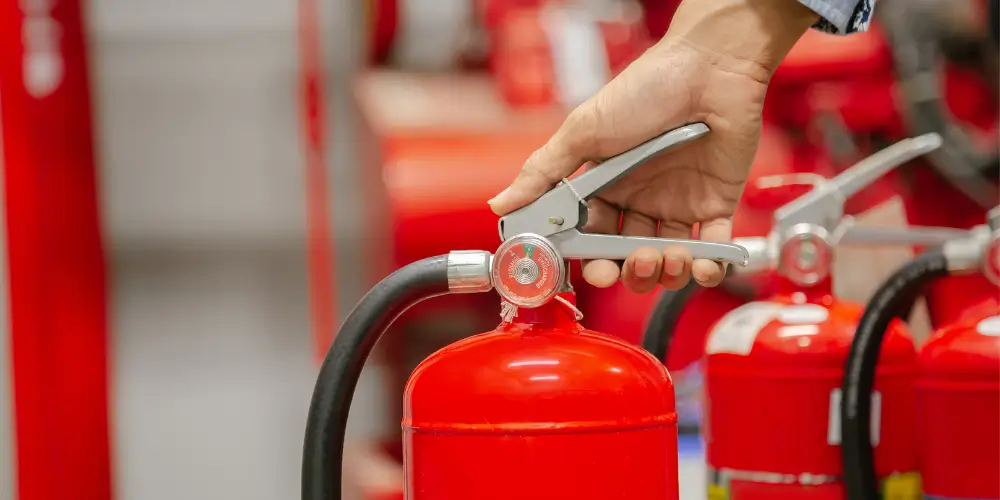
Understanding when to use a CO2 fire extinguisher is critical for effective fire response. CO2 extinguishers are specifically designed for combating fires involving electrical equipment and flammable liquids, making them ideal for environments like offices, laboratories, and kitchens. Their ability to displace oxygen effectively suffocates flames without leaving residue, which is essential for protecting sensitive equipment.
However, it is important to remember that CO2 extinguishers are not suitable for all fire types. They should not be used on fires involving combustible metals or cooking oils, as they may exacerbate the situation. Additionally, proper training in identifying the right scenarios for use is important to guarantee safety. When in doubt, always prioritise personal safety and evacuate before attempting to extinguish a fire. Recognising the right moments to deploy a CO2 extinguisher can enhance one’s ability to respond effectively, preserving both freedom and safety.
Essential Parts of a CO2 Fire Extinguisher and Their Functions
A CO2 fire extinguisher consists of several essential components that work together to effectively suppress fires. The main body, typically a sturdy metal cylinder, houses compressed carbon dioxide. This gas, when released, displaces oxygen, thereby suffocating the fire. The nozzle, designed to direct the flow of CO2, guarantees that users can target the flames accurately.
An important feature is the safety pin, which prevents accidental discharge, allowing users to maintain control until they are ready to act. The handle, ergonomically designed, facilitates easy gripping and maneuverability. Additionally, the pressure gauge indicates whether the extinguisher is charged and ready for use.
Finally, the discharge horn cools during operation, minimising the risk of burns. Each of these components plays a crucial role in guaranteeing the extinguisher operates effectively, empowering individuals to respond confidently in emergency situations.
Step-by-Step Guide: How to Use a CO2 Fire Extinguisher Effectively
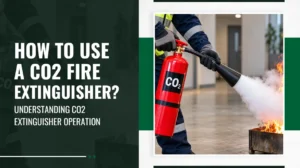
In emergency situations, knowing how to use a CO2 fire extinguisher effectively can make a significant difference. First, one should guarantee personal safety by evaluating the environment and making sure the fire is manageable. Next, the user should grab the extinguisher and pull the safety pin to break the seal. Aiming the nozzle at the base of the flames is vital, as this targets the source of the fire.
The user should then squeeze the handle to release the CO2, maintaining a firm grip. Using a sweeping motion, they should aim to cover the entire area of the fire while keeping a safe distance. Continuously monitoring the fire’s response is important; if it doesn’t subside, retreat to safety and call for professional help. Remaining calm and focused throughout this process can greatly enhance the chances of successfully extinguishing the fire.
Common Mistakes to Avoid With CO2 Extinguishers
Many users make critical mistakes when using CO2 fire extinguishers, which can hinder their effectiveness during emergencies. A frequent error is positioning the nozzle too close to the fire, risking personal injury and spreading flames. Users often forget to aim at the base of the fire, targeting the flames instead, which is ineffective. Additionally, some individuals neglect to pull the safety pin before attempting to discharge the extinguisher, rendering it useless.
Another common mistake is failing to maintain awareness of the extinguisher’s operational range; CO2 extinguishers have a limited reach, and standing too far away can diminish their effectiveness. Ultimately, many overlook the importance of evacuating the area if the fire persists, assuming the extinguisher alone will suffice. Recognising and avoiding these missteps can enhance safety and effectiveness in critical situations, empowering individuals to respond decisively when it matters most.
Essential Safety Tips for CO2 Extinguisher Use
Understanding the proper use of CO2 fire extinguishers is vital for effective fire response. First, users should make certain they are familiar with the extinguisher’s operation before an emergency arises. Wearing protective gear, such as gloves and goggles, is advisable, as CO2 can cause frostbite upon contact with skin.
When using the extinguisher, always stand at a safe distance and aim at the base of the fire. It’s important to remember that CO2 displaces oxygen, so maintaining proper ventilation is necessary to avoid inhaling the gas.
Additionally, one should never use CO2 extinguishers on flammable metals or electrical fires without proper training, as this could exacerbate the situation. After use, make sure the area is safe and monitor for re-ignition. By following these safety tips, individuals can enhance their ability to respond effectively and confidently in a fire emergency.
How to Maintain Your CO2 Fire Extinguisher?
Maintaining a CO2 fire extinguisher is essential for guaranteeing its effectiveness during an emergency. Regular checks are vital; users should inspect the extinguisher monthly for any signs of damage, corrosion, or leaks. The pressure gauge should be monitored to confirm it remains in the green zone, indicating proper pressure levels.
Additionally, the extinguisher should be tested annually by a professional to verify its functionality. It’s important to keep the unit in a visible and accessible location, free from obstructions. Dust and debris should be wiped away to maintain clarity on labels and instructions.
Replacing a CO2 extinguisher is necessary every five years, or sooner if it has been used. Users should familiarise themselves with the manufacturer’s guidelines for specific maintenance requirements. By adhering to these practices, individuals can confirm that their CO2 fire extinguisher is ready to perform when needed, contributing to safety and peace of mind.
What CO2 Fire Extinguishers Can’t Do?
What limitations do CO2 fire extinguishers have? While effective for certain fires, they are inadequate against class A fires involving ordinary combustibles, such as wood and paper. CO2 extinguishers do not cool materials, allowing potential re-ignition. Additionally, their efficacy diminishes in open areas due to rapid dispersal in the atmosphere, posing challenges for containment. They also lack the ability to penetrate barriers, making them ineffective for fires behind walls or in confined spaces.
Moreover, CO2 extinguishers can cause frostbite upon direct contact, necessitating careful handling. They are not suitable for flammable metals (class D fires), as CO2 can exacerbate these situations. Finally, their use in enclosed spaces requires caution. Although CO2 displaces oxygen, it can lead to suffocation if ventilation is inadequate. Understanding these limitations is essential for effective fire safety and maintaining personal freedom in emergency situations.
Next Steps After Using a CO2 Fire Extinguisher?
After utilising a CO2 fire extinguisher, immediate actions are necessary to guarantee safety and prevent further incidents. First, the user should confirm that the fire is completely extinguished. If any flames remain, further action may be required. Next, it’s essential to ventilate the area to disperse carbon dioxide, which can be hazardous in enclosed spaces. The user should also report the incident to the appropriate authorities, ensuring that all safety protocols are followed.
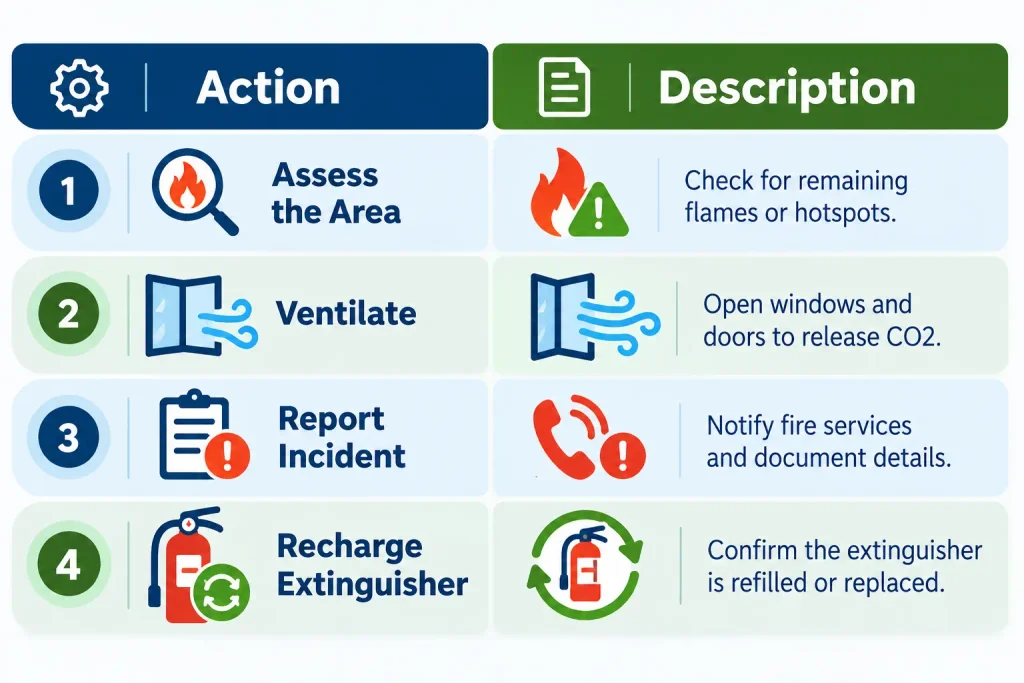
These steps help maintain safety and readiness for any future emergencies.
Frequently Asked Questions
Can CO2 Extinguishers Be Refilled After Use?
CO2 extinguishers can be refilled after use, provided they are inspected for damage and functionality. It’s essential to follow proper procedures and guidelines to guarantee safety and compliance with relevant regulations during the refilling process.
How Long Does a CO2 Extinguisher Last?
A CO2 extinguisher typically lasts for about 8 to 30 seconds of continuous discharge. The duration depends on the size and capacity of the unit, making regular maintenance and checks essential for peak readiness.
Are CO2 Extinguishers Safe for Food-Related Fires?
CO2 extinguishers are generally safe for food-related fires, as they do not leave harmful residues. However, caution is advised, as their use can displace oxygen, potentially posing a risk in confined spaces.
What Is the Shelf Life of a CO2 Extinguisher?
The shelf life of a CO2 extinguisher typically ranges from 5 to 15 years, depending on the manufacturer and maintenance. Regular inspections guarantee reliability, empowering individuals to act confidently in emergencies without hesitation.
Can I Use CO2 Extinguishers Indoors and Outdoors?
CO2 extinguishers can be used both indoors and outdoors. Their effectiveness against electrical and flammable liquid fires makes them versatile, though proper ventilation is essential when used in confined indoor spaces to guarantee safety.
Conclusion
In summary, understanding the operation and proper usage of CO2 fire extinguishers is essential for effective fire safety. By recognising their specific applications, familiarising oneself with key components, and adhering to safety guidelines, individuals can mitigate fire hazards efficiently. Regular maintenance and awareness of limitations are also important for peak performance. Ultimately, knowing when and how to use a CO2 extinguisher can make a significant difference in emergency situations, ensuring safety for all involved.