
For flammable liquids, Class B-rated extinguishers are required: foam, CO2, or dry chemical, chosen by environment and fuel behavior. Foam blankets pool liquids and cool; CO2 displaces oxygen with no residue for confined areas; dry chemical interrupts the reaction for rapid knockdown and general use. Select a rating that covers the expected spill area and a size balancing reach with mobility. Inspect, mount by risk and distance, and follow safety limits; refer to the full guide for more details.
Key Takeaways
- Use Class B-rated extinguishers (foam, CO2, or dry chemical) specifically listed for flammable liquid fires.
- Choose foam for pooling liquids outdoors or on horizontal surfaces to form a vapor-sealing blanket.
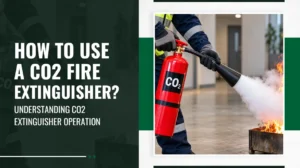
- Use CO2 in enclosed areas or where no residue is allowed, as it displaces oxygen and leaves no cleanup.
- Select dry chemical (ABC or BC) for rapid knockdown and general-purpose use where versatility is needed.
- Match extinguisher rating/size to anticipated spill area, ensure monthly checks, and train only confident personnel to engage.
Table of Contents
Quick Answer: Best Extinguishers for Flammable Liquids (Class B, Foam, CO2, Dry Chemical)
For fires involving flammable liquids (Class B), foam, carbon dioxide (CO2), and dry chemical extinguishers are the primary recommended options. The detached observer notes foam systems form a sealing blanket that suppresses vapors and cools surfaces, ideal for pooling liquids and fuel spills. CO2 displaces oxygen and leaves no residue, making it suitable for enclosed spaces and electrical hazards where cleanup or damage must be minimised
Dry chemical extinguishers, multipurpose ABC or BC-rated, interrupt the chemical reaction and provide rapid knockdown across varied liquid fuels. Selection depends on environment: foam for outdoor spills and large tanks, CO2 for confined areas with sensitive equipment, dry chemical for general-purpose portability and swift action. Maintenance, correct sizing, and accessible placement remain nonnegotiable to guarantee autonomy in emergency response. Trained users should match agent capabilities to scenario risks, enabling decisive, responsible suppression while preserving freedom of movement and minimising collateral damage.
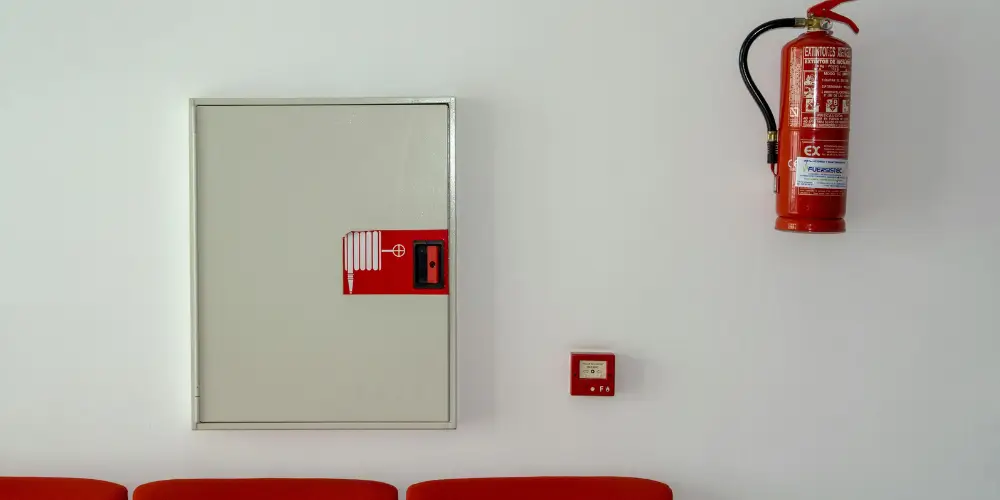
Reading Class B Ratings and Extinguisher Labels
After selecting the appropriate agent foam, CO2, or dry chemical, the next step is to understand Class B ratings and extinguisher labels to ensure the chosen unit matches the fuel hazard. Labels show the Class B number, which indicates the square footage the extinguisher can effectively cover on a flammable liquid fire. Higher numbers mean greater coverage; for example, a 10B rating covers roughly 10 square feet. Users seeking autonomy should read the label for agent type, rating, operating instructions, and maintenance dates.
Look for UL or equivalent approval marks, manufacture and recharge dates, pressure indicators, and DOT or local compliance symbols. Pictograms clarify intended use and restrictions confirm no oxidation-prone agents are listed if storing near reactive materials. Labels also list temperature limits and mounting recommendations that affect readiness. By interpreting these concise facts, individuals can choose, place, and maintain extinguishers that match their risk profile and preserve freedom to act confidently during an incident.
How Foam, Dry Chemical, CO2, and Clean Agents Fight Liquid Fires
Foam, dry chemical, CO2, and clean agents each suppress flammable liquid fires through distinct physical or chemical mechanisms: foam floats on the liquid to form a vapor-sealing blanket and cool the fuel, dry chemical interrupts the combustion chain reaction and can create a thermal barrier, CO2 displaces oxygen and cools via rapid gas expansion, and clean agents absorb heat or scavenge free radicals without leaving residue choices depend on fuel type, spill size, and exposure risks.
Foam works best on pool fires and unignited spills, preventing vapor release and re-ignition while reducing surface temperature. Dry chemical (monoammonium phosphate or sodium bicarbonate) provides fast knockdown on burning fuels and is versatile for mixed hazards, though it leaves corrosive residue. CO2 suits small, contained liquid fires where residue-free suppression is essential, but it offers limited range and no vapor suppression on spills. Clean agents (e.g., halocarbon blends) protect sensitive equipment, extinguishing by heat absorption and radical capture while minimising cleanup. Selection balances effectiveness, environmental and health considerations, and operational freedom.
Choosing Size and Rating for Flammable‑Liquid Risks
Selecting an appropriate extinguisher size and rating for flammable‑liquid hazards requires matching extinguisher capacity and performance to the specific fuel class, potential fire size, and exposure scenarios. The selection process emphasises extinguisher rating (e.g., B or B: C), which quantifies effectiveness on flammable liquids; higher ratings indicate a larger square‑foot equivalent the unit can handle. Capacity (poundage or liters) affects discharge duration and reach: larger units sustain suppression longer and may be necessary where fuel loads or spread potential are greater.
Consider anticipated spill area, ignition sources, and nearby exposures when choosing between portable sizes and wheeled units. Balance mobility and brute force: smaller, easy‑carried extinguishers support personal freedom to act quickly, while larger units offer sustained control for bigger incidents. Certification, maintenance intervals, and refill logistics also influence selection; choose equipment that users can legally and practically manage to guarantee readiness without overburdening operations.
Where to Mount Extinguishers Near Flammable Liquids (By Risk and Distance)
After choosing extinguisher types and capacities appropriate to the fuel class and likely fire size, placement becomes the next practical consideration: mount extinguishers to allow rapid access from the highest-risk areas while respecting safe standoff distances. Mounting follows risk zoning: high-risk operations (dispensing, open containers) require units within 10–15 ft of the hazard but outside potential ignition zones; moderate risk areas target 25–50 ft; low-risk storage and administrative spaces permit greater separation while remaining visible and reachable. Mounting height should allow most users to grab units quickly and keep them clear of obstructions and vehicle paths. Signage and unobstructed approach routes preserve individual autonomy to respond. Consider multiple smaller units rather than a single distant appliance to reduce travel time. Placement should also account for ventilation, spill containment, and egress routes, enabling people to act decisively without unnecessary exposure.
| Risk Level | Recommended Distance |
| High | 10–15 ft |
| Moderate | 25–50 ft |
| Low | Visible/reachable |
Keeping Extinguishers Ready: Inspections, Maintenance, and Servicing
Regular inspections, routine maintenance, and prompt servicing guarantee extinguishers remain effective and reliable when flammable-liquid fires occur. The responsible party performs monthly visual checks for pressure, tamper seals, corrosion, and unobstructed access. Annual maintenance by a qualified technician verifies internal condition, hose integrity, and mechanical parts. Hydrostatic testing intervals depend on extinguisher type and local code; records must document dates, findings, and corrective actions. A proactive program preserves freedom to act safely and minimises regulatory exposure.
- Monthly visual inspections: gauge, seal, label legibility, mounting condition
- Annual maintenance: full functional check, cleaning, repair or replacement of defective parts
- Hydrostatic testing: pressure test per manufacturer and standards (typical intervals noted on tags)
- Immediate servicing after use: recharge or replace, and log the event
Responsibility, clear documentation, and adherence to standards confirm extinguishers are ready when needed without impeding operational autonomy. Explore How Many Fire Extinguishers Do I Need? A Complete UK Safety Guide
When to Fight a Liquid Fire: and When to Evacuate or Call 911
Decide quickly but deliberately whether to fight a flammable-liquid fire or evacuate and call 911 based on size, fuel source, proximity to people, available extinguishing agent, and trained personnel. The responder evaluates scale: small, contained spills with limited flame and a clear escape path may be fought; spreading, pooled, or escalating fires require evacuation. Consider fuel: unknown mixtures, pressurised containers, or large quantities increase risk and favor calling emergency services.
Prioritise people: if occupants, bystanders, or neighbors are threatened, evacuate immediately and notify 911. Assess equipment and skill: only those with the correct class B extinguisher, protective gear, and training should attempt suppression. Wind, confined spaces, and exposure to other fuels or structures dictate withdrawal. Preserve freedom by assuming responsibility for clear choices: either act decisively with suitable tools and training or relinquish the scene to professional firefighters. When contacting 911, report the location, hazards, and exposures. Check out Who Is Responsible for Using a Fire Extinguisher
Using an Extinguisher on Flammable Liquids: A Quick Safety Checklist
After determining whether to engage or evacuate, attention turns to the concise actions required when a trained responder elects to use an extinguisher on a flammable-liquid fire. The responder moves with purpose, prioritising personal safety, escape routes, and protecting others. Equipment selection and stance matter; confidence and clarity preserve freedom to act without unnecessary risk.
- Confirm correct extinguisher class (B-rated or multipurpose) and inspect pressure and hose.
- Position upwind and maintain a clear retreat path; approach no closer than needed to be effective.
- Aim at the base of the flames, sweep side-to-side, and discharge in controlled bursts to avoid splashing fuel.
- Monitor for reflash, back away when fuel cooling is sufficient, and call for backup or professional suppression if uncertain.
The checklist empowers autonomous decision-making while enforcing limits: act only within training, prioritise evacuation if conditions change, and never gamble with uncontrolled flammable-liquid fires.
Frequently Asked Questions
Can Flammable Liquid Spills Be Absorbed Before Extinguishing to Prevent Re-Ignition?
Yes. One can absorb flammable liquid spills before fully extinguishing to reduce re-ignition risk, provided the area is cooled, ignition sources controlled, appropriate absorbents are used, and trained personnel follow safety protocols and disposal regulations.
Are Class B Extinguishers Safe to Use on Gasoline-Contaminated Clothing?
No; a Class B extinguisher should not be used directly on gasoline-soaked clothing. The person must evacuate, remove contaminated clothing if safe, and be cooled and treated by professionals to avoid spreading fuel or causing burns.
How Do Temperature Extremes Affect Extinguisher Performance for Liquid Fires?
Extreme temperatures degrade extinguishers: freezing can clog valves and reduce discharge, while heat can pressurise, damage seals, or degrade agent effectiveness. The independent user should inspect, store properly, and choose rated models resilient to temperature extremes.
Can Using Wrong Extinguishers Contaminate Cleanup or Salvage of Liquids?
Yes; they can. Using incompatible extinguishers can mix with spilled liquids, complicating recovery, creating hazardous residues, and hindering reclamation. The responder prefers minimal interference but must balance immediate safety with later salvage options.
Are There Insurance or Regulatory Requirements for Extinguisher Types at Fueling Stations?
Yes. They must comply with local codes, NFPA standards (like NFPA 30, 10), and insurer conditions requiring specific Class B-rated extinguishers, often K/foam or stored-pressure types; documentation, placement, maintenance, and inspections are typically mandated.
Conclusion
For flammable-liquid hazards, select a Class B-rated extinguisher foam, CO2, or ABC/BC dry chemical matching the fuel type and risk level. Confirm the appropriate size and B-rating, mount units where they are readily accessible, and maintain them with regular inspections and servicing. Train occupants on safe use and evacuation criteria; attack only small, contained fires when escape is clear. When in doubt, evacuate, alert emergency services, and let professionals handle larger or spreading liquid fires.