
Understanding the types of wiring codes in the 18th Edition is essential for anyone involved in electrical installation, inspection and testing in the UK. The 18th Edition refers to the IET Wiring Regulations, BS 7671, which provides requirements for the design, installation, inspection and verification of electrical installations.
Electrical wiring codes help ensure that installations are safe, reliable and suitable for their intended use. They provide guidance on conductor identification, cable selection, protective measures, installation methods and testing requirements.
The correct wiring system must be selected based on factors such as the type of building, environmental conditions, mechanical risks, expected load and the level of protection required. BS 7671 applies to domestic, commercial and industrial electrical installations and is widely recognised as the standard reference for electrical work in the UK.
Key Takeaways
- The 18th Edition wiring regulations are based on BS 7671, which sets requirements for electrical installations in the UK.
- Wiring codes help ensure electrical systems are designed and installed safely.
- Cable selection depends on installation conditions, load requirements and environmental factors.
- Common wiring systems include PVC insulated cables, steel wire armoured cables, conduit systems and flexible wiring systems.
- Correct conductor identification is essential for safe electrical installation.
- Electrical installations must be inspected, tested and verified after completion.
Table of Contents
What Are the 18th Edition Wiring Regulations?
The 18th Edition Wiring Regulations are the requirements contained within BS 7671: Requirements for Electrical Installations, published by the Institution of Engineering and Technology and BSI. They provide technical guidance for the safe design, erection and verification of low voltage electrical installations.
These regulations cover a wide range of electrical work, including domestic wiring, commercial installations, industrial systems and specialist locations.
The purpose of the regulations is to reduce risks associated with electrical installations, including electric shock, fire, overheating and equipment damage.
The 18th Edition does not prescribe one single type of wiring system. Instead, it provides requirements that allow suitable wiring methods and materials to be selected according to the circumstances of each installation.
What Are Wiring Codes?
Wiring codes refer to the rules and identification systems used to ensure electrical conductors, cables and wiring arrangements are installed correctly.
These codes help electricians identify:
- Line conductors
- Neutral conductors
- Protective conductors
- Circuit functions
- Cable types
- Installation methods
Correct identification prevents incorrect connections, reduces electrical hazards and improves safety during installation, maintenance and inspection.
UK Electrical Wiring Colours Under the 18th Edition
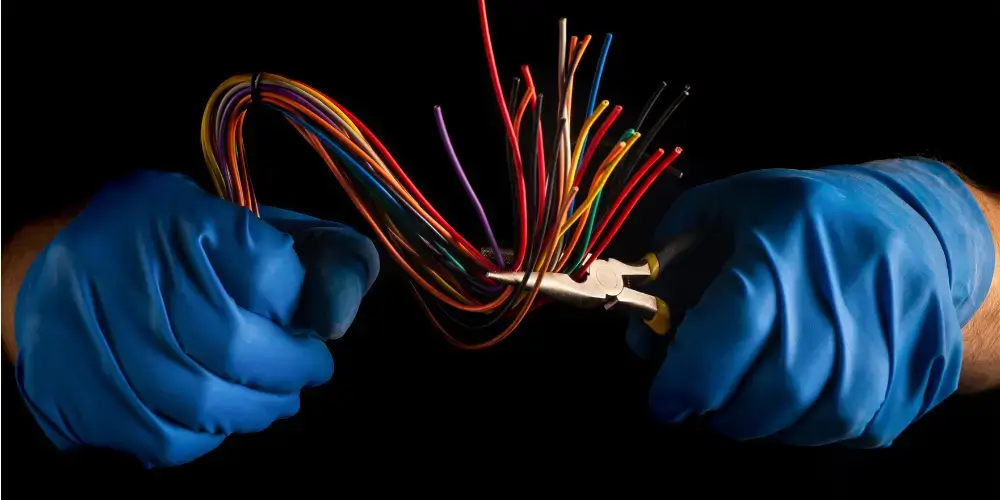
One of the most important parts of electrical wiring codes is conductor colour identification.
Modern UK installations use harmonised cable colours based on international standards.
For single phase installations:
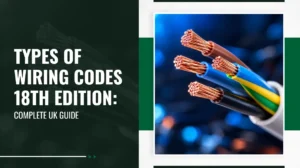
The line conductor is identified as brown.
The neutral conductor is identified as blue.
The protective conductor or earth conductor is identified as green and yellow.
For three phase installations:
The phase conductors are identified as:
- Brown for Line 1
- Black for Line 2
- Grey for Line 3
The neutral remains blue and the protective conductor remains green and yellow.
These colour codes help electricians safely identify conductors and reduce the risk of incorrect connections.
Common Types of Wiring Systems Under the 18th Edition
The 18th Edition allows different wiring systems depending on the requirements of the installation.
The most suitable system depends on factors such as location, mechanical protection requirements, temperature, moisture exposure and expected use.
PVC Insulated and PVC Sheathed Cable
PVC insulated and sheathed cable is one of the most common wiring systems used in domestic and commercial installations.
It is widely used because it is:
- Cost effective
- Easy to install
- Suitable for many environments
- Available in different conductor sizes
This type of cable is commonly installed within walls, ceilings, floors and containment systems.
Examples include twin and earth cable commonly used for domestic lighting and socket circuits.
However, where cables may be exposed to mechanical damage, additional protection may be required.
Steel Wire Armoured Cable
Steel Wire Armoured cable, commonly known as SWA cable, is designed for installations where additional mechanical protection is required.
It is commonly used for:
- Outdoor supplies
- Garages
- Outbuildings
- Industrial installations
- Buried cable installations
The steel armour provides protection against impact and mechanical damage.
SWA cables are often selected where cables are exposed to harsher environmental conditions compared with standard PVC wiring systems.
Conduit Wiring Systems
Conduit systems involve installing cables inside protective tubing made from materials such as plastic or metal.
Conduit provides mechanical protection and allows cables to be replaced or extended more easily.
Common types include:
- PVC conduit
- Steel conduit
Conduit systems are often used in commercial and industrial environments where increased protection is required.
Metal conduit can also provide additional protection against mechanical damage and may form part of the protective earthing arrangement when correctly installed.
Metal Clad and Mineral Insulated Cables
Some installations require wiring systems that can withstand extreme conditions.
Mineral insulated cables use copper conductors with mineral insulation and a protective metal sheath.
They are commonly used where high fire resistance is required, such as:
- Emergency systems
- Fire alarm circuits
- High risk industrial environments
These systems are designed to maintain circuit integrity under fire conditions for a specified period.
Flexible Cables
Flexible cables are used where movement or temporary connection is required.
Examples include:
- Portable equipment
- Appliances
- Machinery connections
Flexible cables must be selected according to their intended use because different environments require different levels of protection.
Using an unsuitable flexible cable can result in mechanical damage, overheating or electrical failure.
Wiring Systems for Domestic Installations
Domestic electrical installations commonly use PVC insulated cables installed within walls, floors and ceilings.
Typical domestic circuits include:
- Lighting circuits
- Socket circuits
- Cooker supplies
- Shower circuits
- Heating circuits
The wiring method must consider factors such as cable capacity, installation method, protective devices and circuit design.
Domestic installations must also include suitable protective measures such as earthing and residual current protection where required by BS 7671.
Wiring Systems for Commercial and Industrial Installations
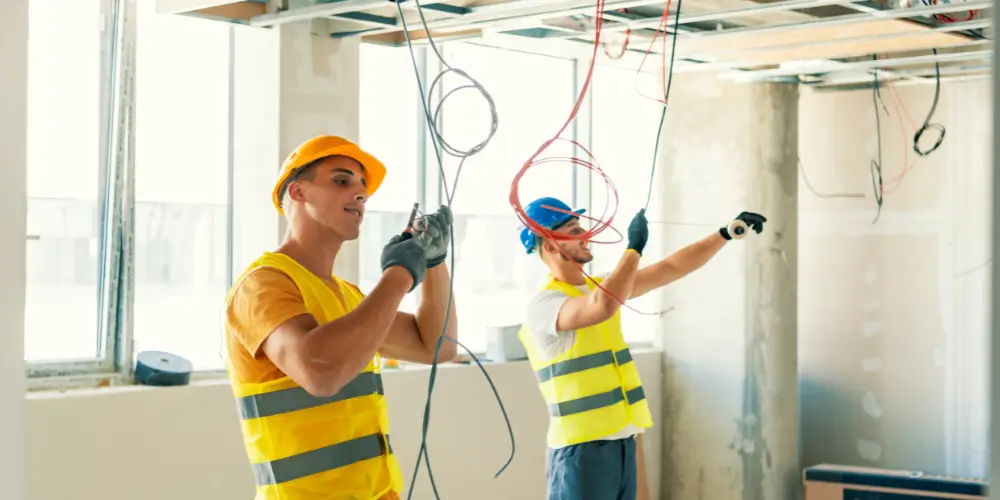
Commercial and industrial environments often require more robust wiring solutions due to higher electrical loads and harsher operating conditions.
Examples include:
- Cable tray systems
- Conduit systems
- Armoured cables
- Industrial containment systems
Factors considered include:
- Equipment load
- Environmental conditions
- Risk of mechanical damage
- Fire risk
- Accessibility for maintenance
Cable Selection Factors Under the 18th Edition
Choosing the correct cable type involves considering several factors.
Current Carrying Capacity
The cable must be capable of carrying the expected electrical load without overheating.
Installation Method
A cable installed in insulation, buried underground or enclosed within conduit may have different current carrying capabilities compared with cables installed openly.
Environmental Conditions
The installation location affects cable selection.
Conditions such as:
- Heat
- Moisture
- Chemicals
- Mechanical impact
must be considered.
Voltage Drop
Cable size must also consider voltage drop to ensure equipment receives the correct voltage.
Protective Wiring Requirements
The 18th Edition places significant importance on protection against electrical danger.
Electrical installations require appropriate protective measures including:
- Automatic disconnection of supply
- Earthing arrangements
- Bonding
- Overcurrent protection
- Residual current devices
These measures help protect people and property from electrical faults.
Inspection and Testing of Wiring Systems
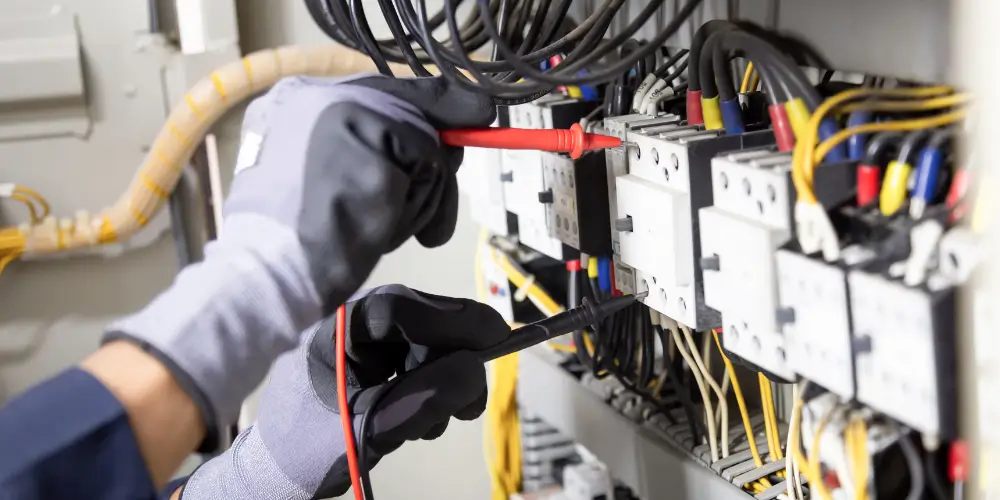
After installation, electrical wiring systems must be inspected and tested to confirm they meet safety requirements.
Testing may include:
- Continuity testing
- Insulation resistance testing
- Polarity testing
- Earth fault loop impedance testing
- RCD testing
Inspection and testing confirm that the installation has been completed correctly and is safe for use.
Frequently Asked Questions
What is the 18th Edition wiring code?
The 18th Edition refers to BS 7671, the UK standard providing requirements for electrical installation design, installation and testing.
What are the main UK wiring colours?
Modern UK wiring uses brown for line, blue for neutral and green and yellow for protective earth conductors.
What type of cable is commonly used in domestic wiring?
PVC insulated and sheathed cable, commonly known as twin and earth, is widely used in domestic installations.
What is SWA cable used for?
Steel Wire Armoured cable is used where additional mechanical protection is required, including outdoor and industrial installations.
Why are wiring codes important?
Wiring codes help ensure electrical systems are installed safely and reduce risks such as electric shock, overheating and fire.
Conclusion
Understanding the types of wiring codes in the 18th Edition helps electricians, contractors and property owners make informed decisions about electrical installations.
The 18th Edition BS 7671 regulations provide guidance on safe wiring practices, cable selection, conductor identification and installation methods. Different wiring systems, including PVC cables, armoured cables, conduit systems and specialist fire resistant cables, are selected according to the requirements of each project.
Correct design, installation, inspection and testing are essential to ensure electrical systems remain safe, efficient and compliant.