
Who is responsible for using a fire extinguisher rests primarily with those who control the premises: owners, employers, building managers and trained staff designated to respond. Occupants and tenants must follow safety procedures and evacuate when fires exceed small, controllable limits. Trained individuals should act only with a clear escape route, appropriate extinguisher type, and confidence in containment; otherwise, evacuation and professional responders take precedence. Further guidance outlines employer duties, training, documentation, and liability considerations.
Key Takeaways
- Primary responsibility lies with owners/managers to provide, maintain, and designate trained personnel for extinguisher use.
- Trained staff or designated volunteers should attempt suppression only for small, contained fires with a clear escape route.
- Tenants, employees, and occupants must follow instructions and use extinguishers only if trained, and it remains safe to do so.
- Untrained individuals should prioritise evacuation and notifying responders rather than attempting to operate extinguishers.
- Legal liability depends on control, foreseeability, training, and adherence to documented policies and maintenance records.
Table of Contents
Legal Responsibility for Fire Safety: Who’s Liable?
Who bears legal responsibility for fire safety depends on jurisdiction, occupancy type, and contractual relationships: owners, landlords, employers, and occupiers typically carry primary duties to maintain fire prevention measures, guarantee functioning extinguishers, and provide training, while tenants and employees may have secondary obligations to follow safety procedures and report hazards. The law often ties liability to control and foreseeability: those who control premises, equipment, or work processes are expected to assess risks, implement safeguards, and document compliance. Regulatory frameworks impose minimum standards; failure to meet them can create civil or regulatory exposure.
Who is responsible for using a fire extinguisher? Contracts can shift or clarify duties but cannot absolve parties from statutory obligations. Insurance and indemnity clauses affect financial outcomes but not necessarily legal responsibility. Ultimately, responsibility aligns with the capacity to act and the reasonable expectation that a party could prevent or mitigate fire harm, preserving autonomy by encouraging proactive risk management rather than imposed passivity.
Who Should Use a Fire Extinguisher?
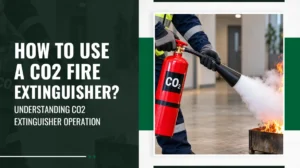
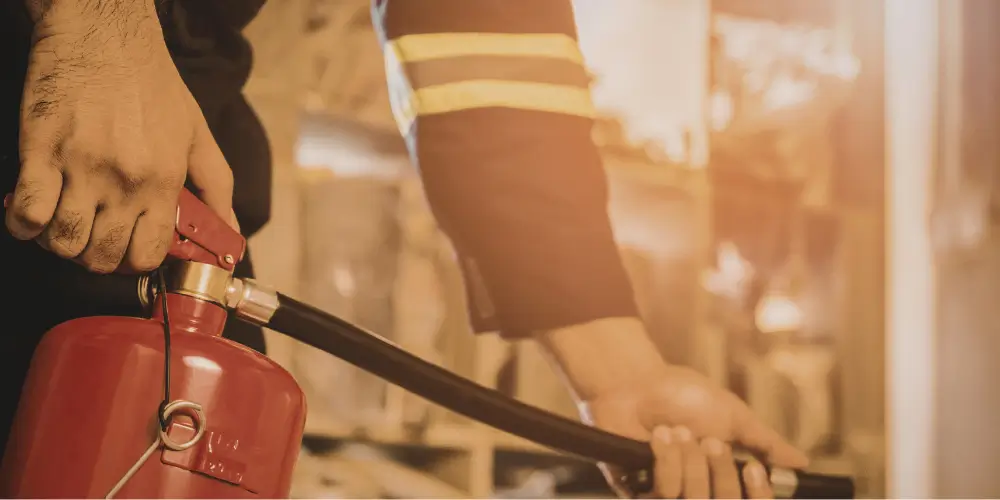
When is it appropriate for an individual to attempt extinguishing a fire? An individual should act when the blaze is small, confined, and clearly controllable with a portable extinguisher. The person must have a clear escape route, understand the extinguisher type, and be physically able to operate it. Those who value autonomy often prefer straightforward, practical criteria: visible flame size (about the volume of a wastebasket), no rapid smoke spread, and confidence in using the Pull, Aim, Squeeze, and Sweep (PASS) technique.
Individuals without training or with doubts about fuel source, fire behavior, or personal safety should refrain. Responsibility falls to workers or occupants who have been informed and feel competent, not to anyone coerced into risking harm. Personal judgment, informed consent, and situational awareness guide action. Where uncertainty exists, preserving life and freedom of choice means prioritising evacuation and alerting trained responders rather than attempting an uncertain suppression.
When Should Trained Staff Act: And When to Evacuate?
How should trained staff balance immediate suppression with orderly evacuation? Trained personnel evaluate threats, people and exit routes quickly. If the fire is small, contained, and suppressible with available extinguishers without compromising escape paths, staff may act to protect others and property. If smoke, heat, or spread endangers egress or occupants, evacuation becomes paramount. Decisions prioritise human freedom to move and choose safety over protecting belongings.
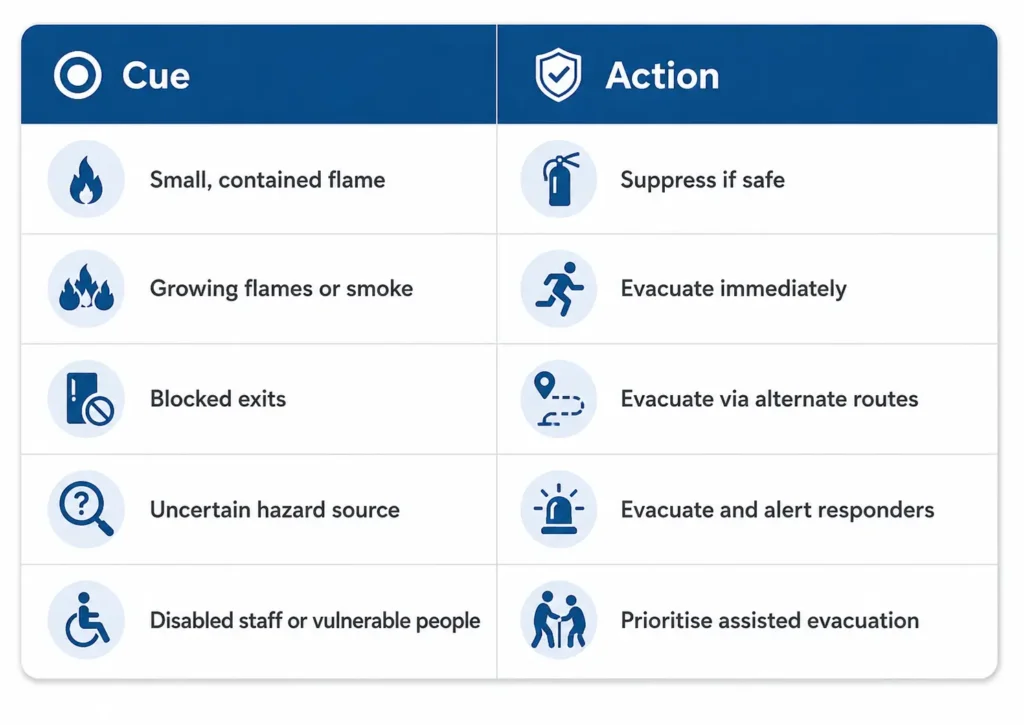
Staff communicate clearly, guide occupants to freedom, and maintain accountability. They withdraw when suppression risks lives. Afterward, trained staff report conditions to responders, preserving evidence and enabling restoration while upholding the right to safety and autonomy.
Quick Safety Checklist: Can You Attempt to Extinguish?
Can the situation be handled safely with an extinguisher? This prompt guides objective assessment: size of fire, source, and containment. If flames are small, confined, and not spreading toward exits, a quick, informed attempt may be reasonable. Confirm a clear escape route before acting; freedom to choose requires the option to withdraw immediately. Check that the extinguisher type matches the fuel involved and is fully charged. Avoid entering smoky, oxygen-deprived, or structurally compromised spaces. Consider wind or ventilation that could fan flames. Ascertain that no hazardous materials or electrical risks are present. Communicate intent to nearby people and call emergency services first when possible. If unsure about any factor, prioritise personal safety and evacuation. A concise checklist small fire, matched extinguisher, clear exit, no hidden hazards, and emergency services notified lets an individual decide confidently whether to act or step back. Know about Which Fire Extinguisher Is Used for Electrical Fires: A Complete Guide.
Employer and Manager Duties for Extinguishers and Training
Responsibility for fire extinguishers and related training rests squarely with employers and managers, who must guarantee equipment availability, correct selection, maintenance, and workforce competence. They are tasked with evaluating hazards, placing suitable extinguishers where they can be accessed quickly, and ensuring regular inspections and servicing so devices function when needed. Documentation of inspections, maintenance, and replacement schedules preserves accountability.
Managers must also establish clear policies that respect individual autonomy while protecting collective safety: permission frameworks for trained volunteers, limits on untrained intervention, and evacuation priorities. Communication of these policies should be direct, rights-respecting, and free of coercive language. Records of training and drills support continuous improvement and demonstrate due diligence. Ultimately, employers and managers create the conditions under which people can choose to act safely; by providing reliable equipment, transparent rules, and robust upkeep, they enable freedom of action without sacrificing protection.
Who to Train and What Extinguisher Training Includes
Who should receive fire extinguisher training and what that training must cover depend on the workplace’s hazards, staff roles, and emergency expectations. Training should target employees likely to encounter small, controllable fires and those assigned evacuation or safety duties. Supervisors and designated responders require deeper instruction; occasional visitors need basic awareness. Content must include hazard recognition, extinguisher selection by class, safe operation techniques (P.A.S.S. or equivalent), and limits of portable extinguishers to prevent escalation. Everyone should learn the Types of Fire and Fire Extinguisher Guide for Everyday Safety.
Practical, hands-on practice under controlled conditions is essential to build competence and confidence. Training should address personal protection, maintaining escape routes, and communication protocols during an incident. Documentation of attendance, skill checks, and refresher intervals guarantees readiness while respecting individual autonomy to opt out of active firefighting roles when justified. Training materials should be accessible, concise, and focused on enabling employees to act decisively and safely within clearly defined, voluntary responsibilities. It is important to understand fire extinguisher colour codes.
Liability and Insurance: Risks of Using or Not Using an Extinguisher
How might using or choosing not to use a portable fire extinguisher affect legal exposure and insurance outcomes? Liability hinges on reasonableness: a person acting within training and policy may reduce property loss and be seen favorably by insurers, while reckless or uninstructed intervention can create liability for injury or damage. Conversely, failure to act when safe to do so, especially against clear duties, can be cited in claims or lawsuits. Insurers evaluate incident reports, maintenance records, and compliance with safety protocols when determining coverage or subrogation.
| Action Taken | Potential Legal View | Insurance Impact |
| Proper use by a trained individual | Reasonable, defensible | Claims likely covered; premiums stable |
| Improper use causing harm | Negligent or reckless | Coverage contested; liability costs |
| No intervention despite duty | Possible breach of duty | Denied or reduced payouts; subrogation risk |
Clear documentation and adherence to training preserve autonomy while minimising financial and legal exposure.

Practical Checklist: Roles, Signage, and Written Protocols
A concise checklist defines assigned roles, visible signage, and written protocols so that personnel know who should act, when to use a portable extinguisher, and what steps follow an incident. The checklist empowers individuals to choose action or withdrawal without hesitation. It lists decision thresholds (fire size, smoke, escape routes), identifies trained responders and alternates, and mandates post-incident reporting and review. Signage placement and wording are specified to preserve clear sightlines and quick comprehension. Written protocols are brief, permissioned, and reviewable, so responsibility is shared but accountability is clear.
- Define roles: primary extinguisher operator, backup, evacuation lead; include contact and authority limits.
- Signage and tools: standardised symbols, unobstructed locations, inspection tags, and access maps.
- Protocols: use criteria, communication steps, PPE requirements, incident logging, and scheduled drills.
This approach respects autonomy while ensuring safety decisions rest on clear, enforceable guidance.
Frequently Asked Questions
Can Children Be Taught to Use a Fire Extinguisher Safely?
Yes. One can teach children to use a fire extinguisher safely through age-appropriate training, supervised hands-on practice, clear limits, and emphasis on escape priorities; instruction respects autonomy while prioritising adult oversight and situational judgment.
Are There Legal Penalties for Misusing an Extinguisher?
Yes, legal penalties can apply; authorities may fine or charge individuals for malicious or negligent misuse of extinguishers, especially when public safety, property damage, or false alarms occur. Penalties vary by jurisdiction and incident severity.
How Often Should Extinguishers Be Replaced, Not Just Inspected?
Extinguishers generally require replacement every 5 to 15 years depending on type, manufacturer, and condition; the owner should follow labels and local codes, preserving autonomy while proactively replacing units when corrosion, damage, or failed tests appear.
Do Extinguishers Harm Sensitive Equipment When Discharged?
Dry chemical extinguishers can damage sensitive equipment through residue and abrasion; CO2 is safer but risks freezing and displacement; clean agents minimise harm yet may be costly. The individual chooses based on equipment preservation priorities.
Can Homeowners’ Associations Require Extinguisher Access in Residences?
Yes, a homeowners’ association can require access to extinguishers in residences, provided the rules align with property covenants and local laws. They balance safety mandates with residents’ autonomy, allowing reasonable, noninvasive compliance measures.
Conclusion
Who Is Responsible for using a Fire Extinguisher? Legal responsibility for fire safety ultimately rests with owners and employers, who must provide equipment, training, signage and written protocols. Trained staff are expected to attempt small, contained fires only when safe; otherwise, evacuation and emergency services are required. Individual employees may act if trained and instructed, but untrained persons should not. Failure to equip, train or follow procedures can create liability and insurance consequences, so clear roles and documented practices are essential.