A fire alarm system keeps going off without a fire present may signal a faulty smoke detector, environmental factors like humidity or dust, electrical problems such as short circuits, or improper installation or maintenance. Addressing these issues involves checking and replacing defective components, adjusting sensitivity settings, ensuring proper placement away from moisture-prone areas such as kitchens and bathrooms, and adhering to routine maintenance practices. Regular system checks, cleaning detectors, and replacing batteries as required are critical preventive measures. For persistent problems, professional inspection is recommended to ensure compliance with safety standards and optimal functionality. Learning more about specific fixes and experts can enhance your system’s reliability and safety.
Key Takeaways
- Faulty or oversensitive smoke detectors, environmental factors like humidity, and electrical issues can cause frequent false alarms.
- Regular maintenance, including cleaning detectors and changing batteries, prevents malfunction and ensures system reliability.
- Install fire alarms in appropriate locations away from kitchens and bathrooms to avoid unnecessary triggers.
- Adjust detector sensitivity settings based on environmental conditions and use advanced sensors to reduce false alarms.
- Conduct routine inspections by qualified technicians to identify and resolve underlying issues, ensuring with fire safety standards.
Table of Contents
What Does It Mean When a Fire Alarm System Keeps Going Off?
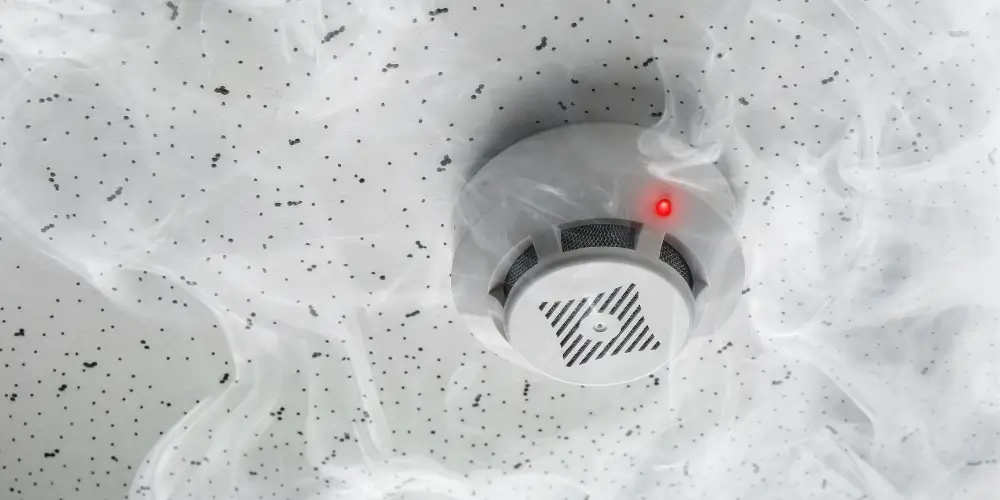
When a fire alarm system repeatedly activates without an apparent fire, it typically indicates a malfunction or sensitivity issue within the system. This recurrent false triggering can disrupt daily operations, cause undue stress, and lead to complacency, potentially making building occupants less responsive in the event of a real fire emergency. It is vital to address these false alarms promptly to maintain the integrity and reliability of the fire safety measures in place.
Repeated false alarms can also have legal and financial implications. Building owners may face fines or penalties if their fire alarm system is found noncompliant with local fire safety regulations. Additionally, frequent activations could necessitate an investigation by fire departments, leading to additional charges or a mandated upgrade of the fire alarm system, which can be costly.
To ensure safety and compliance, maintenance teams must regularly check and service the fire alarm system. This includes cleaning detectors to prevent dust or other particulates from triggering the alarm and verifying that all system components function correctly. Regular maintenance helps reduce false alarms and ensures the system performs efficiently during actual emergencies.
Common Causes of Fire Alarm Systems Triggering Repeatedly
Understanding the common causes of repeated fire alarm activations is essential for diagnosing and effectively addressing these disruptions. Persistent false alarms not only cause unnecessary stress and disruption but may also lead to complacency among occupants, potentially resulting in a dangerous response during a true emergency. There are several technical and maintenance-related reasons why a fire alarm system may activate repeatedly without an actual fire.
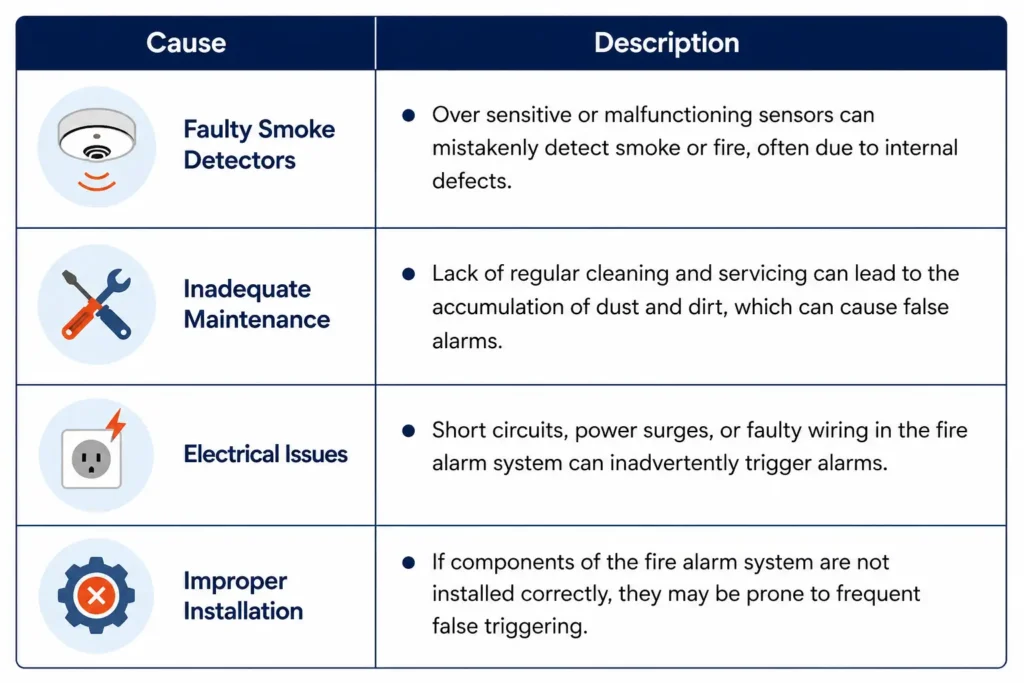
Addressing these issues typically involves a thorough inspection by a qualified technician who can replace faulty components, ensure proper installation, and establish a regular maintenance schedule to prevent future occurrences.
How Faulty Detectors Can Cause a Fire Alarm System to Keep Going Off
Faulty detectors, plagued by component wear or electronic failure, often cause fire alarm systems to activate repeatedly without the presence of actual fire hazards. These malfunctions can be extremely disruptive, leading to unnecessary evacuations, wasted resources, and reduced trust in the alarm system’s reliability. Understanding the common causes of these faults is essential to maintaining a functional and effective fire alarm system.
Here are three primary causes of detector malfunctions:
- Age and Wear: Over time, smoke detectors can accumulate dirt and dust, which can interfere with their sensors and lead to false alarms. Additionally, the aging of components like sensitivity sensors can degrade their accuracy and responsiveness.
- Manufacturing Defects: Sometimes, the issue originates from the manufacturing process itself. Faults in circuitry or improper assembly can lead to chronic false alarms. These defects might not be apparent during initial installation and can emerge as persistent problems later.
- Improper Installation: A detector installed in an unsuitable location, such as near kitchens or bathrooms, can be triggered by normal amounts of smoke or steam. Moreover, if installation guidelines are not strictly followed, it can result in loose connections or misaligned components that falsely signal a fire.
Addressing these issues involves regular maintenance, choosing high-quality detectors, and ensuring proper installation practices.
Electrical Issues That May Trigger False Fire Alarm Alerts
Electrical issues are a significant yet often overlooked cause of false fire alarm alerts. Problems such as faulty wiring, overloads, and short circuits can inadvertently activate fire alarms. Wiring that has been improperly installed or has deteriorated over time can create unpredictable currents that the fire alarm system misinterprets as smoke or fire signals. Similarly, overloaded circuits might cause sudden spikes in electrical flow, leading to false alarms.
Additionally, voltage fluctuations are common culprits. These can occur due to issues within the building’s electrical system or external influences such as utility problems or severe weather. Such fluctuations can disrupt the normal operation of the fire alarm system, causing it to trigger without a real threat present.
Furthermore, upgrading older systems can help minimise risks associated with outdated wiring and components, which are more prone to electrical faults.
How to stop the fire alarm from constantly going off?
Addressing persistent false alarms from a fire alarm system requires a systematic approach to identify and resolve underlying issues. When a fire alarm repeatedly triggers without a real threat of fire, it not only causes disruption but can also desensitise occupants to actual emergencies. Here are practical steps to address this problem:
- Inspect and Clean Smoke Detectors: Dust, debris, or spider webs can make smoke detectors overly sensitive and prone to false alarms. Carefully clean the detectors with a soft brush attachment on a vacuum cleaner or use compressed air to blow out debris.
- Adjust Sensor Sensitivity: Check if the sensitivity settings smoke detectors are appropriate for the environment. In areas where dust, steam, or other aerosols are common, consider installing detectors with adjustable sensitivity or those designed to distinguish smoke particles from other particles.
- Replace Faulty Units: If specific detectors frequently cause false alarms and no clear reason is evident, replace them. Detectors have a lifespan, typically 10 years, after which their efficiency decreases, making them more likely to malfunction.
Preventing False Fire Alarm Activations Through Regular Maintenance
Regular maintenance is essential in preventing false fire alarm activations and ensuring the reliability of your fire safety system. By adhering to a consistent maintenance schedule, property owners can greatly reduce the incidence of unwarranted alarms that can lead to complacency among occupants and unnecessary strain on emergency services.
Firstly, check and replace the batteries in smoke detectors routinely. A low battery can cause intermittent chirping or unexpected triggering of alarms, which are often mistaken for false alarms. Similarly, dust and debris can accumulate on sensor chambers, impairing the devices’ detection capabilities and sensitivity. Regular cleaning and vacuuming of smoke detectors can help prevent these issues.
Another important aspect of maintenance is the inspection and testing of alarm components such as pull stations, annunciators, and control panels. Ensuring these elements are in good working order can prevent system malfunctions that may result in false alarms.
Lastly, educating all building occupants on the proper use and handling of the fire alarm system can minimise human error, a common cause of false activations. Clear signage and periodic training sessions can be effective in reinforcing this knowledge.
When a Fire Alarm System Needs Professional Inspection or Repair
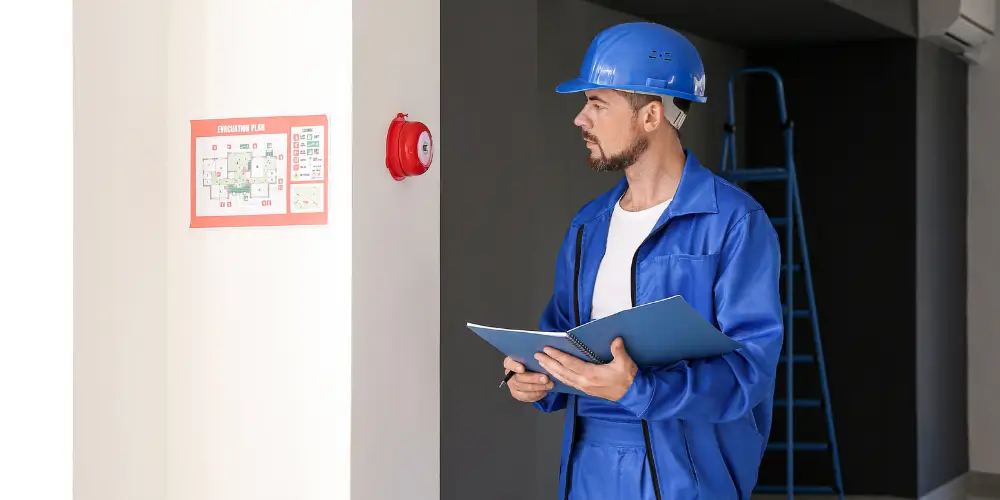
While regular maintenance greatly reduces the risks of false alarms and system failures, there are circumstances when a fire alarm system requires a professional inspection or repair. Recognising these scenarios can help guarantee the safety and effectiveness of your fire safety protocols.
Here are key indicators that professional intervention is necessary:
- Persistent False Alarms: If your system frequently activates without any apparent cause, even after basic troubleshooting, it could indicate underlying issues, such as faulty sensors or wiring problems, that require expert attention.
- System Failures: When parts of the fire alarm system fail to respond during routine tests or actual incidents, this is a critical sign that professional repairs are needed. Components such as smoke detectors, alarm sirens, or control panels might be malfunctioning.
- Outdated Technology: Fire alarm systems that have not been updated or replaced in many years may not meet current safety standards or may be incompatible with newer safety features. A professional can assess whether your system needs an upgrade or a complete replacement to enhance reliability and regulatory compliance.
Contact Landlord Safety Experts for professional inspection.
Frequently Asked Questions
Can Cooking Smoke Permanently Damage Fire Alarm Sensors?
Cooking smoke typically does not permanently damage fire alarm sensors. However, frequent exposure can lead to sensor sensitivity issues, necessitating regular maintenance to guarantee peak functionality and prevent false alarms.
Are There Pet-Friendly Fire Alarms That Reduce False Alarms?
Yes, there are pet-friendly fire alarms designed to minimise false alarms triggered by pets. These devices use advanced sensors that more effectively distinguish between smoke, steam, and common pet-related disturbances.
How Do Seasonal Changes Affect Fire Alarm Sensitivity?
Seasonal changes can impact fire alarm sensitivity due to variations in humidity, temperature, and airborne particles, potentially causing false alarms. Regular maintenance and environmental monitoring can help mitigate these effects and guarantee system reliability.
Is It Safe to Paint Over a Fire Alarm Sensor?
It is not safe to paint over a fire alarm sensor, as this can obstruct its functionality, potentially causing it to fail to detect smoke or fire, thereby compromising the device’s safety and effectiveness.
What Are the Legal Implications of Disabling a Fire Alarm?
Turning off a fire alarm can lead to legal consequences, including fines and potential criminal charges, as it violates safety regulations designed to protect building occupants from fire hazards. Compliance with local laws is essential.
Conclusion
To summarise, the persistent activation of fire alarm systems is often due to a variety of causes, including environmental factors, faulty detectors, and electrical issues. Effective mitigation strategies involve regular maintenance and timely professional inspections. By understanding and addressing why the fire alarm system keeps going off, the reliability of fire alarm systems can be improved.