A boiler dripping water usually signals high system pressure, worn pipe joints or valves, internal component failure, corrosion, or a blocked/frozen condensate pipe. The homeowner should switch off the power, protect the area from water damage, and avoid opening the boiler case. Minor external leaks might be monitored, but signs of corrosion, burning smells, or persistent dripping require an engineer. Understanding the common causes, risks, and basic checks can help them decide the next safe step.
Key Takeaways
- High boiler pressure or faulty pressure relief valves can force water out, causing intermittent dripping.
- Worn or loose pipe joints, seals, and valves often develop small leaks that show as steady drips.
- Internal component failures, such as cracked heat exchangers or pumps, can leak inside the boiler casing.
- Corrosion and rust in older boilers gradually weaken metal parts, leading to persistent water drips.
- Blocked or frozen condensate pipes prevent proper drainage, so condensate backs up and escapes as a drip.
Table of Contents
What To Do Immediately If Your Boiler Is Dripping
When a boiler is dripping, the immediate priority is to stay safe, isolate the problem, and prevent water damage. The user should first switch off electrical power to the boiler at the fused spur or breaker, then turn off the heating controls to stop it firing. If it is easy to reach, the cold-water isolation valve feeding the boiler can be turned off to limit further leakage.
Next, they should protect their home: place a tray, bucket, or towels under the drip, and move belongings, rugs, or extension leads away from the area. If water is tracking along pipes or walls, they can photograph the leak and surrounding damage for future reference.
They should avoid removing boiler casings or tampering with internal components. Once the situation is contained, they can note any boiler error codes and contact a qualified heating professional to diagnose the cause.
Is a Dripping Boiler Dangerous?
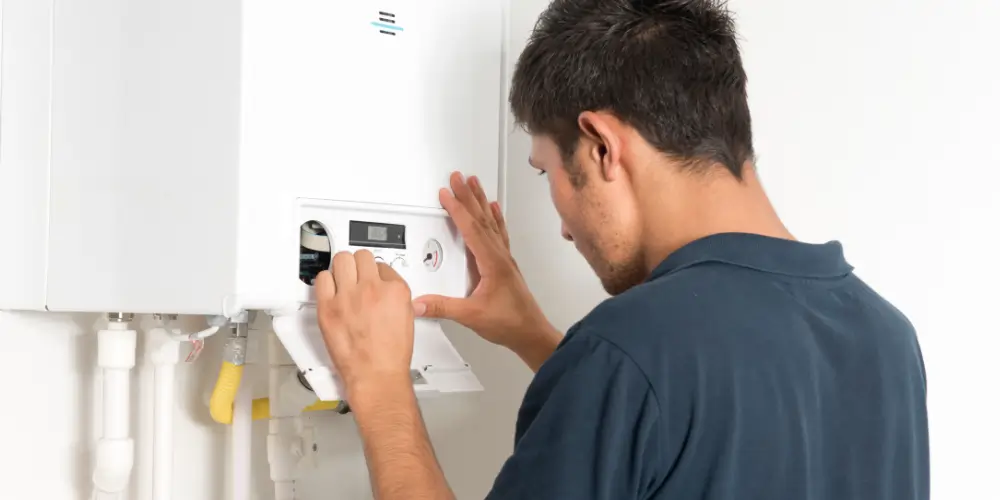
At first glance, a dripping boiler may appear minor, but it can pose several risks if ignored. Even a slow leak signals that pressure, temperature, or key components are not behaving as designed. When left unchecked, that small drip can escalate into a sizeable escape of hot water or steam, undermining both comfort and safety.
Water leaks can corrode metal parts, weaken joints, and compromise electrical components, increasing the chance of failure or short‑circuiting. This undermines the user’s control over their own heating system, turning a tool of independence into a possible liability. In properties with gas boilers, persistent leaks can even distort flues or seals, indirectly increasing the risk of combustion issues.
There is also the practical danger of slippery floors, damaged flooring, and mold growth. In short, a dripping boiler is not an emergency by default, but it is never something to simply tolerate or overlook.
DIY Boiler Leak Checks vs Calling an Engineer
Homeowners facing a dripping boiler often wonder which checks are safe to attempt alone and which require professional attention. A careful visual inspection is generally safe: noting where water appears, checking for obvious loose joints on visible pipework, and confirming that isolation valves are fully open or fully closed.
Wiping dry areas and then watching for fresh moisture can help pinpoint the source without touching internal components.
However, opening the boiler case, tampering with gas components, or altering electrical connections should be ruled out. These actions usually breach regulations, void warranties, and introduce serious safety risks. If the casing, heat exchanger, or internal seals seem suspect, an engineer should be called.
Any sign of burning smells, repeated boiler lockouts, water near electrical parts, or corrosion around the flue is a clear boundary where personal autonomy yields to expertise: a qualified, registered engineer becomes the only responsible option.
High Boiler Pressure as a Cause of Leaks
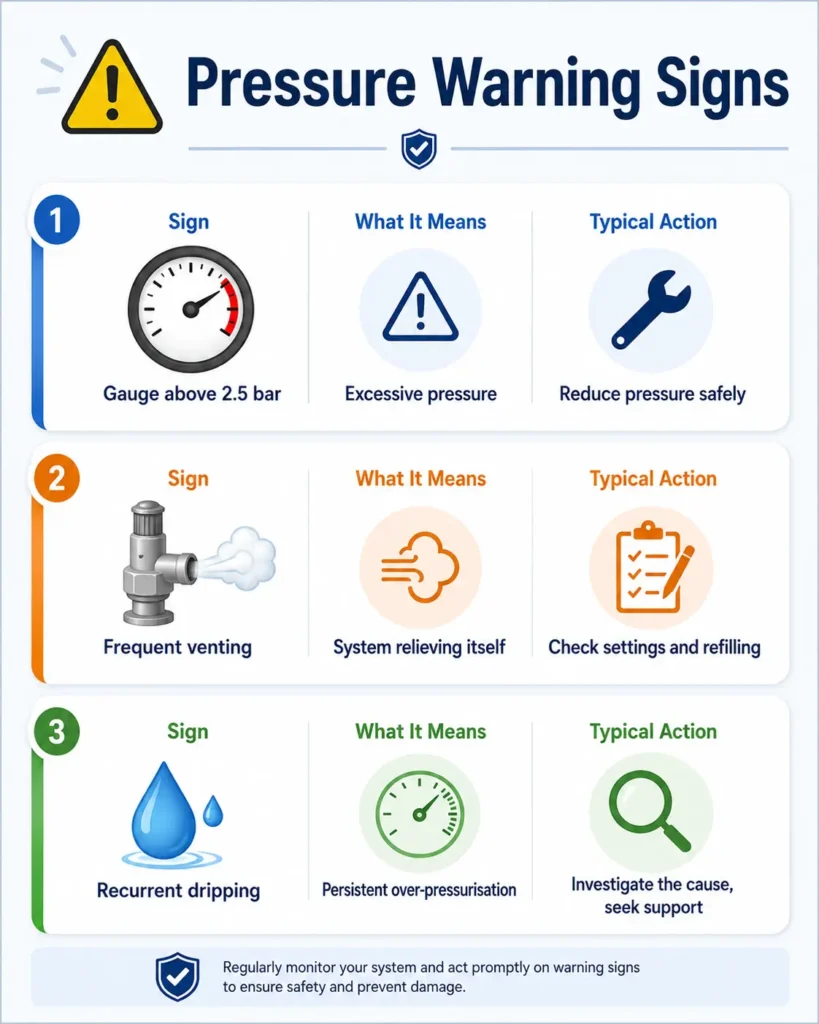
Although a dripping boiler can have several triggers, excessively high system pressure is one of the most common mechanical causes of leaks. When pressure rises above the recommended range, safety components are forced to release water, leading to visible dripping around the boiler casing or discharge pipe. This is not simply an annoyance; it signals that the system is operating outside its comfort zone.
Homeowners who value independence can monitor the pressure gauge themselves. Most domestic boilers operate best around 1.0–1.5 bar when cold. If the dial regularly climbs above 2.5–3.0 bar, the system is under strain and needs attention, such as bleeding radiators or adjusting the filling loop. Check out our detailed blog post on What should a boiler pressure be: Understanding ideal levels for optimal performance.
Leaks From Boiler Pipes, Joints and Valves
Pipework is another frequent source of boiler drips, especially where sections join or connect to valves.
Over time, fittings can loosen, seals perish, and metal threads corrode, allowing water to escape under pressure. Even a slight weep from a compression joint or isolation valve can travel along the pipe and appear far from the real source, confusing anyone trying to regain control of their system.
Visible moisture around unions, elbow joints, and manual or motorised valves usually indicates a failed washer, O‑ring, or olive.
Occasionally, a poorly supported pipe twists slightly as it heats and cools, stressing joints until they give way.
Tightening a compression nut gently with the correct spanner, replacing worn sealing components, or renewing a corroded section of pipe will usually stop the drip. Where multiple joints are damp or corrosion is widespread, a full reassessment of the pipework layout may be the most liberating fix.
Boiler Dripping From the Bottom: Internal Parts to Check
When water seems to be dripping from the bottom of a boiler, the leak often originates from internal components rather than the case itself. What looks like a mysterious pool underneath is usually water tracking down inside panels and exiting at the lowest point, making the true source easy to misread.
Key internal suspects include the heat exchanger, pump, automatic air vent, and pressure‑relief valve connection. A cracked or corroded heat exchanger can weep continuously, while a failing pump seal may leave tell‑tale moisture around the pump body.
An automatic air vent that no longer closes properly can release a slow but persistent drip. Loose unions or degraded fibre washers on internal pipework are another frequent cause, especially on older or repeatedly serviced boilers. Anyone wanting independence from repeated call‑outs should have an engineer identify the exact component, then repair or replace it before corrosion spreads. How Much Is a New Boiler in the UK?
Condensate Pipe Leaks and Frozen Condensate Problems
Even if the boiler itself appears dry, a dripping or overflowing condensate pipe is a common source of mysterious puddles and intermittent shutdowns. In a modern condensing boiler, acidic condensate should drain freely through a plastic pipe to a suitable waste point. When that pipe blocks, splits, or freezes outside, water backs up, and the boiler may lock out, forcing unwanted dependence on emergency call‑outs.
| Issue | Typical Sign | User Response |
| Pipe leak or crack | Constant drip fromthe joint or section | Isolate the boiler, call a heating engineer |
| Blocked condensate trap | Gurgling, slow drain, fault codes | Reset after a professional has cleared |
| Frozen external pipe | Sudden winter shutdown, no heating | Thaw safely, then improve insulation |
To reduce future disruption, householders often choose a larger‑bore condensate pipe, better lagging outdoors, and a fall that keeps water moving freely, supporting reliable heat with fewer constraints.
Corrosion, Rust and Leaks in Older Boilers
While condensate issues tend to plague newer condensing models, a different pattern of trouble often appears in ageing boilers: corrosion, rust, and leaks from metal components that have simply worn out.
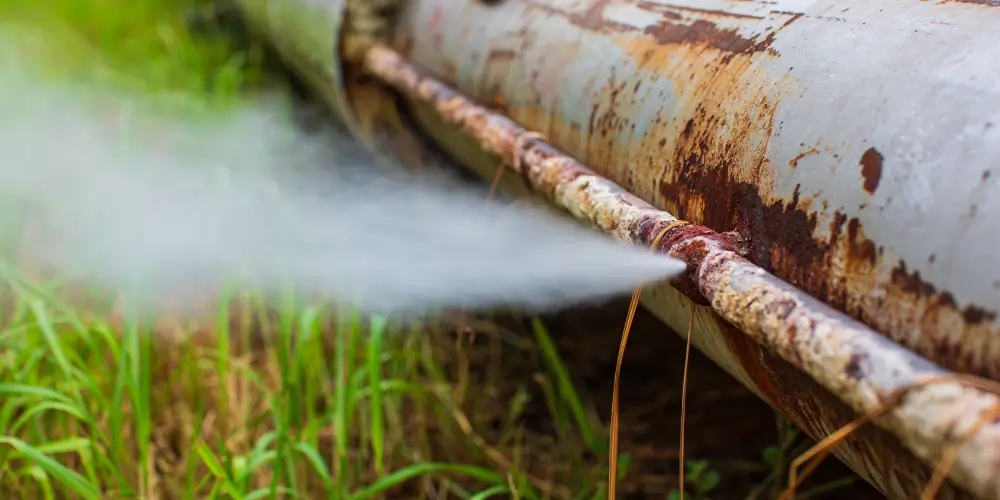
Over time, oxygen in the water and impurities in the system attack steel, cast iron, and copper surfaces. Heat exchangers, pipe joints, and headers can thin, pit, and eventually perforate, allowing water to escape. Rust stains beneath the boiler, orange-brown deposits on pipework, or flaking metal around joints usually signal advancing decay.
Leaks may start as a faint weep that only shows when the system heats up, then progress into a steady drip that undermines pressure and reliability. Once structural metal is compromised, repair options become limited. Patch fixes, sealants, or repeated tightening of fittings can buy a little time, but extensive corrosion often indicates a boiler nearing the end of its safe, dependable service life.
How to Prevent Boiler Leaks in Future
Proactive care is the only reliable way to stop a minor drip from turning into a costly boiler failure. To stay in control, a homeowner schedules an annual service with a qualified engineer, who checks pressure levels, safety valves, expansion vessels, and seals before they deteriorate.
This routine inspection keeps small weaknesses from becoming leaks that dictate unwanted repair deadlines. They also monitor system pressure between visits, topping up only as needed and investigating sudden drops instead of ignoring them.
Bleeding radiators removes trapped air that can strain components and promote internal corrosion. Good water quality further protects their freedom from breakdowns. They may install a magnetic filter or inhibitor to reduce sludge, especially in older systems. Finally, they keep the area around the boiler clear, making it easy to spot early drips and ensuring proper ventilation essential conditions for reliable, low‑stress boiler operation.
Frequently Asked Questions
How Much Does It Typically Cost to Repair a Leaking Boiler in the UK?
It typically costs £100–£400 to repair a leaking boiler in the UK, depending on parts and labour. Simple seal or valve fixes sit low, while heat exchanger or PCB issues push costs toward replacement territory.
Will a Dripping Boiler Affect My Energy Bills or Boiler Efficiency?
Yes, a dripping boiler can quietly erode efficiency and increase energy bills. The system works harder to maintain pressure and temperature, wasting fuel, accelerating wear on components, and limiting the user’s control over cost and comfort.
Can Boiler Leaks Be Covered by Home Insurance or Boiler Cover Plans?
Yes, coverage varies. Some home insurance covers sudden, accidental boiler leaks, excluding wear-and-tear. Boiler cover plans often include repairs, parts, and callouts, but may reject pre-existing faults, poor maintenance, or age‑related deterioration, so policy wording is essential.
How Long Can I Safely Leave a Slightly Dripping Boiler Before Fixing It?
They should treat a dripping boiler as urgent, ideally fixing it within days, not weeks. Even a slight leak can worsen unpredictably, risking system failure, corrosion, electrical hazards, invalidated warranties, and potential insurance disputes.
Are Certain Boiler Brands or Models More Prone to Leaking Than Others?
Yes. Some cheaper or older boiler models leak more due to thinner heat exchangers, weak seals, or poor corrosion protection. However, installation quality, system pressure, and regular maintenance usually matter more than the brand name alone.
Conclusion
A dripping boiler should never be ignored, but many causes are simple to identify and resolve when approached calmly and methodically. By checking pressure, visible pipework, valves, and the condensate system, homeowners can often spot straightforward problems and know when professional help is essential. Addressing leaks promptly protects the system, prevents costly damage, and maintains safety. With regular servicing and preventative care, boiler leaks become less likely, and heating reliability greatly improves.