
Most domestic boiler replacements are completed safely within 1 to 3 days, depending on the boiler type, access, and site conditions. Like‑for‑like combi swaps in accessible locations often finish in a day. System boilers usually take one to two days; conventional systems commonly need two days or more. Extra pipework, radiator changes, flue or ventilation work and asbestos issues add time. Permits, tests and certification affect scheduling. Continue for details on preparation, risks and realistic timelines.
Key Takeaways
- Like-for-like combi boiler replacements in accessible locations often finish in one day with proper planning and no surprises.
- System and conventional boiler upgrades typically take 1 to 3 days due to additional connections and complexity.
- Replacing or rerouting pipework, adding radiators, or a full re-pipe can add several hours to several days.
- Flue relocation, condensate routing, or ventilation changes may add hours and require specialist work.
- Hidden site issues (asbestos, rotted floors, access problems) can halt work until resolved, extending timelines.
Table of Contents
Typical Boiler Installation Timeframes: Same-Day to Multi-Day
When scheduling a new boiler, homeowners can expect installation times to vary widely depending on system complexity and site conditions; a straight like-for-like replacement in a readily accessible location often finishes within a single day, while upgrades that require additional pipework, flue modifications, or radiators can extend the job to two or three days or more. Installers assess access, existing pipe layout, and required permits to plan labour and parts. Clear communication of priorities, minimising downtime or achieving specific efficiency goals allows scheduling flexibility and informed choices. Unexpected issues such as corroded fittings, noncompliant flues, or space constraints commonly add hours or necessitate follow-up visits. Complex projects may involve coordinating electricians, plumbers, and gas-safety checks, which influences total calendar time. Homeowners who value autonomy benefit from concise estimates, contingency allowances, and options for phased work. Reliable installers provide realistic timelines and outline actions to reduce disruption while ensuring safety and code compliance.
Boiler Installation Time by Type (Combi, System, Conventional)
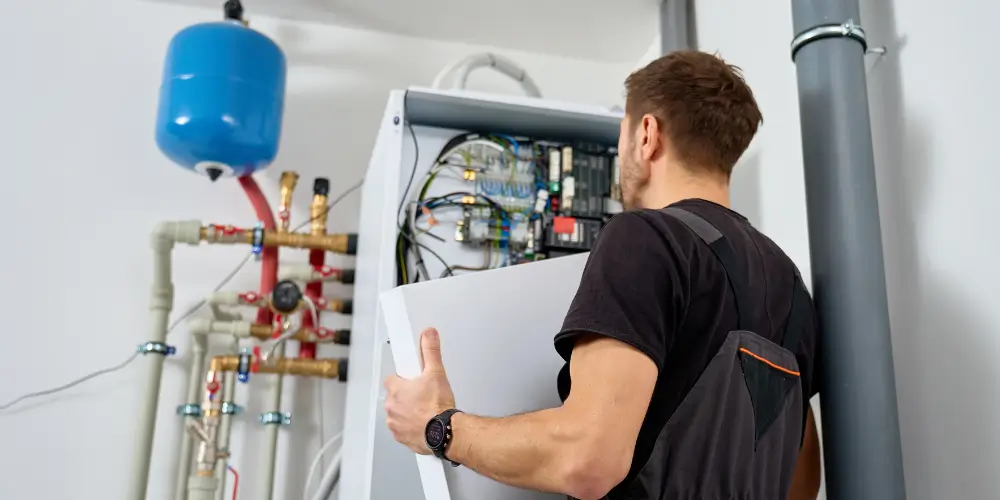
Having outlined typical installation timeframes, attention turns to how boiler type influences labour and scheduling. A combi boiler often requires the least disruption: compact units replace existing combis in a day when pipework and flue positions align. Installers complete testing and certification on the same day, enabling occupants to resume their routines quickly. Know the combi boiler pricing details.
System boilers sit between combi and conventional in complexity; they typically take one to two days due to connections to an unvented hot-water cylinder and slightly more extensive testing. Conventional (heat-only) boilers are generally the most time-consuming, often taking two days or more, due to separate feed and expansion tanks, gravity systems, and potentially more complex flue arrangements. Each type’s timing assumes straightforward access and a like-for-like swap; unexpected discoveries, required permits, or equipment upgrades extend schedules. Providers usually outline expected durations in quotes, allowing homeowners to plan freedom of movement and minimise disruption during the installation window. Check how the boiler installation quality affects its longtime performance.
How Pipework or Radiator Upgrades Change the Timeline
If pipework or radiators require replacement or rerouting, the installation timeline can extend considerably beyond a simple boiler swap. When upgrading pipework or adding radiators, work shifts from a straightforward exchange to a mini-renovation: access, removal, new routing, pressure testing and balancing all add hours or days. Choices that favour autonomy, like installing additional radiators to improve zoning or selecting bespoke pipe routes to minimise visible disruption influence duration. Complexity grows with pipe length, wall chasing, and the need to drain and refill systems. Clear planning and decisive choices speed progress.
| Task | Typical added time |
| Simple radiator swap | 1–3 hours |
| Adding a radiator | 2–6 hours |
| Re-routing pipes (single run) | 4–8 hours |
| Full re-pipe of the section | 1–3 days |
Freedom-minded homeowners who prioritise control over aesthetics should expect variable timelines and plan accordingly.
How Flue, Condensate and Ventilation Work Affects Installation Time
Because flue position, condensate routing and ventilation requirements determine access points and safety checks, they can add significant time to a boiler install. Installers assess flue route: relocating or extending a flue through walls or roofs may require cutting, sealing and weatherproofing, each step consuming hours or a day. External restrictions, like neighbour proximity or obstructions, can lengthen work.
Condensate discharge needs a frost-protected route to a drain or soakaway; creating or adapting that route can involve drilling, fitting new pipework and ensuring fall and insulation, often adding several hours. Ventilation provision whether natural vents, air bricks or mechanical systems must meet combustion air needs; adding vents or modifying cupboards impacts structural fabric and requires careful measurement and installation.
Together, these tasks influence scheduling, specialist trades and material needs. When flue, condensate and ventilation are straightforward, a standard install proceeds quickly; when complex, expect additional days and coordinated planning to keep the outcome safe and compliant.
Permits, Safety Checks and Certification Timelines
While the physical work of fitting a boiler is often visible, the unseen administrative and safety steps permits, mandatory inspections and certification determine when the system can be commissioned and used. The process includes permit applications, interim safety checks and final certification by a qualified engineer or authority. Timelines vary by jurisdiction, but typically add days to weeks; prompt paperwork and clear access shorten delays. Freedom-minded owners benefit from understanding checkpoints to schedule confidently and avoid surprises.
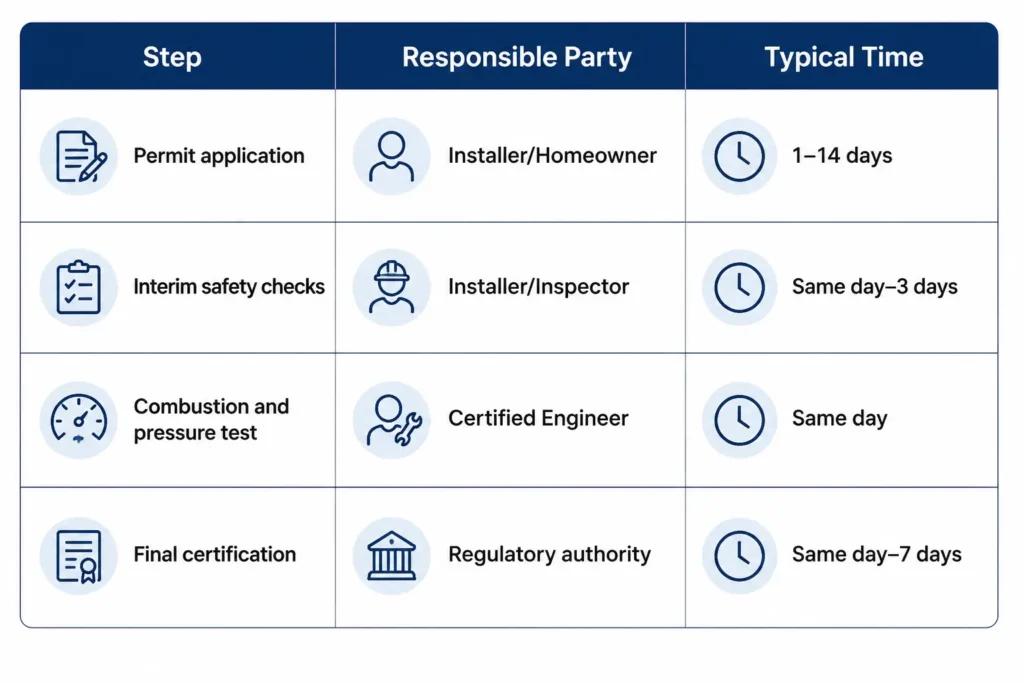
Clear records, timely responses and choosing accredited installers compress timelines. Certification finalises legal operation; without it, the boiler must remain off until compliance is confirmed.
Access, Asbestos and Other Site Issues That Cause Delays
Alongside paperwork and inspections, physical site conditions frequently determine whether a boiler installation proceeds on schedule. Restricted access, narrow staircases or rooftops, and limited parking for delivery vehicles can add hours or days as installers manoeuvre equipment. Clear routes and suitable lifting points reduce labour and downtime.
Hidden hazards, particularly asbestos in older buildings, halt work immediately until licensed removal or containment is arranged. Testing and abatement introduce mandated waiting periods and coordination with specialists; installers cannot resume until safe clearance certificates are issued. Other surprises, such as rotted floorboards, outdated gas or electrical connections, and damp or vermin damage, require remedial trades before commissioning.
Site security and occupant schedules also shape timelines: installers adjust to privacy needs and restricted working hours, which can extend projects. Effective advance surveys mitigate these risks by identifying constraints early. When freedom to act on time is important, proactive site assessment and contingency planning minimize the chance that access, asbestos, or other site issues will delay completion.
How to Prepare Your Home to Speed Up Installation
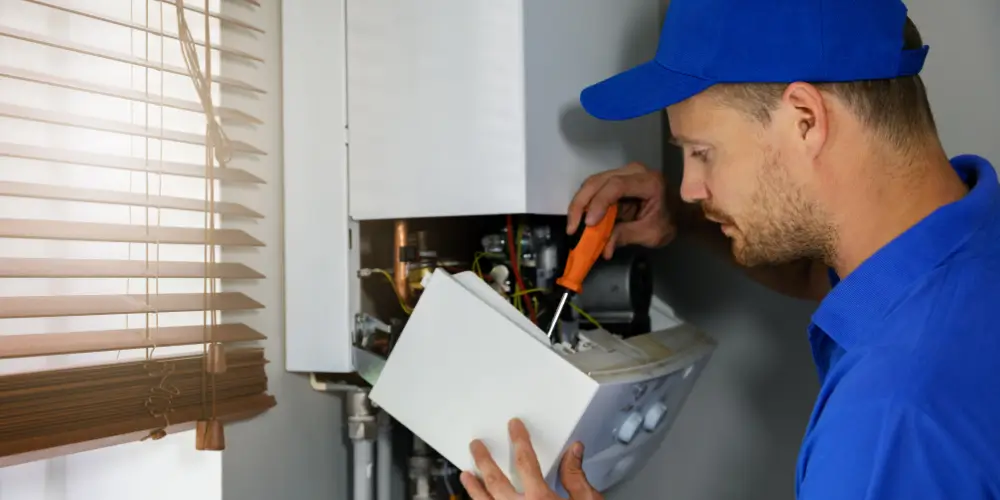
Prepare the space ahead of the installer’s arrival to reduce delays and costs: clear access routes to the boiler location, create a safe working area by moving furniture and fragile items, and guarantee parking or unloading space is available for delivery vehicles. The homeowner who values autonomy will benefit from simple, decisive actions that let technicians work efficiently and finish sooner. Clear basements, hallways, and loft ladders; label keys or switchboards; isolate pets; and make sure lighting and power points are accessible. Minimal interference preserves freedom of schedule and reduces unexpected hold-ups.
- Photograph the existing boiler and pipework to show condition and routing.
- Move boxes and cover nearby belongings to protect them from dust.
- Keep a clear path from the driveway to the installation point for tools and panels.
- Unplug nearby appliances and mark meters or isolation valves for quick shutoff.
These steps speed installation while keeping the homeowner in control of timing and outcomes.
Key Questions to Ask Installers to Confirm Realistic Timelines
Which questions will reveal a realistic schedule? A list of targeted questions helps guarantee installers provide reliable timelines and respect a homeowner’s desire for autonomy. The first asks for a step‑by‑step timeline: arrival, removal, installation, testing, and expected completion. Next, inquire about factors that could extend the job parts availability, access constraints, or unexpected repairs and how those contingencies are handled. Ask whether the quoted timeline is guaranteed and if there are penalties or compensation for delays. Confirm who coordinates permits, inspections, and any third‑party trades, plus realistic windows for those dependencies. Request references for projects of similar scope and ask how often the installer communicates progress and changes. Finally, clarify working hours and weekend options to align with personal schedules. These precise questions empower decision‑making, reduce surprises, and help secure a timeline that supports independence and control over the home upgrade process.
Frequently Asked Questions
Will Installing a Smart Thermostat Extend the Boiler Fitting Time?
Yes, adding a smart thermostat can slightly extend boiler fitting time. The installer will need to configure wiring, pair devices, and test controls, but the modest extra duration supports greater autonomy and efficient, personalized heating management.
Can I Reuse My Old Boiler’s Warranty With a New Installation?
No, the old boiler’s warranty typically cannot be reused after a new installation. The owner should confirm with the manufacturer, retain proof of purchase and installer certification, and consider registering a new warranty promptly to preserve rights.
How Soon Can I Get Boiler Parts if the Model Is Discontinued?
Parts availability varies; they might obtain discontinued boiler components within days to weeks via specialist suppliers or salvage networks, though some items require months or are unobtainable, prompting independent replacement or adaptable retrofit solutions.
Will Fitting a New Boiler Affect My Home Insurance Coverage Immediately?
No, fitting a new boiler won’t automatically void coverage. The homeowner should notify the insurer promptly, provide installation details and certification. Failure to provide required information or documents could jeopardize future claims or terms.
Are Temporary Heating Options Provided During Longer Installations?
Yes. Installers sometimes supply temporary heaters or portable radiators, and may offer electric boost heaters or hot water cylinders. Contractors vary; the homeowner should confirm availability, costs, and safety checks before work begins.
Conclusion
In conclusion, fitting a new boiler safely can take anywhere from a few hours for like‑for‑like swaps to several days when changing the boiler type, upgrading pipework, or addressing flues, condensate, ventilation, permits, asbestos, or access issues. Realistic timelines depend on site specifics, required safety checks and certification. Homeowners who prepare access, ask installers the right questions, and allow inspections minimize delays and ensure the installation meets regulations and delivers reliable, safe heating.