
How long does a boiler last? The lifespan of a boiler typically ranges from 10 years, influenced by factors such as boiler type, installation quality, and the frequency and quality of maintenance. Types like condensing and conventional boilers can last up to 15-20 years, while combi and system boilers may have slightly shorter lifespans. Regular professional servicing, managing boiler pressure, and ensuring correct installation are essential for maximising a boiler’s efficiency and longevity. Furthermore, understanding the signs of boiler deterioration is key to timely replacements and can prevent escalating costs. Exploring further can reveal additional insights into optimising boiler performance for longevity.
Key Takeaways
- Boilers typically have a lifespan ranging from 10 to 20 years, depending on the type and brand.
- Regular maintenance and servicing can significantly extend a boiler’s lifespan and maintain its efficiency.
- Installation quality, performed by accredited professionals, is crucial to a boiler’s longevity and safety.
- Environmental factors, such as water hardness, influence the condition and durability of boilers.
- Frequency of use, proper boiler pressure management, and radiator maintenance also affect longevity.
Table of Contents
What Is the Average Lifespan of a Boiler in the UK?
Typically expected to last between 10 and 15 years, the average lifespan of a boiler in the UK can vary considerably depending on factors such as brand, type, and maintenance frequency. High-quality brands often guarantee longer durability, while the type of boiler, be it combi, conventional, or system, also plays a vital role in its longevity. Regular maintenance is the most important factor; boilers serviced annually by certified professionals last longer than those that are not.
Moreover, the quality of installation can greatly influence a boiler’s lifespan. Properly installed boilers by accredited engineers guarantee peak operation and reduced wear and tear over time. Environmental factors, such as water hardness in an area, can also affect the boiler’s condition. Hard water can lead to faster limescale buildup, which can impair boiler efficiency and shorten its lifespan.
How Do You Know When Your Boiler Needs Replacing?
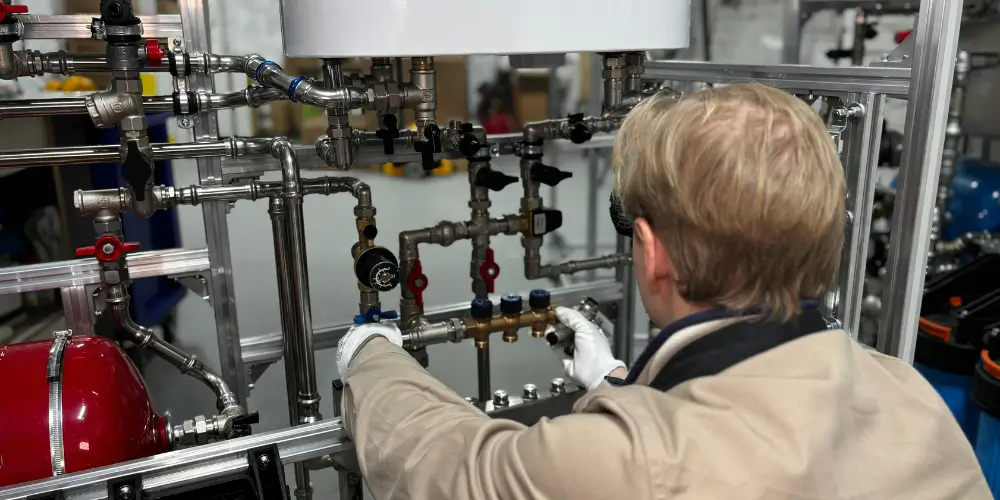
Many homeowners may wonder when to replace their boiler as it ages. Recognising the signs that your boiler is nearing the end of its life can help you avoid unexpected breakdowns and costly repairs. One clear indicator is the boiler’s age. Most boilers have a lifespan of 10 to 15 years; if yours is approaching or has surpassed this range, it might be time to contemplate a replacement.
Frequent breakdowns are another significant sign. If you find yourself constantly contacting a technician for repairs, the costs can quickly add up, making it economically sensible to invest in a new unit. Additionally, an increase in your energy bills can indicate that your boiler’s efficiency is declining. Boilers often lose their efficiency as they age, working harder and using more energy to produce the same amount of heat.
Noises such as banging, clanking, or whirring can indicate internal issues, such as loose or worn-out parts. Finally, if you notice some rooms heating unevenly or not at all, it could be a sign of a deteriorating boiler that struggles to distribute heat evenly throughout your home.
Which boiler lasts the longest?
Understanding the factors that affect a boiler’s lifespan can naturally lead homeowners to question which types of boilers are most durable. Generally, the longevity of a boiler depends on its type, installation quality, usage patterns, and maintenance schedule. However, certain types of boilers are renowned for their long service life.
| Boiler Type | Average Lifespan | Notable Features |
| Condensing | 15-20 years | High efficiency, lower fuel costs |
| Combi | 12-15 years | Compact, no need for a hot water tank |
| System | 10-15 years | Works well in areas with low water pressure |
Among these, condensing boilers are often considered the most durable because they recover heat that would otherwise be lost in non-condensing boilers. This not only prolongs their lifespan but also reduces operating costs.
How Regular Servicing Impacts Your Boiler’s Longevity
Regular servicing is essential for maximising your boiler’s longevity. Overlooking this significant aspect can lead to reduced efficiency and, ultimately, premature system failure. Scheduled maintenance checks by a certified professional not only guarantee operational safety but also extend the life of your boiler by several years.
Here are four key reasons why regular servicing is necessary:
- Detection of Minor Issues: Early identification of small problems prevents them from escalating into major, costly repairs. Technicians can replace worn-out parts and make adjustments to improve performance.
- Efficiency Optimisation: Regular cleaning and inspection of the boiler guarantees it operates at peak efficiency. This reduces energy consumption, which not only lowers your bills but also minimises wear and tear on the boiler’s components.
- Safety Checks: Servicing includes safety inspections to detect leaks or blockages that can pose serious risks, including carbon monoxide poisoning and explosions.
- Compliance with Warranty Requirements: Many manufacturers require regular servicing as a condition of the warranty. Failing to adhere to these terms can void the warranty, leaving you without coverage for parts and labour.
A regular servicing schedule is a proactive measure that safeguards both the efficiency and longevity of your boiler.
Gas vs Electric Boilers: Which Lasts Longer?
Choosing between a gas and an electric model can affect the model’s operational lifespan. Gas boilers are traditionally favoured for their efficiency and lower operating costs, particularly in areas where gas is relatively inexpensive. Typically, a well-maintained gas boiler can last between 10 and 15 years. They do, however, require more frequent maintenance than their electric counterparts to ensure safety and efficiency, including inspections of gas lines and combustion components. Check how British gas boiler maintenance and servicing can increase safety.
Electric boilers, on the other hand, tend to have a longer lifespan, often lasting 15 years or more. This longevity is largely due to fewer moving parts and the absence of combustion, both of which greatly reduce wear and tear. Electric boilers are also generally easier to maintain, requiring less frequent checks than gas boilers. The trade-off, however, is the higher electricity costs in many regions, which can affect overall cost-effectiveness over the boiler’s lifetime.
Deciding between a gas and an electric boiler will depend not only on initial installation and maintenance considerations but also on long-term operating costs and the unit’s expected lifespan.
How Boiler Installation Quality Affects Its Long-Term Performance
How does the quality of boiler installation impact its long-term performance? Proper installation is a key factor for maximising the lifespan and efficiency of a boiler. An expertly installed boiler not only operates more efficiently but also experiences fewer breakdowns, leading to prolonged operational life and reduced maintenance costs. Here are key factors that highlight the importance of quality installation:
- Correct Sizing: Confirming that the boiler is correctly sized for the property is essential. An undersized boiler works harder to meet the heating demands, which can lead to premature wear and tear.
- Proper Configuration: The system’s configuration, including the placement of pipes and radiators, affects heat distribution and overall efficiency. Incorrect configuration can lead to uneven heating and increased stress on the boiler.
- Ideal Ventilation: Adequate ventilation is vital for the safe operation of a boiler. Improper ventilation can lead to overheating and potentially dangerous situations, such as carbon monoxide buildup.
- Compliance with Regulations: Adhering to local building codes and manufacturers’ instructions ensures the installation meets safety standards and helps prevent legal and operational issues down the line.
Investing in professional installation is essential for ideal boiler performance and longevity.
Is It Worth Fixing Your Old Boiler or Replacing It
Deciding whether to repair or replace an old boiler is a critical financial and operational consideration for any homeowner. This decision can be influenced by several factors, including the boiler’s age, repair costs, and potential savings from a new, more efficient model.
When evaluating whether to fix or replace your boiler, consider the following table, which outlines key aspects to help guide your decision:
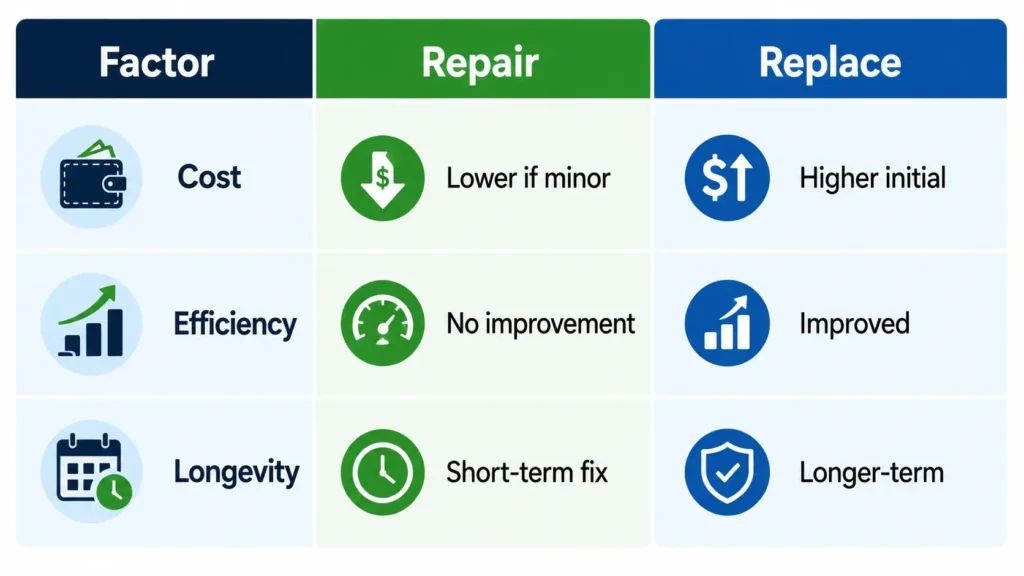
Repairing an old boiler might be a cost-effective short-term solution, especially if the issues are minor and the boiler’s performance remains adequate. However, for an ageing boiler that requires frequent repairs or operates inefficiently, replacement might be more economically sensible in the long run. A new boiler not only offers better efficiency, which translates into energy savings, but also comes with newer technology and warranty options, providing peace of mind and potential cost savings on future repairs. Consider these factors carefully to make you understand “how long does a boiler last?“
How to Make Your Boiler Live Longer?
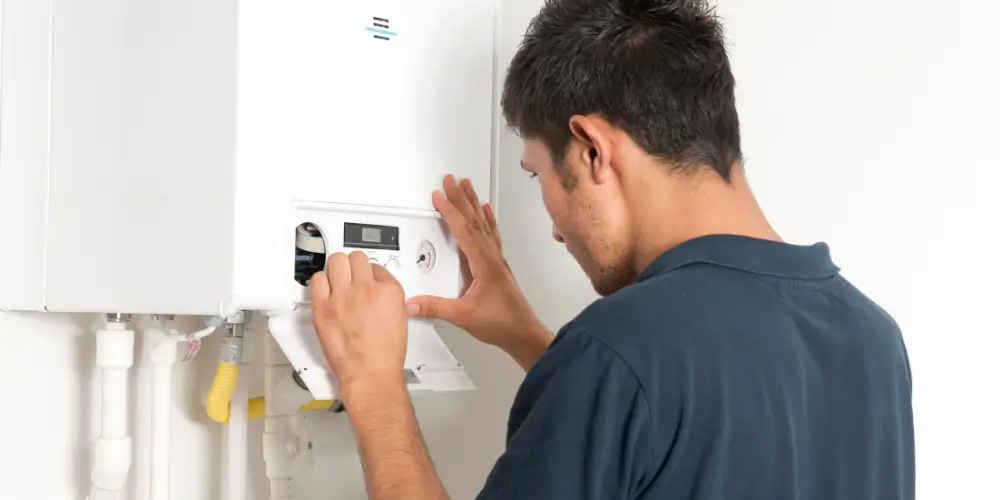
To extend your boiler’s lifespan, regular maintenance is paramount. Annual servicing by a qualified technician guarantees ideal performance and identifies potential issues before they escalate. Furthermore, maintaining the correct water pressure and installing a magnetic filter can greatly reduce wear and tear, assuring your boiler operates efficiently for years to come.
Annual Servicing
Here are four key tasks typically performed during an annual boiler service:
- Inspection of Components: The technician will check all critical components, including the heat exchanger, burner, and ignition system, for signs of wear or damage.
- Cleaning: Accumulation of dirt and debris is common in boiler systems. A thorough cleaning helps maintain efficiency and functionality.
- Performance Testing: This involves checking the boiler’s operation to confirm it meets safety and efficiency standards. The technician will adjust settings if necessary to enhance performance.
- Identification and Replacement of Faulty Parts: Any worn-out or malfunctioning parts are identified and replaced during servicing to prevent further damage and maintain peak performance.
Regular servicing not only enhances your boiler’s performance and safety but also ensures compliance with warranty requirements and local safety regulations.
Keeping the Pressure Right
To help manage and monitor your boiler’s pressure, it’s wise to understand what affects these levels and how to adjust them. Below is a table that outlines key actions, their purposes, and outcomes:
| Action | Purpose | Outcome | |
| Checking the Gauge | Monitor pressure levels | Guarantees that pressure is within safe limits | |
| Bleeding Radiators | Remove air buildup | Stabilises pressure (avoid in this topic) | |
| Adding Water | Increase low pressure | Restores ideal pressure range | |
| Releasing Water | Decrease high pressure | Prevents pressure overload |
Learn: What Should A Boiler Pressure Be: Understanding Ideal Levels for Optimal Performance.
Radiators
Here are some key maintenance tips:
- Bleed Your Radiators Regularly: Trapped air in radiators can cause cold spots, forcing your boiler to work harder to heat your home. Bleeding your radiators removes this air, improving efficiency.
- Balance the Radiators: This process involves adjusting the valves on each radiator to ensure an even distribution of heat throughout the space. An unbalanced system can cause some rooms to be too hot or too cold, which in turn makes your boiler work harder.
- Clean Radiators Often: Dust and debris can accumulate on and inside radiators, insulating heat and reducing their efficiency. Regular cleaning helps maintain effective heat output.
- Inspect for Leaks and Corrosion**: Even small leaks or corrosion can impact the effectiveness of your heating system. Regular checks can prevent minor issues from becoming major problems that strain your boiler.
Fitting a Magnetic Filter
Installing a magnetic filter in your boiler system is an effective way to prolong its lifespan. These filters are designed to capture magnetic debris, such as iron and steel particles, often present in the water circulating through the system. By trapping these particles, the filter prevents them from causing internal damage or blockages within the boiler and its connected radiators.
Magnetic filters are particularly beneficial for older or frequently used systems, as they are more prone to accumulating metallic debris. Installing a magnetic filter can reduce maintenance costs and extend the heating system’s overall efficiency. Over time, this not only preserves the boiler’s integrity but also ensures consistent performance and heat distribution.
keeping an eye on small issues
Regular monitoring for minor anomalies in your boiler system is essential to extend its operational life. Small issues can swiftly become major problems if left unchecked, leading to expensive repairs or even premature boiler replacement. Here are four critical aspects to watch for:
- Unusual Noises: Listen for any strange sounds like banging, whistling, or gurgling. These noises often indicate issues such as kettling, trapped air, or a failing pump.
- Water Leaks: Even minor leaks can lead to significant damage over time. Regularly inspect your boiler and surrounding pipes for any signs of leakage. Understand Why Is My Boiler Dripping Water: Common Causes and Fixes.
- Fluctuating Pressure: Keep an eye on the boiler’s pressure gauge. Pressure that’s too high or too low can stress your boiler’s components and affect its efficiency.
- Erratic Heating: If your radiators are not heating up as expected or you notice uneven heating in your home, it could be a sign of circulation problems or blockages within the boiler system.
Addressing these issues promptly not only helps maintain boiler efficiency but also prolongs the system’s lifespan, ensuring peak performance for as long as possible.
Frequently Asked Questions
Can Weather Conditions Affect a Boiler’s Lifespan?
Yes, weather conditions can substantially affect a boiler’s lifespan. Extreme temperatures, humidity, and exposure to the elements can increase wear and tear, potentially reducing the boiler’s operational life.
Do Boilers Have Any Environmental Impact?
Boilers can significantly impact the environment by emitting carbon dioxide and other pollutants, contributing to air quality degradation and global warming, especially when fueled by non-renewable energy sources such as natural gas or oil.
Are There Any Government Grants for Replacing Old Boilers?
Yes, various government grants are available to replace old boilers, promoting energy efficiency and reducing emissions. Eligibility and availability can vary by location, so it’s advisable to check local government resources for specific information.
How Does Water Quality Influence Boiler Longevity?
Water quality considerably affects boiler longevity. High mineral content can cause scaling and corrosion, reducing efficiency and lifespan. Regular maintenance and water treatment are essential to mitigate these effects and prolong boiler functionality.
What Are the Safety Risks of an Aging Boiler?
Aging boilers pose increased safety risks, including carbon monoxide leaks, fire hazards, and pressure-related explosions. Regular maintenance and timely inspections are critical to mitigate these risks and guarantee safe operating conditions.
Conclusion
To summarise, how long does a boiler last? The lifespan of a boiler is influenced by several factors, including the type of boiler, the quality of installation, regular maintenance, and whether it is gas- or electric-powered. Understanding these elements can greatly contribute to extending a boiler’s operational life. Ultimately, making informed decisions about maintenance, timely replacements, and whether to repair or replace can optimise both performance and cost-effectiveness in residential heating systems.