
What Is a Fire Door? A fire door is a purpose-built barrier that resists fire and smoke to protect escape routes and buy time for evacuation. It combines a fire-resistant core, fitted frame, intumescent and smoke seals, certified hardware, and optional fire-rated glazing to maintain compartmentation. UK ratings like FD30 and FD60 guide selection, while correct installation, functioning closers, and gap tolerances guarantee performance. Legal duties and regular inspections fall to owners and managers, and further detail on maintenance, repairs, and compliance follows.
Key Takeaways
- Fire doors are certified assemblies designed to resist fire and smoke, maintaining compartmentation to protect escape routes.
- UK ratings like FD30 and FD60 indicate minutes of fire resistance, guiding appropriate selection for building type.
- Essential components include a fire-rated core, intumescent and smoke seals, certified hardware, and self-closing devices.
- Legal duties (landlords, building managers) require risk assessments, regular inspections, and maintenance records under UK fire safety law.
- Repair minor defects promptly; replace if certification is missing, structure compromised, or performance cannot be restored.
Table of Contents
What Is a Fire Door? How It Stops Fire and Smoke
A fire door is a specially constructed, fitted, and often rated door assembly designed to resist the passage of fire and smoke for a specified period, using materials such as steel, solid timber cores, intumescent seals, and fire-rated glazing; it functions by maintaining compartmentation, slowing heat transfer, and sealing gaps to preserve escape routes and limit property damage. It separates spaces to contain fire, allowing occupants to move freely and decisively toward exits without premature exposure to flames or toxic smoke.
What Is a Fire Door? Components frames, closers, hinges, and seals work together to guarantee the barrier performs under heat and pressure. Intumescent strips expand to close gaps when temperatures rise; fire-rated glazing preserves sightlines while resisting thermal stress. Correct installation and undisturbed hardware sustain effectiveness; holes, poor fitting, or removed seals compromise protection and liberty of movement. Regular inspection and prompt repair maintain the door’s intended function, supporting both personal safety and the broader right to live and act without undue restriction from preventable hazards. Explore the purpose of a fire door in homes and workplaces by reading our blog What is the Purpose of a Fire Door? Essential Fire Safety for Homes and Workplaces.
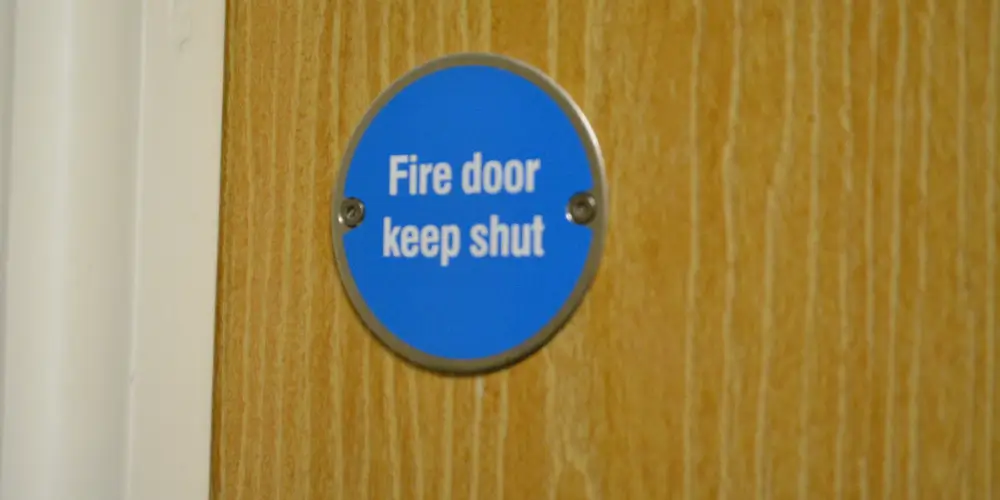
Fire-Door Ratings in the UK: FD30, FD60 Explained
Fire-door ratings in the UK, commonly expressed as FD30 and FD60, indicate how long a door assembly will resist fire and smoke under test conditions: 30 minutes and 60 minutes, respectively, providing a standardised measure for specifying doors in different building uses and risk scenarios. The ratings guide selection according to compartmentation needs, escape routes and legal requirements, allowing property owners to choose protection aligned with occupancy and freedom of use. FD30 suits many domestic and low-risk applications; FD60 is for higher-risk or multi-occupancy buildings. Certification confirms performance; installation and maintenance preserve it. Labels and documentation must be checked during procurement and inspections.
| Rating | Typical application |
| FD30 | Private dwellings, flats |
| FD30S | Doors with smoke control |
| FD60 | HMOs, stairwells |
| FD60S | Enhanced smoke resistance |
Decisions should balance regulatory compliance, practical use and the responsibility to maintain fire safety over time.
Fire-Door Components: Cores, Glazing, Seals and Hardware
Construction of a fire door relies on the coordinated performance of its core, glazing, seals and hardware, each component engineered to limit heat transfer, prevent smoke spread and preserve structural integrity during a fire. The core often timber, mineral, or composite provides the principal resistance to fire, chosen for predictable charring and insulation. Glazing, where present, uses fire-rated glass and glazing systems that maintain integrity without sacrificing visibility or a sense of openness. Intumescent and smoke seals expand or compress to close gaps, preserving compartmentation and enabling safe egress. Hardware must be certified and fitted correctly: hinges, locks, closers and latches affect performance and user freedom.
- Core selection: material, thickness, rated duration.
- Glazing & framing: rated glass, correct beads and packers.
- Seals & hardware: intumescent strips, smoke seals, certified ironmongery.
Together these elements allow occupants autonomy in movement while ensuring the door fulfils its protective role when needed. Check our blog post How Thick Are Fire Doors? A Complete UK Guide to Fire Door Sizes and Standards.
Spotting Compliant Fire Doors: A Quick On-Site Checklist
Several clear checks let an inspector quickly determine whether a door assembly is likely to perform as rated: visual certification labels, intact intumescent seals, correct hinges and latches, and gap measurements. The inspector notes label legibility, damage, gaps under and around the door (typically < 4 mm sides, < 8 mm bottom depending on spec), continuous seals, and functioning self-closer. Evidence of unauthorised drilling, missing smoke seals, or mismatched hardware flags non-compliance. Records of maintenance and recent test dates support confidence. This concise checklist empowers occupants and owners to demand compliant doors that protect life and allow independence.
| Checkpoint | Pass/Fail | Emotional cue |
| Certification label present | Relief | |
| Intumescent seals intact | Assurance | |
| Self-closer works | Confidence | |
| Gaps within tolerance | Security | |
| No unauthorised alterations | Trust |
Correct Installation and Common Fitting Mistakes to Avoid
When fitted correctly, a certified fire door assembly reliably restricts smoke and flame, but improper installation undermines its tested performance. Installation must follow the manufacturer’s instructions and relevant UK guidance; deviations negate the door’s certified resistance. Installers should guarantee correct frame type, certified ironmongery, intumescent strips and smoke seals, and appropriate clearances.
- Incorrect frame or gap sizes: Excessive gaps, uneven rebates or wrong stops compromise seals and allow passage of smoke and heat.
- Unsuitable hardware: Non‑certified hinges, latches or closer adjustments that alter closing speed or fail to engage fully void tested performance.
- Poor sealing and finishing: Missing or damaged intumescent material, rough cut-outs for pipework, or paint over seals prevent expansion and sealing under heat.
Adherence to certification, professional fitting by competent persons, and accurate documentation preserve the door’s function and the occupants’ freedom to rely on escape routes.
Routine Checks and DIY Maintenance Schedule (Weekly to Annual)
Establishes a simple, regular inspection routine to confirm fire doors remain effective between professional checks. Weekly visual checks verify hinges are secure, gaps are clear, and seals are intact; doors must close fully without sticking. Monthly checks test self-closing devices and affirm latches engage; any unusual noise or delay is noted. Quarterly inspections focus on smoke seals, intumescent strips and visible frame condition; replace compressed or damaged seals promptly. Biannual checks include hinge wear, threshold condition and hardware torque; tighten or replace components as needed.
Annual DIY review mirrors professional checkpoints: full operability, alignment, signage legibility and absence of unauthorized alterations. Maintain a concise log recording dates, findings and actions taken to support freedom of choice and clear decision-making. If issues beyond straightforward repairs appear, schedule a professional assessment. Routine care preserves performance, reduces risk and keeps occupants free from unnecessary constraint caused by neglected doors.

UK Legal Duties for Homeowners, Landlords and Building Managers
Although legal responsibilities vary by context and tenure, homeowners, landlords and building managers in the UK each carry specific duties to confirm fire doors are fit for purpose, maintained and not altered in ways that compromise performance. The law focuses on safety outcomes: risk assessment, adequate provision of fire-resisting doors where required, and ongoing maintenance to preserve their protective function. Duties differ by role: homeowners should confirm doors in shared escape routes remain effective; landlords must comply with Housing Health and Safety Rating System standards and rental regulations; building managers of multi-occupancy or commercial premises answer to the Regulatory Reform (Fire Safety) Order 2005.
- Conduct and act on fire risk assessments, identifying where fire doors are required and confirming they are functional.
- Prevent unauthorised modifications; any changes affecting integrity or signage require competent approval.
- Maintain records of inspections, repairs and contractor competence to demonstrate compliance and preserve residents’ freedom to rely on safe escape routes.
Compliance balances legal duty with occupants’ right to safe, unobstructed egress. Here you will get the details of legal requirements: Are Fire Doors A Legal Requirement For Landlords?
Repair vs Replace: Signs, Costs and Choosing a Certified Supplier
How should one decide whether a fire door needs repair or full replacement? A practical assessment begins with inspecting core components: door leaf integrity, frame condition, intumescent strips, smoke seals, hinges and hardware, and the presence of manufacturer’s certification. Minor surface damage, failed seals or isolated hinge wear often warrant certified repair. Structural warping, deep charring, compromised edges or missing certification typically require full replacement to restore proven performance.
Costs vary: simple repairs and strip replacements are low-to-moderate; recertification or bespoke parts raise expense; full replacement incurs higher upfront cost but restores warranty and compliance. Choose a certified supplier accredited by recognised bodies (e.g., BWF-CERTIFIRE), who provides documented scope of work, test evidence and guarantees. Freedom-focused occupants should prioritise transparent quotes, visible credentials and written confirmation of continued compliance. Regular maintenance records reduce uncertainty and empower confident, compliant choices between repair and replacement. Every one must know Who Is Responsible for Fire Door Certification? A UK Compliance Guide.
Frequently Asked Questions
Can Fire Doors Be Decorated or Painted With Any Kind of Paint?
Yes. They may be painted or decorated, provided the finishes are compatible with fire‑door coatings, do not obscure labeling or seals, and alterations follow manufacturer guidance and regulations; they must preserve fire performance and legal compliance.
Do Internal Flat Entrance Doors Require the Same Fire Rating?
No internal flat entrance doors do not always require the same fire rating; regulations typically demand specific fire-resisting doors for communal routes and flats’ entrance doors, yet freedom-minded owners can choose compliant alternatives where permitted.
How Do Fire Doors Affect Sound Insulation Between Rooms?
Fire doors improve sound insulation by sealing gaps, adding mass, and using acoustic cores; they reduce airborne noise but can transmit flanking and structure-borne sound unless seals, thresholds, and mounting are freedom-friendly optimised for performance.
Are Magnetic Hold-Open Devices Legally Permitted in Communal Areas?
Yes, magnetic hold-open devices are permitted in communal areas if installed and maintained to fire safety regulations, fail-safe on alarm, and comply with relevant standards; residents value autonomy, but legal compliance and documentation remain mandatory.
What Documentation Should I Keep After Fire-Door Repairs?
They should retain completion certificates, repair invoices, parts specifications, test reports, risk assessments, updated asset registers, photographic evidence, warranty documents, and maintenance schedules. These records enable transparency, future freedom of choice, and legal compliance.
Conclusion
What Is a Fire Door? A fire door is an essential life‑safety component, designed and rated to slow the spread of fire and smoke for specified periods. Correct specification, certified components, proper installation and routine inspection maintain performance. Occupiers, landlords and managers share legal duties to guarantee doors remain fit for purpose; minor faults may be repaired, but significant damage usually requires replacement by a certified supplier. Regular maintenance, timely action on defects and documented checks protect property and save lives.