
What Are L1, L2 and L3 Fire Alarm Systems? L1, L2, and L3 fire alarm systems define levels of fire safety in the UK. L1 systems offer the highest protection with extensive automatic detection, suitable for high-risk areas like hospitals. L2 systems provide enhanced detection for medium-risk environments, focusing on specific high-risk zones. L3 systems target lower-risk areas, ensuring basic coverage. Selecting the appropriate system is essential for safety compliance and effective emergency response. There are further insights into choosing the right system and its requirements.
Key Takeaways
- L1 systems offer the highest protection with extensive automatic detection, ideal for high-risk areas like hospitals and shopping malls.
- L2 systems provide substantial detection for medium-risk environments, focusing on specific high-risk zones without extensive coverage.
- L3 systems are designed for lower-risk areas, protecting common spaces and ensuring timely notifications without comprehensive detection.
- Selecting the appropriate system depends on property type, occupancy levels, and local regulations to meet safety needs.
- Regular maintenance and user training are essential for ensuring the effectiveness and reliability of fire alarm systems.
Table of Contents
What Are L1, L2 and L3 Fire Alarm Systems?
Fire alarm systems are critical components in safeguarding life and property from the dangers of fire. Among these systems, L1, L2, and L3 classifications serve specific purposes tailored to various environments. L1 systems are designed for the highest level of protection, typically found in high-risk areas such as sleeping accommodations and large public spaces. They incorporate extensive detection methods, ensuring immediate alerts for any sign of smoke or fire.
L2 systems, while still offering substantial protection, focus on areas requiring less broad coverage. These systems often suit medium-risk environments, such as offices and retail spaces, where full-scale alerting may not be necessary. L3 systems are the least complex, intended for lower-risk areas, providing basic detection and alert capabilities. Each category reflects a balance between safety needs and cost-effectiveness, allowing for tailored solutions that prioritise freedom from fear in both residential and commercial settings.
Understanding Fire Alarm Categories Under BS 5839-1
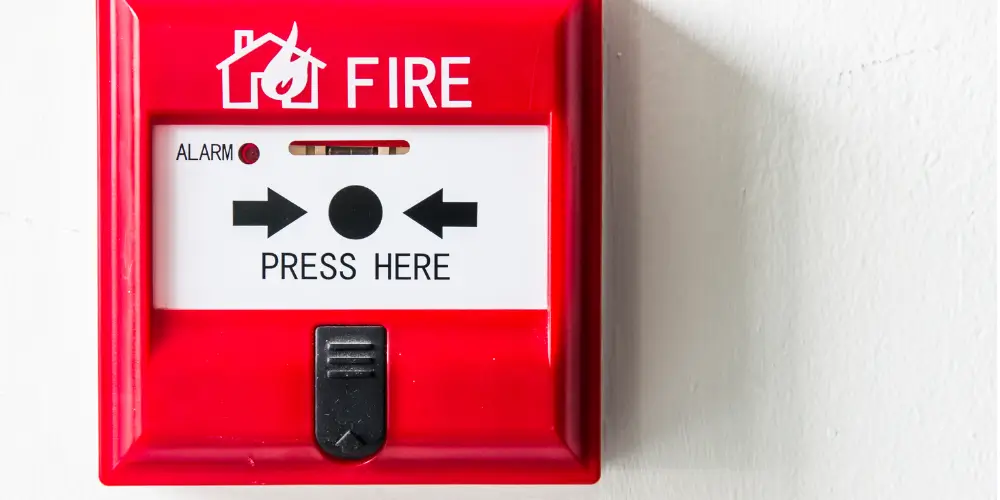
Understanding the classifications of fire alarm systems requires familiarity with the standards set by BS 5839-1. This standard outlines various categories of fire alarm systems, each designed to meet specific safety needs and operational requirements. The classifications, including L1, L2, and L3, help organisations determine the appropriate level of protection based on the type of premises and potential fire risks.
L1 systems offer the highest level of protection, suitable for areas requiring rapid response to fire incidents. L2 systems, while still effective, are designed for spaces where high-risk activities occur but may not require the same exhaustive coverage as L1. L3 systems focus on life safety in lower-risk environments, emphasising essential protection without extensive coverage.
What Is an L1 Fire Alarm System and Where Is It Used?
An L1 fire alarm system represents the pinnacle of fire detection technology, designed to provide maximum safety in high-risk environments. This system is characterised by its extensive coverage and rapid response capabilities, making it ideal for various settings.
Common applications for L1 fire alarm systems include:
- High-rise buildings: Where swift detection can save lives and property.
- Hospitals: Ensuring patient safety where evacuations may be complex.
- Shopping malls: Protecting large public spaces with high foot traffic.
L1 systems feature automatic fire detection devices throughout the premises, enabling the immediate identification of fire incidents. Their ability to minimise false alarms while maintaining a robust safety protocol makes them essential in safeguarding lives and assets. In a world where freedom and safety go hand in hand, L1 fire alarm systems exemplify the commitment to creating secure environments.
What Is an L2 Fire Alarm System and What Does It Cover?
L2 fire alarm systems serve as an essential layer of protection, designed for environments that require enhanced detection capabilities without the extensive coverage of L1 systems. These systems are particularly suitable for buildings where life safety is critical but the risk of fire is lower than in high-risk areas. Typically, L2 systems include manual call points and automatic detectors in specific risk areas, such as kitchens, electrical rooms, or storage facilities. They are tailored to guarantee that crucial spaces receive adequate attention, allowing for swift evacuation and response.
In contrast to L1 systems, which cover all areas, L2 systems focus on high-risk zones, providing a balanced approach to safety. This selective coverage not only promotes efficient resource use but also supports freedom from excessive monitoring in lower-risk areas. Ultimately, L2 systems empower occupants with confidence in their safety without overwhelming them with constant alarms.
What Is an L3 Fire Alarm System and What Areas Are Protected?
L3 fire alarm systems represent a critical advancement in fire safety, specifically designed for environments where both life safety and property protection are paramount. These systems are typically employed in commercial and residential settings, offering a balanced approach to safeguarding occupants and assets.
Protected areas under L3 fire alarm systems primarily include:
- Common Areas: Spaces such as hallways, stairwells, and lobbies, where occupants may gather and need immediate notification in case of fire.
- Sleeping Quarters: Bedrooms and sleeping areas are monitored to guarantee that alarms are audible, prompting timely evacuation during emergencies.
- High-Risk Zones: Locations with significant fire hazards, such as kitchens or storage rooms, receive enhanced detection to mitigate potential risks.
L1 vs L2 vs L3 Fire Alarm Systems: Key Differences Explained
What Are L1, L2 and L3 Fire Alarm Systems? Fire alarm systems are categorised into various levels, each tailored to specific safety needs. L1 systems offer the highest level of protection, incorporating automatic fire detection throughout all areas of a building. This all-encompassing approach guarantees rapid response and ideal safety, particularly in high-risk environments.
L2 systems, while still robust, focus primarily on areas with a higher likelihood of fire hazards, such as kitchens or electrical rooms. This selective detection allows for a balance between safety and cost. Conversely, L3 systems are designed for specific high-risk zones, providing targeted detection without the extensive coverage of L1 or L2. They are suitable for buildings where full coverage isn’t necessary, yet certain areas require heightened vigilance.
Which Buildings Need an L1, L2 or L3 Fire Alarm System?
Determining the appropriate fire alarm system for a building depends on its specific use, occupancy type, and inherent fire risks. Different environments require tailored solutions to enhance safety and compliance.
- L1 Systems: These are essential for high-risk facilities, such as hospitals and care homes, where the safety of vulnerable individuals is paramount.
- L2 Systems: Suitable for commercial buildings like offices and retail spaces, L2 systems effectively protect areas with a moderate fire risk, ensuring occupant safety without excessive complexity.
- L3 Systems: Ideal for low-risk environments, such as warehouses or unoccupied buildings, L3 systems provide basic fire detection, focusing on common areas rather than specific rooms.

How to Choose the Right Fire Alarm Category for Your Property
How can property owners guarantee they select the most suitable fire alarm category for their specific needs? First, they should assess the type of property and its usage. L1 systems are ideal for high-risk environments, while L2 offers a balance, suitable for buildings requiring enhanced protection without the extensive coverage of L1. L3 systems, on the other hand, are appropriate for less critical areas where basic fire detection suffices.
Next, property owners must consider the occupancy levels and the potential for human evacuation. High-traffic buildings may necessitate more thorough systems. Additionally, they should evaluate local regulations and insurance requirements, as these can influence the choice of fire alarm category. Engaging with fire safety professionals can provide insights tailored to the property’s unique circumstances. Ultimately, selecting the right fire alarm category empowers property owners to safeguard their assets and occupants effectively.
Fire Alarm System Design, Installation and Maintenance Requirements
Designing, installing, and maintaining a fire alarm system requires careful consideration of various factors to secure ideal safety and compliance. Key elements include:
- Regulatory Standards: Adhering to local and national regulations guarantees that the system meets the necessary legal requirements, providing peace of mind.
- System Compatibility: Selecting components that work harmoniously together minimises potential failures and maximises efficiency.
- User Training: Making sure that occupants and staff are well-informed about the system promotes a proactive approach, enhancing overall safety.
Proper design and installation are essential, as they lay the foundation for effective fire detection and fire alarm system response. Regular maintenance keeps the system operational, ensuring it functions correctly when needed most. By focusing on these critical aspects, property owners can foster an environment where safety is prioritised, allowing occupants the freedom to thrive without fear.
Why Regular Fire Alarm Testing and Servicing Is Essential
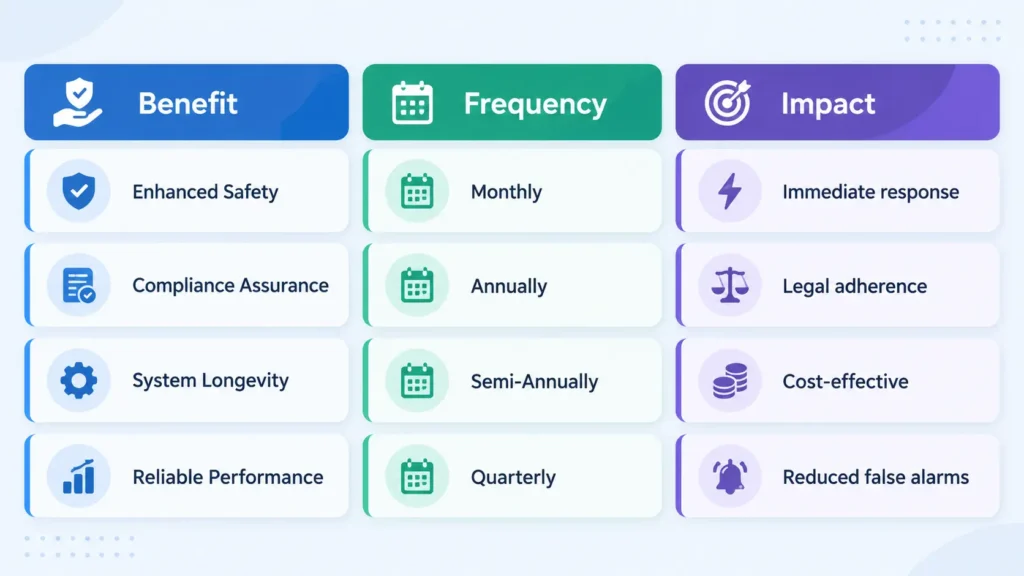
Regular testing and servicing of fire alarm systems is essential for maintaining their reliability and effectiveness. Neglecting these practices can lead to malfunctions, putting lives and property at risk. Routine checks guarantee that systems are functioning correctly, allowing for rapid response in emergencies. Explore How Often Fire Alarm Should Be Tested
Frequently Asked Questions
What Is the Cost Difference Between L1, L2, and L3 Systems?
The cost difference between L1, L2, and L3 fire alarm systems typically reflects their complexity and coverage. L1 systems are generally the most expensive, while L3 systems offer more basic functionality at a lower cost.
How Often Should Fire Alarms Be Tested in Each Category?
Fire alarms in L1 systems should be tested weekly, L2 systems monthly, and L3 systems quarterly. Regular testing guarantees safety and compliance, allowing individuals to maintain a secure environment while exercising their freedom.
Can I Upgrade My Fire Alarm System Category Later?
Yes, upgrading a fire alarm system category is possible. Property owners may choose to enhance their safety measures, adapting to evolving needs or regulations, ensuring a more robust protection framework for occupants and assets.
What Certifications Do Installers Need for These Systems?
Installers of fire alarm systems must possess relevant certifications, such as those from the National Examination Board in Occupational Safety and Health (NEBOSH) or the Fire Industry Association (FIA), ensuring compliance with safety standards and regulations.
How Do I Train Staff on Fire Alarm Protocols?
To train staff on fire alarm protocols, conduct regular workshops, provide hands-on demonstrations, and distribute clear instructional materials. Encourage questions and simulations to foster understanding and confidence in emergency responses, ensuring safety and preparedness.
Conclusion
What Are L1, L2 and L3 Fire Alarm Systems? In conclusion, understanding L1, L2, and L3 fire alarm systems is vital for guaranteeing safety in various environments. Each category serves distinct purposes, catering to specific building requirements and occupancy types. By selecting the appropriate system and adhering to design, installation, and maintenance standards, property owners can enhance safety measures. Regular testing and servicing further guarantee that these systems remain reliable, ultimately protecting lives and property from the threat of fire.