In the UK, fire alarms in most workplaces should be user-tested weekly, while domestic smoke or heat alarms should be tested monthly. Extra tests are recommended after holidays, power interruptions, or periods when a property has been vacant. Interlinked alarms should be checked to confirm every unit sounds, and batteries should be replaced when low warnings occur. Quarterly servicing and annual certification help maintain reliability and compliance. Further guidance explains checks, logs, and fault signs.
Key Takeaways
- In the UK, commercial fire alarm systems should be user-tested weekly to confirm sounders and call points operate correctly.
- Domestic smoke and heat alarms should be tested monthly using the test button to confirm the alarm sounds.
- Test alarms after holidays, power outages, or periods of vacancy to catch failures before normal occupancy resumes.
- If alarms are interlinked, verify every unit activates during each test, not just the one you pressed.
- Schedule professional servicing quarterly and certification annually (per BS 5839/EN 54 or local codes) to maintain compliance and reliability.
Table of Contents
How Often Should You Test a Fire Alarm?
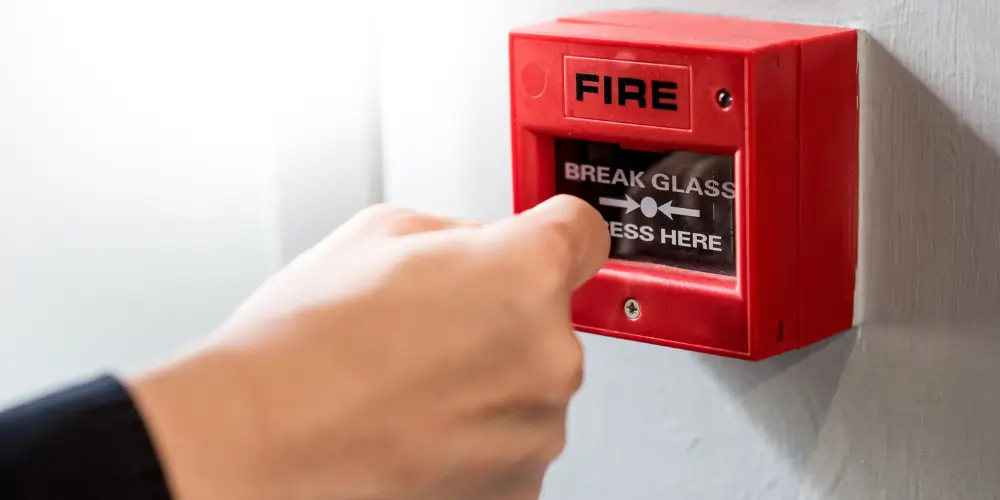
In the UK, fire alarms should generally be tested weekly to confirm they operate correctly. A call point can be activated on a rota so different points are checked over time, while occupants are warned in advance where appropriate.
Any fault indications, missing sounders, or audibility problems should be recorded and acted on promptly, and the system reset after the test. For domestic smoke alarms, common guidance is to test using the built-in button at least monthly, and after returning from holidays or if the property has been vacant. Interlinked alarms should be checked so all units sound. Batteries should be replaced when low warnings occur, and sealed units replaced at end-of-life, typically around ten years.
Testing vs Inspection vs Servicing: What’s the Difference?
How do testing, inspection, and servicing differ in fire alarm management?
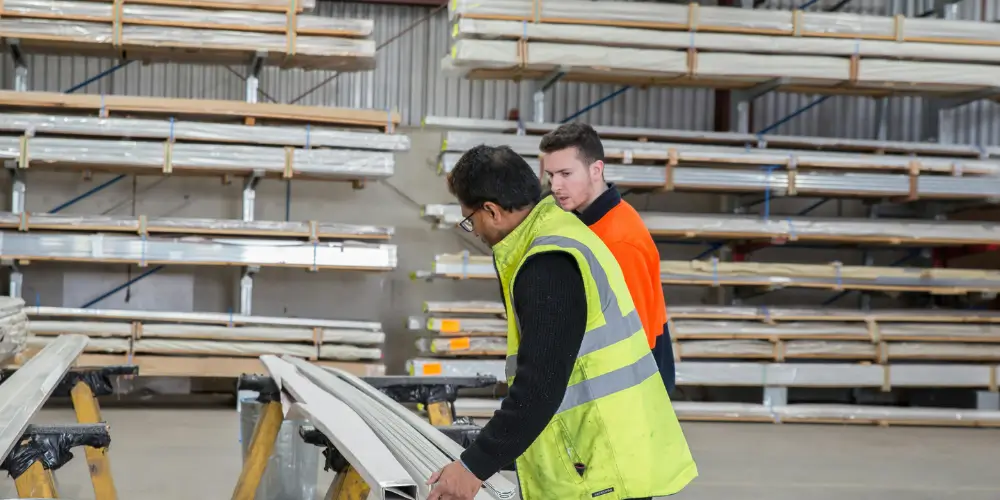
Testing verifies basic operation at set intervals, typically by activating a call point or device to confirm sounders, indicators, and panel responses work as expected. It is a functional check focused on immediate performance and user assurance. Testing is a scheduled functional check, activating a device to confirm sounders, indicators, and panel responses operate as expected.
Inspection is a visual and administrative review. It confirms equipment is undamaged, accessible, correctly labelled, and free from obstruction, while also checking logbooks, faults, and recent changes that could affect coverage or compliance. It may identify issues without proving full functionality.
Servicing is the most in-depth activity, usually performed by a competent engineer. It involves systematic examination, calibration where applicable, component cleaning or replacement, battery and power-supply assessment, and verification against relevant standards. It restores reliability and addresses deterioration.
Home Smoke/Heat Alarms: Monthly Test Steps
Most home smoke and heat alarms should be tested monthly to confirm they will sound promptly and loudly when needed. Testing typically begins by notifying household members and ensuring pets are clear of the alarm. The test button on each unit should be pressed and held until the horn sounds; interconnected alarms should be checked to confirm they activate together.
If an alarm fails to sound, the batteries should be replaced or the unit should be checked for a tripped breaker on hardwired models. After testing, the alarm openings should be gently vacuumed to remove dust that can impede sensors. The unit’s date label should be reviewed; most alarms require replacement around 10 years. Results should be noted for consistent follow-up.
Workplace Fire Alarm Tests: How Often Are They Required?
When should a workplace fire alarm system be tested to satisfy code and keep occupants protected? Requirements vary by jurisdiction, but most workplaces follow NFPA 72 and local fire codes. Typically, a qualified party performs periodic inspection and functional testing on control equipment, notification appliances, and supervisory signals, with documented results. Higher-risk occupancies, complex voice systems, and facilities with impairments may require more frequent verification and stricter recordkeeping. Building owners should also align schedules with insurance and authority-having-jurisdiction expectations.
Weekly Fire Alarm Test Checklist
A simple weekly checklist helps validate a fire alarm system remains operational between formal inspections by catching common issues early. The responsible person should verify the control panel shows normal status, with no trouble, supervisory, or disabled zones indicated. They should check power indicators, ascertain any batteries appear secure, and confirm the communication link light (if present) is normal.
A different manual call point or test key location can be used each week to avoid repeatedly stressing one device. During activation, the checklist should confirm audible alarms and visual strobes operate in occupied areas and that door releases or elevator recalls (where fitted) respond.
After silencing and resetting, the panel should return to normal. All results, locations tested, times, and any faults observed should be recorded in a logbook.
When Does a Fire Alarm System Need Professional Service?
A fire alarm system should receive professional service when routine tests reveal persistent faults, degraded performance, or unclear signals that troubleshooting cannot resolve. For residential premises, this often includes repeated nuisance alarms, low-voltage issues, or aging components that no longer meet manufacturer specifications. For commercial premises, professional service is typically required to address code compliance, panel or device failures, system modifications, and documentation or inspection requirements.
FOR RESIDENTIAL PREMISES
How can a homeowner tell the difference between routine testing and a problem that needs a technician? Routine checks confirm the alarm sounds and indicator lights work; professional service is warranted when faults persist after basic steps. If an alarm chirps after a fresh battery, shows a steady trouble light, or won’t reset after silencing, a technician may be needed. Frequent false alarms from cooking steam that continue despite cleaning, repositioning, and ventilation can signal a failing sensor.
Interconnected alarms that don’t all sound during a test, or that trigger unpredictably, also merit service. Any water damage, corrosion, physical cracking, or wiring concerns should be inspected. Units past their manufacturer replacement date should be replaced, not repaired.
FOR COMMERCIAL PREMISES
Because commercial fire alarm systems are integrated with panels, notification appliances, and often sprinklers or smoke control equipment, professional service is required whenever the system shows a supervisory, trouble, or alarm condition that cannot be cleared through the documented reset procedure or when tests produce inconsistent results such as missing devices, communication faults, intermittent ground faults, failed battery/charger readings, or impaired connections to monitoring.
Service is also needed after renovations, tenant fit-outs, device additions, or changes to occupancy that may affect detector spacing, audibility, or code-required functions. Any impairment to initiating devices, notification circuits, NAC power supplies, relay interfaces, or off-site signaling should be evaluated by a licensed fire alarm contractor. Annual inspections and testing must be performed by qualified personnel in accordance with applicable codes, manufacturer instructions, and documented site-specific procedures.
What Affects Fire Alarm Test Frequency (Type, Risk, Codes)?
Although many people assume a single universal schedule applies, fire alarm test frequency is shaped by the system type in use, the level of risk in the building, and the specific requirements set by local codes and standards. Conventional panels, addressable systems, and networked voice evacuation typically require different functional checks, device sampling, and documentation.
Buildings with higher life-safety exposure such as sleeping occupancies, healthcare, assembly venues, and sites with hazardous processes often face more frequent inspections and broader testing scopes than low-risk offices. Environmental factors like dust, humidity, vibration, or temperature extremes can also justify shorter intervals to maintain reliability. Finally, authorities having jurisdiction may enforce NFPA, BS 5839, EN 54, or regional rules, including mandated weekly user tests, quarterly servicing, and annual certification.
Warning Signs Your Fire Alarm Needs Attention Now
When should a fire alarm be treated as an immediate maintenance priority rather than something to address at the next scheduled test? It should be prioritized when it shows signs of unreliability, degraded power, or compromised detection, because a delayed fix can leave occupants unprotected between inspections.
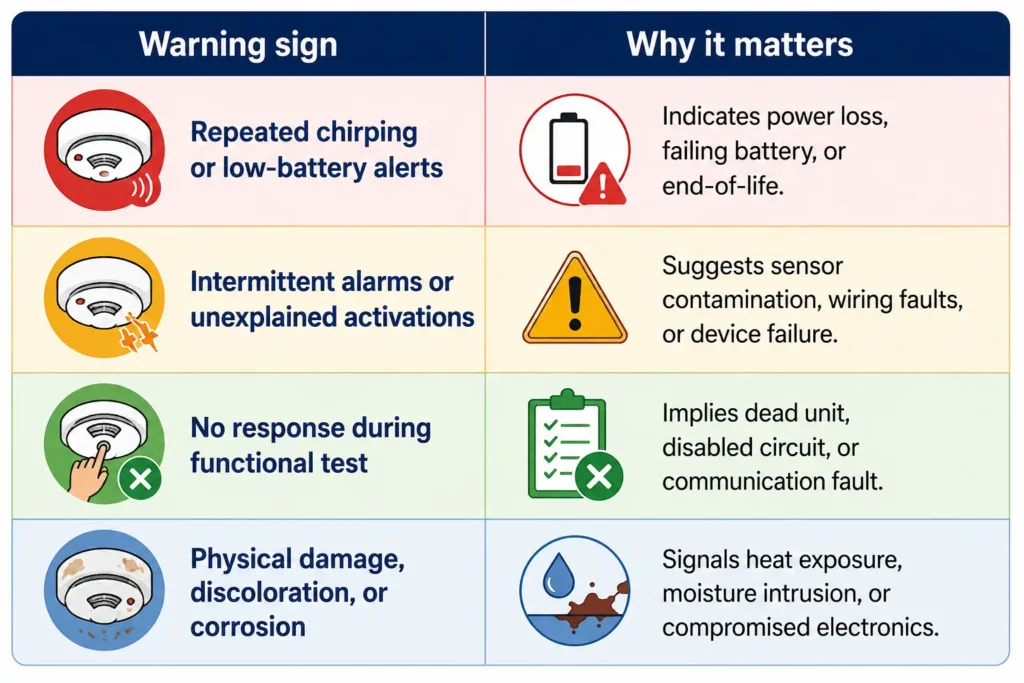
Any of these conditions warrants immediate servicing, documentation, and retesting, especially in high-risk areas or code-regulated buildings.
Frequently Asked Questions
Do I Need to Notify My Alarm Monitoring Company Before Testing?
Yes, they should notify the alarm monitoring company before testing to prevent false dispatches. The company can place the system on test and confirm signals. Some contracts or local codes require notice; documentation afterwards is recommended.
Can Fire Alarm Testing Trigger a Call-Out From the Fire Brigade?
Yes, fire alarm testing can trigger a fire brigade call-out if the system signals an alarm to monitoring services. This risk is reduced by placing the system on test and notifying the monitoring company beforehand properly.
How Should I Document Fire Alarm Tests for Insurance Purposes?
They should document each test in a dedicated logbook or digital system: date, time, device/location, method, results, faults, corrective actions, and tester name. Attach service certificates, contractor reports, and monitoring notifications; keep records securely.
What Should I Do if a Tenant Keeps Removing Smoke Alarm Batteries?
They should issue written notices, replace with tamper-resistant or hardwired alarms where allowed, document incidents, and enforce lease terms. They should educate on safety, offer nuisance-reduction options, and involve inspectors or legal counsel if repeated.
Are Wireless Interlinked Alarms Tested Differently From Hardwired Systems?
Wireless interlinked alarms are tested similarly to hardwired systems, but the link verification is wireless and may require a hub/app check. Each unit’s test button is pressed, and interconnect activation, power status, and fault indicators are confirmed.
Conclusion
Regular fire alarm testing in the UK should follow a clear routine: simple user tests at home are typically done monthly, while most workplace systems are tested weekly, with results recorded. Testing differs from inspection and professional servicing, which verify the system’s overall condition and compliance. Frequency may vary by alarm type, building risk, and applicable standards. Any faults, repeated false alarms, or damaged components should trigger immediate action and, where required, a competent engineer’s visit.