
The Non-Domestic Energy Performance Certificate Register tracks energy efficiency ratings of commercial properties, rating them from A to G. These ratings assess insulation, heating systems, and energy consumption, providing insights into potential cost savings and compliance with regulations. Understanding EPC ratings is essential for property owners, buyers, and tenants alike, as they influence market value and sustainability initiatives. Exploring this topic further can reveal the benefits and strategies for improving energy performance in commercial properties.
Key Takeaways
- The Non-Domestic EPC Register tracks energy efficiency ratings of commercial properties, ranging from A (high efficiency) to G (low efficiency).
- EPCs assess factors like insulation, heating systems, and energy consumption, aiding in identifying energy-saving opportunities.
- Property owners and potential buyers can access the register to evaluate energy performance before transactions.
- Obtaining an EPC requires a qualified energy assessor and registration in the official database, valid for ten years.
- Compliance with EPC regulations is crucial, as non-compliance may lead to financial penalties and impacts on property marketability.
Table of Contents
What Is the Non-Domestic Energy Performance Certificate Register?
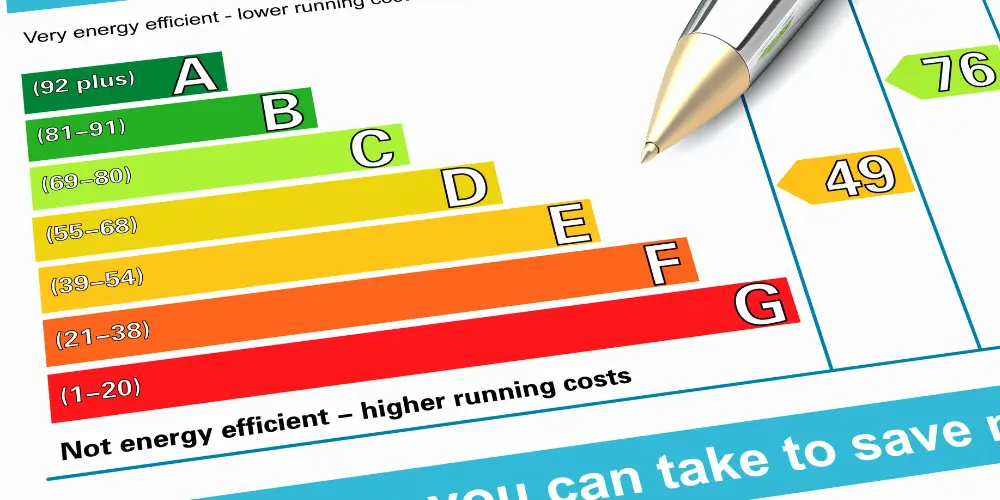
The Non-Domestic Energy Performance Certificate (EPC) Register serves as a detailed database that tracks the energy efficiency ratings of non-domestic properties. Established to provide transparency, the register includes crucial information about commercial buildings, from offices to retail spaces. Each property is assigned an EPC rating, ranging from A (high efficiency) to G (low efficiency), based on factors such as insulation, heating systems, and energy consumption.
The register is accessible to property owners, prospective tenants, and the general public, promoting informed decision-making regarding energy use and efficiency. It also supports compliance with legal requirements, as many jurisdictions mandate EPCs for non-domestic buildings. By maintaining a thorough record of energy performance, the register aids in identifying improvement opportunities, encouraging sustainable practices, and ultimately contributing to broader environmental goals. This database plays an important role in fostering a culture of energy awareness within the commercial sector.
Why Are Energy Performance Certificates Important for Businesses?
While many businesses may overlook the significance of Energy Performance Certificates (EPCs), these documents play an essential role in shaping operational efficiency and sustainability. EPCs provide a standardised assessment of a building’s energy efficiency, offering insights into energy consumption and potential cost savings. For businesses, this information is vital in making informed decisions about energy management and investments in upgrades.
Furthermore, EPCs are often required for compliance with regulations, ensuring that businesses meet legal standards regarding energy use and emissions. A valid EPC can enhance a company’s reputation, demonstrating a commitment to sustainability, which is increasingly important to consumers and partners alike.
In addition, understanding an EPC can help businesses identify areas for improvement, ultimately leading to reduced operational costs. Consequently, engaging with Energy Performance Certificates is not merely a regulatory obligation; it is a strategic approach to fostering a more sustainable and efficient business environment.
Key Benefits of Knowing Your Property’s EPC Rating
Understanding a property’s EPC rating empowers businesses to make strategic decisions regarding energy efficiency and cost management. An accurate EPC rating provides insight into a building’s energy performance, allowing companies to identify areas for improvement. By knowing their rating, businesses can prioritize energy-saving upgrades, which may lead to reduced utility costs and enhanced sustainability.
Furthermore, a higher EPC rating can increase a property’s market value and appeal to environmentally conscious tenants or buyers. Compliance with energy regulations also becomes easier, as businesses can proactively address any potential shortcomings.
Additionally, understanding EPC ratings enables organisations to demonstrate their commitment to corporate social responsibility, potentially improving their public image and stakeholder relations. Overall, being aware of a property’s EPC rating equips businesses with the knowledge necessary to optimise energy efficiency, reduce costs, and enhance their competitive edge in the market.
Who Can Access the Non-Domestic EPC Register?
Accessing the Non-Domestic EPC Register is available to a variety of stakeholders, including property owners, potential buyers, and tenants. This accessibility guarantees that those involved in property transactions can make informed decisions based on energy performance ratings.
The following table outlines the primary groups who can access the register and their reasons for doing so:
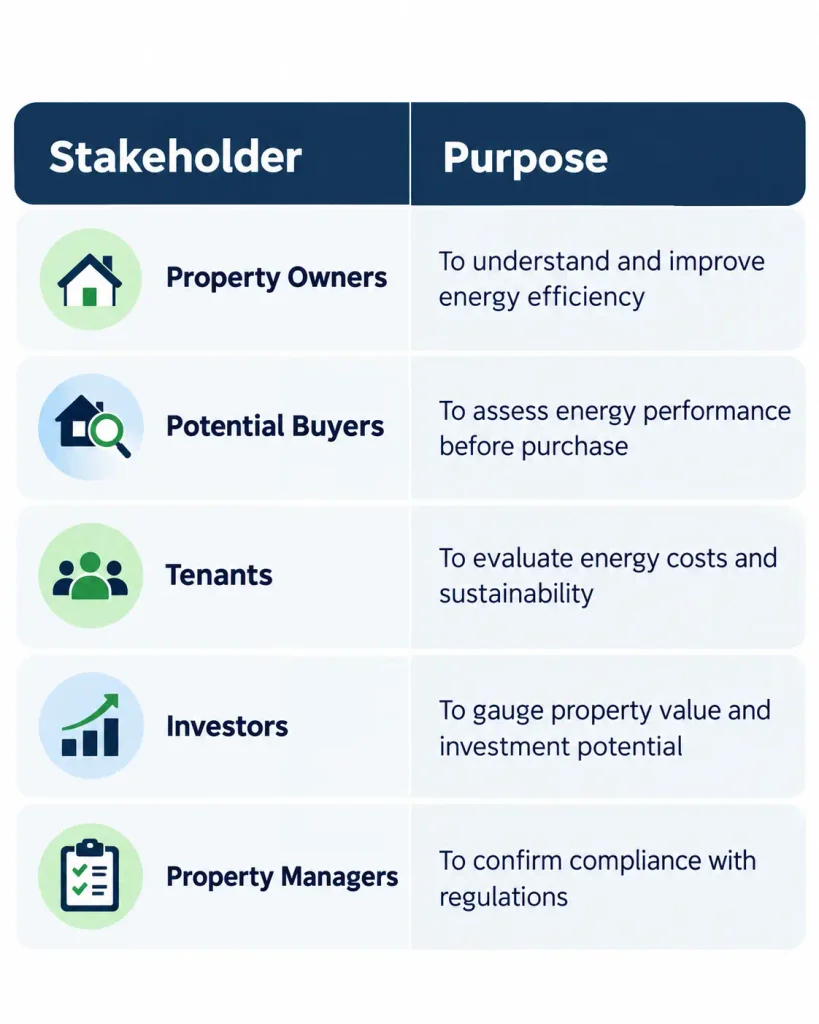
These stakeholders play vital roles in the property market, and access to the Non-Domestic EPC Register supports transparency and informed decision-making regarding energy performance.
Debunking Myths About Energy Performance Certificates
What misconceptions surround Energy Performance Certificates (EPCs)? One prevalent myth is that EPCs are only relevant for residential properties. In reality, non-domestic buildings are equally subject to these assessments, which evaluate energy efficiency and environmental impact. Another misconception is that an EPC guarantees low energy bills; while a high rating indicates better efficiency, actual costs depend on usage patterns and other factors.
Moreover, some believe EPCs are merely advisory documents, but they are legally required for certain properties before they are sold or leased. Additionally, many think that obtaining an EPC is a quick process, but it often involves extensive assessments that can take time. Finally, the notion that EPCs are irrelevant once issued is misleading; they must be updated periodically to reflect any changes in the property or regulations. Understanding these myths is essential for property owners and tenants alike.
Steps to Obtain a Non-Domestic Energy Performance Certificate
Obtaining a Non-Domestic Energy Performance Certificate (EPC) involves several key steps that property owners and managers must follow. First, they must identify a qualified energy assessor, who will evaluate the property’s energy efficiency. This involves conducting a thorough inspection and gathering relevant data, such as building dimensions and energy systems. Next, the assessor will enter this information into an approved software tool to generate an energy rating, typically on a scale from A to G.
Once the assessment is complete, the property owner will receive the EPC, which includes recommendations for improving energy efficiency. It is essential to guarantee that the EPC is registered in the official register, as this makes it valid for use in property transactions or leasing. Finally, property owners should keep the certificate updated. Here is the validity guide, How Long Do EPC Certificates Last?
Improving Your Property’s EPC Rating
Enhancing a property’s EPC rating requires a strategic approach to energy efficiency improvements. Property owners can start by conducting an energy audit to identify areas needing attention, such as insulation, heating systems, and windows. Upgrading insulation in walls, roofs, and floors can greatly reduce energy loss. In addition, installing energy-efficient heating, ventilation, and air conditioning (HVAC) systems can contribute to improved ratings.
Replacing outdated lighting with LED options also offers immediate benefits. Moreover, integrating renewable energy sources, such as solar panels, can enhance overall efficiency and reduce reliance on fossil fuels.
Regular maintenance of equipment guarantees peak performance, while educating tenants about energy-saving practices can promote more sustainable behaviors. By systematically addressing these elements, property owners can not only improve their EPC rating but also achieve long-term cost savings and environmental benefits.
What’s Next for Energy Performance Regulations?
As the landscape of energy performance regulations continues to evolve, property owners must stay informed about upcoming changes that could impact their operations. The government is increasingly focused on enhancing energy efficiency, which may lead to stricter requirements for non-domestic properties. Recent discussions have suggested that new regulations could mandate higher EPC ratings for existing buildings, pushing owners to invest in upgrades to meet compliance standards.
Moreover, there is potential for the introduction of financial incentives for those who achieve ambitious energy targets. Property owners should also be aware of the possibility of more frequent audits and reporting requirements. Understanding these developments is crucial, as failing to comply could result in financial penalties or reduced marketability. Staying proactive in adapting to these regulations will not only guarantee compliance but also promote sustainability and operational efficiency in the long term.
Future Trends in Energy Performance and Compliance
With the global emphasis on sustainability, future trends in energy performance and compliance are poised to greatly reshape the non-domestic property landscape. Increasingly stringent regulations are anticipated, pushing businesses to adopt more energy-efficient practices. The integration of advanced technologies, such as smart building systems and renewable energy sources, will become essential in achieving compliance and improving energy ratings.
Additionally, stakeholders are expected to prioritse transparency in energy performance data, fostering a competitive environment that rewards high-efficiency properties. The rise of corporate social responsibility will further influence compliance, as businesses seek to enhance their reputations through sustainable practices.
In this evolving landscape, energy performance certificates will likely become more dynamic, reflecting real-time energy use and emissions. As these trends unfold, organisations must remain agile, adapting to regulatory changes and technological advancements to remain competitive and compliant in the market.
Frequently Asked Questions
How Long Is a Non-Domestic EPC Valid For?
A non-domestic Energy Performance Certificate (EPC) is valid for ten years. After this period, property owners must obtain a new EPC to guarantee compliance with energy efficiency regulations and maintain transparency for potential tenants or buyers.
Can I Appeal My Property’s EPC Rating?
Yes, a property owner can appeal their EPC rating. This process involves submitting evidence to support the claim that the rating is inaccurate, allowing for a potential reassessment and adjustment of the property’s energy performance score.
Who Issues the Non-Domestic Energy Performance Certificates?
Non-domestic energy performance certificates are issued by accredited energy assessors. These professionals evaluate a property’s energy efficiency based on established criteria, providing a rating that reflects its environmental impact and sustainability.
What Penalties Exist for Not Having an EPC?
Failure to obtain an Energy Performance Certificate (EPC) can result in significant penalties, including fines up to £5,000 for non-compliance. Additionally, properties may face restrictions on leasing or selling until an EPC is secured.
Are There Exemptions for Certain Types of Properties?
Certain properties, such as listed buildings, places of worship, and temporary structures, may qualify for exemptions from energy performance certificate requirements. These exemptions aim to accommodate unique circumstances that impact energy efficiency evaluations.
Conclusion
Ultimately, the Non-Domestic Energy Performance Certificate Register serves as an essential resource for businesses aiming to understand and improve their energy efficiency. By being informed about their EPC ratings, organisations can not only comply with regulations but also enhance their marketability and reduce operational costs. As energy performance regulations continue to evolve, staying updated on these changes will be crucial for businesses looking to thrive in an increasingly eco-conscious landscape.