In the United Kingdom, Energy Performance Certificates (EPCs) remain valid for 10 years from the date of issue for both residential and commercial properties. These certificates, essential for evaluating a property’s energy efficiency, play a significant role in improving marketability and supporting sustainability goals. It is advisable to renew an EPC after substantial property modifications, such as installing a new heating system or improving insulation, as these changes can affect the property’s energy efficiency rating. Keeping abreast of these updates and the implications of an EPC’s expiry can provide further insights into how to maintain or increase your property’s value. Understanding how long do EPC certificates last and the effect of their expiry can help property owners maintain or boost their property’s value.
Key Takeaways
- EPC Certificates are valid for ten years from their date of issuance.
- Property owners should renew EPCs following significant energy-related upgrades.
- Upon expiry, a new EPC is required to sell or rent properties.
- Keeping track of EPC expiry dates avoids legal and financial penalties.
- Non-compliance can result in fines ranging from £500 to £5,000.
What is an EPC Certificate and Why is It Important for Property Owners?
An Energy Performance Certificate (EPC) is a mandatory document for property owners in the UK that provides a detailed assessment of a property’s energy efficiency and carbon emissions. The EPC rating system ranges from A (most efficient) to G (least efficient). This certificate not only outlines the current energy performance but also suggests practical improvements to enhance efficiency.
An EPC is important for more than just legal compliance. For property owners, an effective EPC rating can considerably augment the property’s marketability. A higher rating can attract tenants and buyers seeking cost-effective homes, given the potential for lower utility bills. Additionally, properties with better energy efficiency often command higher rental or sale prices, reflecting the long-term savings on energy costs.
Environmental considerations also play a critical role. By implementing the recommended improvements from an EPC, property owners help reduce carbon footprints, aligning with broader national and international sustainability and greenhouse gas emissions goals. Consequently, EPCs serve a dual purpose: they support property owners in making economically prudent decisions and foster environmental responsibility. Knowing how long do EPC certificates last helps property owners plan for renewals and maintain their property’s energy performance.
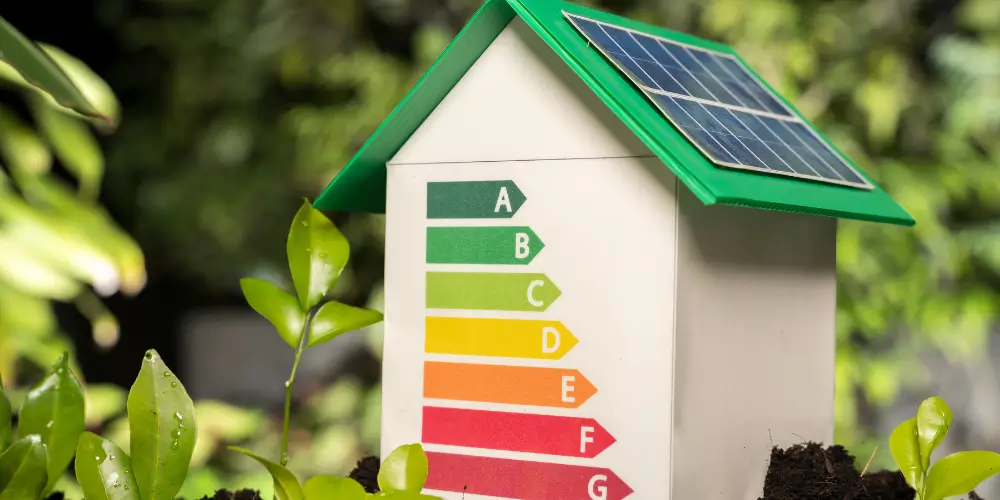
When Should You Renew Your EPC Certificate?
Although EPC Certificates are valid for 10 years, certain modifications to your property can significantly affect its energy performance. In such cases, it’s advisable to update your EPC to ensure it accurately reflects your property’s current energy efficiency.
Major changes that can affect the energy rating include installing a new heating system, adding insulation, or any major construction that alters the space’s size or usage. These improvements can enhance the property’s energy efficiency, potentially leading to a better EPC rating, which can be beneficial if you plan to sell or rent out the property. A higher rating not only makes the property more attractive to prospective buyers or tenants but can also increase its market value.
Being aware of how long do EPC certificates last helps property owners plan renewals effectively, maintain an up-to-date energy rating, and enhance the property’s appeal and value.
How to Check the Expiry Date of Your EPC Certificate
Determining the expiry date of your EPC Certificate is straightforward. To find the exact expiry date, you can follow these simple steps:
First, locate your original EPC document. The certificate will typically be filed with your property documents or provided to you by your real estate agent or solicitor. On the EPC, look for the date of issue, which is usually printed in the top-right corner of the document. From this date, simply add ten years to determine when the certificate will expire.
If you don’t have access to the physical certificate, you can also check online. Visit the official EPC Register website at https://www.epcregister.com/. Here, you can search for your property’s EPC by entering the property’s address or the Report Reference Number (RRN), which is unique to each EPC. Once located, the online entry will display the issue date and the expiry date.
How to Renew an EPC Certificate in London: A Step-by-Step Guide
Renewing your Energy Performance Certificate (EPC) in London is vital for maintaining compliance with UK property regulations. Here’s a step-by-step guide to efficiently manage this process:
- Identify a Qualified Assessor**: Start by finding a certified EPC assessor. London has numerous qualified professionals registered with the Energy Performance of Buildings Register. Opt for an assessor with good reviews and reasonable rates.
- Schedule an Assessment: Contact the chosen assessor and schedule a visit. The assessor will need to inspect your property to gather the necessary data, including insulation, heating systems, and construction materials.
- Documentation: Verify all relevant documents about recent energy-related improvements are available. This can positively influence your property’s energy rating.
- Assessment Process: During the visit, the assessor will examine key components that affect energy performance. This includes boilers, windows, and lighting systems, among others.
- Receive Your New EPC**: After the assessment, the assessor will process the data and issue a new EPC, typically within a few days. This certificate will be valid for the next 10 years.
- Implement Recommended Changes: Consider implementing the energy-efficiency recommendations from the EPC report to improve future ratings.
Why EPC Certificates Are Crucial for Energy Efficiency and Property Value
Energy Performance Certificates (EPCs) are essential tools in promoting energy efficiency and enhancing property value in the UK. These certificates provide a rating from A (most efficient) to G (least efficient), reflecting a building’s energy efficiency. This rating system not only helps homeowners understand how energy efficient their property is but also offers insights into how improvements can lead to energy savings.
The impact of EPCs extends beyond just energy conservation. A higher EPC rating can markedly increase a property’s market value and appeal to prospective buyers or tenants who are increasingly environmentally conscious. Properties with better ratings typically incur lower utility costs, which is a compelling selling point.
Moreover, EPCs are becoming a critical factor in the real estate market, influencing buyer decisions and investment potential. Below is a table summarising the benefits of EPCs:
| Benefit | Description |
| Enhanced Property Value | Higher EPC ratings can increase property value. |
| Energy Savings | Efficient energy use leads to lower utility bills. |
| Market Appeal | Attracts eco-conscious tenants and buyers. |
| Regulatory Compliance | Helps meet legal energy standards for properties. |
Tracking how long do EPC certificates last can, as a result, not only save money but also enhance their marketability and compliance with environmental regulations.
Common Myths About EPC Certificates and Their Lifespan
Despite common misconceptions, Energy Performance Certificates (EPCs) have a fixed 10-year validity period, after which they must be renewed to reflect any changes or improvements to the property. Several myths persist about the lifespan and renewal of these certificates, often leading to confusion among property owners. Here are four common myths debunked:
- EPCs Are Perpetual: Many believe that once you obtain an EPC, no renewal is necessary. However, they expire after 10 years.
- No Updates Needed for Sold Properties: Another misconception is that new owners do not need a new EPC. In reality, if the previous certificate has expired, a new one is required.
- Renovations Do Not Affect EPCs: Major upgrades or renovations can affect a property’s energy efficiency, necessitating a reassessment and potentially a new EPC.
- All Properties Have Similar EPC Ratings: Each property is unique, and factors such as age, construction, and heating systems influence its energy performance. As a result, EPC ratings can vary widely from one property to the next.
Understanding these realities guarantees property owners comply with regulations and maintain the accuracy of their property’s energy assessment.
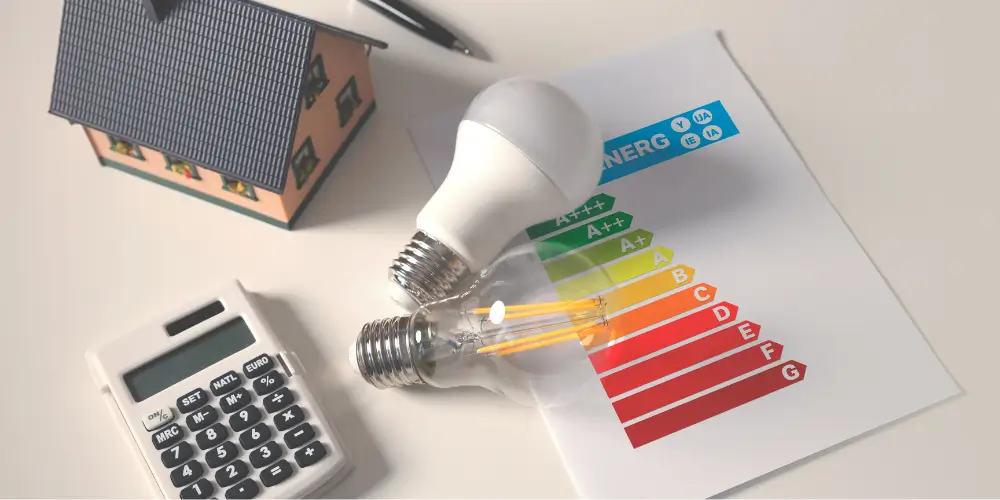
Which Home Improvements Need New EPC?
Making considerable upgrades to your home’s energy systems might prompt the question of whether your existing Energy Performance Certificate (EPC) remains valid. Generally, an EPC is valid for 10 years. However, substantial improvements can significantly improve the property’s energy efficiency, potentially rendering the old EPC outdated. Here is how changes might affect the validity:
- Installation of Solar Panels: Adding photovoltaic panels significantly increases your property’s energy production capacity, likely improving your EPC rating.
- Upgraded Insulation: Enhancing wall, loft, or floor insulation can dramatically increase heat retention, which should be reflected in a new EPC.
- New Heating System: Replacing old boilers with more efficient models or installing underfloor heating can change the energy dynamics of your home.
- Double Glazing: Installing double-glazed windows reduces heat loss and noise, potentially improving comfort and energy efficiency in your property.
While your current EPC remains legally valid until its expiration, obtaining a new EPC after substantial upgrades is necessary to accurately reflect these improvements and potentially enhance your property’s marketability and value. This guarantees that potential buyers or tenants have the most current information regarding the property’s energy efficiency.
Penalties for not having a valid EPC
Failing to secure a valid Energy Performance Certificate (EPC) for a property being sold or rented in the UK can result in significant legal penalties. The regulations stipulate that property owners must have an EPC available to potential buyers or tenants. Failure to comply may result in a fine based on the property’s rateable value.
The penalty for not having an EPC is typically set at 12.5% of the building’s rateable value, with a minimum fine of £500 and a cap of £5,000. If the fine is not paid, the case may be escalated to the county courts, resulting in additional legal costs and complications. Additionally, Trading Standards is the body responsible for enforcement and has the authority to issue penalty charge notices.
Even after being fined, the property owner must still obtain a valid EPC. Missing this requirement can delay property transactions, making it essential for owners to maintain up-to-date certification and stay aware of how long do EPC certificates last.
Frequently Asked Questions
Can a Tenant Request a New EPC for Their Rental Property?
A tenant cannot directly request a new Energy Performance Certificate (EPC); however, they can request that the landlord provide a current EPC if the existing one has expired or is unavailable.
Are EPC Ratings Different for New Builds Versus Older Properties?
EPC ratings can differ greatly between new builds and older properties. New constructions often incorporate modern energy-efficient technologies, typically resulting in higher EPC ratings compared to older buildings that may lack such advancements.
How Does an EPC Impact My Property Insurance Rates?
An EPC can influence property insurance rates as insurers may consider energy efficiency in their risk assessment. Properties with higher EPC ratings could attract lower insurance premiums due to reduced energy-related risks.
Are There Any Exemptions to the Requirement for an EPC?
Yes, there are exemptions from the requirement to obtain an EPC. These include listed buildings, temporary structures with a planned use of less than two years, and residential buildings intended for less than four months of occupancy per year.
Can I Sell a Property With an Expired EPC?
No, you cannot legally sell a property with an expired EPC. A valid Energy Performance Certificate is required for the sale to comply with UK regulations, ensuring energy efficiency information is up-to-date for prospective buyers.
Conclusion
In summary, adhering to regulations concerning Energy Performance Certificates (EPCs) is essential for both residential and commercial property owners in the UK. These certificates, valid for ten years, guarantee properties meet energy efficiency standards. Property enhancements necessitate re-evaluation to reflect accurate energy performance. Non-compliance may result in penalties, underscoring the significance of maintaining a current EPC. Staying aware of how long EPC certificates last helps owners meet legal requirements and support environmental sustainability.