
An Electrical Installation Condition Report (EICR) provides a professional assessment of the wiring, consumer units, and earthing to identify immediate dangers, deficiencies, and maintenance priorities. It highlights C1/C2 hazards requiring urgent or prompt action, C3 improvements and FI items needing further investigation. Landlords, businesses, buyers and public bodies use EICRs for safety, legal compliance and insurance assurance. Timely reports prevent shocks, fires and costly downtime. Continue for practical guidance on intervals, costs and next steps.
Key Takeaways
- Verifies electrical safety by identifying dangerous faults and urgent issues (C1/C2) requiring immediate remedial action.
- Confirms compliance with regulations and tenancy or transaction requirements, reducing legal and liability risk.
- Detects deterioration and incorrect installations early, preventing fires, shocks, and costly unplanned failures.
- Supports insurance and warranty conditions, helping maintain coverage and avoid denied claims.
- Provides a prioritized roadmap for repairs and maintenance, aiding budgeting and long‑term asset resilience.
Table of Contents
Who Needs an EICR?
Who requires an Electrical Installation Condition Report (EICR)? Property owners, landlords, and managers responsible for safety and compliance typically commission EICRs to verify that electrical installations remain safe and functional. Commercial operators overseeing offices, shops, or hospitality venues also seek these assessments to protect occupants, equipment, and business continuity. Tenants with specific lease obligations may prompt landlords to obtain reports, while buyers and sellers request them during property transactions to clarify risk and maintenance needs.
Public institutions, such as schools and community centres, obtain EICRs to safeguard users and meet regulatory expectations. Industrial sites and facilities with high electrical loads schedule inspections more frequently to prevent downtime and hazards. Although regulations vary by jurisdiction, the common thread is accountability: those who control, occupy, or profit from premises are responsible for ensuring electrical systems are safe. An EICR supports informed decisions, enabling stakeholders to act with autonomy and confidence regarding electrical risk.
What an EICR Checks: Wiring, Consumer Units and Earthing
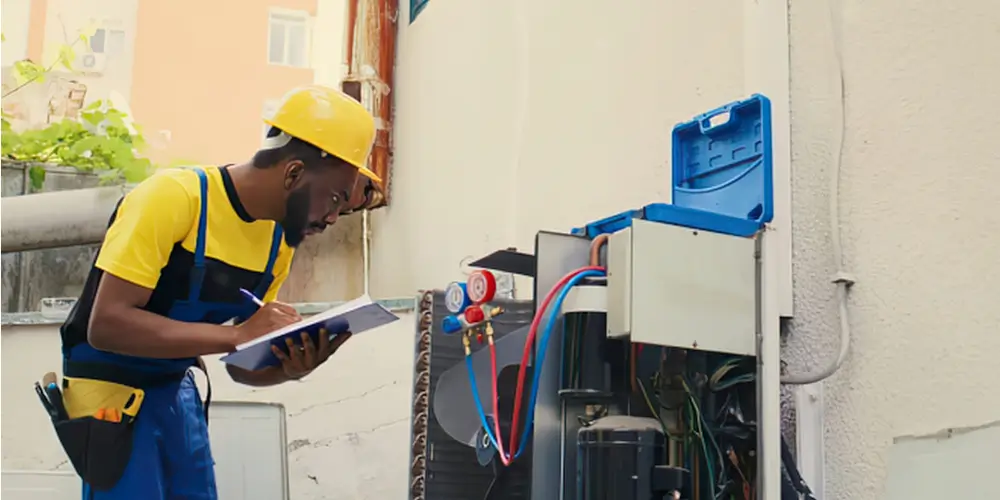
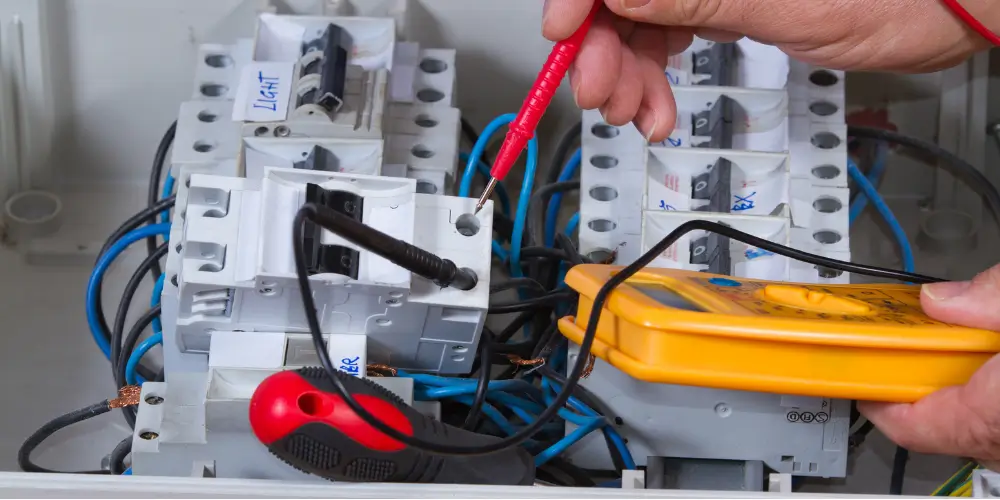
An EICR inspects the condition and safety of key electrical components: wiring, consumer units (fuse boxes), and earthing systems to identify deterioration, incorrect installations, and potential shock or fire hazards. The wiring assessment checks insulation integrity, conductor continuity, correct polarity, and secure connections. It looks for signs of overheating, damage from wear or pests, improper splicing, and circuits overloaded beyond their capacity.
The consumer unit review confirms correct breaker/fuse sizing, presence and operation of residual current devices (RCDs), segregation between circuits, and neat, labelled wiring that allows safe isolation. Earthing and bonding inspections verify that protective earth conductors are intact, that bonding to gas and water services is present where required, and that earth electrode arrangements provide a low-resistance path to dissipate fault current. Together, these checks reveal risks that could restrict occupants’ freedom, such as unexpected shutdowns, fire, or electrocution, enabling timely remedial action to restore safe, reliable electrical use. Explore the EICR Test Checklist: The Complete Landlord Guide No 1 to Electrical Safety.
How EICR Reports Work and What C1/C2/C3/FI Mean
Explains the structure and purpose of an Electrical Installation Condition Report (EICR), which records the results of a systematic inspection and tests and assigns codes to indicate the urgency of any faults found. The report documents the inspected areas, test results, observations, and recommendations, providing a clear snapshot of installation safety and compliance. Each observation receives a code: C1 denotes dangerous conditions requiring immediate remedial action; C2 flags potentially dangerous issues that should be addressed promptly; C3 identifies improvements recommended but not essential for safety. Here is the guidance for EICR Report Unsatisfactory: What It Means and How to Fix It.
FI indicates that further investigation is needed before a definitive code can be applied, often when access or ambiguous readings prevent a clear assessment. The EICR also notes any non-compliances with applicable regulations and suggests timelines for repairs. Completed by a competent electrician, the report empowers owners and occupiers to prioritise corrective work, manage risk, and make informed decisions about maintenance and freedom to use premises securely. For further details about EICR codes, read our blog post EICR Fault Codes Explained: Understanding Electrical Safety in UK Properties.
Do You Need an EICR Now? Intervals, Triggers and Risk Timing
After outlining what an EICR records and how fault codes work, attention turns to when one is required and the factors that affect timing. An EICR schedule depends on property type, occupancy and use: residential rented properties often follow legal inspection intervals, commercial premises adhere to industry guidance, and high-risk environments like schools or care homes require more frequent checks. Triggers for an immediate EICR include visible damage, persistent tripping, flooding, major renovations or changes in occupancy. Age of installation and previous report findings influence urgency; outstanding C1/C2 recommendations shorten acceptable intervals.
Practical considerations, insurance requirements, lease terms and safety policies also dictate timing. Those prioritising autonomy can use clear, objective criteria to decide when to commission an inspection rather than relying on ad hoc reassurance. Regular records and proactive scheduling reduce uncertainty about timing, enabling owners and managers to act on measurable risk indicators rather than guesswork.
Safety Benefits of an EICR: Preventing Shocks, Fires and Damage
Identify and address hidden electrical faults before they escalate: an EICR systematically detects deterioration, wiring defects and protective device failures that can cause shocks, ignition sources for fires or progressive equipment damage. The report maps hazards, rates severity and prescribes remedial action so occupants, owners and managers gain clear, actionable insights. By revealing overloaded circuits, exposed conductors, ineffective earthing and faulty RCDs, the EICR reduces risk of electric shock and limits conditions that ignite combustible materials.
Early identification of deteriorating insulation or connection faults prevents gradual heating and arcing that damage appliances and structures. Prioritised recommendations allow interventions that restore safe operation while minimising disruption to daily life and business continuity. Regular inspections cultivate autonomy over safety decisions, enabling timely upgrades and disciplined maintenance. In sum, an EICR transforms unseen electrical vulnerabilities into manageable tasks, protecting people, property and equipment without compromising operational freedom or imposing unnecessary constraints.
Legal and Insurance Requirements for Landlords and Businesses
Many jurisdictions require landlords and certain businesses to obtain an Electrical Installation Condition Report (EICR) at defined intervals or upon tenancy change, making the inspection a legal obligation rather than optional best practice. Compliance protects property owners from regulatory penalties and reduces liability exposure by documenting that electrical installations meet minimum safety standards. Insurers frequently expect evidence of routine inspections; an up-to-date EICR can be a condition of coverage or influence premium levels and claim outcomes. Failure to present a current report may lead to denied claims after incidents linked to faulty wiring.
For landlords, mandated EICRs support tenant rights to safe accommodation and streamline dispute resolution by providing an objective record. Businesses benefit similarly through risk management, regulatory audits, and continuity planning. Maintaining timely EICRs aligns legal compliance with pragmatic self-determination: owners retain control over assets and decisions while minimising enforceable risks imposed by statutes and insurance contracts.
After an EICR: Prioritising Repairs and Choosing an Electrician
Prioritise identified faults by severity and immediacy: items graded as C1 (danger present) or C2 (potentially dangerous) require prompt action, while C3 and observations can be scheduled. After an EICR, the report becomes a roadmap: urgent defects demand isolation or immediate repair, while lower-priority issues inform planned upgrades. Decisions should balance safety, minimal disruption, and freedom to choose solutions that suit the occupant’s lifestyle.
When selecting an electrician, verify credentials, ask for clear timelines, and prefer those who respect autonomy and explain options without pressure. Practical steps include:
- Confirm NICEIC or NAPIT registration and valid insurance.
- Request itemised quotes and recommended remedial actions tied to report codes.
- Seek references and evidence of competence for similar properties.
A concise action plan preserves safety and lets the owner decide pace and scope. Clear communication, documented agreements, and retained copies of repaired items close the loop after the EICR.
Cost and Long‑Term Value of an EICR
Cost is a key consideration when commissioning an EICR, but its true value is best judged over time: a professionally conducted inspection can prevent costly disasters, reduce insurance premiums, and inform targeted investments that extend equipment life and improve energy efficiency. The upfront fee should be weighed against avoided replacement costs, downtime, and liability from failures. An EICR provides a clear roadmap, enabling owners to prioritise repairs that yield the greatest return and to budget strategically rather than react under pressure.
Over successive inspections, trends emerge that justify preventive maintenance or phased upgrades, preserving operational freedom and reducing long‑term capital outlay. For landlords and businesses, documented compliance can protect rental income and marketability. Investing in quality inspection and competent remedial work often lowers total cost of ownership and supports informed decisions about adopting energy‑saving technologies. In short, the EICR is an economic tool as much as a safety check, aligning expenditure with resilience and autonomy.
Frequently Asked Questions
Can an EICR Affect My Home Insurance Premium Renewal?
Yes. The homeowner finds insurers may adjust renewal premiums based on an EICR’s outcome; clear reports can lower risk perception and costs, while adverse findings often raise premiums or prompt remedial requirements to maintain coverage.
Will an EICR Cover Portable Appliance Testing (PAT) Requirements?
No; an EICR does not cover PAT requirements. It assesses fixed electrical installation safety, while PAT inspects portable appliances separately. The owner or responsible person must arrange PAT testing to demonstrate appliance condition and compliance. Check out the detailed difference here, What Is the Difference Between EPC and EICR? A Clear Guide for UK Property Owners.
Can I Perform My Own EICR Instead of a Qualified Electrician?
No; the owner cannot legally or safely perform their own EICR. Only a competent, qualified electrician with proper training and certification should carry out the inspection and issue the formal report for legal and safety compliance.
How Long Is an EICR Report Legally Valid in Tenancy Disputes?
An EICR’s legal validity in tenancy disputes typically aligns with guidance: four years for domestic rentals unless specified otherwise; shorter periods may apply for properties with higher risk or contractual requirements, and specific cases demand independent legal confirmation. Read out How Often Should an EICR Be Done?
Does an EICR Assess Electromagnetic Interference or Smart-Home Vulnerabilities?
No. An EICR focuses on electrical safety of fixed installations, not electromagnetic interference or cybersecurity. It assesses wiring, earthing, bonding, and protective devices; separate EMI testing or smart‑home security audits are required for those risks.
Conclusion
An EICR is an essential safeguard that identifies electrical defects, reduces the risk of fire and electric shock, and helps owners, landlords, and businesses meet legal and insurance obligations. Inspecting the wiring, consumer units, and earthing clarifies the required actions via C1–C3/FI codes and guides prioritised repairs. Regular testing triggered by intervals or changes in risk adds long-term value, preventing costly damage. Prompt remedial work by a qualified electrician guarantees continued safety and compliance.