
The Level 3 Certificate in Fire Risk Assessment trains practitioners to inspect medium-to-large non-domestic and multi-occupancy residential buildings. It covers fire law, fire science, hazard identification, means of escape, detection systems, risk evaluation and report-writing. Assessments include portfolios, site inspection records and written assignments demonstrating actionable recommendations. It suits facilities managers, safety officers and junior assessors with prior Level 2 training and workplace experience. Continue for a detailed breakdown of course structure, assessments and career outcomes.
Key Takeaways
- Level 3 Certificate qualifies candidates to conduct fire risk assessments for medium-to-large non-domestic and multi-occupancy residential buildings.
- The course covers UK fire law, fire science, hazard identification, means of escape, detection systems, and risk-rating methods.
- Assessment requires a portfolio of site inspections, written assignments, actionable recommendations, and reflective logs demonstrating competency.
- Targets facilities managers, safety officers, and junior assessors, requiring prior Level 2 training, workplace experience, and report-writing skills.
- Graduates can work as in-house assessors, consultants, compliance officers, or progress to specialist and higher professional roles.
Table of Contents
Quick Verdict: Is the Level 3 Fire Risk Assessment Right for You?
Is a Level 3 Fire Risk Assessment the appropriate choice for a property? The assessor considers property complexity, occupancy type, and legal responsibilities. Suitable candidates include medium to large non-domestic buildings, multi-occupancy residential blocks, and premises with multiple risk sources where a basic checklist would be insufficient. The qualification equips practitioners to identify hazards, evaluate existing controls, and recommend proportionate remedial actions; it is not primarily for simple single-family homes or highly specialised industrial sites that require bespoke technical analysis.
Decision-makers weigh factors: building size, number of occupants, presence of vulnerable populations, and statutory obligations. They also consider whether they require a practitioner who can produce a structured, evidence-based report and advise on prioritised improvements. For organisations seeking internal capability or trained consultants to manage substantive fire safety issues, Level 3 often represents an appropriate balance of technical depth and practical applicability.
What the Level 3 Certificate Covers and Core Learning Outcomes
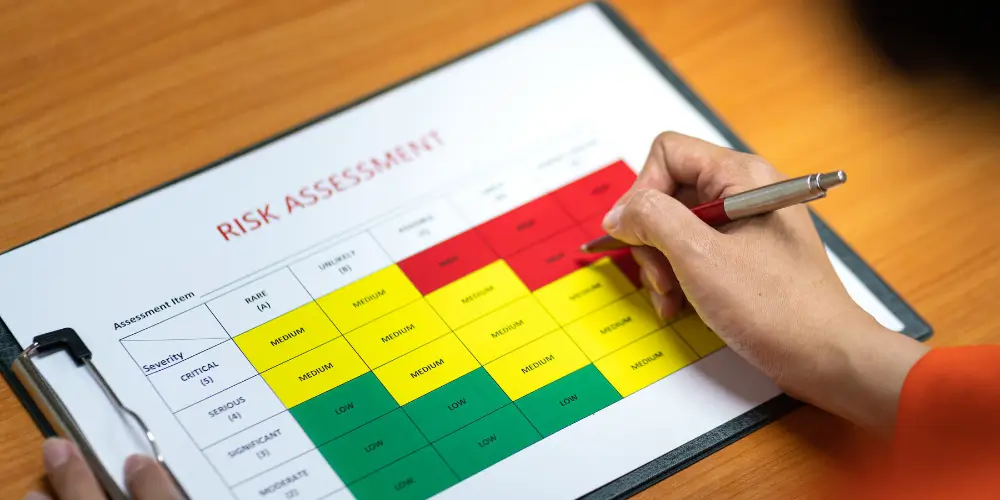
The Level 3 Fire Risk Assessment Certificate outlines a structured programme of knowledge and skills designed to empower practitioners to conduct thorough, evidence-based fire risk assessments for medium to complex premises. The curriculum covers legal and regulatory frameworks, fire science principles, hazard identification, and risk evaluation methodologies. Practical modules teach how to inspect buildings, assess means of escape, evaluate fire detection and suppression systems, and appraise compartmentation and structural fire resistance.
Core learning outcomes include the ability to produce clear, prioritised risk assessment reports with remedial action plans, to recommend proportionate fire safety measures, and to communicate findings to responsible persons and enforcement authorities. Candidates learn to apply a consistent, auditable assessment process, interpret test and inspection data, and understand human behaviour in fire scenarios. The course emphasises professional ethics, record-keeping, and continuous professional development to ensure assessments remain current and defensible.
Level 3 Vs Other Fire Risk Qualifications
A clear comparison highlights how the Level 3 Fire Risk Assessment Certificate fits among other fire risk qualifications by balancing practical inspection skills with regulatory knowledge for medium-to-complex premises. The Level 3 sits between entry-level awards that focus on basic fire safety awareness and higher professional certifications that demand extensive experience and advanced risk management competencies. It emphasises hands-on assessment techniques, report writing aligned with UK legislation, and interpretation of common fire protection measures, offering more depth than introductory courses but less theoretical breadth than chartered-level study.
Level 3 Certificate in Fire Risk Assessment Compared to vocational short courses, Level 3 provides greater regulatory context and assessment methodology. Compared to postgraduate or chartered pathways, it is more applied and accessible for practitioners seeking immediate operational roles. Employers often view Level 3 as evidence of competent, practical assessors who can produce compliant, actionable risk assessments for a range of non-specialist buildings.
Intended Learners and Entry Requirements
Moving on from its comparative position among qualifications, the Level 3 Fire Risk Assessment Certificate targets practitioners responsible for routine fire risk inspections and report preparation in medium-to-complex non-specialist premises. Intended learners typically include facilities managers, safety officers, junior fire risk assessors upgrading skills, and building supervisors seeking formal recognition. Entry requirements are practical: demonstrable workplace experience, basic understanding of fire safety principles, or prior completion of Level 2 fire-related training. Employers often nominate staff who will carry out assessments under supervision.
| Learner Type | Typical Experience | Entry Expectation |
| Facilities Managers | 1–3 years managing buildings | Basic fire safety awareness |
| Safety Officers | Incident investigation exposure | Prior Level 2 or equivalent |
| Aspiring Assessors | On-the-job assessment tasks | Workplace evidence, CV |
Learners should show competency in report writing and risk identification; reasonable literacy and numeracy are needed. The qualification balances access with ensuring participants can apply assessment techniques reliably.
Course Formats, Typical Duration and Delivery Options
Several delivery models accommodate different learner needs, including classroom-led workshops, blended courses combining online theory with face-to-face practicals, and fully online cohorts with virtual assessments. Providers often offer short intensive formats, typically two to five days of concentrated study for delegates with prior experience, alongside part-time options spanning several weeks to three months for those balancing work commitments. Blended pathways marry self-paced e-learning modules, scheduled webinars, and on-site practical sessions to facilitate both conceptual knowledge and applied skills.
Course schedules may be weekday, evening, or weekend to increase accessibility. Duration influences depth: longer programmes allow more case studies, site visits, and tutor feedback, while shorter ones prioritise core competencies. Delivery may be tutor-led, employer-sponsored at the workplace, or open-enrolment at training centres. Flexible entry points and modular structures let learners select refresher units or complete the qualification in stages. Clear attendance and engagement expectations support successful completion without detailing assessment procedures.
Assessment Requirements and Evidence You Must Submit
Multiple tangible items and demonstrable activities are required to satisfy the assessment for a Fire Risk Assessment Certificate. Candidates must submit a portfolio containing documented fire risk assessments completed during training, annotated site inspection records, and photographic evidence of hazards and control measures. Written assignments demonstrating understanding of legislation, risk-rating methodology, and remedial action planning are expected, typically as short reports or case studies.
Evidence of competency in producing clear, actionable fire safety recommendations is required, including sample emergency plans and maintenance schedules. Assessors also request reflective logs that describe decision-making processes and how feedback was applied. Submission formats and file naming conventions must follow centre guidance, with plagiarism and authenticity checks enforced. Where practical simulations are used, verification from a tutor or workplace supervisor is necessary. Deadlines, resubmission limits, and pass criteria are specified in the course handbook; meeting these administrative requirements is part of the assessment standard.
Practical Assessor Skills You’ll Use on the Job
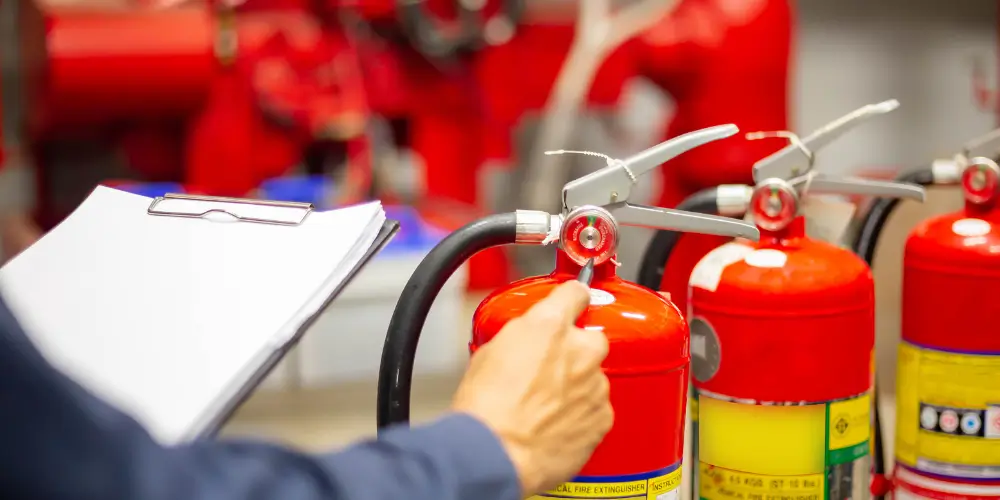
Assessors apply a blend of technical knowledge, observational acuity, and communication skills to evaluate fire risk competence in real-world settings. They conduct structured walk-throughs to spot hazards, verify fire detection and suppression systems, and assess means of escape. Practical skills include using checklists correctly, measuring equipment placement, and recognising deterioration or non-compliance. Observational acuity extends to human factors: occupant behaviour, storage practices, and housekeeping that increase risk. Assessors must record clear, evidence-based observations and link them to relevant legislation and guidance.
They demonstrate interviewing techniques to elicit accurate information from staff without leading responses. Report-writing skills translate findings into concise, prioritized actions with measurable outcomes. Time management and situational awareness guarantee assessments remain thorough under scheduling constraints. Finally, assessors practice professional conduct: maintaining objectivity, confidentiality, and clear communication with duty holders to promote remedial action and continuous improvement in fire safety management.
Career Paths, Demand and How to Choose a Training Provider
Where can a fire risk assessment qualification lead? Career paths branch into roles such as in-house fire risk assessor, consultant for private firms, compliance officer, facilities manager, or local authority inspector. Specialists may focus on healthcare, education, high-risk industrial sites, or heritage buildings. Demand is steady because of legal obligations, regular audits, and a growing emphasis on safety management; skilled assessors remain in high demand in construction, property management, and consultancy.
Choosing a training provider requires evaluating accreditation, course content, tutor experience, and assessment methods. Accredited providers aligned with recognised awarding bodies guarantee transferable qualifications. Practical elements, site-based training, and realistic case studies improve readiness. Prospective students should review pass rates, learner feedback, continuing professional development options, and post-course support such as mentoring or job-placement assistance. Cost matters, but value and recognised certification outweigh lowest-price options. A clear comparison of outcomes helps candidates align training with their intended career direction.
Frequently Asked Questions
Does This Qualification Expire or Require Periodic Renewal?
No, the certificate itself does not expire; however, employers and regulators may expect periodic refresher training or updates. The individual should undertake ongoing CPD and refresher courses to maintain competence and current knowledge of regulations and best practices.
Are There Recognised Employers Who Prefer This Certificate?
Yes. Many employers in facilities management, housing associations, local authorities, and fire safety consultancies recognise and prefer this certification for practical assessment roles, valuing its industry-aligned standards and demonstrable competence in risk evaluation and compliance.
Can the Course Accommodate Disabilities or Special Needs?
Yes. Providers typically offer reasonable adjustments for disabilities or special needs, such as extended time, accessible materials, assistive technology, alternative assessment formats, and venue accessibility; candidates should contact the course provider to arrange appropriate support.
Is Any Equipment or Software Required for Training?
Yes. The course typically requires basic equipment: a reliable computer or tablet, internet access, word processing software,e and a PDF reader. Optional tools include digital measurement apps and industry-specific software for practical exercises and report preparation.
Will This Qualification Be Accepted Internationally?
Recognition varies by country; many employers and regulators accept the qualification, but some jurisdictions require local certification or additional training. Prospective candidates should verify specific national or employer requirements before relying on international acceptance.
Conclusion
The Level 3 Certificate in Fire Risk Assessment equips practitioners with essential knowledge and practical skills to identify hazards, evaluate risks and recommend proportionate controls for non-complex premises. Compared with higher or specialist awards, it balances depth and accessibility, suiting facilities managers, small-business owners and aspiring assessors. Flexible delivery and workplace assessment support varied learners. Successful completion opens entry-level assessor roles, enhances compliance responsibilities and provides a platform for further professional development in fire safety.