
How to Wire an Electric Cooker: Wiring an electric cooker requires accurate load calculation, correct cable and breaker sizing, and strict adherence to local electrical codes. A competent homeowner with formal electrical training and experience on fixed appliance circuits may handle simple connections when the supply, fuse, consumer unit, and cable are clearly suitable. Call a qualified electrician if supply capacity is uncertain, protective devices are undersised, cable routing changes, permits are unclear, or for high‑load appliances. Further guidance explains checks, tools, and legal requirements.
Key Takeaways
- Confirm the cooker’s kW and voltage to calculate required current and whether a dedicated circuit is needed.
- Inspect fuse/MCB rating, consumer unit capacity, and existing cable size before any connection.
- Call a qualified electrician if supply capacity, cable length, or protective device suitability is uncertain.
- Hire a certified electrician for installations involving high-load cookers, relocations, or landlord safety compliance.
- Require professional testing, certification, and documentation (continuity, insulation, RCD, earth impedance) after installation.
Table of Contents
Can You Safely Wire Your Electric Cooker? Quick Decision Checklist
Can a homeowner safely wire an electric cooker, or do they need professional help? The decision hinges on competence, local regulations, and risk tolerance. A homeowner with formal electrical training, up-to-date knowledge of local codes, and experience with fixed appliance circuits can perform straightforward connections, provided the existing supply, isolation switch, and protective devices are appropriate.
If you have any doubts about supply capacity, earth fault protection, correct conductor sizing, or secure termination, consult a professional. Complexities include coordinating with the supply authority, guaranteeing correct circuit protection, and validating safe earthing and bonding.
Practical checklist: confirm skills and tools; verify the cooker’s connection method; inspect the consumer unit and space for a dedicated circuit; check isolation switch and cable route; assess earthing and RCD/MCB requirements; and obtain any required permits or inspections. When several checklist items fail, or when the homeowner cannot confidently verify compliance, engaging a qualified electrician guarantees safety and legal conformity.
Cooker Ratings and When a New Circuit Is Required
Cooker ratings, expressed in kilowatts (kW) and volts, determine whether an existing kitchen supply can safely handle a new electric cooker or if a dedicated circuit is required. The rated power indicates continuous and peak demand: higher kW values draw more current at the given voltage, so a 7 kW cooker on a 230 V supply needs around 30 A under full load.
Manufacturers provide exact load details; compare these against the capacity of the intended circuit. If the cooker’s current draw approaches or exceeds the rating of the existing ring or radial circuit, a dedicated circuit with an appropriately sized breaker and cable is necessary to prevent overload and nuisance tripping. Modern cookers with multiple hobs, ovens, or integrated features often require higher-rated circuits. Where uncertainty exists, a qualified electrician should calculate continuous load, diversity allowances, and protective device requirements to determine whether installation on an existing supply is safe or a new circuit is obligatory.
Check Your Kitchen Supply: Fuse, Consumer Unit, and Cable Size
Before installation begins, inspect the kitchen supply to confirm the fuse rating, consumer unit capacity, and cable size suit the cooker’s load. The existing fuse (or MCB) protecting the radial circuit should match the cooker’s current demand; an underrated device will trip frequently, while an overrated fuse can leave wiring under-protected. The consumer unit must have sufficient spare capacity and an appropriate type and space for a dedicated cooker circuit, with a suitably rated breaker or fused connection unit.
How to Wire an Electric Cooker: Cable size must correspond to the breaker rating and continuous load. Typical cooker circuits often require 6mm² twin-and-earth for higher ratings, but confirmation depends on site-specific load calculations, circuit length and installation method. Voltage drop and thermal grouping can affect sizing. If any element is undersised, damaged, or incompatible, replacement or rearrangement is necessary before connection. If ratings, protective devices, or compliance with local regulations are unclear, consult a qualified electrician to verify and remediate safely.
Tools & Gear for Electric Cooker Wiring (Safety Equipment Included)
With the supply and protective devices verified, attention turns to the specific tools and personal protective equipment required for safe cooker connection. Essential items are practical, reduce risk, and support correct termination without describing the step‑by‑step wiring itself. The selection below focuses on inspection, secure connections, and personal safety.
- Insulated screwdriver set and long‑nose pliers for screw terminals and conductor positioning.
- Digital multimeter and socket tester to confirm isolation and correct polarity before work.
- Correct‑rated cable stripper and crimping tool with boxing or ferrules matched to conductor size.
- PPE: insulating gloves, safety glasses, and kneepads; a voltage‑rated mat adds protection when standing at the unit.
Additional helpful items include a torch, marker for conductor identification, and small adjustable spanner for appliance connectors. Maintain all tools, ensure they are rated for electrical work, and use them only after confirming the circuit is isolated. If you lack required gear or confidence, engage a qualified electrician.
Wiring a Single‑Phase Cooker: Step‑by‑Step
Begin by confirming the single‑phase supply is isolated, and the supply voltage and protective device rating match the appliance requirements; only then proceed to identify the live, neutral, and earth conductors and prepare the correct conductor lengths and terminations. The installer inspects the cooker connection box, fits the correct-sized cable, and strips the conductors to the manufacturer’s lengths. Terminals are cleaned and screws checked; live to L, neutral to N, earth to the marked terminal. Tighten connections to the specified torque, and clamp any outer sheath to prevent strain. After wiring, the installer replaces covers, restores supply, and performs insulation and polarity checks using appropriate test equipment before energising controls and elements.
| Step | Action |
| 1 | Isolate supply and verify ratings |
| 2 | Prepare cable and strip conductors |
| 3 | Connect L, N, E to marked terminals |
| 4 | Secure sheath clamp and torque screws |
| 5 | Test polarity, insulation, and function |
Common Wiring Mistakes That Cause Trips, Overheating, or Fire
After completing the mechanical and electrical checks described above, installers should be aware that several common wiring errors can lead to nuisance trips, overheating, or even fire. Faults often arise from poor attention to conductor size, terminations, routing,g and protective devices. Each error alters current paths or heat dissipation, increasing risk.
- Undersised cable or incorrect fuse/circuit-breaker rating, causing excessive heating under normal load.
- Loose or corroded terminations at the cooker, junctions, or consumer unit, producing high-resistance joints and local hot spots.
- Shared neutrals or incorrect phasing in multi-core connections, creating imbalance, overloads, or unexpected return currents.
- Inadequate segregation or bundling without derating, reducing cooling and raising conductor temperature in prolonged use.
Clear labeling, correct conductor selection, secure connections, and adherence to cable routing practices reduce failures. Attention to these points prevents nuisance trips and mitigates the more serious hazard of ignition from overheated conductors.
When to Call a Qualified Electrician: Legal and Safety Triggers
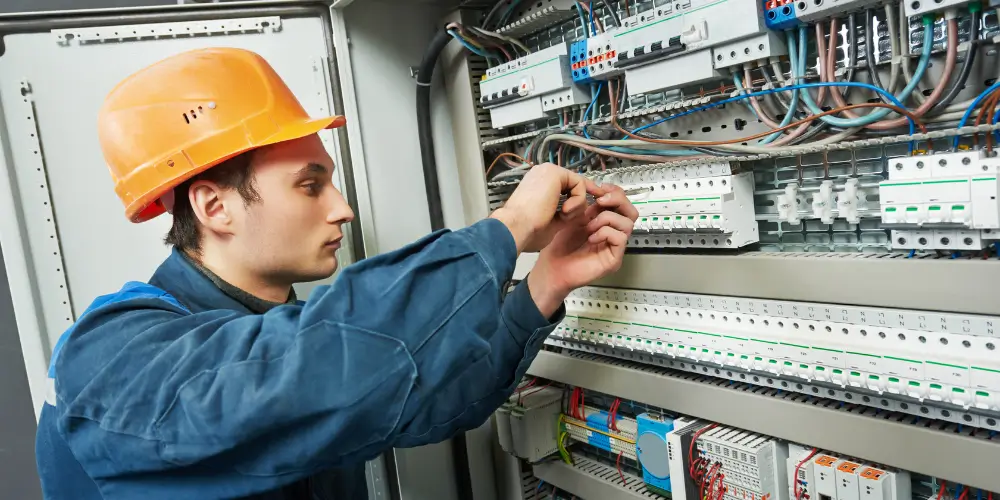
When should you call a qualified electrician for cooker wiring issues? Legal and safety triggers require professional involvement whenever alterations affect fixed wiring, circuit capacity, or compliance with local electrical codes. If a cooker installation requires a new dedicated circuit, upgraded cable size, or a different protective device rating, engage a qualified electrician to ensure legal compliance and safe load distribution.
Call a professional at Landlord Safety Experts, when persistent faults occur, repeated trip events, burning smells, visible overheating, scorched terminals, or melted insulation,n as these indicate hazardous conditions beyond basic troubleshooting. Also seek an electrician if the supply route crosses damp areas, shares a circuit with other high-load appliances, or if you plan relocations that change cable length or routing.
Additionally, landlords and property sellers must use certified electricians for statutory safety obligations. Any uncertainty about permit requirements, inspection records, or isolation procedures similarly warrants professional assessment to mitigate fire and shock risks and to document compliance.
Professional Install: Tests, Certification, and Typical Costs
Once you’ve identified the situations that require a qualified electrician, the next step is understanding what a professional installation involves: a sequence of safety and performance tests, the certification process that records compliance, and the typical costs homeowners can expect. A competent electrician will carry out a systematic set of checks to verify that supply, earthing, and protective devices match the cooker’s requirements. Results are recorded on a certificate that insurers or building control may require.
- Initial site assessment: supply capacity, cable route, and environmental suitability.
- Electrical tests: continuity, insulation resistance, polarity, RCD operation, and earth fault loop impedance.
- Certification: a formal completion certificate (e.g., BS 7671 compliance or local equivalent) with test readings and installer details.
- Typical costs: variable by region and complexity; expect a professional visit, testing, and certification charge rather than a simple parts-only fee.
These steps guarantee safety, legal compliance, and documented assurance for future property transactions.
Frequently Asked Questions
Can I Use My Existing Cooker Cable for an Induction Range Upgrade?
He likely can only if the existing cable matches the induction range’s required current, conductor size, and connection type; otherwise, a heavier cable or dedicated circuit is needed, and a qualified electrician should verify and install safely.
What Is the Lifespan of a Cooker Isolation Switch?
A cooker isolation switch typically lasts 10–20 years depending on usage, load,d and quality. Regular inspections can reveal wear, overheating, or contact deterioration; replacement is advised if signs of damage, intermittent operation, or safety concerns appear.
Can a Smart Home System Control My Cooker’s Power Remotely?
Yes, a smart home system can control a cooker’s power remotely, but the user should verify compatible, certified smart switches or relays are installed, follow safety regulations, and consult a qualified electrician for high-power connections and code compliance.
Do Homeowners Need Electrical Training Before DIY Cooker Wiring?
No; homeowners do not need formal electrical training, but they should not attempt complex cooker wiring without experience. Those lacking competence must hire a qualified electrician to guarantee safe installation, legal compliance, and proper circuit protection.
Can Solar or Battery Systems Power an Electric Cooker Temporarily?
Yes. They note that solar panels with sufficient inverter capacity or battery systems can temporarily run an electric cooker, but only for a limited time and load; professional assessment is recommended to guarantee compatible voltage, amperage, and safe connections.
Conclusion
How to Wire an Electric Cooker: Deciding whether to wire an electric cooker hinges on safety, ratings, and local regulations. If the appliance requires a dedicated circuit, appropriate cable size, or changes to the consumer unit, engage a qualified electrician. DIY is appropriate only for competent individuals doing simple, low‑risk tasks with the right tools and safety gear. Professional installation ensures proper testing, certification, and peace of mind, reducing the risk of trips, overheating, fire, and legal liability.