A concise guide outlines required fire protection equipment, placement, inspection schedules and legal duties for safe premises. It covers portable extinguishers, automatic suppression systems, detectors, alarms, sprinklers, and means of egress. It explains selection by hazard, routine maintenance, training, drills and documentation. It advises budgeting, procurement best practice and independent verification to meet compliance and manage costs. Continue for practical checklists, placement maps, maintenance timetables and training templates to implement these measures.
Key Takeaways
- Maintain written fire risk assessments, action plans, and trained competent personnel to meet legal requirements.
- Install and maintain portable extinguishers, automatic suppression, detectors, alarms, and clear egress routes.
- Choose extinguisher classes and sizes based on specific hazards, with regular inspections and servicing logs.
- Train staff with simple, modular drills, defined roles, and documented exercises including corrective actions.
- Budget for certified equipment, lifecycle costs, service contracts, and independent verification to ensure long-term compliance.
Table of Contents
Quick Checklist: What This Guide Covers and How to Use It
This quick checklist outlines the scope of the guide. It explains how readers should use it: concise summaries of required equipment, inspection and maintenance routines, legal and safety standards, and guidance for emergency response plans. It presents clear objectives, defines who benefits, and sets expectations for practical outcomes without prescribing specific models or brands.
The structure prioritises autonomy: brief sections enable selective reading, actionable items support independent decision-making, and references point to regulatory texts for verification. Inspection schedules are framed as essential rhythms rather than burdens, maintenance steps emphasise predictable tasks, and recordkeeping is shown as a tool for control and liability reduction. Safety standards are summarised with pointers to authoritative sources so readers may choose compliance paths that fit their context. Emergency response guidance highlights roles, communication protocols, and rehearsal frequency to foster confident, self-directed preparedness.
Essential Fire Protection Equipment: What You Need and Why
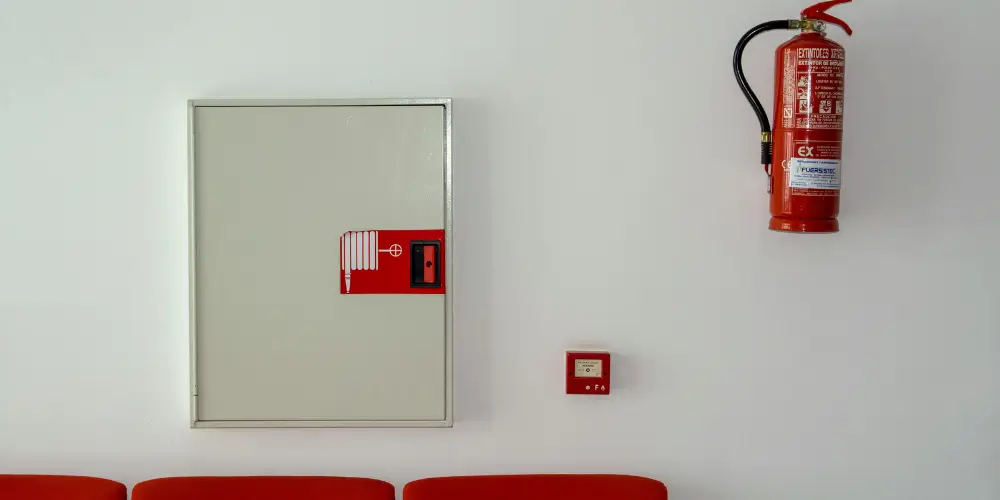
Although equipment needs vary by occupancy and risk, a baseline set of fire protection tools is universal: portable extinguishers, automatic suppression systems, detection and alarm devices, and means of egress components. The section outlines why each element matters and how it preserves occupants’ autonomy and safety. Portable extinguishers offer immediate response; suppression systems control fires beyond handheld reach; detectors and alarms provide early warning; egress features guarantee unimpeded escape. Maintenance, clear signage, and unobstructed routes are emphasised so people can act freely and confidently.
| Equipment | Purpose |
| Portable extinguishers | Immediate suppression of small fires |
| Automatic suppression | Rapid control of developing fires |
| Detection & alarms | Early warning to enable action |
| Means of egress | Safe, accessible escape routes |
| Maintenance & signage | Reliability and informed choices |
Selection should match hazards, and inspection schedules must be followed. The aim is effective protection that enables occupants to preserve freedom of movement and decision during an emergency.
Choose and Use the Right Fire Extinguisher for Your Space
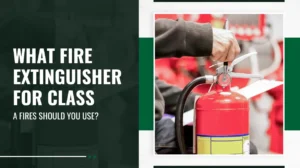
Having established the role of extinguishers within a broader fire protection strategy, the discussion turns to choosing and using the correct extinguisher for specific hazards and spaces. Decision-making centers on risks: combustible solids, flammable liquids, energised electrical equipment, or cooking oils each demand a compatible extinguisher class. Selection favors multi-class units when mixed hazards exist, but single-class devices may suffice where risks are well defined. Size and portability matter; larger capacity offers longer discharge but must remain manageable for likely users.
Quality, certification, and maintenance history guarantee reliability; inspections, pressure checks, and timely servicing preserve readiness. Usage training emphasises evaluating escape routes, pulling the pin, aiming low, using a sweeping motion, and retreating if conditions worsen. Ownership implies responsibility: regular recharge after use, correct disposal of expired units, and choosing environmentally and user-friendly agents when possible. Ultimately, tailored choices and competent use empower occupants to act decisively while preserving personal freedom to manage emergent risks safely. Here is the guide for Types of Fire and Fire Extinguisher Guide for Everyday Safety.
Where to Place Detectors, Alarms, Extinguishers, and Sprinklers
Where should detectors, alarms, extinguishers, and sprinklers be located to provide timely warnings and effective suppression without creating blind spots or access barriers? Placement should prioritise clear lines of detection, rapid occupant response, and unobstructed access for users who value autonomy. Smoke and heat detectors belong on ceilings or high on walls, away from drafts, windows, and vents; install in hallways, sleeping areas, kitchens with heat sensors, and at each level. Audible and visual alarms must be audible in all occupied zones and visible to persons with sensory needs.
Fire extinguishers should go near exit routes, kitchens, workshops, and mechanical rooms, mounted at reachable heights and not blocked by furniture or storage. Sprinkler heads require even coverage, avoiding placement near beams, light fixtures, or decorative elements that impede spray patterns. Equipment should avoid narrow corridors or locked closets unless multiple accessible units exist. Strategic placement guarantees individuals maintain freedom of movement while maximising early warning and effective suppression.
Inspection & Maintenance Schedule for Fire Protection Equipment
A consistent inspection and maintenance schedule guarantees fire protection equipment remains reliable and effective. Equipment owners and managers should establish clear intervals: daily visual checks for obvious damage or obstruction; monthly functional tests for alarms, emergency lights, and manual call points; quarterly inspections for portable extinguishers (pressure, seals, accessibility); semi-annual servicing for complex detection systems; and annual thorough inspections and maintenance by qualified technicians for sprinklers, fire pumps, and suppression systems.
Records must document dates, findings, corrective actions, and responsible persons to preserve accountability and enable independent review. Tests and repairs should use manufacturer-approved parts and follow performance standards to avoid degradation. When defects appear, prompt isolation, repair, or replacement preserves readiness without unnecessary downtime. Training empowers occupants to perform basic checks and report faults, supporting autonomy while keeping systems operational. A disciplined schedule balances operational freedom with uncompromised safety.
Legal Requirements You Must Meet (UK & Similar Jurisdictions)
Because fire safety duties are enforced by statute and regulation, building owners and responsible persons in the UK and similar jurisdictions must comply with specific legal obligations covering risk assessment, equipment maintenance, recordkeeping, and competent personnel. The law requires documented fire risk assessments, timely servicing of extinguishers, alarms and suppression systems, and retention of clear maintenance logs. Compliance protects occupants and preserves the freedom to operate premises without legal interruption.
- Guarantee a current, written fire risk assessment and action plan.
- Maintain and test fire detection, alarms, emergency lighting, and extinguishers per standards.
- Keep accurate, accessible records of inspections, repairs, and contractor credentials.
- Appoint competent persons or contractors to manage fire safety duties.
Failure to meet these duties can lead to enforcement notices, fines, or prosecution. Responsible parties should prioritise lawful, proportionate measures that balance safety with operational liberty, and seek professional advice where uncertainty exists.
Training and Emergency Drills Staff and Families Should Practice
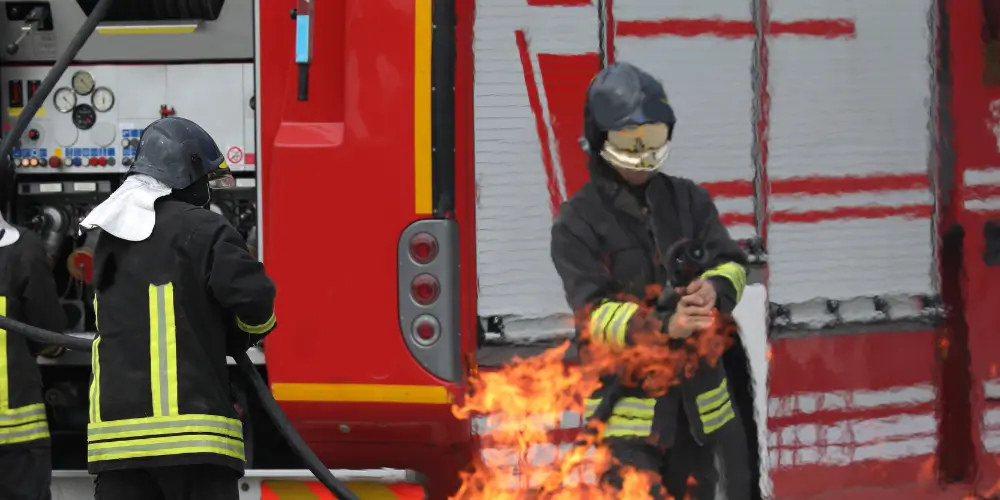
Prepare staff and families through regular, structured training and realistic emergency drills that reinforce roles, evacuation routes, use of firefighting equipment, and communication protocols; these exercises should be scheduled, documented, and reviewed to correct weaknesses, guarantee confidence, and confirm that plans work for people with differing needs. Personnel and household members practice clear decision-making, rapid egress, and basic extinguisher use under supervision. Drills include varied scenarios: kitchen fires, electrical faults, blocked exits and periodic unannounced simulations to test responsiveness.
Roles and responsibilities are concise: wardens, floor sweeps, designated communicators, and assistors for mobility‑impaired individuals. Records track attendance, timings, issues found, and corrective actions. Training materials are straightforward, accessible, and modular so participants can learn at their own pace and retain autonomy. Communication protocols prioritise simple signals, redundancies (alarms plus messages), and confirmation of safe assembly. After-action reviews focus on actionable fixes, not blame, fostering trust and the freedom to raise concerns and suggest improvements.
Budgeting and Procurement: Cost‑Effective Buying, Rental, and Service Options
Effective budgeting balances risk reduction with fiscal restraint, guiding procurement choices toward equipment, rentals, and services that deliver verified performance and longevity. The discussion emphasises selecting certified gear, comparing total cost of ownership, and retaining flexibility through rental or lease options to preserve capital and autonomy. Procurement should prioritise warranties, service contracts, and supplier reputation while avoiding lock‑in.
- Assess needs: match capacity to risk, avoid overbuying.
- Compare lifecycle costs: purchase price, maintenance, training, disposal.
- Consider rentals: short‑term demands, event coverage, or scaling during changes.
- Negotiate service: bundled inspections, volume discounts, and emergency response clauses.
Budget plans should allocate contingency for replacement and regulatory upgrades. Independent verification third‑party testing and references protects buyers seeking freedom from vendor constraints. Transparent procurement policies, periodic reviews, and competitive bidding maintain fiscal discipline without compromising protection. This approach enables resilient, cost‑effective fire protection that aligns with operational independence and long‑term safety goals.
Frequently Asked Questions
How Does Climate (Humidity, Salt Air) Affect Equipment Lifespan?
Humidity and salt air accelerate corrosion, degrade seals, electronics, and coatings, and shorten service life; maintenance frequency and protective measures must increase, allowing equipment owners autonomy to choose inspection intervals and anti-corrosion strategies that preserve functionality.
Can Pets Trigger Home Fire Detectors or Alarms?
Yes; small pets can trigger home smoke or heat alarms via fur, dander, or cooking-like aerosols. The observer notes that detector placement, pet size, activity, and sensor type influence false alarms, so adjustments preserve autonomy and safety.
Are Smart Home Fire Devices Vulnerable to Cyberattacks?
Yes, smart home fire devices can be vulnerable to cyberattacks. The user should assume possible exploits, demand firmware updates, enable strong authentication, segment networks, and prefer open standards to preserve control and minimise outsider interference with safety systems.
What Disposal Rules Apply to Used Extinguishers and Smoke Alarms?
Used extinguishers and smoke alarms must be recycled or disposed of per local hazardous-waste rules; batteries and pressurised cylinders require separate handling. The individual seeks proper municipal drop-off, certified recycling, or retailer take-back to preserve autonomy.
Do Antiques or Historic Buildings Require Special Fire Protection Approaches?
Yes. They often require tailored fire protection that balances preservation and safety: discreet detection, noninvasive suppression, sympathetic routing, and documented, risk-based solutions developed collaboratively with preservation authorities to respect liberty and historic integrity.
Conclusion
In conclusion, effective fire protection depends on selecting appropriate equipment, strategic placement, regular inspection, and compliant maintenance. Training occupants and conducting realistic drills reinforce readiness, while understanding legal obligations guarantees safety standards are met. Cost-conscious procurement, including service and rental options, supports sustainable preparedness. By following the checklist and recommended schedules, organisations and households can markedly reduce fire risk, protect lives and property, and maintain long-term resilience against emergencies.