A carbon monoxide detector is a small electronic device that continuously senses odorless, colorless CO gas and alerts occupants before levels become dangerous. It uses electrochemical or similar sensors and triggers audible warnings when thresholds are reached. Homes with fuel-burning appliances, attached garages, or generators are at risk of leakage. Regular testing, proper placement near sleeping areas, and timely replacement keep families safe. Continue to the full guide to learn placement, maintenance, and response steps.
Key Takeaways
- A carbon monoxide detector is an electronic device that senses invisible, odorless CO gas to warn occupants of unsafe levels.
- Homes need detectors because common appliances, vehicles, and generators can produce deadly CO from incomplete combustion.
- Detectors use electrochemical, semiconductor, or biomimetic sensors to trigger alarms at dangerous concentration thresholds.
- Install detectors near sleeping areas, on every floor, and close to fuel-burning appliances, following manufacturer placement guidance.
- If an alarm sounds, evacuate immediately, call emergency services from outside, and seek medical attention for symptoms.
Table of Contents
What Is a Carbon Monoxide Detector and How Does It Work
A carbon monoxide detector is a compact electronic device designed to detect and alert occupants to carbon monoxide (CO), an odorless, colorless gas produced by incomplete combustion.
It houses a sensing element, electrochemical, metal-oxide-semiconductor, or biomimetic that reacts selectively with CO molecules, producing an electrical signal proportional to the concentration. An internal microcontroller interprets this signal against preset thresholds and triggers audible, visual, and sometimes digital alerts when levels rise toward hazardous ranges. Power options include replaceable batteries, sealed long-life cells, or mains with battery backup, ensuring continuous operation without dependence on a single source.
Installation is straightforward: place units near sleeping areas and living spaces to maximise rapid detection. Maintenance is minimal yet essential regular testing, timely battery replacement, and adherence to manufacturer lifespan recommendations preserve reliability. The device empowers occupants to act decisively, preserving independence by providing a clear, timely warning of an invisible risk.

Common Household CO Sources You Might Miss
Where might carbon monoxide be quietly produced inside a home? Unvented or poorly vented combustion appliances often generate CO: gas furnaces, water heaters, space heaters, and wood-burning stoves.
Vehicles left running in attached garages can send exhaust fumes into living spaces through gaps or shared vents. Portable generators used for backup power, especially when operated near doors or windows, are frequent offenders. Cooking appliances, such as gas stoves and ovens, can emit CO when burners are clogged or ventilation is inadequate.
Fireplaces with blocked chimneys or dampers closed during smoldering fires pose a risk. Older or poorly maintained boilers and clothes dryers venting into crawlspaces can leak carbon monoxide into the house. Even charcoal grills used indoors or in enclosed porches produce CO.
Routine maintenance, proper ventilation, and keeping combustion devices outside living areas reduce these hidden sources. A detector offers an independent safeguard against unnoticed, liberty-restricting hazards.
CO Risks: Symptoms and Exposure Levels
Recognise carbon monoxide as an odorless, colorless gas that can incapacitate occupants before symptoms are obvious. Exposure levels and duration determine effects: low concentrations (1–70 ppm) may cause headache, fatigue, and dizziness over hours; moderate levels (70–150 ppm) produce more pronounced headaches, nausea, and impaired judgment within one to several hours; high concentrations (150–400 ppm) lead to severe headaches, confusion, chest pain, and loss of coordination within an hour.
Very high levels (over 400–800 ppm) can cause unconsciousness and death within minutes to an hour. Vulnerable individuals children, pregnant people, older adults, and those with heart or lung disease absorb CO more readily and may suffer faster, more severe harm.
Because symptoms mimic flu or intoxication, reliance on sensation is risky. Freedom to live safely depends on recognising exposure patterns: unusual symptoms that improve away from a building, multiple people affected simultaneously, or pets ill in similar ways all suggest CO presence and demand immediate evacuation and professional assessment.
Where to Place CO Detectors and How Many You Need
Because carbon monoxide cannot be seen or smelled, proper detector placement and sufficient coverage are essential to guarantee timely alerts throughout a home. The guidance emphasises placing a detector near sleeping areas, on each floor, and close to major fuel-burning appliances while avoiding corners, direct drafts, or overly humid spots. Open layouts may need fewer units; compartmentalised homes require more. Occupants who prize autonomy can plan coverage to match routines and floor plans.
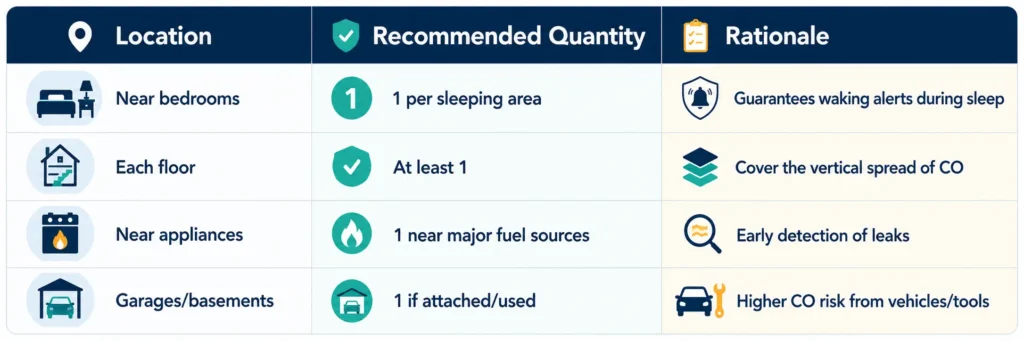
Placement should follow manufacturer spacing, mounting height guidance, and local code. Regular testing and battery replacement preserve freedom by preventing unexpected failures and guaranteeing reliable protection. Learn in detail where to place the carbon monoxide alarm for ultimate protection.
CO Detector Types for Homes: Pros and Cons
Compare common residential carbon monoxide detector types by sensing technology, power source, and features to weigh their strengths and weaknesses for specific household needs. Electrochemical sensors offer high accuracy and low false alarms, favored for living spaces and bedrooms; they tend to be pricier but deliver reliable readings.
Metal-oxide-semiconductor units are inexpensive and durable, yet less selective and prone to drift, making them better suited as secondary indicators rather than as sole protection. Biomimetic sensors simulate breath chemistry, balancing cost and performance, though they often have slower response times.
Regarding power, plug-in detectors provide continuous operation but depend on outlet placement; battery-powered models grant placement freedom and survive outages if batteries are maintained; sealed long-life battery units reduce maintenance. Hardwired detectors integrate with home systems and may include interconnectivity for whole-house alerts, though installation is more involved. Choosing between types requires matching sensor reliability, placement flexibility, maintenance preference, and budget.
Buying Guide: Features & Safety Certifications
What features and certifications truly matter when selecting a residential carbon monoxide detector? A buyer seeking control and safety should prioritise reliable sensors, clear alerts, and verified standards. Focus on independence devices that protect without constant supervision and certifications that guarantee performance.
- Sensor Type and Longevity: Electrochemical sensors offer accuracy; note expected service life and end-of-life signals.
- Audible and Visual Alerts: Distinct, loud alarms plus LED indicators or digital readouts facilitate rapid response and informed decision-making.
- Power and Maintenance Options: Battery backup, low-battery warnings, and replaceable versus sealed power sources support uninterrupted protection.
Choose models that combine certified testing, precise sensing, and straightforward maintenance.
This allows residents to remain free and confident, relying on proven technology rather than guesswork, while maintaining a clear plan for replacement and upkeep.
Installing and Testing a CO Detector
Having chosen a certified, reliable CO detector with a suitable sensor and power plan, attention turns to proper placement and verification so the device can perform independently when needed.
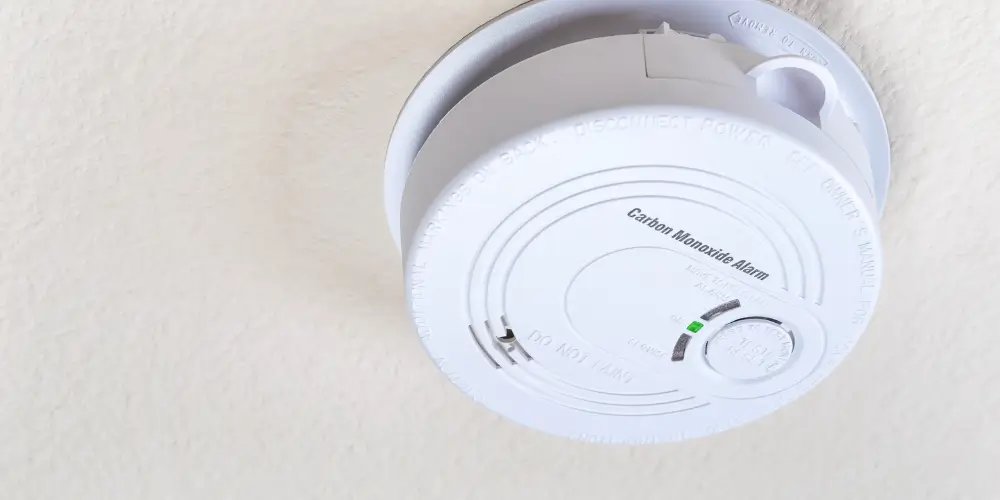
Where to Install a Carbon Monoxide Alarm in Your Home (UK Safety Guide) Install detectors on each floor, near sleeping areas and adjacent to fuel-burning appliances, mounting at knee or eye level per manufacturer guidance so alarms sense the gas where people breathe. Avoid dead air spaces, direct sunlight, and humid locations; do not place inside kitchens or garages where nuisance triggers are common.
Hardwired units require installation by a qualified electrician; plug-in and battery models allow homeowners to install them with basic tools. After mounting, follow the test procedure: power the unit, press the test/reset button to confirm horn and indicator lights, and consult the manual for approved test kits or CO source simulations.
Record installation locations and test dates for personal records. Encourage autonomy by teaching household members alarm sounds and evacuation steps so occupants can act swiftly and confidently if an alert occurs.
Maintenance, Lifespan, and When to Replace Your Detector
Regular maintenance guarantees a carbon monoxide detector remains reliable throughout its service life. Owners should perform monthly function tests, replace batteries per manufacturer instructions or when low-battery warnings occur, and clean sensors and vents gently to remove dust and debris.
Periodic checks preserve freedom from unexpected failure and clarify when replacement is necessary. Detectors have manufacturer-specified lifespans, commonly 5–10 years; after that, internal sensors degrade and must be replaced. Records of purchase and installation dates help track end-of-life. Signs that prompt earlier replacement include frequent false alarms, failure to pass tests, or a persistent fault indicator.
- Note manufacturing and expiration dates on the unit and in home records.
- Replace batteries annually or as advised; use recommended battery types.
- Swap out detectors reaching the manufacturer’s end-of-life, even if they appear functional.
- Consult the manual or manufacturer for sensor-specific guidance and product recalls.
What to Do When an Alarm Sounds: Immediate Steps and Plan
When a carbon monoxide detector sounds, occupants should act immediately to protect life and health: evacuate everyone outdoors to fresh air, account for all household members and pets, and call emergency services from a safe location. The detached response prioritses clear, autonomous action: do not re-enter the building until professionals declare it safe. If anyone shows symptoms of headache, dizziness, or nausea, seek medical attention and inform responders about possible CO exposure.
After evacuation and calls, shut off potential sources of combustion, such as gas appliances, if possible without risk, and move upwind. Report the event to the utility company and consider arranging a professional inspection of heating systems, chimneys, and venting. Document what happened: time, alarm behavior, conditions, and actions taken. Restore access only with official clearance. Emphasise preparedness: keep detectors functioning, maintain freedom by knowing escape routes, and practice the plan so each occupant can act decisively and independently.
Frequently Asked Questions
Can CO Detectors Interfere With Smart Home Devices or Wi‑Fi Networks?
They rarely interfere; most CO detectors use low‑power radio or wired connections and won’t disrupt Wi‑Fi or smart devices. Isolated RF or faulty wiring could cause issues, but typical units coexist peacefully with home networks.
Can Pets Trigger False CO Alarms or Affect Detector Placement?
Pets rarely trigger CO alarms, as detectors sense gas, not animals; however, curious pets can tamper with or obstruct units, so placement should be out of reach, secure, and follow manufacturer height and clearance recommendations to preserve freedom.
Are There Legal Requirements for CO Detectors in Rental Properties?
Requirements vary by jurisdiction; landlords often must install CO detectors in rentals, especially near sleeping areas and fuel-burning appliances. Tenants should verify local laws, and landlords must maintain and replace detectors as mandated.
Do CO Detectors Need Recalibration, and How Is It Done?
Yes, they sometimes require recalibration; the owner checks the manual, uses manufacturer-provided tools, or hires a certified technician to perform sensor calibration or replacement, ensuring autonomous safety and preserving device accuracy at specified intervals and in accordance with local regulations.
Can Emergency Responders Reset or Test My CO Detector for Me?
Yes, emergency responders can test or reset a CO detector in an emergency, though their priority is safety. They may recommend professional service or replacement; the homeowner retains the freedom to pursue manufacturer or technician options afterward.
Conclusion
A carbon monoxide detector is an essential, often life‑saving device that monitors invisible, odorless gas produced by everyday household appliances. Proper placement, regular testing, and timely replacement maximse protection against poisoning from overlooked sources like furnaces or generators. Choosing certified, well‑maintained detectors tailored to the home layout and following clear alarm response plans dramatically reduce risk. Families benefit from combining detector types, adherence to safety guidance, and prompt action when alarms occur.