In the UK, replacing a consumer unit typically costs £400–£800, with most standard swaps around £500–£650. Price depends on region, property size, board access, and the number of circuits, since each way needs connection and testing. Quotes usually include the new unit, removal of the old board, labelling, full inspection/testing, and certification with Part P notification. Costs can rise for earthing/bonding upgrades, new tails, remedial faults, or adding an SPD. Further details explain how quotes compare.
Key Takeaways
- Typical consumer unit replacement costs £400–£800, with most standard installations priced around £500–£650.
- Price rises with more circuits, difficult access, older wiring, and larger properties needing extra labour and devices.
- Quotes usually include the new unit, protective devices, removal of the old board, full testing, labelling, and certification/Part P notification.
- Extra costs can come from failed test results, replacing tails, upgrading earthing/bonding, adding an isolator, or fitting a surge protection device (SPD).
- Split-load boards are cheaper; all-RCBO boards cost more but reduce nuisance trips by keeping faults isolated to one circuit.
Table of Contents
Average Consumer Unit Replacement Cost (UK)
Consumer-unit replacement typically costs UK homeowners around £400–£800 on average, with most standard swaps falling in the £500–£650 range. Prices vary by region, property type, and how straightforward the changeover is, so a like-for-like quote in one town may not travel well to another.
At the lower end sit small flats with simple wiring and easy access to the meter position. Higher figures are more common in larger homes, older properties, or where the board location is awkward to work on.
Upgrading to a larger, more future-proof unit can also move the total upward, especially for households planning EV charging, heat pumps, workshops, or garden offices. Because electrical safety rules are strict, reputable electricians price in time for compliant testing and sign-off, and they may charge more for short-notice work. Getting multiple itemised quotes helps homeowners stay in control.
What’s Included in Consumer Unit Installation Cost
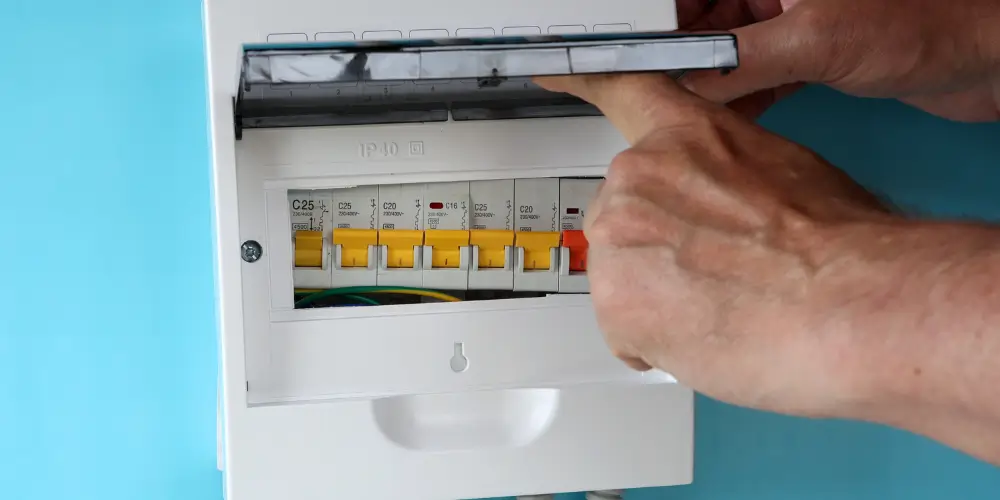
Although the headline figure looks like a simple “board swap”, a proper consumer unit installation cost usually covers the new unit and protective devices (such as RCDs/RCBOs), removal and safe disposal of the old fuse box, labour to re-terminate and label circuits, full inspection and testing to confirm the installation is compliant, and the required certification/Building Regulations notification where applicable.
It may also include minor enclosure work, fitting a new main switch, and verifying earthing and bonding so the home’s electrical system is safely grounded. Allowance is often made for making good around the board, upgrading tails and meter isolators where the network operator requires it, and providing clear circuit schedules so occupants can isolate power quickly without guesswork.
A reputable quote should state what is fixed-price versus provisional, the expected duration, and whether power will be off for part of the day. That transparency protects choice, avoids surprise add-ons, and keeps control with the homeowner.
RCBO vs Split-Load: Cost, Safety and Value
Once the quote has clarified what’s included devices, testing, labelling and certification the next decision is the protection layout inside the new board: a split-load arrangement with shared RCDs, or an all-RCBO configuration with one device per circuit. Split-load boards usually cost less in parts, which can keep the headline price down. The trade-off is shared protection: a nuisance trip on one circuit can drop power to multiple areas, limiting control and convenience.
An RCBO layout typically costs more upfront because every circuit has its own combined overcurrent and residual-current device. In return, it isolates faults to a single circuit, reduces disruption, and can simplify fault-finding.
From a safety standpoint both can be compliant when correctly designed and tested, but RCBOs often deliver better discrimination and fewer unexpected outages. For households prioritising autonomy and minimal downtime, the extra spend can represent strong long-term value overall.
Circuit Count: How It Changes Installation Price
Because a new board must be configured, tested and certified circuit by circuit, the total number of circuits has a direct effect on installation price. Each outgoing way needs identification, connection, functional checks, and recorded test results, so labour rises predictably as circuits increase. A small flat with six circuits is typically quicker to swap than a family home with twelve to eighteen.
Circuit count also influences the hardware chosen. More circuits can require a larger consumer unit, additional RCBOs/MCBs, spare ways for future expansion, and more labelling. Where installers must preserve a client’s freedom to add loads later EV charging, heat pumps, a workshop feed extra ways and capacity may be priced in from the start.
Quotations often use tiers (for example, up to 10 circuits, 11–15, 16+). Asking for a circuit schedule upfront helps compare quotes on equal terms.
Remedial Work That Increases the Final Cost
Even with a like-for-like consumer unit swap quoted, remedial work discovered during isolation, inspection, and testing can quickly raise the final price. Electricians may find heat-damaged tails, loose terminations, or brittle insulation that must be replaced to keep the installation safe and compliant. Hidden junction boxes, mixed cable sizes, or DIY alterations can force circuit tracing, rewiring of sections, and extra materials, extending labour time and making the “simple swap” less simple.
For those who value freedom from repeat callouts and nuisance trips, agreeing to targeted remedial work can buy reliability and reduce future disruption to the household.
Earthing and Bonding Upgrades: Common Extras
While the new consumer unit may be the headline item, earthing and bonding often become the most common “extras” during a replacement, since the electrician must confirm that the installation’s main earthing conductor and protective bonding to services (such as gas and water) meet current safety requirements before the board can be signed off.
If the existing conductors are undersized, missing, poorly terminated, or routed in a way that compromises continuity, upgrades are typically required to keep the property safe and the work certifiable. Costs often rise where older homes lack bonding to incoming metal pipework, where meter tails and earth clamps need renewing, or where the earthing arrangement must be verified with testing and documentation.
Access matters: concealed runs, boxed-in services, or difficult meter positions can add time. These upgrades are not “nice-to-haves”; they protect occupants and reduce the risk of faults turning everyday metalwork into a shock hazard, supporting confident, unrestricted use of the electrical system.
Surge Protection (SPD) and Other Add-Ons
Although a consumer unit replacement can be completed without optional enhancements, surge protection devices (SPDs) and other add-ons are frequently proposed to improve resilience and compliance, and they can materially change the final price.
An SPD helps limit transient overvoltage from switching events or external disturbances, reducing the chance of damage to routers, TVs, EV chargers, and smart controls. Where required or strongly recommended, it adds parts cost and modest extra labour, but can prevent far larger replacement bills and downtime. Other common add-ons include extra RCBO ways for future circuits, upgraded main switch isolators, clearer labelling, spare blanks, and improved enclosure selection for tight spaces.
Some households choose split-load to full-RCBO upgrades for better fault isolation, or fit a dedicated surge-protected circuit for sensitive equipment. For those who value choice and control, these options allow a tailored board: pay only for protection and capacity that matches lifestyle, appliances, and expansion plans.
Testing, Certificates and Part P Notification Fees
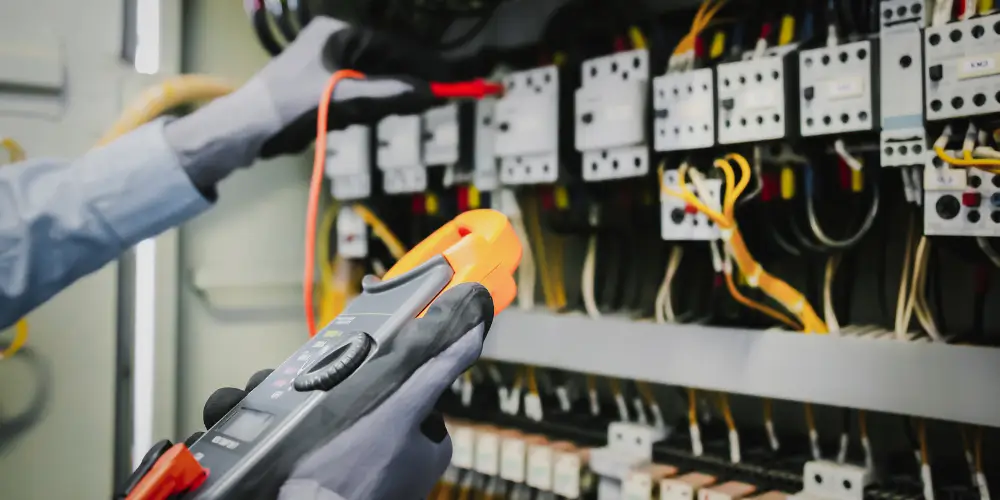
A consumer unit change is not complete until the installation has been tested, documented, and, where applicable, notified under Part P of the Building Regulations. Proper testing covers continuity, insulation resistance, polarity, earth fault loop impedance, RCD/RCBO trip times, and functional checks, confirming the new board protects people and property as intended.
Costs typically include certification: an Electrical Installation Certificate (EIC) for a full consumer unit replacement, plus a schedule of inspections and test results. These documents protect the householder’s ability to sell, insure, or rent without needless disputes.
If the electrician is registered with a competent person scheme, Part P notification is usually included and a Building Regulations compliance certificate follows. If not, local authority building control may charge a separate notification/inspection fee. Buyers should ask who will notify, what certificate will be issued, and whether test results are itemised.
Install Time, Power Downtime and Quote Checks
Because a consumer unit replacement affects the whole supply, installation time and planned power downtime should be clarified upfront, along with basic quote checks that prevent delays and surprise extras. Most straightforward swaps take half a day, while messy meter tails, split-load changes, or surge protection can push work into a full day. A clear plan lets occupants choose a slot, protect food storage, and keep work, care duties, and security systems running with minimal disruption.
Power may be off for several hours during isolation, changeover, and testing. Installers should state whether partial power can be restored between tests, and whether the DNO must attend for fuse removal or service head issues. Quote checks should confirm: exact unit type (RCBO or dual RCD), number of ways, SPD inclusion, bonding upgrades, new tails and isolator, making-good, disposal, and certificate delivery timeline. Transparent scope protects choice and budget.
Frequently Asked Questions
How Often Should a Consumer Unit Be Inspected After Installation?
A consumer unit should be inspected at least every 10 years, or sooner if rented, altered, or showing faults. They may choose more frequent checks to stay independent, safe, and compliant with evolving electrical standards.
Can I Reuse Existing Circuits When Upgrading the Consumer Unit?
Existing circuits can often be reused when upgrading a consumer unit, provided they test safe and compliant. A qualified electrician should verify insulation, earth continuity, RCD protection, and correct labeling, ensuring freedom from hidden faults.
Will a New Consumer Unit Reduce My Electricity Bills?
A new consumer unit typically won’t reduce electricity bills; it improves safety and control rather than energy use. Savings occur only if it enables efficient tariffs, load management, or fault reduction, supporting greater personal choice.
Do I Need Landlord or Freeholder Permission for Consumer Unit Replacement?
Usually yes: tenants typically need landlord consent; leaseholders may need freeholder or managing agent approval under the lease. Owners in freehold usually decide freely, but must follow building regs and notify insurers where required.
What Brands of Consumer Units Are Considered Most Reliable in the UK?
Most reliable UK consumer unit brands are often cited as Hager, Wylex, MK, Schneider Electric, Eaton, and Contactum. Choice should prioritise compliant RCBO/AFDD options, robust build, and easy isolation supporting independent, safe control of circuits.
Conclusion
Replacing a consumer unit is a common UK electrical upgrade, but costs vary widely depending on the property, circuit count and the condition of existing wiring. Quotes typically include supply, fitting, testing and certification, while extras often arise from earthing and bonding upgrades, remedial faults, or optional surge protection. RCBO boards can cost more upfront yet improve safety and fault-finding. A clear written quote, realistic downtime expectations and Part P notification help guarantee value.