The Agreed Limitation on Eicr is essential for understanding electrical safety. It highlights the boundaries of what an EICR can assess, primarily focusing on visible components. This limitation raises significant concerns about possible hidden risks. Property owners may underestimate the implications of these constraints. Understanding them can lead to better safety practices and informed decisions. What steps should one take to guarantee thorough electrical safety beyond the EICR?
Key Takeaways
- EICR identifies current electrical safety issues, but cannot predict future problems or wear over time.
- The report focuses on visible installations, possibly overlooking hidden faults or danger.
- EICR does not assess the safety of portable appliances or external wiring.
- Misunderstanding EICR’s limitations may lead to false confidence in overall electrical safety.
- Regular inspections and maintenance are essential to address risks not covered by EICR.
Table of Contents
What an EICR Can and Cannot Tell You About Electrical Safety
An Electrical Installation Condition Report (EICR) is an essential document for evaluating electrical safety in a property. This report provides a thorough assessment of the electrical systems, identifies possible dangers, ensures compliance with safety standards, and offers a snapshot of the installation’s condition. It highlights areas needing urgent attention and areas that are generally safe, within the scope of the Agreed Limitation on Eicr.
However, an EICR does not guarantee complete safety or predict future issues. It reflects the state of the electrical installations at the time of inspection, but cannot account for subsequent wear, unforeseen damage, or changes in usage.
In addition, it does not cover non-electrical components or systems that may influence overall safety. Consequently, while an EICR is a valuable tool for raising awareness and supporting informed decisions, it should be viewed as part of a broader method for maintaining electrical safety and protecting personal freedom in property management.
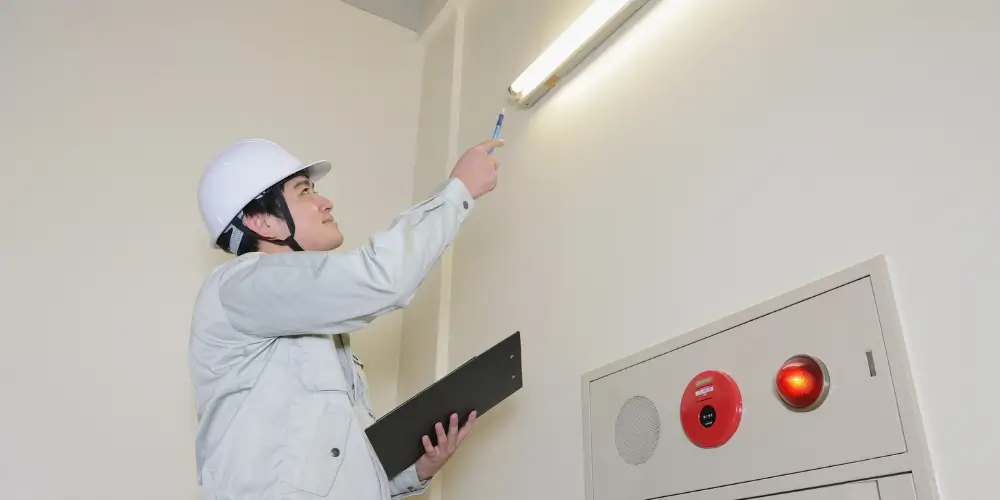
Understanding the Key Limitations of an EICR Inspection
While an EICR provides valuable insights into the current state of electrical installations, it is important to recognise its inherent limitations. The inspection primarily assesses the safety of installations at a specific point in time, leaving room for changes that may occur afterwards.
An EICR does not cover every aspect of an electrical system; it focuses on observable issues and may miss hidden faults or possible danger. Furthermore, the inspection is influenced by the inspector’s expertise and the depth of the examination conducted, which can vary considerably.
The EICR does not account for future wear and tear or changes in regulations that could affect safety. Additionally, it does not evaluate the performance of appliances connected to the system. Consequently, while an EICR is a key tool for safety awareness, it should be viewed as part of a broader method for electrical maintenance and safety, rather than a definitive solution.
Why an EICR Is Not a Full Electrical System Guarantee
How can one truly guarantee the safety and reliability of an electrical system? While an Electrical Installation Condition Report (EICR) is a valuable assessment, it is not a guarantee. The EICR primarily evaluates the current state of electrical installations, but it cannot predict future issues or identify every possible hazard, which falls under the Agreed Limitation on Eicr.
Key points to take into account include:
- Limited Scope: EICRs focus on visible and accessible components, leaving hidden areas unchecked.
- Dynamic Environment: Electrical systems can degrade over time or be affected by external factors, such as weather or wear.
- Human Error: Misinterpretations or oversight during inspections can lead to missed problems.
Ultimately, while an EICR is an essential tool for safety, it should be part of a broader method to maintaining electrical systems, emphasising ongoing vigilance and proactive measures.
Hidden Electrical Issues an EICR May Not Detect
Hidden electrical issues can pose significant risks that an EICR may not uncover. These undetected problems can lead to safety dangers, increased energy costs, and even property damage. Understanding the limitations of an EICR is essential for property owners who value their freedom and safety.
| Issue Type | Description | Possible Risk |
| Loose Connections | Connections that are not secure | Causes arcing, leading to fires |
| Corroded Wiring | Damaged insulation or metal | Increases the risk of shorts |
| Overloaded Circuits | Excessive load on circuits | Can lead to overheating |
| Undetected Wear | Ageing componentsare not visible | May result in failures |
| Grounding Issues | Improper or missing ground | Creates a shock risk |
Recognising these hidden electrical issues is key to ensuring a safe environment, empowering property owners to take proactive measures beyond standard EICR assessments.
EICR Limitations Every Property Owner Should Know
An EICR (Electrical Installation Condition Report) is an essential tool for assessing the safety and compliance of electrical installations; however, it has inherent limitations that property owners must recognise. Understanding these limitations allows for better decision-making and promotes a sense of freedom in managing electrical safety.
- Visual Assessment: EICRs primarily rely on visual inspections and may miss underlying issues that are not immediately visible.
- Static Conditions: The report reflects the condition at a specific time; therefore, changes or deterioration after inspection are not captured.
- Scope Limitations: EICRs focus on fixed installations and do not cover portable appliances or external wiring.
Awareness of these limitations empowers property owners to take proactive measures beyond mere compliance, enhancing both safety and peace of mind in their environments.
Does an EICR Cover All Electrical Risks? Here’s the Reality
What aspects of electrical safety might remain unaddressed in an EICR?
While an Electrical Installation Condition Report (EICR) evaluates the safety and condition of electrical installations, it does not encompass every possible risk. For instance, it typically does not cover wear and tear or the condition of appliances connected to the system. Additionally, human factors such as improper usage or neglect are outside the scope of an EICR. Moreover, EICRs focus on visible and accessible wiring and equipment, leaving hidden or inaccessible components unexamined. The limitations of an EICR highlight the importance of ongoing vigilance. Homeowners must remain proactive in their electrical safety practices, recognising that an EICR is merely a snapshot of current conditions.
Ultimately, true freedom from electrical risks comes from a combination of regular inspections, responsible usage, and awareness of the limitations inherent in any inspection process.
Common Misconceptions About What an EICR Actually Inspects
How well do individuals understand the scope of an Electrical Installation Condition Report (EICR)? Many harbour misconceptions regarding what an EICR actually inspects. This misunderstanding can lead to confusion and misaligned expectations about electrical safety.
- An EICR primarily assesses the condition of fixed wiring and electrical installations, not appliances.
- It does not evaluate the efficiency of the electrical system; instead, it focuses on safety and regulatory compliance.
- An EICR is not an extensive check for all possible dangers, as it does not include periodic maintenance or upgrades.
Understanding these limitations is essential for property owners and tenants alike. Clarity about what an EICR entails empowers individuals to take informed steps toward ensuring their electrical safety and compliance. Embracing this knowledge encourages a reduction of proactive responsibility toward electrical installations, promoting a safer living environment and enhancing personal freedom in managing one’s property.

Areas Outside the Scope of an EICR Explained Simply
Which aspects of electrical safety are overlooked in an EICR? An Electrical Installation Condition Report (EICR) primarily focuses on fixed installations, leaving several key elements unassessed.
Portable appliances, for instance, are not included in an EICR, so their safety relies on separate testing, which property owners often overlook. Additionally, EICRs do not cover the integrity of electrical equipment or systems beyond the immediate installations, such as external wiring or outbuildings.
Environmental factors, such as possible interference from nearby structures or natural elements, also fall outside the EICR’s scope. Moreover, the report does not consider the operational safety of electrical systems under various conditions, neglecting how user behaviour can impact safety. Therefore, while an EICR provides valuable insights, it is essential for individuals to recognise these limitations and actively seek thorough safety measures to ensure a truly secure electrical environment.
When an EICR Is Not Enough and What to Do Next
Although an Electrical Installation Condition Report (EICR) is an essential tool for assessing the safety of fixed electrical installations, it often fails to address broader electrical safety concerns. This limitation necessitates a response to guarantee thorough safety.
When an EICR is insufficient, individuals should consider the following actions:
- Regular Inspections: Schedule routine checks to identify possible risks that an EICR might overlook.
- Engage Professionals: Consult with certified electricians for expert advice on specific issues or concerns.
- Upgrade Systems: Consider modernising outdated electrical systems to increase safety and efficiency.
How to Use an EICR Correctly Without Relying on It Too Much
Utilising an EICR effectively requires a balanced method that recognises its limitations while maximising its benefits. Property owners should not rely solely on the EICR; instead, they should adopt a holistic method to electrical safety. Regular inspections and proactive maintenance increase safety and performance.
The following table outlines key practices to complement an EICR:
| Practice | Description |
| Regular Inspections | Conduct frequent checks beyond EICR schedules to catch issues early. |
| Maintenance Protocols | Implement systematic maintenance to guarantee all systems are functioning at their best. |
| Staff Training | Educate personnel about electrical safety and the interpretation of EICRs. |
| Emergency Preparedness | Establish clear protocols for handling electrical emergencies, independent of EICR findings. |
Frequently Asked Questions
How Often Should I Get an EICR Performed?
An EICR should typically be performed every five years for rental properties or when there’s a change of occupancy. Homeowners should consider regular assessments to guarantee safety and compliance with electrical standards.
Can I Perform My Own EICR Inspection?
Performing one’s own EICR inspection is generally not advisable unless properly trained. Electrical safety standards require expertise to identify faults and ensure compliance and safety for both the individual and the property. Professional assessments are recommended for reliability.
What Qualifications Should an EICR Inspector Have?
An EICR inspector should possess relevant qualifications, such as a Level 3 Electrical Installation qualification, experience in periodic inspections, and familiarity with the IET Wiring Regulations. Experience and continuous professional development are also essential for effective inspections.
Is an EICR Legally Required for All Properties?
An EICR is legally required for rental properties in England and Wales to ensure electrical safety. However, homeowners are not mandated to obtain one, highlighting the differing responsibilities between landlords and private property owners in maintaining safety standards.
How Much Does an EICR Typically Cost?
An Electrical Installation Condition Report (EICR) typically costs between £100 and £300, depending on the property’s size and complexity. Prices may vary considerably based on location and the specific electrician’s rates.
Conclusion
In summary, understanding the Agreed Limitation on Eicr of an Electrical Installation Condition Report (EICR) is essential for property owners. While an EICR provides valuable insights into the current state of visible electrical components, it is not a comprehensive guarantee of electrical safety. Recognising its limitations encourages ongoing maintenance and additional inspections to uncover hidden issues. By adopting a proactive method to electrical safety, property owners can better protect their share and guarantee compliance with safety standards.