Electrical Installation Condition Reports (EICRs) play an essential role in upholding electrical safety standards across various properties. These reports, prepared by qualified electricians in line with the NICEIC purpose of EICR, identify possible risks and compliance issues within electrical systems. Understanding their significance can lead to better maintenance practices and improved safety for both landlords and tenants. However, the implications of these assessments extend beyond mere compliance, prompting a closer look at their broader impact on electrical safety and efficiency.
Key Takeaways
- EICRs identify possible risks in electrical systems, ensuring safety and compliance with the latest regulations and standards.
- Conducted by NICEIC-approved electricians, EICRs promote the longevity and efficiency of electrical installations through necessary maintenance.
- Regular EICRs for landlords help meet legal requirements, ensure safe living conditions for tenants, and reduce the risk of electrical danger.
- EICRs provide documented safety assessments, which can lower insurance premiums and increase trust among property owners and tenants.
- NICEIC inspections foster community trust and enhance overall well-being by safeguarding residential and commercial properties against electrical risks.
Table of Contents
The Importance of NICEIC-Approved EICRs in Maintaining Electrical Safety Standards
Although electrical systems are fundamental for modern living, their safety is often overlooked until an issue arises. The importance of NICEIC-approved Electrical Installation Condition Reports (EICRs) cannot be understated.
These reports serve as essential assessments of electrical installations, ensuring they meet safety standards and regulations. By employing qualified, NICEIC-approved electricians, property owners can have confidence that their electrical systems are thoroughly inspected and any latent danger identified.
NICEIC accreditation signifies that electricians possess the necessary skills and knowledge to perform these assessments accurately. Such diligence helps prevent electrical fires, shocks, and other dangerous situations, thereby safeguarding lives and property.
Additionally, regular EICRs help maintain the longevity of electrical systems, ultimately proving cost-effective in the long run.
To summarise, NICEIC-approved EICRs play a significant role in reinforcing electrical safety standards and encourage a safer environment for all.
How the NICEIC Purpose of EICR Supports Safe and Efficient Electrical Installations
The NICEIC’s purpose for Electrical Installation Condition Reports (EICRs) extends beyond mere compliance; it serves as a foundation for safe and efficient electrical installations. By conducting thorough assessments, EICRs identify posssible risk and deficiencies in electrical systems. This energetic method ensures installations comply with the latest safety standards and regulations, minimising the risk of electrical faults that could lead to accidents or property damage.
Furthermore, EICRs promote the longevity of electrical systems by highlighting necessary maintenance and upgrades. This not only increases safety but also improves overall energy efficiency, thereby reducing operational costs.
The NICEIC’s commitment to quality and safety translates into greater confidence for both electricians and property owners, encouraging an environment where electrical installations are both reliable and robust. Ultimately, the EICR process reinforces the importance of ongoing vigilance in electrical safety, ensuring installations are not only compliant but also functionally optimal.
What Does the NICEIC Purpose of EICR Mean for Landlords and Property Owners?
For landlords and property owners, the NICEIC’s purpose of Electrical Installation Condition Reports (EICRs) is essential in guaranteeing the safety and reliability of their electrical systems. EICRs provide a thorough assessment of electrical installations, identifying possible risks and compliance with safety regulations. This process not only protects tenants but also mitigates legal risks and increases property value.
| Benefit of EICR | Description |
| Safety Assurance | Identifies risks and guarantees safe living conditions |
| Legal Compliance | Aids in meeting legal requirements for rental properties |
| Maintenance Insight | Highlights needed repairs and updates |
| Insurance Consideration | Can lower insurance premiums with documented safety |
| Tenant Confidence | Increases trust and satisfaction among tenants |
NICEIC’s Role in Electrical Safety: The Significance of EICR for Regular Inspections
Regular inspections of electrical systems are essential for maintaining safety and compliance in residential and commercial properties. The NICEIC plays an essential role in this process by overseeing the Electrical Installation Condition Report (EICR), which helps identify potential risks and ensure compliance with electrical safety standards.
The significance of EICR for regular inspections includes:
- Risk Identification: Detecting faults and possible dangers in electrical installations.
- Compliance Assurance: Ensuring adherence to legal and safety regulations.
- Insurance Requirements: Meeting the conditions set by insurance providers for property coverage.
- Informed Decision-Making: Providing property owners with reliable information to manage electrical safety effectively.
How NICEIC-Accredited EICRs Help Prevent Electrical Failures in Residential Properties
While electrical systems are integral to modern living, they can pose significant risks if not properly maintained. NICEIC-accredited Electrical Installation Condition Reports (EICRs) play an essential role in reducing these risks within residential properties. By conducting thorough assessments, qualified electricians identify latent danger such as faulty wiring, outdated components, or inadequate earthing.
These inspections guarantee that any electrical issues are promptly addressed, reducing the likelihood of failures that could lead to fires, shocks, or other dangerous situations.
Moreover, the extensive nature of NICEIC-accredited EICRs provides homeowners with peace of mind, knowing that their electrical systems have been evaluated against stringent safety standards. Regular EICR assessments not only increase safety but also extend the lifespan of electrical installations, ultimately protecting the home and its occupants.
Meeting Legal Obligations with NICEIC’s Purpose of EICR for Electrical Compliance
NICEIC-accredited EICRs serve not only as a safety measure but also as a means for homeowners to meet legal obligations regarding electrical safety.
Compliance with electrical safety regulations is essential, as failure to adhere can lead to legal repercussions and unsafe living conditions. Homeowners can guarantee compliance through the following:
- Regular Inspections: Conducting EICRs at recommended intervals helps identify latent danger.
- Documentation: An EICR provides official records that demonstrate adherence to safety standards.
- Insurance Compliance: Many insurance policies require up-to-date EICRs to validate coverage.
- Tenant Safety: Landlords are legally obligated to guarantee that electrical installations are safe for tenants.
Why NICEIC-Approved EICRs Are Essential for Long-Term Electrical System Safety
A thorough method to electrical safety hinges on the implementation of NICEIC-approved Electrical Installation Condition Reports (EICRs). These reports provide comprehensive assessments of a building’s electrical system, identify possible dangers, and ensure compliance with safety standards.
By employing qualified, NICEIC-certified electricians, property owners can trust that inspections are thorough and reliable.
NICEIC-approved EICRs not only reveal existing issues but also provide recommendations for necessary repairs or upgrades, which are essential for long-term safety. Regularly scheduled EICRs help prevent electrical failures that can lead to serious accidents or fire danger.
In addition, these reports promote a proactive maintenance culture, encouraging property owners to address electrical concerns before they escalate.
Ultimately, NICEIC-approved EICRs are fundamental in safeguarding both people and property, ensuring that electrical systems remain efficient, safe, and compliant with regulations over time.
Understanding the Process Behind NICEIC’s EICR and Its Impact on Electrical Risk Mitigation
Understanding the process behind NICEIC’s Electrical Installation Condition Reports (EICRs) is essential for effective electrical risk mitigation.
This structured evaluation aims to identify possible danger and guarantee compliance with safety standards. The following key steps are involved in generating an EICR:
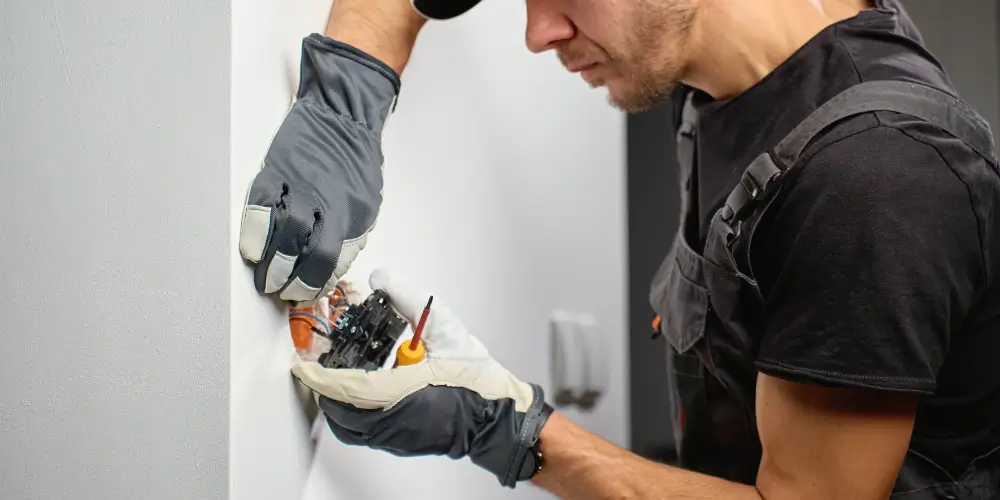
- Initial Assessment: A qualified electrician inspects the electrical installation for visible defects or degradation.
- Testing Procedures: Electrical circuits are tested for functionality and safety, including checks for earth continuity and insulation resistance.
- Documentation: Results from the inspection and tests are meticulously recorded, highlighting any issues and recommendations for rectification.
- Reporting: The final EICR is generated, detailing findings and providing a clear summary for property owners to understand necessary actions.
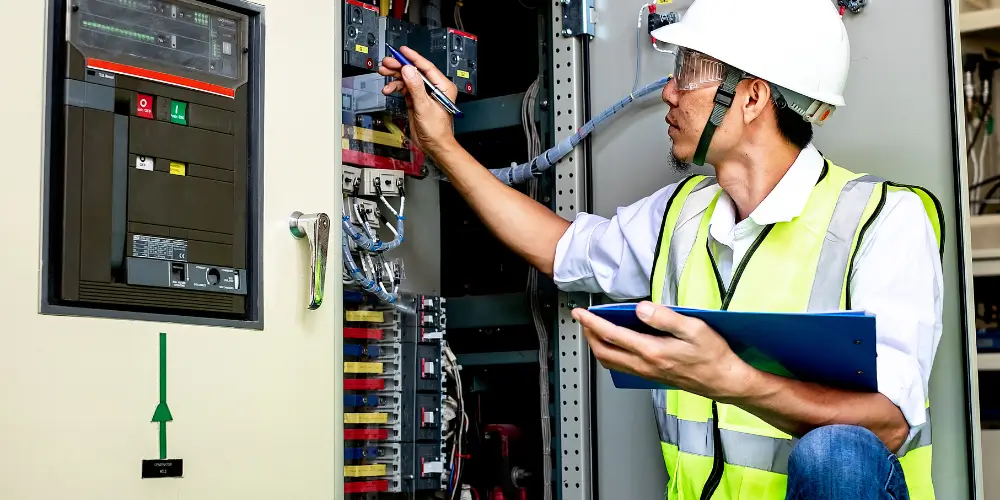
The Role of NICEIC in Ensuring Safe Electrical Practices Through EICR Assessments
NICEIC plays an essential role in promoting safe electrical practices through its thorough EICR assessments. By evaluating electrical installations, NICEIC guarantees compliance with safety regulations, safeguarding both residential and commercial properties.
The emotional weight of electrical safety is significant, as it affects the lives and well-being of individuals and families. Through its meticulous inspections, NICEIC provides peace of mind and promotes trust within communities.
| Impact of NICEIC EICR Assessments | Emotional Resonance |
| Guarantees compliance with regulations | Peace of mind for families |
| Identifies possible danger | Protection from electrical fires |
| Promotes safety awareness | Building community trust |
These assessments not only highlight the importance of maintaining electrical systems but also reinforce NICEIC’s commitment to guaranteeing safe electrical practices across the UK. Through its efforts, NICEIC contributes to a safer environment for everyone.
How NICEIC-Approved EICRs Help Improve Electrical System Reliability for Commercial Properties
Guaranteeing the reliability of electrical systems is essential for the smooth operation of commercial properties. The NICEIC purpose of EICR plays an important role in enhancing this reliability. By conducting thorough assessments, these reports help identify latent issues before they escalate, guaranteeing that electrical systems function at their best.
The benefits of NICEIC-approved EICRs for commercial properties include:
- Proactive Maintenance: Regular inspections can uncover wear and tear, enabling timely repairs.
- Regulatory Compliance: EICRs ensure properties comply with current safety standards and regulations.
- Risk Reduction: Identifying faults reduces the likelihood of electrical failures or risk, enhancing safety.
- Informed Decision Making: Detailed reports provide property managers with the insights needed to prioritise upgrades and maintenance.
Frequently Asked Questions
How Often Should an EICR Be Conducted?
An EICR should typically be conducted every 5 years for residential properties and every 3 years for rental properties. Regular assessments guarantee ongoing electrical safety and compliance with current regulations.
What Qualifications Do NICEIC Inspectors Hold?
NICEIC inspectors typically hold relevant qualifications such as the Level 3 Certificate in the Requirements for Electrical Installations, alongside extensive practical experience. They undergo continuous professional development to stay up to date with evolving electrical safety standards and regulations.
Can I Perform My Own EICR?
Individuals without appropriate qualifications are not permitted to perform their own EICRs. Professional inspectors, often NICEIC-certified, possess the expertise to conduct thorough assessments, guaranteeing compliance with safety standards and regulations in electrical installations.
What Happens if My Property Fails an EICR?
If a property fails an EICR, it indicates possible electrical danger. The owner must address the identified issues, often requiring remedial work by a qualified electrician, to ensure safety and compliance for continued occupancy.
Are EICR Reports Transferable Between Properties?
EICR reports are not transferable between properties. Each report is specific to a particular location and its electrical installation. New assessments must be conducted for each property to ensure accurate safety evaluations and compliance.
Conclusion
To sum up, Electrical Installation Condition Reports (EICRs) are essential for enhancing electrical safety and compliance across properties. By engaging qualified electricians in line with the NICEIC purpose of EICR to conduct thorough assessments, property owners can identify and address possible danger, ensuring compliance with safety standards. Ultimately, these proactive measures promote trust and reliability, safeguarding both residential and commercial environments while promoting energy efficiency and reducing operational costs. The significance of EICRs cannot be overstated in maintaining safe electrical systems.