Electrical safety is essential for every property, whether it is a home, rental property, office, shop, or industrial building. Over time, electrical installations naturally deteriorate due to age, wear and tear, environmental conditions, or increased electrical demand. Without regular inspections, hidden faults can develop into serious safety risks.
An Electrical Installation Condition Report (EICR) is a professional inspection that assesses the condition of a property’s electrical installation. It helps identify defects, deterioration, and non-compliance with the current UK Wiring Regulations (BS 7671), allowing property owners to address issues before they become dangerous.
Whether you are a homeowner, landlord, managing agent, or business owner, understanding the purpose of an EICR can help you maintain a safe, compliant, and reliable electrical system.
Key Takeaways
- An EICR identifies electrical faults and potential safety risks.
- It checks whether an electrical installation complies with current UK safety standards.
- Regular inspections help reduce the risk of electric shocks and electrical fires.
- Landlords must comply with legal electrical safety requirements for rental properties.
- Businesses benefit from improved safety, reduced downtime, and better maintenance planning.
- An EICR provides documented evidence of the condition of an electrical installation.
- Addressing issues early can reduce repair costs and extend the lifespan of electrical systems.
Table of Contents
What Is an EICR?
An Electrical Installation Condition Report (EICR) is a detailed inspection and testing process carried out on a property’s fixed electrical installation.
The inspection covers components including:
- Consumer unit (fuse box)
- Electrical circuits
- Wiring
- Sockets
- Switches
- Lighting circuits
- Earthing and bonding
- Protective devices
The purpose is to determine whether the installation remains safe for continued use and whether any defects require attention.
Why Is an EICR Important?
Electrical installations naturally age over time. Insulation can deteriorate, protective devices may become outdated, and previous alterations may no longer comply with current regulations.
An EICR helps to:
- Identify hidden electrical defects
- Detect damaged or deteriorated wiring
- Confirm protective devices are operating correctly
- Check earthing and bonding arrangements
- Ensure electrical installations remain safe
- Reduce the risk of electrical fires
- Reduce the risk of electric shock
- Improve long-term reliability
By identifying problems early, property owners can arrange repairs before faults become dangerous or more expensive to rectify.
How an EICR Helps Maintain Electrical Safety
Electrical faults are often hidden behind walls, ceilings, and consumer units, making them impossible to detect through visual inspection alone.
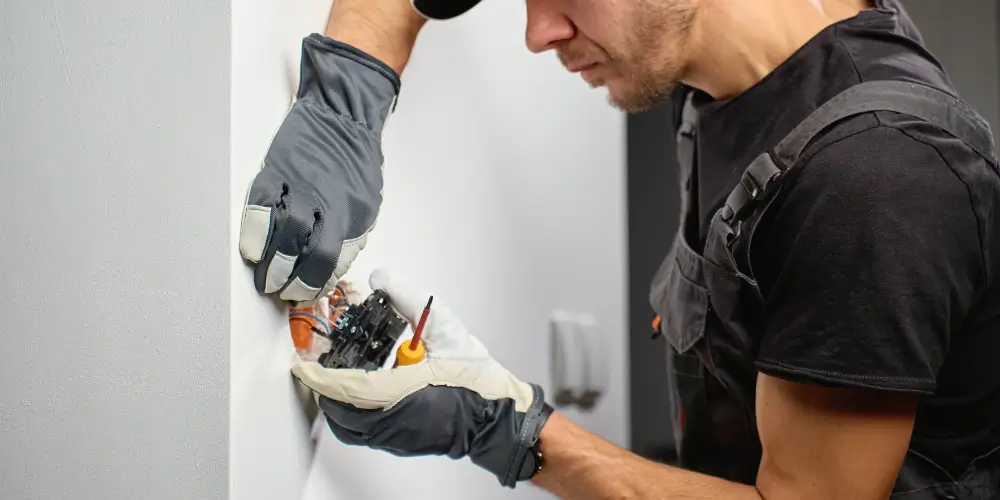
During an EICR, electricians carry out both visual inspections and specialist testing to assess the overall condition of the installation.
The inspection can identify:
- Damaged insulation
- Loose electrical connections
- Overloaded circuits
- Incorrect wiring
- Inadequate earthing
- Faulty protective devices
- Signs of overheating
- Equipment deterioration
Finding these issues early significantly improves electrical safety for everyone using the property.
What Does an EICR Mean for Landlords?
Landlords have a legal responsibility to ensure the electrical installations within their rental properties remain safe throughout the tenancy.
An EICR helps landlords:
- Meet legal obligations
- Demonstrate compliance with electrical safety regulations
- Protect tenants from electrical hazards
- Maintain safe living conditions
- Identify remedial work before problems worsen
- Keep accurate maintenance records
If defects are identified, remedial work should be completed within the required timescales to maintain compliance and safety.
Benefits of Regular EICRs for Homeowners
Although homeowners are generally not legally required to obtain an EICR, regular inspections provide valuable reassurance.
Benefits include:
- Improved household safety
- Early identification of electrical problems
- Lower risk of unexpected electrical failures
- Better planning for future upgrades
- Increased confidence when selling a property
- Protection of valuable appliances
Regular inspections are particularly beneficial for older properties where electrical systems may not meet modern standards.
Why Businesses Should Carry Out Regular EICRs
Commercial properties often place greater demands on their electrical systems due to higher occupancy, machinery, equipment, and longer operating hours.
Regular EICRs help businesses:
- Reduce operational disruption
- Protect employees and visitors
- Meet health and safety responsibilities
- Identify maintenance requirements
- Improve system reliability
- Reduce the likelihood of unexpected electrical failures
For many organisations, scheduled inspections form part of a wider health and safety management programme. Explore EICR Regulations for Commercial Properties: Essential Compliance Guide for Business Owners.
Meeting Electrical Safety Responsibilities
Electrical safety legislation requires duty holders to ensure electrical installations remain safe for continued use.
An EICR supports compliance by:
- Assessing the overall condition of the installation
- Identifying non-compliance with current regulations
- Recommending remedial work where necessary
- Providing documented evidence of inspection
Keeping electrical systems in good condition not only supports compliance but also helps reduce the risk of costly incidents.
What Happens During an EICR?
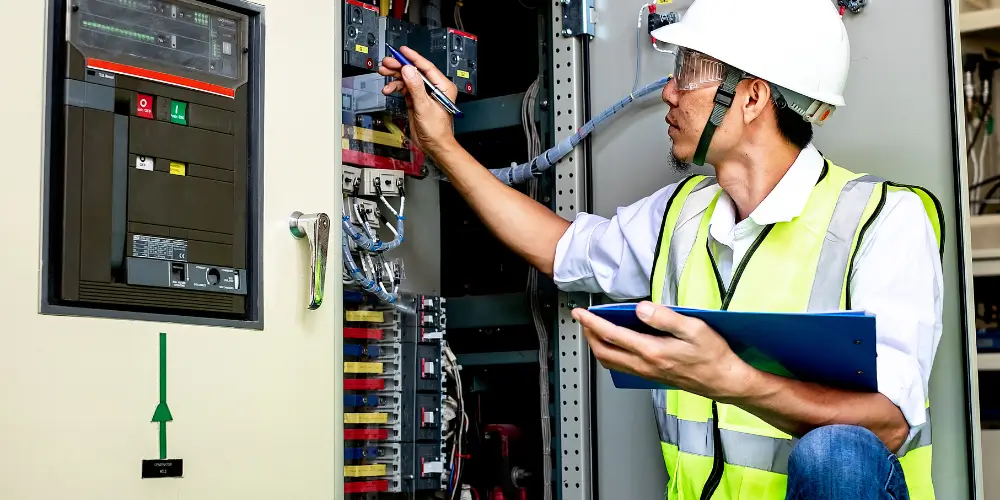
An EICR involves both visual inspection and electrical testing.
The inspection typically includes:
- Examination of the consumer unit
- Inspection of sockets and switches
- Testing electrical circuits
- Checking earthing and bonding
- Testing protective devices
- Verifying polarity
- Measuring insulation resistance
- Confirming circuit continuity
Once testing is complete, the electrician records the findings within the report and assigns any necessary observation codes. Check out the EICR Test Checklist: The Complete Landlord Guide No 1 to Electrical Safety.
Understanding EICR Observation Codes
Where issues are identified, they are categorised using standard observation codes.
C1 – Danger Present
An immediate risk of injury exists.
Immediate action is required to make the installation safe.
C2 – Potentially Dangerous
A serious defect has been identified that requires urgent remedial work.
C3 – Improvement Recommended
The installation is considered safe, but improvements are recommended to enhance safety or align with current standards.
FI – Further Investigation Required
Additional investigation is required before the overall safety of the installation can be confirmed.
How Often Should an EICR Be Carried Out?
The recommended inspection frequency depends on the property type.
Typical guidance includes:
- Owner-occupied homes – Every 10 years
- Rental properties – Every 5 years or at change of tenancy where applicable
- Commercial premises – Depending on property use and risk assessment
- Industrial installations – More frequent inspections may be required
Properties with older electrical installations or higher electrical demand may benefit from more frequent inspections. Here is the detailed guidance on the frequency period of EICR: How Often Should an EICR Be Done?
Frequently Asked Questions
How often should an EICR be carried out?
Inspection intervals depend on the property type. Rental properties are generally inspected every five years, while owner-occupied homes are typically recommended every ten years. Commercial properties may require more frequent inspections depending on their use.
Can I carry out my own EICR?
No. An EICR requires specialist testing equipment, technical knowledge, and experience. It should always be completed by a competent and suitably qualified electrician.
What happens if my property fails an EICR?
If defects are identified, the report will explain the issues and recommend remedial work. Once the necessary repairs have been completed, further testing may be required to confirm the installation is safe.
Does an EICR guarantee there will never be electrical problems?
No. An EICR reflects the condition of the electrical installation at the time of inspection. Regular maintenance and periodic inspections remain important to ensure ongoing safety.
Is an EICR required before buying a property?
Although not always mandatory, obtaining an EICR before purchasing a property provides valuable information about the condition of the electrical installation and any potential repair costs.
Conclusion
An Electrical Installation Condition Report (EICR) is one of the most effective ways to assess the safety and condition of an electrical installation. It identifies hidden defects, highlights necessary improvements, and helps property owners maintain compliance with current UK electrical safety standards.
Whether you own a home, manage rental properties, or operate commercial premises, regular EICRs provide reassurance that your electrical system remains safe, reliable, and fit for continued use. By addressing issues early and carrying out recommended remedial work, you can protect occupants, reduce long-term maintenance costs, and maintain a safe environment for everyone who uses the property.