Who Does the Control of Asbestos Regulations apply to? Anyone responsible for non‑domestic premises or work that may release asbestos fibers. This includes employers, building owners, landlords, facilities managers, contractors, maintenance staff, renovators and demolition teams. Subcontractors and self‑employed tradespeople are also covered when tasks could disturb asbestos‑containing materials. Dutyholders must assess risks, keep registers, implement management plans and provide training and PPE. Further details outline specific duties, exemptions and how to confirm applicability for a site.
Key Takeaways
- Dutyholders (employers, building owners, landlords, and facilities managers) responsible for non-domestic premises must comply with the regulations.
- Any employer or person managing work that may disturb asbestos (including maintenance planners) must assess and control asbestos risks.
- Contractors and tradespeople (demolition, refurbishment, electricians, plumbers, maintenance) are covered when tasks may release asbestos fibers.
- Self-employed individuals and subcontractors are subject to the regulations when their work could disturb asbestos-containing materials.
- Domestic homeowners are generally excluded, except where they control non-domestic parts or undertake work affecting non-domestic premises.
Table of Contents
Do the Control of Asbestos Regulations Apply to You?
Who must comply with the Control of Asbestos Regulations? The Regulations apply to any person or organisation that is responsible for non-domestic premises, manages work that generates asbestos exposure, or controls contractors performing such work. This includes employers, building owners, landlords of commercial or mixed-use properties, contractors, and facilities managers. Individuals whose activities may disturb asbestos-containing materials, maintenance staff, renovators, and demolition teams fall under its scope when tasks could release fibres.
Who Does the Control of Asbestos Regulations apply to? The rules also extend to those commissioning work, as dutyholders must guarantee assessments, controls, and competent contractors. Domestic homeowners are generally outside the scope unless they undertake work on non-domestic parts or act as employers. The emphasis is on activity and control rather than title: anyone with authority to allow, direct, or carry out work that could disturb asbestos must recognise obligations. Clear, proportionate action preserves freedom by preventing harm without unnecessarily restricting lawful activity. See What Is the Purpose of an Asbestos Survey and When Is It Required.
Who Counts as an Asbestos Dutyholder and What Must They Do?
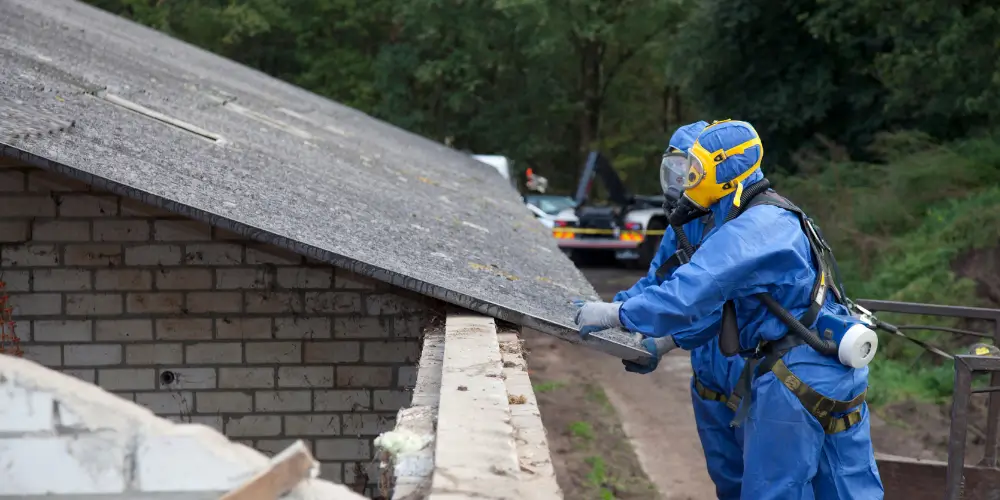
A dutyholder is any person or organisation with responsibility for the maintenance, repair, or safety of non-domestic premises, or for managing work that may disturb asbestos; this typically includes employers, building owners, landlords, facilities managers, principal contractors, and those who commission or control such work. Dutyholders must identify and manage asbestos risks proportionately, guaranteeing that risks are assessed, recorded and communicated to anyone who may work on or use the premises.
They must arrange for surveys where necessary, maintain up-to-date asbestos registers, and implement plans to avoid or minimise disturbance. Where removal or remedial work is required, dutyholders must guarantee competent contractors are engaged and that appropriate notifications, risk assessments and method statements are in place. Dutyholders should also ensure appropriate supervision, worker information, and access to emergency arrangements. The emphasis is on exercising control with transparency and responsibility so that those affected can make informed choices and retain autonomy over safety and operational decisions.
What Must Employers Do Under the Asbestos Regulations?
Confirm compliance with the Control of Asbestos Regulations 2012 by identifying and managing asbestos risks where employees may be exposed. Employers must assess work activities, locations, and materials to determine the likelihood of encountering asbestos. Where risk exists, they should implement plans to eliminate exposure or, where elimination is impractical, control it through safe systems, containment, and appropriate equipment.
They are required to provide suitable information, instruction, and training for employees, guaranteeing understanding of hazards, safe work practices, and emergency procedures. Employers must supply and maintain personal protective equipment, hygiene facilities, and medical surveillance where needed. Records of risk assessments, training, and any asbestos-related incidents must be kept and made available.
Dutyholders should engage competent contractors for higher-risk work, notify the enforcing authority when licensable work is planned, and guarantee ongoing review of controls. These measures protect worker autonomy by enabling informed, safe choices about workplace participation.
What Are Building Owners’ and Landlords’ Asbestos Duties?
Building owners and landlords bear specific legal responsibilities to manage asbestos risks in the properties they control, ensuring the safety of occupants, visitors, and contractors. They must identify and evaluate the presence of asbestos-containing materials (ACMs) through surveys or reliable records, keeping clear, accessible documentation of locations, condition assessments, and risk evaluations. Where ACMs are present, duty holders must produce and implement an asbestos management plan that minimises disturbance, specifies control measures, and schedules regular re-inspections.
Information about known or suspected ACMs must be communicated promptly to tenants, contractors, and anyone likely to disturb materials. If removal or remediation is necessary, work must follow approved procedures, use licensed contractors when required, and ensure waste is disposed of lawfully. Duty holders should keep records of actions taken, maintenance, and communications, and review the management plan after changes to the property or condition of materials. Compliance protects health while preserving occupants’ autonomy and use of premises.
Which Contractors and Tradespeople Are Covered by the Regulations?
Which trades and contractors fall within the scope of the Control of Asbestos Regulations? The Regulations apply to any contractor or tradesperson who may disturb asbestos-containing materials while carrying out work. This includes demolition and refurbishment contractors, electricians, plumbers, carpenters, plasterers, HVAC engineers, roofers, and window and insulation installers. Surveyors, renovators, and maintenance teams working in residential, commercial, or public buildings are likewise covered when their tasks could release asbestos fibres.
Coverage depends on the nature of the task rather than job title: incidental contact during routine maintenance can bring the Regulations into effect if materials are liable to be damaged. Subcontractors and self-employed individuals performing relevant activities are equally subject to duty. Contractors must identify asbestos risks, follow control measures, and coordinate with dutyholders. The Regulations therefore cast a wide net to protect the freedom to work safely while ensuring those who may disturb asbestos understand and meet their obligations.
Which Workers Are Protected and What Asbestos Training Is Required?
Who is safeguarded under the Regulations, and what training must they receive? The Regulations protect all workers who might encounter asbestos: tradespeople, maintenance staff, emergency responders, contractors, demolition crews, and employers’ own employees. Protection extends to supervisors and those whose work could disturb asbestos-containing materials, whether knowingly or inadvertently. Employers must assess risks and guarantee suitable training is provided.
Training must match exposure risk and job role. Basic awareness training is required for anyone who may encounter asbestos but will not disturb it, covering recognition, hazards, and reporting procedures. More detailed, task-specific training is necessary for workers likely to disturb asbestos, including safe work methods, controls, use of respiratory protective equipment, decontamination, and emergency measures. Supervisors require additional instruction on managing work and compliance. Training must be regular, documented, and refreshed whenever roles change or new risks emerge, enabling workers to act freely and safely within legal and practical boundaries.
When Do the Asbestos Regulations Apply During Maintenance, Refurbishment or Demolition?
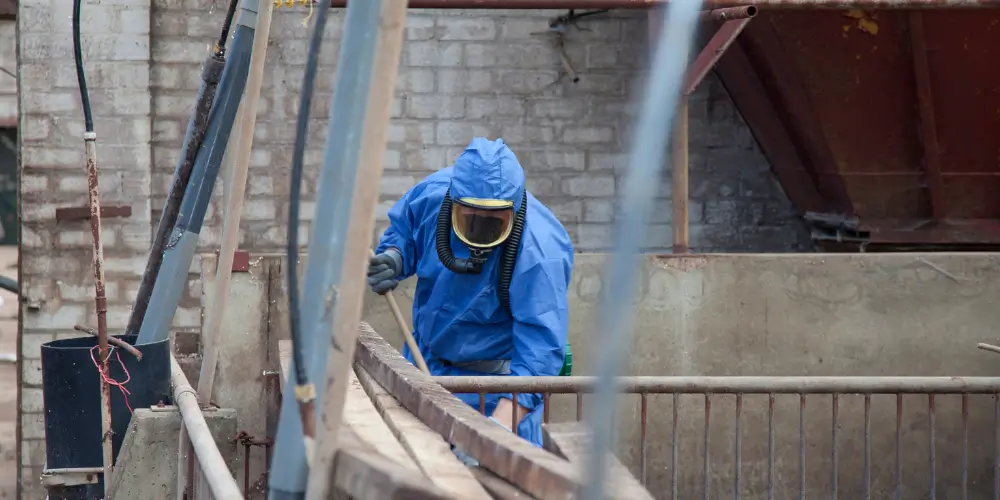
Having established who must be protected and the training required, attention turns to when the Asbestos Regulations apply during maintenance, refurbishment or demolition. The Regulations activate whenever work could disturb materials that may contain asbestos, imposing duties to identify, manage risk, and prevent exposure. This applies regardless of tenure or client desires; freedom to work must be balanced with legal duty and safety.
- Planned works that disturb fabric, services or fixtures where asbestos may be present.
- Emergency repairs that risk disturbing suspect materials if sampling or controls are not already in place.
- Partial demolition or refurbishment where sections are removed, altered or accessed beyond routine cleaning.
- Maintenance tasks accessing voids, service risers, roofs or ceilings with potential asbestos-containing materials.
Dutyholders must survey, assess risk, and implement proportionate controls before work starts. If uncertainty exists, presume presence and apply control measures that allow safe, unfettered exercise of work while protecting health and legal compliance.
What Work Is Exempt and How Do You Check Applicability for Your Property?
When does work fall outside the scope of the Asbestos Regulations? Work is exempt when activities do not disturb asbestos-containing materials (ACMs), involve de minimis exposure below regulated limits, or are emergency measures necessary to make a site safe. Routine housekeeping that does not affect ACMs, minor repairs on non-ACM items, and certain licensed exclusions qualify. Determination relies on objective assessment of material type, condition, and likelihood of fibre release.
To check applicability for a property, consult existing asbestos management plans, survey reports, and material safety data. Commission a competent survey (management or refurbishment/demolition) if records are absent or unclear. Use risk-based judgment: identify ACMs, assess deterioration, and estimate disturbance during planned works. Where uncertainty remains, assume regulation applies and engage a qualified assessor or licensed contractor. Document findings and decisions to preserve freedom of action while ensuring legal compliance and protecting occupants and workers.
Frequently Asked Questions
How Are Asbestos Exposure Limits Monitored and Enforced?
Exposure limits are monitored via air sampling, occupational hygiene assessments, and certified laboratories; enforcement occurs through HSE inspections, notices, prosecutions, and mandatory remedial orders, while employers retain responsibility to guarantee compliant controls and protect worker liberty.
What Penalties Exist for Breaching Asbestos Regulations?
Penalties include criminal prosecution, unlimited fines, and imprisonment for serious breaches; civil claims and enforcement notices can impose remedial work and stop-works; regulators may issue improvement or prohibition notices and recover enforcement costs from offenders.
Are There Exemptions for Historical or Listed Buildings?
Yes. It acknowledges exemptions for listed or historic buildings where preservation restricts removal, yet duty holders must manage risks, survey, and minimise disturbance; preservation needs do not negate the obligation to assess, control exposure, or justify protective measures.
How Is Asbestos Waste Legally Transported and Disposed?
Asbestos waste must be double-bagged, labelled, and transported by licensed carriers to authorised hazardous waste facilities. Manifests and consignment notes accompany loads, with records kept to ensure legal disposal at licensed incineration or secure landfill sites, avoiding illegal dumping.
Who Certifies Asbestos Surveyors and Removal Contractors?
The Health and Safety Executive (HSE) recognises and oversees competence frameworks, while UKAS-accredited certification bodies and industry schemes such as the Asbestos Removal Contractors Association (ARCA) and the British Occupational Hygiene Society endorse qualified asbestos surveyors and removal contractors.
Conclusion
Who Does the Control of Asbestos Regulations apply to? Broadly across the UK, imposing duties on employers, dutyholders (including building owners and landlords), contractors and tradespeople, and anyone commissioning or carrying out maintenance, refurbishment or demolition where asbestos may be present. Those covered must identify, manage, and control asbestos risks, provide training, and follow safe work practices unless specific exemptions apply. Compliance protects workers and occupants and reduces legal and health liabilities for responsible parties.