Potential fuel for a fire is any solid, liquid, or gas that can ignite and sustain combustion. Common examples include wood, paper, textiles, plastics, furniture foam, mattresses, accumulated dust and lint, oily rags, stored liquids like gasoline and solvents, cooking oils, and pressurised gases such as propane. Fuel properties influence ignition temperature, flame spread, and toxic smoke. Proper storage, separation, and removal reduce risk, and the guide explains practical steps for identification, assessment, and mitigation to create safer spaces.
Key Takeaways
- Fuel is any solid, liquid, or gas that can be combusted, including wood, paper, textiles, plastics, and stored liquids.
- High fuel load and clustered arrangement increase fire intensity and speed, while spaced materials slow the spread of fire.
- Liquids and gases (gasoline, propane, alcohol, solvents) vaporize and ignite rapidly; store by flashpoint in certified containers.
- Synthetic materials produce more toxic smoke; identify by smell, appearance, and manufacturer labels to assess combustion hazards.
- Regular inspection, removal of excess combustibles, and professional mitigation for large or hazardous fuel sources reduce fire risk.
Table of Contents
Who Should Read This Guide and What You’ll Learn
Who benefits from this guide, and what will they gain? This guide serves homeowners, facility managers, safety officers, and informed citizens seeking clear, practical knowledge about materials and conditions that can enable fire. Readers will gain concise identification strategies for common household, industrial, and natural items that increase ignition risk, as well as an understanding of typical scenarios in which those items contribute to fire propagation.
The content emphasises observable indicators, simple assessment techniques, and prioritisation of hazards so readers can make informed decisions about storage, maintenance, and professional consultation. It outlines roles and responsibilities for individuals and organisations without prescribing technical fire-science definitions reserved for later sections. Practical examples illustrate how routine choices affect safety, while checklists and action-oriented recommendations guide immediate risk reduction. The tone remains factual and accessible, enabling readers to recognise potential dangers, communicate concerns to stakeholders, and take measured steps to minimise fuel-related fire risks.
What “Fuel” Means in Fire Science and Why It Matters
In fire science, fuel denotes any material, solid, liquid, or gas that can undergo combustion and release heat and flammable gases when exposed to sufficient heat and oxygen. The term encompasses everyday items (wood, paper, textiles), building materials (plastics, insulation), stored liquids (fuels, solvents), and gaseous fuels (natural gas, propane).
Fuel properties, chemical composition, moisture content, surface area, and volatility determine ignition temperature, flame spread, and smoke production. Recognising fuel types informs hazard identification, selection of suppression methods, and emergency response priorities. For instance, water effectively cools many solids but may spread flammable liquids; foams or dry agents are better suited to hydrocarbon pools.
Fuel also influences combustion byproducts; synthetic materials often yield toxic smoke, affecting evacuation and respiratory protection choices. Understanding what constitutes fuel and how it behaves under heat supports risk assessment, safe storage, and mitigation strategies without delving into spatial arrangement or load calculations, which are addressed separately.
How Fuel Load and Arrangement Drive Fire Growth
Fuel load the amount of combustible material present and its arrangement within a space directly determine how quickly a fire grows and how intensely it burns. A high fuel load supplies more heat and prolonged combustion, while tight clustering or vertical stacking promotes rapid flame spread and faster shift to flashover. Open, well-spaced materials slow growth; layered or concealed fuels accelerate it. Airflow pathways and openings interact with arrangement to change fire behavior, creating localized turbulent plumes or sustained ventilation-driven flames. Effective risk reduction focuses on limiting quantities of combustibles, separating piles, and maintaining clear compartments to interrupt pathways for heat and fire spread. Inspection and simple rearrangement often reduce peak fire intensity and provide occupants and responders more time to act.
Common Solid Fuels at Home and How to Spot Them
Where are the common solid fuels hidden in a typical home? Many appear in plain sight: furniture upholstery, mattresses, curtains, carpets, and cushions are fibrous and combustible.
Paper and cardboard books, mail, and packaging accumulate in storage areas, home offices, and recycling bins. Clothing and linens stored in closets or dressers add to fuel loads, especially when piled.
Wood is common in furniture, flooring, firewood piles, and decorative items. Electronics and appliances contain plastics and insulating materials that burn; dust and lint around them increase the risk.
Hobby materials, paints in solid form, glues, and craft foam reside in workshops and closets. Outdoor solid fuels include stacked firewood, dry leaves, and mulch near structures.
Identifying these requires scanning rooms for piles, checking storage areas, and noting aging or worn fabrics and accumulated paper.
Reducing fuel risk involves decluttering, storing combustible items away from heat sources, and maintaining clean surfaces to limit ignition pathways.
Liquid and Gaseous Fuels: Garage and Kitchen Risks
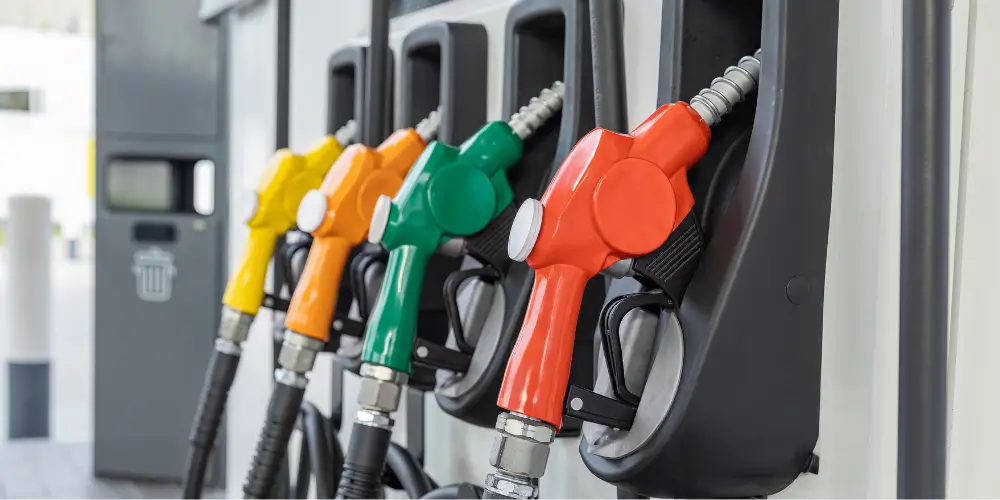
Although often stored for convenience, liquids and gases in kitchens and garages pose concentrated, fast-moving hazards if mishandled. They vaporize, spread, and ignite quickly; small leaks create explosive mixtures, and spilled liquids can feed intense flames. Proper storage, clear labeling, ventilation, and avoiding ignition sources reduce risk. Containers should be rated and kept closed; don’t store fuels near water heaters, ovens, or electrical panels. Routine checks for corrosion, loose fittings, and odors help catch problems early. Transport only small amounts and use approved funnels and grounding for flammable transfers. The following table highlights common examples and primary risks to clarify priorities.
| Material | Primary Risk |
| Gasoline (garage) | High vapor pressure; explosive vapors |
| Propane (tank) | Pressurised leaks; pooling heavier than air |
| Isopropyl alcohol (kitchen) | Fast-spreading flames; low flash point |
| Cooking oils (large quantities) | High heat ignition; difficult to extinguish |
| Paint thinners/solvents | Persistent vapors; ignition from sparks |
Less Obvious Fuels: Oily Rags, Dust, Mattresses, Vegetation
Beyond stored liquids and gases, many everyday items silently increase fire risk by providing unexpected sources of rapid combustion or sustained burning. Oily rags, soaked with linseed, machine oil, or solvent residues, can self-heat through oxidation and ignite without an external flame.
Fine dusts from wood, grain, or metal can form explosive clouds when suspended and combust rapidly if an ignition source is present. Mattresses and upholstered furniture contain layered fibers, foam, and treated fabrics that can produce intense, long-lasting fires and toxic smoke once ignited.
Vegetation dry leaves, grass clippings, and accumulated brush acts as fine, continuous fuel that allows flames to spread quickly across landscapes and into structures. Each of these materials differs in ignition temperature, burn rate, and smoke production, affecting how fires start and grow. Recognising these less obvious fuels helps prioritise inspection and targeted risk reduction measures appropriate to the specific environment.
How to Remove, Separate, and Store Fuels Safely
Identify, separate, and store potential fuels methodically to reduce ignition sources and limit fire spread. The process begins with assessment: catalog flammable materials, note quantities and locations, and prioritise removal from occupied spaces.
Separation minimises chain reactions; store incompatible substances apart and keep combustibles away from heat, electrical panels, and exits. Use approved containers, label clearly, and maintain ventilation where required. Regularly inspect storage for leaks, deterioration, or accumulating residues. Establish simple handling rules and train occupants on them.
- Remove small quantities of oily rags and paper to metal, self-closing cans and launder or dispose of them safely.
- Separate liquids by flashpoint and store in certified cabinets or outdoors in secondary containment.
- Store bulky combustibles like cardboard and mattresses off the floor, away from heating equipment, and rotated to prevent accumulation.
Document storage limits and schedule periodic removals to prevent buildup; consistency reduces risk and supports swift, safe response if a hazard is found.
When to Call Pros for Fuel Mitigation and Cleanup
When should professionals be engaged for fuel mitigation and cleanup?
Professional intervention is warranted when hazards exceed simple household measures or present legal, environmental, or safety complexity. Situations include large accumulations of combustible debris near structures, spills of hazardous liquids or unknown containers, and properties with steep terrain or dense vegetation that complicate removal. Professionals are needed when removal requires specialised equipment, permits, or coordinated disposal to prevent contamination of soil and waterways. They are appropriate for properties with regulatory obligations, such as commercial or multiunit residences, or when tenants or neighbors are affected.
Other triggers include evidence of structural compromise from stored materials, recurring problems despite homeowner efforts, or uncertainty about chemical compatibility and safe handling. Hiring trained crews reduces risk of ignition, injury, and improper disposal. When in doubt, consultation with a certified mitigation contractor or local fire authority guarantees assessments, plans, and documented actions align with safety standards and jurisdictional requirements.
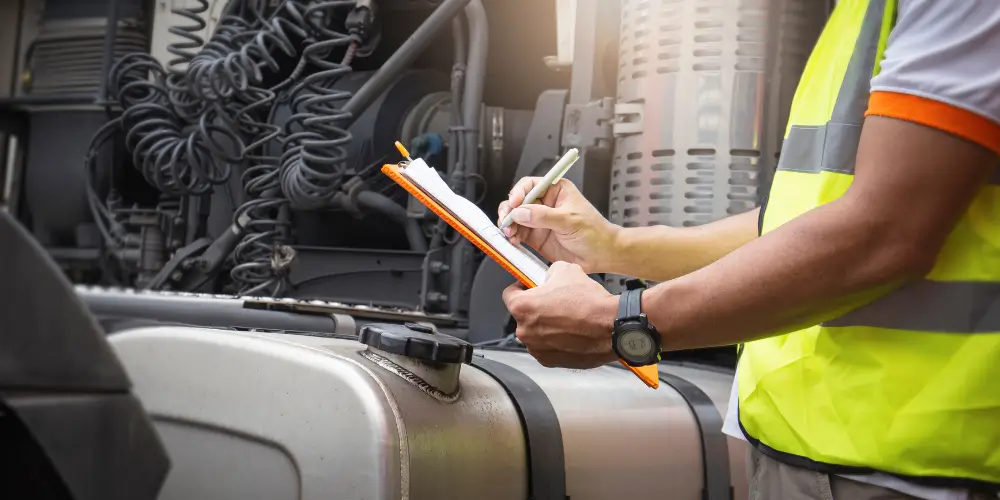
Fuel-Safety Checklist: Inspect, Remove, Separate, Monitor
Start by surveying the property to evaluate sources of combustible fuel dead vegetation, stacked firewood, flammable liquids, and accumulated debris and note their location, quantity, and proximity to structures.
The checklist structures assessment into clear actions: inspect systematically, remove or reduce hazards, separate fuels from ignition sources, and monitor changes over time. Each step targets measurable outcomes to lower fire risk.
- Inspect: map fuel types, assess moisture, and identify ignition points such as vents, grills, or power lines.
- Remove: eliminate dead brush, trim overhanging branches, relocate stored combustibles, and dispose of oily rags and other volatile items safely.
- Separate/Monitor: maintain defensible space by spacing vegetation and storage; establish regular inspections after storms, seasonal leaf fall, or construction.
Records of inspections and remediation actions aid accountability. Following this checklist yields consistent, practical reductions in combustible load and supports decision making about when professional fuel mitigation is necessary.
Frequently Asked Questions
What Insurance Covers Damages From Fuel-Related Fires?
Homeowner or commercial property insurance typically covers fire damage; auto insurance covers vehicle fires; liability policies handle third-party claims; specialised policies or endorsements may be required for fuel-related incidents; and business interruption insurance may apply.
Can Household Electronics Act as Primary Fuels?
Yes, household electronics can act as primary fuels when energised and overheating; internal plastics, insulation, and circuit materials sustain combustion, especially after ignition from electrical faults, poor maintenance, or nearby flammable materials, increasing fire severity and spread.
Are Insects or Animals Attracted to Common Fuels?
Yes. Many insects and some animals are attracted to common fuels like gasoline, oil, and organic fuels due to odors, warmth, or food residues. This attraction can increase spill disturbance and accidental ignition risk in storage areas.
Do Building Codes Regulate Home Fuel Storage Quantities?
Yes. The response explains that many jurisdictions set limits and rules for residential fuel storage covering quantities, container types, ventilation, setbacks, and permits, while homeowners should check local building and fire codes for specifics.
How Do Fuel Loads Affect Wildfire Insurance Premiums?
Higher fuel loads raise wildfire insurance premiums because insurers view densely combustible vegetation and stored fuels as increasing the probability and severity of loss; consequently, homeowners in high-load areas face higher rates, stricter underwriting, and mandated mitigation measures.
Conclusion
Understanding what counts as fuel and how load, arrangement, and environment influence ignition lets homeowners reduce fire risk through informed removal, separation, and storage. By identifying common solid, liquid, gaseous, and hidden fuels (from oily rags to dust and vegetation) and applying simple mitigation steps, many hazards can be managed safely. For complex contamination, structural concerns, or large accumulations, professionals should be engaged. Regular inspection and adherence to the fuel-safety checklist help maintain long-term protection.