Is Asbestos Still Common in UK Homes? Many UK homes built or refurbished before the mid-1980s still contain asbestos-containing materials, especially in roofs, ceilings, pipework, boilers and some floor coverings. Intact materials pose a low risk but become hazardous if damaged or disturbed, releasing fibres that can cause serious lung disease. Homeowners should avoid touching suspect materials, document their condition and seek professional assessment for renovation or removal. Further practical guidance on spotting, managing and legally handling asbestos follows.
Key Takeaways
- Many UK homes built or refurbished before the mid-1980s commonly contain asbestos-containing materials (ACMs).
- Asbestos is usually found in roofs, textured ceilings, boiler and pipe insulation, floor tiles, and external cladding.
- Intact ACMs generally pose low risk; fibres become hazardous only if materials are damaged or disturbed.
- Homeowners should avoid disturbing suspected ACMs and document conditions while seeking professional assessment.
- Landlords must assess, manage, and disclose asbestos risks; remediation needs licensed contractors and clearance certification.
Table of Contents
How Common Is Asbestos in UK Homes Today?
How prevalent is asbestos in UK homes today? Many dwellings built or refurbished before the mid-1980s still contain asbestos-containing materials (ACMs). Prevalence declines in newer constructions, but a substantial portion of the housing stock, particularly semi-detached and terraced houses from the mid-20th century, can retain legacy materials. Regulatory bans and evolving practices since the 1980s have reduced new installations, yet existing ACMs have not been systematically removed, so they persist in situ.
Is Asbestos Still Common in UK Homes? Regional variations and building type affect likelihood: older urban areas and post-war social housing show higher incidence. Survey data and removal records indicate that while overall exposure risk has fallen, the absolute number of homes with some asbestos remains significant. Occupancy, maintenance, and renovation activity influence current risk to residents. Awareness and professional assessment are thus important for homeowners contemplating work that might disturb surviving materials.
Which Rooms and Materials in Homes Often Contain Asbestos?
Where in a house might asbestos be found? Asbestos was used in many areas of the home; older properties often retain materials containing asbestos fibres. Typically, it appears in structural and service components rather than everyday soft furnishings. Common locations include roofs, ceilings, walls, boilers and pipework, and external cladding. The presence and condition vary with age, renovations and maintenance.
- Corrugated cement roof sheets or felt in outbuildings, often brittle and dusty
- Textured or artex ceilings and decorative plasters containing bonded asbestos
- Insulation around boilers, hot water tanks and pipe lagging in roof spaces or basements
- Cement panels, soffits, guttering and exterior cladding on older properties
- Floor tiles, vinyl backing and adhesives were used in the mid-20th century in kitchens and hallways.
Understanding typical locations helps homeowners prioritize inspections and professional advice. Where materials are intact and undisturbed, they pose less immediate risk than damaged or friable asbestos-containing products.
How to Spot Possible Asbestos Without Disturbing It?
When inspecting a property visually, people should look for telltale signs of older building materials, cracked or crumbly cement sheets, discoloured pipe lagging, textured ceilings with age-related gaps, or loose floor tiles that reveal fibrous backing without touching or disturbing them. Photographs and notes should document suspected areas and their condition. Colour, texture and installation context help identify likely asbestos-containing products: dull grey insulating boards, brittle cement panels, ochre or brown wraps around pipes, and sprayed coatings with a rough, irregular finish. Age is a clue: materials installed before the mid-1980s warrant closer attention.
Avoid suction, brushing or any action that might release dust. If suspected material is painted, sealed or undamaged, it is often safer left in place; deterioration increases concern. For clear next steps, advise contacting a qualified asbestos surveyor to assess and, if necessary, sample safely. Homeowners should prioritise professional evaluation rather than DIY disturbance.
When Is Asbestos in the Home Actually Dangerous?
Having documented suspected asbestos-containing materials without touching them, the next concern is the actual risk they pose to occupants. Asbestos becomes dangerous only when fibres are released and inhaled; intact, undisturbed materials generally pose low immediate risk. Risk increases with age, damage, vibration or DIY work that disturbs friable materials. Frequency and duration of exposure also matter: small, one-off exposures are far less likely to cause harm than repeated, prolonged inhalation. Vulnerable occupants, such as children or those with respiratory illness, merit extra caution. Professional assessment and controlled removal are the definitive ways to mitigate long-term risk.
- Crumbling insulation dust drifting after loft work
- Scraped textured ceilings shedding fine white powder
- Old pipe lagging was knocked during plumbing repairs
- Broken floor tiles releasing grit during refurbishment
- Persistent renovation activity stirs settled dust
This framing helps homeowners judge when materials are a latent presence versus an active health hazard.
Quick Safety Checklist: What to Do Right Now If You Suspect Asbestos
What should be done immediately if asbestos is suspected in a home? The occupant should stop any activity that may disturb the material and leave the area to minimise fibre release. Windows and doors should be kept closed, and fans or HVAC systems should be avoided to prevent air movement. Children and pets must be kept away.
Next, avoid touching, sweeping or vacuuming suspected material; do not attempt DIY removal. If possible, note the location, condition (intact, damaged, friable) and any recent disturbance without handling the item. Take photos from a distance for records.
Contact a qualified asbestos professional for inspection and sampling; local council environmental health or accredited surveyors can advise on reputable services. While awaiting assessment, restrict access to the area and mark it clearly if others may enter. If contamination is suspected elsewhere, avoid tracking dust to other rooms and change clothes after leaving the property. Follow the professional’s written guidance before any further action. Here is the detailed guide on What Is the Purpose of an Asbestos Survey and When Is It Required.
Legal Duties for Homeowners and Landlords in England and Wales
Although private homeowners generally have no specific statutory duty to survey for asbestos in their own dwellings, they retain responsibilities to manage risks if asbestos-containing materials are present and disturbed; by contrast, landlords in England and Wales face clearer legal obligations under health and safety and housing legislation to assess, manage and disclose asbestos risks in rental properties, guarantee repairs are conducted safely, and engage competent contractors for any inspection, sampling or removal work. Read out What Are the Current Asbestos Regulations in the UK? Legal Requirements Explained.
Homeowners should consequently act prudently: avoid disturbing suspect materials, label or document their condition, and seek professional advice when work might disturb them. Landlords must carry out risk assessments where relevant, provide tenants with information on known asbestos, guarantee maintenance does not create exposure, and comply with the Housing Health and Safety Rating System and Control of Asbestos Regulations when applicable.
- A discolored ceiling panel with crumbling edges
- An old boiler room pipe lagging wrapped in aged fabric
- A cracked textured Artex ceiling
- Workers in PPE examining attic insulation
- A landlord handing tenants a written asbestos record
When to Hire a Licensed Domestic Asbestos Contractor: Costs and Timescales
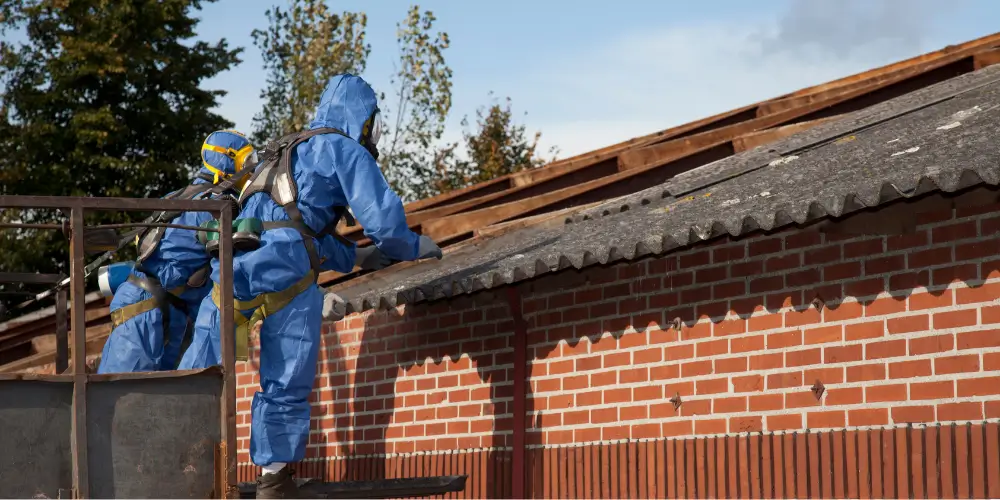
When a licensed domestic asbestos contractor should be engaged depends on the material type, condition, and the scale of work. A contractor is required for any removal of licensed asbestos-containing materials (ACMs) such as asbestos insulation, certain textured coatings, and lagging, or when friable materials are damaged or likely to be disturbed. Non-licensed work on intact, low-risk materials may be managed by homeowners following guidance, but assessment by a competent surveyor is recommended before action.
Costs vary with material, location, and containment needs; small-scale removals (e.g., a few square metres of cement board) may cost several hundred to a few thousand pounds, while complex jobs involving enclosure, air monitoring and disposal can run to many thousands. Timescales depend on workload and permits: simple jobs can take a day or two, medium projects several days, and larger operations weeks, including preparation and clearance certification. Quotes and clear scope statements should be obtained before hiring.
How Asbestos Can Affect Property Value and What Buyers/Sellers Should Know
How much asbestos influences a property’s marketability and price depends on the type, location, and documentation of the material. Presence of intact, undisturbed asbestos often lowers buyer interest but may have minimal immediate effect if well documented and encapsulated. Friable or damaged asbestos, or material in living areas, typically reduces value more substantially because remediation costs and health concerns are clear.
Sellers who provide recent survey reports, removal certificates, or planned remediation quotes can limit price impact and speed the sale. Buyers are advised to factor in inspection and abatement costs, potential mortgage or insurance implications, and legal disclosure obligations. Estate agents and solicitors often recommend transparent communication and professional remediation to preserve value. Local market conditions also shape outcomes: in areas with strong demand, buyers may accept remediation arrangements; in weaker markets, asbestos issues can prolong sale or force price concessions.
- Flaking ceiling panels in a lounge
- Discoloured lagging around a boiler
- Corrugated cement roof sheets seen from the garden
- Old textured Artex on bedroom ceilings
- Exposed insulation in a loft space
Frequently Asked Questions
Can Asbestos Be Safely Removed by DIY Weekend Projects?
No, they should not. He understands DIY risks: asbestos removal needs licensed professionals, proper containment, PPE, and disposal to prevent deadly fibre release. Attempting weekend removal endangers occupants, neighbours, and legal compliance.
Does Homeowners Insurance Cover Asbestos Testing or Removal?
Generally, homeowners insurance does not cover asbestos testing or removal; the individual observes that some policies might cover damage-related abatement or liability claims, so they should review their policy and consult the insurer for specific exclusions and endorsements.
Are There Age-Based Rules for When Asbestos Must Be Disclosed in Sales?
Yes. Sellers must disclose known asbestos regardless of property age; there is no specific statutory age-based rule, though older properties are more likely to contain asbestos and conveyancing searches typically flag related risks and reports.
Can Pets Be Harmed by Disturbed Asbestos Fibres in the Home?
Yes, pets can be harmed if asbestos fibres are disturbed and inhaled or ingested. Owners should avoid disturbing suspect materials, keep animals away, seek professional testing/removal, and consult veterinarians if exposure is suspected.
How Long Do Asbestos Fibres Remain Hazardous in Indoor Environments?
Asbestos fibres remain dangerous indefinitely while airborne or accessible; they persist in indoor environments unless encapsulated or removed by qualified professionals. Risk decreases when fibres are sealed, undisturbed, or permanently removed through safe abatement procedures.
Conclusion
Is Asbestos Still Common in UK Homes? Asbestos remains present in many UK homes, particularly those built or altered before the mid-1980s. While undisturbed materials rarely pose an immediate risk, deterioration or DIY work can release dangerous fibres, so cautious identification and professional assessment are essential. Homeowners and landlords must meet legal obligations in England and Wales, consider using a licensed removal service when required, and disclose known issues during property transactions. Prompt, informed action protects health and helps preserve property value.