Who Is In Charge of Fire Risk Assessment at Schools? In schools, the responsibility for fire risk assessment is a key concern that involves various stakeholders. The headteacher or principal plays a key role in ensuring compliance with safety regulations. However, the governing body and designated fire safety officers also contribute considerably to the process. Understanding the intricacies of these roles can reveal the complexities of fire safety management in educational settings. What specific responsibilities do these individuals hold to encourage a safe environment?
Key Takeaways
- The headteacher or principal holds primary legal responsibility for fire risk assessments in schools.
- A designated fire safety officer is responsible for conducting regular assessments and ensuring compliance.
- School leadership establishes safety policies and promotes a reduction in safety risks among staff and students.
- Maintenance staff are tasked with maintaining safety equipment and ensuring clear escape routes.
- Collaboration with local fire authorities is essential to staying up to date on regulations and best practices.
Table of Contents
Who Should Oversee Fire Risk Assessments in Schools?
Who is responsible for ensuring the safety of students and staff during a fire risk evaluation in schools? This key task typically falls on a collaborative team comprising school administrators, maintenance staff, and local fire authorities.
Each party plays a key role in identifying possible danger, implementing preventive measures, and ensuring regulatory compliance. Administrators must prioritise safety and encourage an environment where all stakeholders understand their responsibilities.
Meanwhile, maintenance staff are essential for ensuring the safety equipment is in good condition and that clear escape routes are maintained. Local fire authorities provide invaluable expertise, guiding the team in evaluating risks and conducting drills.
The collective effort emphasises a commitment to safety, allowing schools to operate freely without compromising individuals’ welfare. Ultimately, the responsibility for fire risk assessments is not confined to one person; it is a shared obligation that reflects a broader dedication to creating a safe educational environment.
The Key Person Responsible for Fire Risk Assessments in Schools
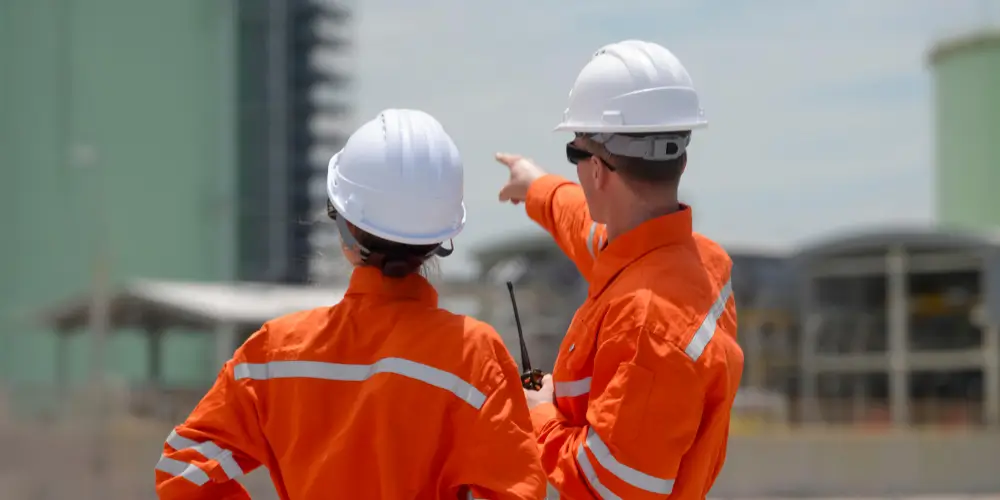
At the heart of fire risk assessments in schools is the designated fire safety officer, a key individual responsible for overseeing these evaluations. This person is typically appointed by the school administration and possesses the expertise to identify possible fire hazards and guarantee compliance with legal requirements.
The fire safety officer conducts regular assessments, evaluates the effectiveness of fire safety measures, and coordinates training for staff and students. Their role extends beyond mere compliance; they promote a reduction of safety, encouraging everyone within the school to be proactive about fire risks.
Fire Safety at Schools: Understanding Who Manages Risk Assessments
While fire safety is a collective responsibility within schools, specific individuals and teams are responsible for managing risk assessments to ensure compliance and safety. Typically, the responsibility falls to the school’s designated fire safety officer, who may collaborate with external consultants and local fire authorities. This officer ensures that fire risk assessments are conducted appropriately and that the findings are documented.
In addition, the school leadership team, including the headteacher and governing body, plays an essential role in supporting these initiatives by providing necessary resources and encouraging a reduction in safety risks. Staff training is essential, as all employees should be aware of fire risks and emergency procedures. Regular reviews and updates to the risk assessments are necessary to adapt to changing circumstances. Understanding who is in charge of fire risk assessment at schools ensures that these efforts are coordinated effectively.
Ultimately, a well-coordinated method empowers schools to create a safer environment, allowing them to fulfil their educational mission without unnecessary interruptions.
Why Fire Risk Assessments at Schools Need a Dedicated Responsible Person
A dedicated, responsible person for fire risk assessments in schools plays an essential role in guaranteeing safety and compliance. This individual not only oversees assessment execution but also encourages awareness and proactive risk management. Their presence ensures that safety measures are continually updated and that staff and students are trained on fire prevention and emergency procedures.
| Benefit | Impact on School Safety | Compliance Aspect |
| Increased safety protocols | Reduces fire-related incidents | Meets legal requirements |
| Improved training for staff | Creates a well-informed community | Guarantees accountability |
| Regular updates to assessments | Adapts to changing environments | Maintains insurance validity |
| Clear communication channels | Strengthens emergency response | Engages with local authorities |
Who Is Legally Responsible for Fire Risk Assessments in Schools?
Who holds the legal responsibility for fire risk assessments in schools? The primary legal responsibility typically falls on the school’s headteacher or principal, who is accountable for ensuring the institution’s safety and compliance. They are responsible for overseeing the implementation of fire risk assessments, which must be conducted regularly to safeguard students and staff. Understanding who is in charge of fire risk assessment at schools is key to ensuring proper safety protocols are followed.
In addition to the headteacher, the governing body or school board may also bear responsibility, as they are required to establish policies that promote a safe learning environment. This shared accountability emphasises the importance of a collective method to fire safety, ensuring that all parties are engaged in the process.
Moreover, local authorities may have an oversight role, particularly in maintaining regulatory standards. Ultimately, a clear understanding of these legal obligations empowers schools to promote an environment where safety is prioritised, allowing educational pursuits to flourish freely.
Fire Risk Assessments in Schools: Key Roles and Responsibilities Explained
Understanding the key roles and responsibilities in fire risk assessments in schools is essential to ensuring safety and compliance. Various stakeholders contribute to this significant process, ensuring that the environment is secure for both staff and students.
- School Leadership: Responsible for overall safety policies and guaranteeing compliance with regulations.
- Fire Safety Officer: Conducts assessments, identifies concerns, and recommends improvements.
- Staff Members: Play an essential role in reporting possible risks and participating in training.
- External Consultants: May be engaged to provide expert assessments and guarantee adherence to legal standards.
Each of these roles is key in creating a proactive method for fire safety, encouraging a reduction in awareness and preparedness.
How Schools Ensure Compliance with Fire Risk Assessment Requirements
Many schools implement structured processes to guarantee compliance with fire risk assessment requirements, thereby safeguarding their environments. These institutions often begin by conducting thorough assessments that identify possible fire hazards, ensuring that all areas are examined.
Regular training sessions for staff and students promote awareness of fire safety protocols and emergency procedures. Furthermore, schools maintain detailed records of assessments and subsequent actions taken to mitigate risks. This documentation is essential for demonstrating compliance during inspections.
Collaborating with local fire authorities helps schools stay up to date on regulations and best practices, encourage a response to fire safety. Periodic reviews of fire risk assessments enable schools to adapt to changes in their environment or occupancy.
The Role of School Management in Fire Risk Assessments
Effective school management plays an essential role in implementing and overseeing fire risk assessments. Their involvement ensures that fire safety protocols are not only established but also actively maintained, promote a safe environment for students and staff.
- Leadership Commitment: Management must prioritise fire safety and demonstrate a commitment to risk assessment processes.
- Resource Allocation: Adequate funding and resources are necessary to conduct thorough assessments and implement necessary changes.
- Training and Awareness: School leaders should facilitate regular training sessions to heighten awareness of fire risks and emergency procedures among staff and students.
- Continuous Improvement: Management should encourage a reduction of continuous assessment and improvement, adapting to new regulations and emerging fire safety technologies.
Who Is Accountable for Fire Safety and Risk Assessments at Schools?
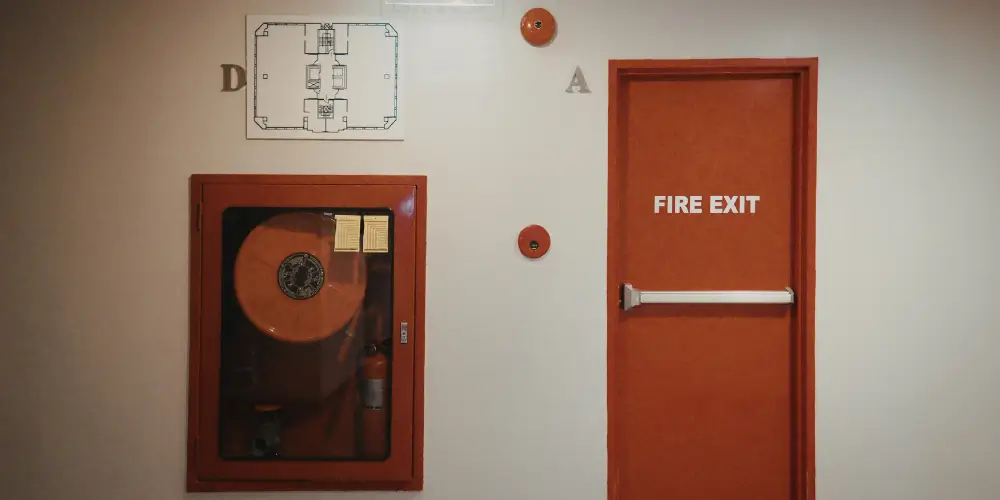
Who bears the responsibility for ensuring fire safety and conducting risk assessments in schools? Accountability primarily rests with the school leadership, including headteachers and governing bodies. They are tasked with establishing a culture of safety and compliance, thereby ensuring that proper protocols are in place.
However, this responsibility does not exist in isolation. Staff members, particularly those involved in facilities management, play an essential role in implementing fire safety measures and maintaining awareness among pupils and colleagues. Additionally, external agencies may be engaged to provide expertise in conducting thorough assessments. Ultimately, a collaborative method encourages a safer environment.
Each individual, from administrative staff to students, holds a part of this collective responsibility. By understanding their roles, schools can better navigate the complexities of fire safety, promoting a proactive stance that prioritises the well-being of all.
A Guide to Fire Risk Assessment Responsibilities in Schools
Understanding the specific responsibilities of fire risk assessments is essential for schools seeking to strengthen their safety protocols. Each member of the school community plays an essential role in guaranteeing a safe environment.
Key responsibilities typically include:
- Designating a Responsible Person: Appoint an individual to oversee fire safety measures and assessments.
- Conducting Regular Assessments: Schedule and conduct fire risk assessments at least annually to evaluate possible danger.
- Training Staff: Confirm that all staff are trained in fire risks, evacuation procedures, and emergency response.
- Documenting Findings: Maintain clear records of assessments, actions taken, and recommendations for improvement.
Frequently Asked Questions
How Often Should Fire Risk Assessments Be Conducted in Schools?
Fire risk assessments in schools should be conducted at least annually. However, additional assessments are recommended after significant changes, such as renovations or new policies, to ensure ongoing safety and regulatory compliance.
What Training Is Required for Those Conducting Fire Risk Assessments?
Individuals conducting fire risk assessments should have appropriate training, including knowledge of fire safety regulations, risk evaluation techniques, and emergency planning. Certifications from recognised organisations increase their competence, ensuring thorough and compliant assessments in educational environments.
How Can Parents Be Involved in Fire Safety Assessments?
Parents can engage in fire safety assessments by participating in school safety meetings, volunteering for fire drills, providing feedback on safety measures, and advocating for regular communication between school officials and the parent community regarding fire safety initiatives.
What Are the Consequences of Failing a Fire Risk Assessment?
Failing a fire risk assessment can lead to increased danger, possible injuries, legal liabilities, fines, and property damage. Furthermore, it undermines trust within the community, compromising the safety and security of students and staff.
Are There Specific Regulations for Different Types of Schools?
Yes, specific regulations exist for different types of schools, including primary, secondary, and special educational institutions. These regulations address unique structural and operational needs, ensuring tailored fire safety measures that promote a safe learning environment for all.
Conclusion
To summarise, effective fire risk assessments in schools hinge on the coordinated efforts of key personnel, primarily the headteacher or principal, the governing body, and the designated fire safety officer. By establishing clear responsibilities and promoting a reduction of safety, schools can ensure regulatory compliance and protect the well-being of students and staff. Ongoing training and collaboration with local fire authorities further increase their commitment to fire safety, reinforcing the importance of vigilance in this key area. Understanding who is responsible for fire risk assessment at schools is essential to achieving this goal.