
An EICR revealing eicr no earth in lighting circuit raises serious concerns for property owners. The absence of proper earthing can lead to various dangers, including electric shock and fire risks. Additionally, legal implications may arise from non-compliance with safety standards. Understanding these issues is essential. What steps can be taken to rectify such a situation? Exploring the answers could greatly impact safety and compliance.
Key Takeaways
- No earth in lighting circuits increases the risk of electric shock and possible fire danger by allowing stray currents to energize metal fixtures.
- Legal compliance issues arise from non-conformance to safety standards, leading to fines or voided insurance policies.
- Outdated wiring, improper installations, or human error can result in the absence of earth connections during EICR assessments.
- Solutions include installing proper earthing conductors, using double-insulated fixtures, and engaging a qualified electrician for thorough evaluations.
- Regular EICR inspections are crucial for maintaining electrical safety and ensuring compliance with safety regulations.
Table of Contents
EICR No Earth in Lighting Circuit Explained in Simple Terms
Many homeowners may be unaware of the implications of having no earth in their lighting circuits, as highlighted in an Electrical Installation Condition Report (EICR).
The absence of an earth connection can lead to possible issues that might compromise the safety and functionality of electrical systems. In simple terms, the earth acts as a safety net, directing any stray electrical current away from people and sensitive equipment. Without it, the risk of electric shock increases considerably, particularly in areas with moisture, such as kitchens or bathrooms.
Moreover, a missing earth can affect the operation of circuit breakers and fuses, making them less effective in preventing electrical faults. Homeowners seeking independence in their living spaces should recognize that addressing this issue not only increases safety but also contributes to the overall reliability of their electrical installations. Understanding these fundamentals empowers individuals to make informed decisions about their home safety.
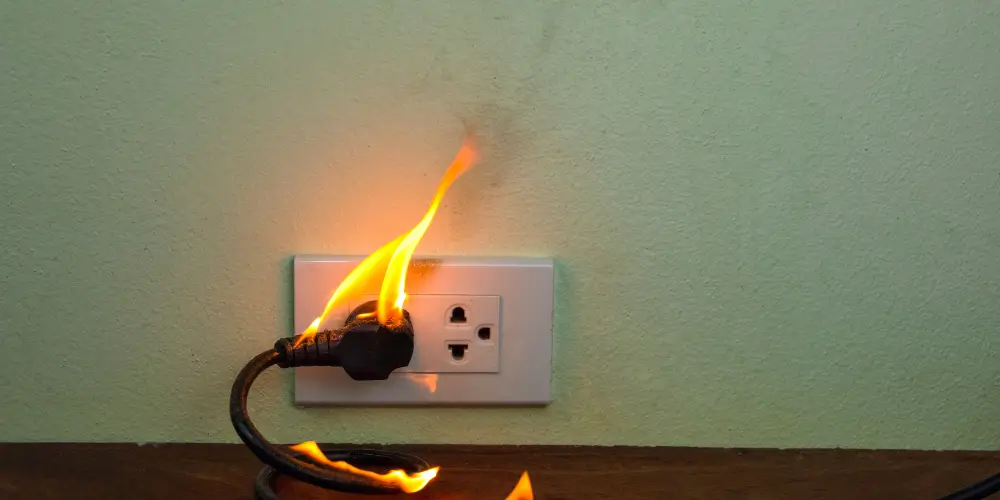
Why a Missing Earth in a Lighting Circuit Is a Serious Safety Risk
When homeowners overlook the absence of an earth connection in their lighting circuits, they greatly increase the risk of electrical danger. Without a proper earth, any faults in the system can lead to dangerous situations, including electric shocks or even fires.
The earth connection serves as a safety mechanism, providing a path for stray currents to flow safely into the ground rather than through a person or flammable materials. Fundamentally, it is a critical component that guarantees electrical systems operate safely and effectively.
Moreover, the absence of an earth connection can void insurance policies and lead to legal ramifications if an accident occurs. Homeowners may face severe consequences, both financially and personally, if their property is deemed unsafe.
Consequently, addressing the lack of an earth connection in lighting circuits is not merely a technical issue; it represents a fundamental aspect of safeguarding one’s home and guaranteeing the well-being of its inhabitants.
What Causes No Earth to Be Recorded During an EICR Inspection
Several factors can lead to an earth connection not being recorded during an Electrical Installation Condition Report (EICR) inspection, resulting in an EICR no earth in lighting circuit observation. One primary cause is outdated wiring systems that were installed before modern regulations mandated earthing. In some cases, improper installations can also result in a lack of earth connection. Additionally, damaged or corroded connections may fail to provide a reliable earth path. Finally, human error during assessment can lead to the overlooking of existing earth connections.
| Cause of No Earth | Description | Impact on Safety |
| Outdated Wiring | Older systems may lack earthing | Possible risk of electric shock |
| Improper Install | Faulty installations without earth | Increased danger during faults |
| Damaged Connections | Corrosion or wear affecting earthing | Compromised safety |
| Assessment Error | Oversights during EICR inspection | Misleading safety compliance reports |
How Dangerous Is a Lighting Circuit Without Earthing?
How perilous can a lighting circuit be without proper earthing? The absence of an earth connection in a lighting circuit raises significant safety concerns. Without this critical safety feature, the risk of electric shock increases dramatically.
If a fault occurs, live wires could energize metal fixtures, posing a serious threat to anyone who comes into contact with them. Additionally, the risk of electrical fires increases, as faulty wiring can lead to overheating and sparks. In environments where individuals seek autonomy and freedom, the presence of hidden dangers may create an unsettling atmosphere, undermining the sense of security.
Furthermore, malfunctioning of sensitive electronic devices is a possibility, leading to costly damage or loss of functionality. Fundamentally, the lack of earthing in a lighting circuit not only jeopardizes personal safety but also compromises the integrity of the living space, making it imperative to address the issue promptly.
Legal and Compliance Issues Linked to Unearthed Lighting Circuits
The absence of earthing in lighting circuits not only poses safety risks but also leads to significant legal and compliance challenges. Property owners and landlords are held to stringent regulations regarding electrical safety.
Failure to comply with these standards can result in hefty fines, legal action, or increased liability in the event of an electrical incident. Additionally, insurance policies may be voided if an unearthed circuit is discovered, leaving property owners financially exposed.
Regulatory bodies, such as the Health and Safety Executive (HSE) and local authorities, mandate that all electrical installations meet specific safety standards, including proper earthing. Non-compliance can lead to enforcement actions and mandatory rectification orders.
Consequently, the risks associated with unearthed lighting circuits extend beyond physical safety to encompass serious legal and financial repercussions. Ensuring compliance is not just about safety; it is essential for protecting one’s rights and financial interests in the event of electrical mishaps.
How Electricians Identify Earthing Problems in Lighting Systems
Electricians employ a variety of methods to identify earthing issues in lighting systems, ensuring safety and regulatory compliance. They utilize specialized tools and techniques to assess the integrity of earthing connections.
| Method | Description | Purpose |
| Visual Inspection | Check for visible earth cables | Identify obvious issues |
| Continuity Testing | Measure resistance in earthing | Guarantee proper connections |
| Insulation Resistance | Test insulation against earth | Verify the safety of wiring |
| Voltage Testing | Measure the voltage between circuits | Detect potential faults |
Recommended Fixes When No Earth Is Found in a Lighting Circuit
Identifying a lack of earth in a lighting circuit necessitates immediate attention and appropriate corrective measures to secure safety and compliance. One recommended fix is to install a proper earthing conductor to ensure a reliable path for fault currents. This can involve running a new earth wire from the lighting circuit back to the consumer unit, where it can connect to the main earthing system.
Alternatively, if upgrading the earthing system is impractical, using double-insulated or Class II lighting fixtures can be a temporary solution. These fixtures do not require an earth connection, providing a degree of safety. Regular inspections and testing should also be conducted to identify any possible issues arising from the absence of an earth. Ultimately, engaging a qualified electrician is essential to implement these fixes, as they have the expertise to ensure compliance with all safety standards and regulations.

How an EICR Codes No Earth in Lighting Circuits
When an EICR (Electrical Installation Condition Report) identifies a lack of earth in lighting circuits, it typically assigns a specific code to indicate the severity of the issue. These codes serve as a guide for electricians and property owners to understand the possible risks involved.
The coding system generally includes:
- Code 1 (C1): Indicates an immediate danger, requiring urgent attention.
- Code 2 (C2): Signifies a potentially dangerous situation that necessitates timely action.
- Code 3 (C3): Represents a non-compliance issue but does not pose an immediate risk.
These classifications empower individuals to take informed actions regarding electrical safety.
Understanding these codes increases awareness of the risks associated with the absence of earth in lighting circuits and encourages a response to electrical installations. Ultimately, addressing these issues can lead to safer living environments and compliance with legal standards.
No Earth vs Poor Earth Continuity: Understanding the Difference
The distinction between no earth and poor earth continuity is critical for understanding electrical safety, particularly in cases of EICR no earth in lighting circuit. No earth signifies an absence of an earth conductor in a lighting circuit, leaving it vulnerable to faults that could lead to electric shock or fire danger.
In contrast, poor earth continuity indicates that an earth connection exists but is inadequate, possibly due to corrosion, loose connections, or an insufficient conductor size. This condition may also pose risks, as it hampers the effectiveness of the earth system in diverting fault currents.
Both scenarios pose significant safety risks and may have serious legal implications for property owners. Recognizing the difference between these two conditions allows individuals to take informed actions to increase safety and compliance.
Ultimately, being aware of these distinctions empowers property owners to advocate for their electrical integrity, promoting a safer living environment while enjoying the freedom that comes with responsible home ownership.
What Property Owners Should Do After an EICR Flags Missing Earthing
After an EICR flags missing earthing, property owners must take immediate and informed action to address the safety concern. Ignoring this issue could expose occupants to significant risks, including electrical shocks and fire.
Here are three essential steps to take:
- Engage a Qualified Electrician: Seek the expertise of a certified electrician specializing in EICR evaluations to thoroughly assess the situation.
- Implement Recommended Fixes: Based on the electrician’s findings, ensure necessary updates are made to the electrical system, including proper earthing of the lighting circuit.
- Document the Changes: Maintain clear records of all repairs and inspections.
This documentation can be critical for future EICR assessments and legal compliance.
Frequently Asked Questions
Can I Use Appliances in a Circuit With No Earth?
Using appliances in a circuit without an earth is risky. It can lead to electrical shock or damage. Individuals should prioritize safety and consider upgrading their electrical systems to guarantee proper grounding before usage.
How Often Should I Have an EICR Conducted?
An EICR should be conducted every five years for rental properties, every three years for commercial properties, or when significant alterations occur. Regular inspections guarantee safety and compliance, promoting a sense of freedom through secure electrical systems.
What Is the Cost of Fixing No Earth Issues?
The cost of fixing no-earth issues typically ranges from £100 to £500, depending on the extent of the necessary repairs and local electrician rates. Homeowners should prioritize safety when budgeting for electrical upgrades.
Can I Sell My Property With a Flagged EICR?
A property with a flagged EICR can still be sold, but possible buyers may be deterred by the issues. Addressing the concerns beforehand could increase marketability and possibly lead to a smoother transaction.
Will Insurance Cover Incidents Related to No Earth?
Insurance coverage for incidents related to a lack of earthing may vary. Typically, insurers assess the circumstances and may deny claims if negligence is evident. Policyholders should consult their individual policies for specific terms and conditions.
Conclusion
In conclusion, the absence of an earth in a lighting circuit poses serious safety risks, including electric shock and fire danger, and may lead to legal issues for property owners. Addressing these concerns requires prompt action from qualified electricians to implement necessary upgrades and guarantee compliance with safety standards. By understanding the implications of a missing earth and taking appropriate measures, property owners can safeguard their electrical systems and protect both their property and occupants.