After a fire, the integrity of a property’s electrical system is often compromised. The intense heat and smoke can lead to unseen damage, leaving wiring and components vulnerable. Conducting an Electrical Installation Condition Report (EICR) is crucial for identifying these risks in a Scenario After a Fire and EICR. Property owners must understand the significance of these inspections to guarantee safety and compliance. What steps should be taken to assess and secure the electrical systems before reoccupying the space?
Key Takeaways
- Conduct an Electrical Installation Condition Report (EICR) promptly after a fire to identify latent hazards and ensure safety compliance.
- Inspect wiring insulation for damage, as smoke and heat can cause shorts and increase fire risk.
- Check metal connectors and circuit breakers for corrosion or damage, which can disrupt electrical continuity and protection.
- Evaluate grounding systems and ensure smoke detectors are operational to maintain safety standards for occupants.
- Document all findings and repairs to comply with local building codes and insurance requirements for future reference.
Table of Contents
Scenario After a Fire and EICR: Why Electrical Checks Become Critical
After a fire, the urgency of conducting electrical checks cannot be overstated, as damaged electrical systems can pose ongoing safety risks. Individuals who value their freedom and independence must prioritise the integrity of their electrical infrastructure to guarantee their environment remains safe and secure.
Electrical systems, often hidden from view, can suffer from unseen damage, making it crucial to engage qualified professionals for thorough inspections.
The Electrical Installation Condition Report (EICR) is an important tool in this process, providing an evaluation of the condition of electrical installations. An EICR highlights any faults or latent hazards, empowering homeowners to take decisive action.
What Happens to Electrical Systems After a Fire Incident
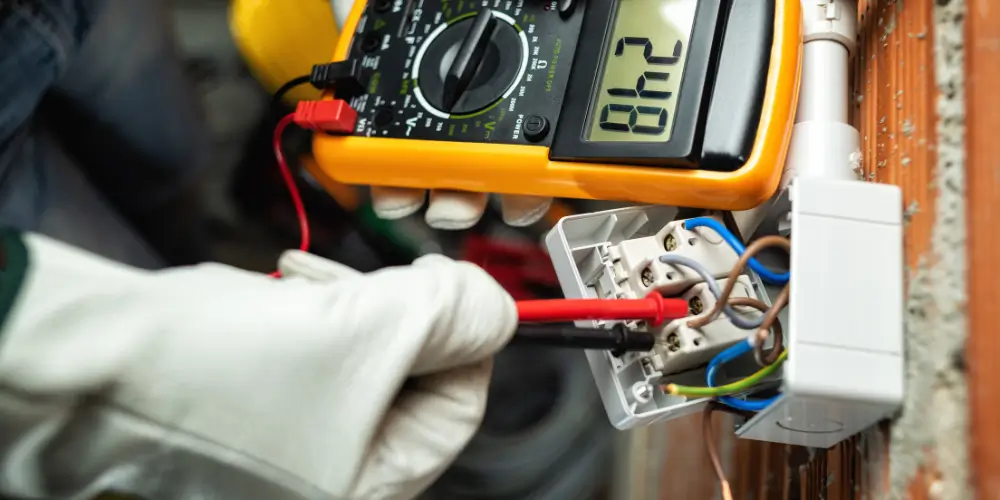
Although fires can cause immediate, visible damage, their impact on electrical systems often extends beyond what is initially apparent. The aftermath of a fire can compromise electrical components, leading to potential hazards. Understanding these effects is essential for safety and compliance.
- Insulation Damage: Heat can degrade wiring insulation, increasing the risk of short circuits.
- Connector Issues: Metal connectors may corrode or melt, disrupting electrical continuity.
- Grounding Compromise: Fires can compromise grounding systems, rendering them ineffective.
- Electrical Panel Risks: Circuit breakers and panels may become damaged, failing to protect the system.
- Smoke Residue: Soot and smoke can infiltrate outlets and fixtures, posing a risk of electrical failure.
These concerns underscore the need for thorough evaluations and repairs to ensure the safety and functionality of electrical systems following a fire.
Why an Electrical Inspection Is Essential Before Reoccupying a Property
Before reoccupying a property damaged by fire, it is imperative to conduct a thorough electrical inspection to ensure safety and functionality. This process helps identify potential hazards that could pose risks to residents.
Electrical systems are often compromised during a fire, making it essential to verify that all wiring, outlets, and appliances are intact and operational.
An electrical inspection provides peace of mind, allowing occupants to feel secure in their environment. It also guarantees compliance with safety standards and regulations, which is key for insurance coverage and legal requirements.
A qualified electrician can detect issues that may not be immediately visible, such as damage beneath surfaces or within walls. By prioritising an electrical inspection, property owners take an important step to safeguard their health and well-being while encouraging a secure environment for a sense of freedom.
Ultimately, this inspection is an investment in the safety of all future occupants.
Understanding Hidden Electrical Damage Caused by Fire and Smoke
When a fire occurs, the visible damage often overshadows the hidden threats that lurk within electrical systems.
These concealed dangers can compromise safety and functionality long after the flames have been extinguished. Understanding the types of hidden electrical damage is essential for maintaining a safe environment.
Potential issues include:
- Damaged wiring insulation: Smoke and heat can degrade insulation, leading to shorts.
- Corrosion: Moisture from firefighting efforts can cause metal components to corrode.
- Thermal damage: High temperatures may weaken connections, posing a risk of failure.
- Component failure: Circuit breakers and outlets can be damaged without visible signs.
- Smoke residue: Smoke can infiltrate devices, impairing their operation.
Awareness of these risks underscores the need for thorough inspections to ensure electrical systems are restored, enabling the freedom and safety every occupant deserves.
The Role of EICR in Post-Fire Safety and Risk Assessment
How can an Electrical Installation Condition Report (EICR) increase safety following a fire?
An EICR is an essential tool for evaluating the integrity of electrical systems after an incident. By identifying potential risks and ensuring compliance with safety standards, it enables property owners can make informed decisions about repairs and renovations. The report meticulously examines wiring, connections, and appliances, pinpointing potential damage from heat or smoke.
In the wake of a fire, the risks associated with compromised electrical systems can escalate, including electrocution or additional fires. An EICR empowers individuals to address these vulnerabilities proactively.
Furthermore, it promotes a sense of security among occupants, knowing that their environment has been thoroughly examined for safety. Ultimately, relying on the findings of an EICR not only facilitates restoration but also promotes a culture of safety and preparedness in the aftermath of a fire.
Legal and Insurance Requirements Following Fire Damage
Following a fire, understanding legal and insurance requirements becomes essential for property owners. Manoeuvring these obligations guarantees compliance and facilitates a smoother recovery process.
Key considerations include:
- Notification Obligations: Property owners must promptly notify their insurance provider to initiate claims.
- Documentation Requirements: Collecting evidence, such as photographs and witness statements, is essential for substantiating claims.
- Assessment Regulations: Engaging professionals for damage assessment may be legally required before any repairs.
- Building Code Compliance: Repairs must comply with local building codes, which may have changed since the original construction.
- Liability Issues: Understanding potential liability for damage to neighbouring properties can mitigate future legal complications.
How Fire Exposure Affects Wiring, Circuits, and Consumer Units
Fire exposure can severely compromise the integrity of electrical systems, posing hazardous conditions. The intense heat can cause insulation on wiring to melt, exposing conductive materials and increasing the risk of short circuits. Additionally, wiring may become brittle or charred, making it susceptible to future damage.
Circuits can be severely affected; breakers may trip or fail to function properly, undermining the system’s ability to prevent overloads.
Consumer units are not immune to fire exposure either. They can suffer from structural damage, leading to malfunction or complete failure. This can prevent essential circuits from operating, leaving a property without power where it is needed most.
In such circumstances, it is key to thoroughly assess the entire electrical system, ensuring that all components are safe and up to code. Only through careful inspection can one guarantee the safety and reliability of the electrical infrastructure post-fire.
Steps Property Owners Should Take After a Fire Emergency
After a fire emergency, property owners must take immediate, systematic steps to ensure safety and recovery. The aftermath of a fire can be chaotic, but following a structured method can help mitigate risks and restore normalcy.
- Confirm all occupants are safe and accounted for.
- Contact emergency services if any fire remains or hazardous conditions persist.
- Document damage through photographs and notes for insurance claims.
- Consult with professionals to assess structural integrity and identify electrical risk.
- Secure the property to prevent unauthorised access and further damage.
These actions empower property owners to regain control over a challenging situation and encourage a sense of autonomy and responsibility.
When to Arrange an EICR After Fire Damage Has Occurred
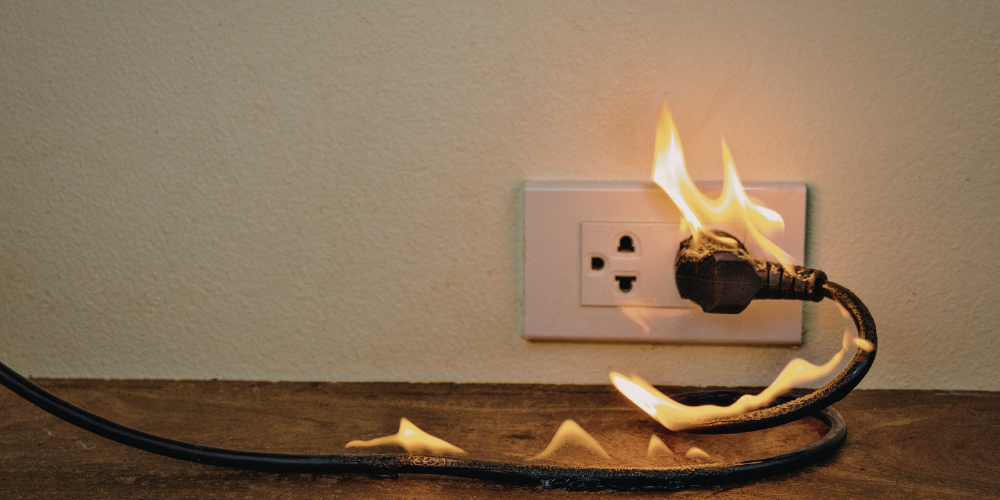
Evaluating electrical systems after fire damage is essential to ensure safety and prevent future hazards in a Scenario After a Fire and EICR. Property owners must arrange for an Electrical Installation Condition Report (EICR) promptly after the incident. This assessment is essential, especially if the fire was caused by electrical faults or if the fire spread near electrical wiring and components.
An EICR should be conducted once the property is deemed safe for inspection, allowing qualified professionals to identify possible risks, including damaged wiring, compromised circuits, or residual effects of smoke and heat on electrical systems.
Typically, property owners should aim to schedule the EICR within a few days to weeks following the fire, depending on the extent of the damage. Delaying this inspection can increase the risk of additional hazards, making it imperative to act swiftly to restore safety and ensure regulatory compliance.
Prioritising this step empowers property owners to reclaim their space with confidence.
Scenario After a Fire and EICR: Protecting Occupants from Ongoing Electrical Risks
Once the smoke has cleared and the immediate dangers of a fire have subsided, property owners face the 7key task of guaranteeing their electrical systems are safe for reoccupation.
Conducting an Electrical Installation Condition Report (EICR) is essential to identify and mitigate ongoing electrical risks that could jeopardise occupant safety.
To effectively protect individuals from residual hazards, property owners should consider the following:
- Assess the integrity of wiring and connections.
- Check for signs of fire damage on electrical panels and devices.
- Guarantee that circuit breakers are functioning correctly.
- Evaluate the condition of grounding systems.
- Test smoke and carbon monoxide detectors for reliability.
Frequently Asked Questions
How Long Does an EICR Inspection Take After a Fire?
An EICR inspection after a fire typically takes between one to three hours, depending on the property’s size and complexity. Thorough assessments guarantee safety and compliance, allowing occupants to regain a sense of security and freedom.
Can I Perform My Own Electrical Checks Post-Fire?
Performing one’s own electrical checks post-fire is possible, but the risks are high. Expertise is essential for safety and compliance. Relying on qualified professionals guarantees thorough assessments, minimises risks, and provides peace of mind for all involved.
What Is the Cost of an EICR After Fire Damage?
The cost of an EICR after fire damage typically ranges from £100 to £300, depending on property size and complexity. Engaging a qualified electrician guarantees thorough inspections and compliance with necessary safety standards.
How Often Should EICRS Be Conducted on Properties?
EICRs should be conducted every 5 years for rental properties and at least every 10 years for owner-occupied homes. Regular checks guarantee safety, compliance, and the freedom to enjoy a secure living environment.
Who Is Qualified to Conduct an EICR After a Fire?
Qualified electricians with relevant certifications and experience in post-fire assessments are authorised to conduct EICRs. Their expertise ensures compliance with safety standards, safeguards property, and prevents latent electrical hazards in the aftermath of fire incidents.
Conclusion
In the aftermath of a fire, conducting an Electrical Installation Condition Report (EICR) is crucial for ensuring safety and compliance in a Scenario After a Fire and EICR. Hidden damage to electrical systems can pose significant risks if left unaddressed. Engaging qualified professionals for thorough inspections not only identifies compromised components but also empowers property owners to take necessary corrective actions. Ultimately, timely EICR evaluations provide peace of mind, safeguarding occupants from ongoing electrical hazards before reoccupying the affected property.