Fire safety in the workplace is a key issue that encompasses both legal obligations and practical measures. Employers must navigate complex Fire Safety in the Workplace Legislation while ensuring their employees’ safety. Understanding these requirements is essential for creating a secure environment. However, many organisations overlook key aspects of fire safety compliance. What are the implications of failing to prioritise these practices? Exploring the answers can shed light on the importance of Fire Safety in the Workplace Legislation in any workplace.
Key Takeaways
- Employers must conduct regular risk assessments and ensure compliance with local fire safety regulations to maintain a safe workplace.
- Clear communication of fire safety protocols and emergency plans is essential for effective employee preparedness and response during emergencies.
- Regular fire drills and comprehensive training equip employees with key skills to handle fire-related emergencies efficiently.
- Non-compliance can lead to severe penalties, including fines and reputational damage, emphasising the importance of adherence to fire safety laws.
- Implementing effective fire safety measures fosters a culture of safety, increases employee morale, and reduces possible workplace risks.
Table of Contents
Understanding Legal Responsibilities for Fire Safety in the Workplace
Fire safety regulations impose significant legal responsibilities on employers to guarantee a safe working environment. These regulations mandate that employers implement thorough fire safety measures, including risk assessments, employee training, and the installation of adequate fire safety equipment.
Failure to comply can lead to severe penalties, including fines and possible litigation.
Employers must understand that creating a culture of safety is not merely a legal obligation but a moral one. This involves empowering employees with knowledge and resources to respond effectively in emergencies.
Clear communication about fire safety protocols is essential, allowing individuals to feel informed and prepared. The freedom to work in a safe environment is a fundamental right, and recognising these legal responsibilities is essential in safeguarding that freedom.
Employers who take fire safety seriously not only fulfil their legal duties but also foster a workplace where employees can thrive without fear of preventable danger.
How to Meet Fire Safety Standards in the Workplace: A Comprehensive Guide
Meeting workplace fire safety standards requires a systematic method that goes beyond mere compliance with Fire Safety in the Workplace Legislation. Organisations must prioritise proactive measures to create a safe environment. A thorough strategy includes training employees, conducting regular fire drills, and maintaining equipment.
| Fire Safety Measure | Implementation Steps |
| Fire Risk Assessment | Identify risk, assess risks |
| Emergency Plan | Develop and communicate a plan |
| Equipment Maintenance | Regularly inspect and service |
What Employers Must Know About Workplace Fire Prevention Measures
While many employers understand the importance of compliance with fire safety regulations, they must also recognise that effective fire prevention measures are essential for safeguarding both their employees and property.
Implementing strong fire prevention strategies not only increases workplace safety but also fosters a civilisation of awareness and responsibility.
Employers should consider the following key measures:
- Conduct regular fire risk assessments to identify possible risks.
- Install and maintain fire detection and suppression systems.
- Provide thorough fire safety training for all employees.
- Establish clear evacuation procedures and conduct regular drills.
- Guarantee proper storage of flammable materials and maintain clear access to fire exits.
The Role of Fire Safety Compliance in Protecting Employees and Business
Ensuring compliance with fire safety regulations is essential for businesses seeking to protect their employees and assets. Adhering to these standards not only minimises the risk of fire incidents but also encourages a culture of safety that empowers employees.
When organisations prioritise fire safety compliance, they demonstrate a commitment to their workforce’s well-being, which can lead to increased morale and productivity.
Moreover, compliance helps mitigate legal liabilities and possible financial losses resulting from fire-related incidents. Businesses that neglect fire safety may face severe consequences, including fines, lawsuits, and reputational damage. By investing in fire safety measures, companies can create a more secure environment where employees feel valued and protected.
Ultimately, effective fire safety compliance is a proactive strategy that safeguards human lives and business continuity, allowing organisations to thrive while ensuring their workforce can focus on their tasks without unnecessary fear.
Key Fire Safety Regulations Every Business Should Follow
Fire safety regulations serve as essential guidelines for businesses aiming to protect their employees and property. Adhering to these regulations not only fosters a safe environment but also promotes a culture of responsibility and awareness.
Below are key fire safety regulations every business should follow:
- Install Smoke Alarms: Confirm smoke detectors are installed and regularly maintained.
- Fire Extinguishers: Provide accessible fire extinguishers that are inspected annually and matched to possible fire danger.
- Emergency Exits: Clearly mark and keep emergency exits unobstructed for quick evacuation.
- Training Programs: Conduct regular fire safety training and drills for all employees.
- Record Keeping: Maintain documentation of fire safety practices, inspections, and training sessions.
How to Create an Effective Fire Safety Plan for Your Workplace
Developing an effective fire safety plan is essential for safeguarding employees and property in any workplace. To create such a plan, first, conduct a thorough risk assessment to identify possible fire danger specific to the environment. This assessment should inform the development of clear evacuation routes and procedures tailored to the facility’s layout, in compliance with Fire Safety in the Workplace Legislation.
Next, establish a fire safety team to train employees on fire prevention and response strategies. Regular drills should be scheduled to guarantee preparedness and to foster a culture of safety among staff.
Additionally, it is imperative to maintain and regularly inspect fire safety equipment, including extinguishers and alarms, ensuring they meet legal standards.
Finally, communicate the fire safety plan to all employees, emphasising their roles in maintaining a safe workplace. By prioritising these elements, organisations can promote a secure environment where employees can thrive, free from the worries of insufficient fire safety measures.
The Consequences of Non-Compliance with Fire Safety Rules in the Workplace
When businesses neglect fire safety rules, they expose themselves to significant risks that can have dire consequences. Non-compliance can lead not only to immediate dangers but also to long-term repercussions that threaten the organisation’s very existence.
The consequences of disregarding fire safety regulations include:
- Increased Risk of Injury or Fatalities: Employees and visitors may face life-threatening situations.
- Legal Penalties: Businesses may face fines or regulatory action.
- Financial Losses: Damage to property and equipment can lead to substantial financial burdens.
- Reputation Damage: Companies may suffer a loss of credibility and trust among clients and the public.
- Operational Disruptions: A fire incident can result in significant downtime and productivity losses.
Why Fire Safety Training Is Critical for Workplace Safety
Guaranteeing a safe workplace requires thorough fire safety training, which equips employees with the knowledge and skills to respond effectively in emergencies. This training fosters a proactive culture, enabling workers to recognise possible fire danger and understand the appropriate measures to mitigate risks.
Employees learn key evacuation procedures and the proper use of firefighting equipment, which can considerably reduce panic during an actual event.
Moreover, fire safety training increases teamwork and communication, essential elements in crisis situations. Well-informed workers can assist others and work collaboratively to ensure everyone’s safety.
Additionally, regular training sessions reinforce the importance of fire safety, keeping it at the forefront of employees’ minds.
In essence, effective fire safety training not only safeguards lives but also empowers employees, encourages an atmosphere of awareness and responsibility. This investment in knowledge ultimately leads to a more secure and resilient workplace.
How Fire Safety Procedures Contribute to a Safe and Productive Work Environment
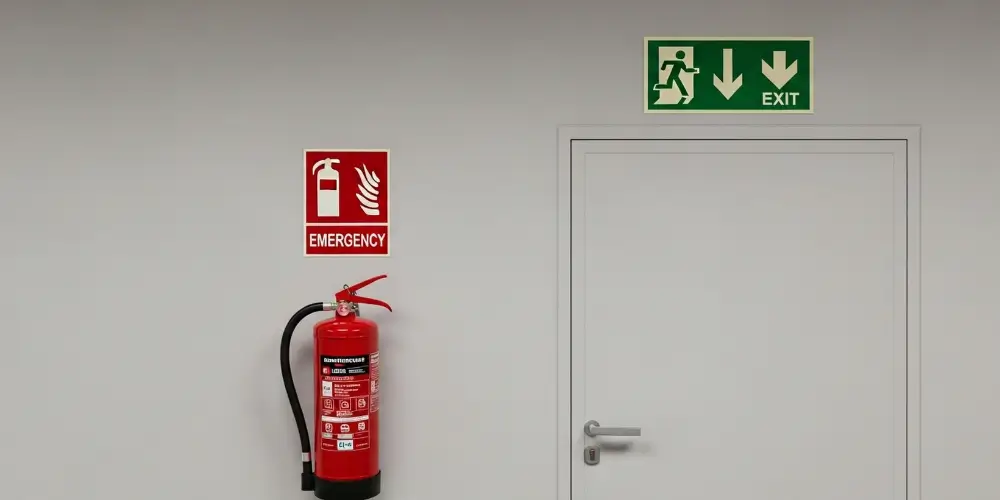
Fire safety procedures play an essential role in creating a safe and productive work environment by establishing clear guidelines for preventing and responding to fire-related emergencies. When employees adhere to these procedures, the workplace becomes more secure and encourages a culture of safety and efficiency.
Implementing effective fire safety procedures contributes to a positive work atmosphere in several ways:
- Reduced risk of fire incidents: Clear guidelines minimise the likelihood of fires.
- Increased employee confidence: Knowledge of procedures empowers employees to act decisively.
- Lower insurance premiums: A strong safety record can lead to lower insurance premiums.
- Improved morale: A safe environment boosts overall employee satisfaction.
- Increased productivity: Less time lost to fire-related issues means more focus on work tasks.
In essence, robust fire safety procedures are essential for maintaining both safety and productivity within a workplace.
Fire Safety Inspections: What Employers Need to Know for Workplace Safety
A thorough understanding of fire safety inspections is essential for employers committed to maintaining a secure workplace. Fire safety inspections are a proactive measure to identify possible danger and ensure compliance with legal regulations.
Employers should familiarise themselves with the specific requirements set forth by local fire codes and national standards. Regular inspections, typically conducted by certified professionals, should encompass all areas of the workplace, including exit routes, fire extinguishers, and alarm systems.
Documentation of these inspections is important; it not only demonstrates compliance but also helps track improvements and necessary follow-ups.
In addition, employers should engage employees in fire safety training to increase awareness and preparedness. By prioritising fire safety inspections in line with Fire Safety in the Workplace Legislation, employers encouarge an environment that values the well-being and freedom of all personnel, ultimately contributing to a culture of safety and accountability.
Frequently Asked Questions
What Are the Common Causes of Workplace Fires?
Common causes of workplace fires include electrical malfunctions, improper storage of flammable materials, human error, cooking incidents, and inadequate equipment maintenance. Awareness and proactive measures can considerably reduce the risk of such risks.
How Often Should Fire Drills Be Conducted?
Fire drills should be conducted at least twice a year to guarantee employees remain familiar with evacuation procedures. Frequent practice encourages confidence, reduces panic, and increases overall preparedness in the event of a fire emergency.
What Should Employees Do During a Fire Emergency?
During a fire emergency, employees should remain calm, follow evacuation routes, assist others if it is safe to do so, avoid using elevators, and gather at designated assembly points. Personal belongings should be left behind to expedite safe exit.
Are There Specific Fire Safety Requirements for Different Industries?
Different industries face specific fire safety requirements tailored to their unique dangers. Regulations can vary considerably, addressing chemical handling, electrical systems, and structural materials, ensuring that each sector implements appropriate measures to protect employees and property.
How Can Employees Report Fire Hazards in the Workplace?
Employees can report fire danger through designated safety channels, such as an internal reporting system or safety committee. Encouraging open communication encourages a proactive safety culture, empowering individuals to address possible risks effectively and collaboratively.
Conclusion
In summary, understanding workplace fire safety is essential for both legal compliance and the protection of employees and property. Employers must prioritise risk assessments, training, and the implementation of safety measures to foster a culture of preparedness. By adhering to Fire Safety in the Workplace Legislation and conducting regular inspections, organisations not only mitigate risks but also increase overall productivity. Ultimately, a response to fire safety contributes to a secure work environment where employees can thrive.