EICR regulations for commercial properties are key, guaranteeing that electrical systems are safe and compliant. Business owners must understand the implications of these regulations, as they not only protect against liabilities but also influence property value. Regular inspections play a key role in identifying latent danger. However, many are unaware of the complexities involved in achieving compliance. Understanding these nuances can be key to the success of any commercial operation. What are the essential steps to guarantee adherence?
Key Takeaways
- EICRs are mandatory electrical safety assessments required every 5 years or sooner for properties with high foot traffic or significant electrical upgrades.
- Regular inspections identify possible electrical latent danger , ensuring compliance and protecting property owners from legal liability.
- Documentation of EICR reports increases property value, attracts lower insurance premiums, and supports higher occupancy rates by demonstrating safety standards.
- Property owners must promptly address any issues identified during EICR inspections to maintain compliance with safety regulations and protect occupants.
- Staying informed about changes in EICR regulations and engaging qualified professionals ensures ongoing compliance and effective electrical safety management.
Table of Contents
A Deep Dive into EICR Regulations for Commercial Properties: What You Should Know
As commercial properties continue to evolve in complexity and usage, understanding the Electrical Installation Condition Report (EICR) regulations becomes essential for property owners and managers.
The EICR is a significant assessment tool that evaluates the safety and integrity of electrical installations on a property. These regulations establish a framework for regular inspections to ensure that electrical systems meet current safety standards.
Property owners must be aware of their responsibilities, including obtaining EICRs at specified intervals, particularly when there are changes in occupancy or electrical upgrades. Additionally, the documentation provided by an EICR can safeguard against latent liabilities and increase property value.
Familiarity with the specific requirements, including the qualifications of the inspectors and the reporting process, is key. Ultimately, compliance with EICR regulations not only adheres to legal mandates but also promotes a safe environment for tenants, employees, and visitors alike.
How EICR Regulations Ensure Electrical Safety in Commercial Buildings
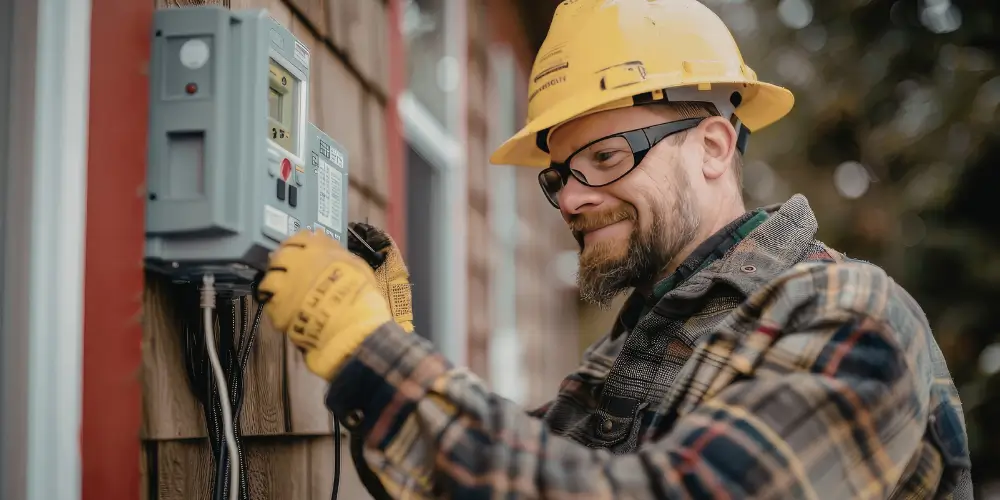
While many property owners may overlook the importance of regular electrical inspections, EICR regulations play an essential role in safeguarding the safety of commercial buildings. These regulations mandate periodic assessments of electrical installations to reduce the risk of danger. By enforcing a structured inspection framework, EICR regulations help identify and rectify faults that could lead to electrical failures.
| Key Aspects | Importance |
| Regular Inspections | Guarantee ongoing electrical safety |
| Compliance Standards | Protect against legal liabilities |
| Fault Identification | Prevent costly repairs and downtime |
Adhering to EICR regulations not only increases safety but also promotes a culture of responsibility among property owners, guaranteeing that they prioritise the well-being of occupants and visitors. Consequently, these regulations serve as a foundational element in maintaining operational efficiency and safety in commercial environments.
The Role of EICR Regulations in Preventing Electrical Hazards in Commercial Properties
EICR regulations serve an essential function in preventing electrical danger within commercial properties by establishing a systematic method for electrical safety.
These regulations require regular inspections and testing of electrical systems, ensuring that any latent risks are identified and addressed promptly. By mandating thorough assessments of wiring, circuits, and appliances, EICR regulations help to mitigate risks such as electrical shocks, fires, and equipment failure.
Moreover, compliance with these regulations not only protects employees and customers but also safeguards the property itself and the business’s financial stability. Business owners are obligated to maintain their electrical installations in a safe condition, thereby reducing liability and enhancing operational efficiency.
Regular adherence to EICR regulations encourages a civilisation of safety, ensuring that all electrical components function efficiently. Ultimately, these regulations play a key role in creating safer commercial environments, contributing to the overall well-being of those who inhabit and visit these spaces.
A Step-by-Step Guide to Complying with EICR Regulations for Commercial Buildings
To guarantee compliance with EICR regulations, commercial property owners must follow a systematic method that includes several key steps.
First, they should conduct a thorough assessment of their electrical systems to identify any existing issues.
Next, hiring a qualified electrician to perform the EICR inspection is essential. This professional will evaluate the electrical installations and provide a report detailing any defects or required upgrades.
After receiving the report, property owners must promptly address any identified issues, ensuring that necessary repairs or modifications are made to meet safety standards.
Following this, it is essential to maintain accurate records of all inspections and actions taken. Regularly reviewing and updating these records will help guarantee ongoing compliance.
Finally, property owners should stay informed about any changes to EICR regulations, as this will help them remain compliant in the long term and protect their properties and occupants from electrical hazards.
Understanding the Frequency of EICR Inspections for Commercial Properties
The frequency of EICR inspections for commercial properties is a key aspect of maintaining electrical safety and compliance. Typically, these inspections are required every five years, although certain factors may necessitate more frequent evaluations.
For instance, properties with high foot traffic or specialised equipment may require inspections every three years to guarantee peak safety standards. Additionally, any significant changes to the electrical installation, such as renovations or upgrades, should trigger a new inspection regardless of the five-year timeline.
Business owners are advised to stay informed about their specific industry requirements, as regulations can vary. Regular inspections not only help identify possible hazards but also serve as a legal safeguard against liability.
EICR Regulations for Commercial Properties: Key Differences from Residential Standards
While both commercial and residential properties must adhere to electrical safety standards, EICR regulations for commercial properties differ significantly from those for residential settings.
Commercial properties typically require more frequent inspections due to higher electrical loads and greater system complexity. For instance, the types of equipment used in commercial settings often necessitate additional considerations, such as three-phase power systems and specialised lighting.
Furthermore, the documentation and reporting requirements for commercial EICRs are generally more extensive. Commercial properties must also comply with specific industry regulations that may vary by sector, such as healthcare or hospitality.
This can involve adherence to stricter standards for emergency lighting and fire safety systems. To conclude, business owners must recognise these differences to guarantee compliance and maintain a safe environment for employees and customers alike.
What Happens If Your Commercial Property Fails EICR Inspections?
Failure to pass an EICR inspection can have significant implications for a commercial property. When a property fails, it is classified as “unsatisfactory,” indicating latent risk that must be addressed urgently. This status can result in immediate restrictions on the use of electrical systems, affecting business operations and possibly leading to costly downtime.
Furthermore, business owners may face legal repercussions if they fail to comply with electrical safety regulations, as this can result in fines or penalties. Insurance coverage may also be jeopardised, as insurers often require an up-to-date EICR for commercial properties. If an incident occurs due to electrical faults, liability claims could arise, further complicating matters.
To rectify a failed inspection, property owners must undertake necessary repairs and improvements to achieve compliance. A follow-up inspection will be required to confirm that the issues have been resolved and restore the property’s electrical safety status.
How EICR Regulations Affect Property Value and Insurance for Commercial Buildings
EICR regulations considerably influence both the value of commercial properties and their insurance requirements. Compliance with these regulations can increase property value, as well-maintained electrical systems signify safety and reliability to possible buyers or tenants.
Additionally, properties that meet EICR standards may attract lower insurance premiums, as insurers view them as lower-risk outlay.
The impact of EICR regulations can be summarised in three key points:
- Increased Marketability: Properties compliant with EICR regulations are more appealing to prospective tenants, leading to higher occupancy rates and rental income.
- Risk Mitigation: Adhering to electrical safety standards reduces the likelihood of accidents, thereby mitigating the impact on insurance claims and costs.
- Long-term outlay: Regular EICR assessments can identify possible issues early, protecting property value and ensuring ongoing compliance.
Ultimately, EICR compliance is an essential component of commercial property management.

Navigating the EICR Process: Essential Tips for Commercial Property Managers
Understanding EICR regulations is fundamental for commercial property managers seeking to maintain compliance and safeguard their outlay. The first step in charting the EICR process involves selecting a qualified electrical inspector. Managers should verify that the inspector is certified and experienced in commercial properties.
Next, scheduling the inspection at a convenient time minimises disruption to business operations. It is essential to inform tenants about the process to encourage cooperation and understanding.
After the inspection, property managers must carefully review the report and note any required remedial actions. Prioritising these actions based on urgency will facilitate timely compliance.
Additionally, maintaining thorough documentation of EICR reports and any remedial work performed is key for future inspections and audits.
Regularly revisiting the EICR status will help managers stay ahead of compliance requirements, guaranteeing a safe environment for tenants and protecting the property’s value.
Ensuring Long-Term Compliance: Maintaining EICR Standards in Commercial Properties
Maintaining compliance with EICR standards requires proactive measures from commercial property managers.
Regularly evaluating and updating electrical installations ensures safety and compliance with regulations.
To effectively uphold EICR standards, property managers should focus on the following key strategies:
- Routine Inspections: Schedule periodic evaluations of electrical systems to identify issues before they escalate into significant problems.
- Staff Training: Educate employees on electrical safety protocols and the importance of reporting any anomalies immediately.
- Documentation Maintenance: Keep accurate records of inspections, repairs, and updates to create a clear compliance history that can be referenced during audits.
Frequently Asked Questions
Who Is Responsible for EICR Compliance in Commercial Properties?
In commercial properties, the responsibility for EICR compliance typically falls on the property owner or managing agent. They must guarantee that electrical installations are safe, regularly inspected, and compliant with current regulations to protect occupants.
Can Tenants Be Held Accountable for EICR Compliance Issues?
Tenants generally cannot be held accountable for EICR compliance issues, as the responsibility typically lies with the property owner. However, lease agreements may specify certain obligations that could implicate tenants in compliance matters.
What Documentation Is Needed for EICR Compliance?
For EICR compliance, essential documentation includes the Electrical Installation Condition Report, records of previous inspections, any remedial work reports, and a log of maintenance activities. This information ensures compliance with safety regulations and standards.
Are There Penalties for Non-Compliance With EICR Regulations?
Yes, penalties for non-compliance with EICR regulations can include massive fines, legal action, and increased liability for safety incidents. Ensuring compliance is essential for protecting both the property and its occupants from possible risk.
How Often Should Staff Be Trained on EICR Requirements?
Staff should be trained on EICR requirements at least annually to guarantee compliance and safety. Regular updates are essential, particularly when regulations change, to maintain a knowledgeable workforce capable of adhering to current standards.
Conclusion
In summary, EICR regulations for commercial properties are essential for guaranteeing electrical safety and compliance. By adhering to these standards, business owners not only protect their outlay but also create a safer environment for employees and visitors. Regular inspections and prompt issue resolution encourage a culture of safety and operational efficiency. Ultimately, understanding and manoeuvring through EICR regulations for commercial properties can increase property value, reduce liabilities, and maintain ongoing compliance with evolving legal requirements.