Understanding the domestic EICR frequency of Domestic Electrical Installation Condition Reports is essential for maintaining safety in residential properties. Homeowners and landlords must be aware of recommended inspection intervals to mitigate the risks of electrical hazards. While inspections are typically advised every five years for homeowners and every three years for rental properties, various factors can influence these timelines. What happens if these guidelines are not followed? The implications may be more significant than many realise.
Key Takeaways
- EICR inspections should be conducted every five years for owner-occupied homes and every three years for rented properties.
- Significant electrical alterations or issues require immediate EICR assessments to ensure safety and compliance.
- Factors such as property age, electrical usage, and environmental conditions determine how often inspections should occur.
- Neglecting EICR assessments can lead to legal penalties, invalidated insurance claims, and increased safety risks.
- Regular inspections promote early detection of risk, increase safety and maintain property value by ensuring up-to-date electrical systems.
Table of Contents
Understanding Domestic EICR Frequency and Its Role in Household Safety
Although many homeowners may overlook the importance of periodic electrical inspections, understanding the frequency of Domestic Electrical Installation Condition Reports (EICRs) is essential to improving household safety.
An EICR is a thorough evaluation of a property’s electrical systems, designed to identify possible danger and guarantee compliance with safety regulations. Regular inspections help detect issues such as faulty wiring, outdated installations, or overloaded circuits, which can pose serious risks, including electrical fires or electrocution.
The timing of these inspections can vary based on several factors, including the age of the installation and the frequency of electrical usage. Homeowners are encouraged to stay informed about the required inspection intervals to support safety.
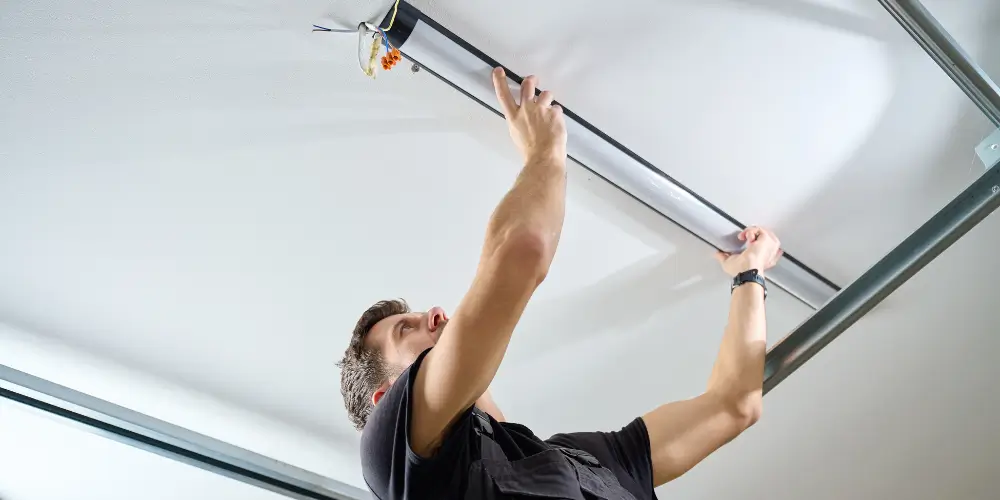
Recommended Inspection Intervals for Residential Electrical Installations
Homeowners should adhere to the recommended inspection intervals for residential electrical installations to ensure ongoing safety and compliance, in line with domestic EICR frequency guidance.
Typically, the Electrical Installation Condition Report (EICR) is recommended every five years for owner-occupied homes. For rented properties, a three-year cycle is advised to ensure tenant safety. Additionally, if a property undergoes significant alterations or shows signs of electrical issues, an inspection should be conducted promptly, regardless of the standard timeframe.
Regular inspections help identify latent risks, such as faulty wiring or outdated systems. By adhering to these intervals, homeowners not only protect their property but also enhance the safety of their occupants. Understanding these guidelines encourages a response to electrical maintenance, which is essential for preventing accidents and ensuring compliance with safety regulations.
How UK Regulations Shape Domestic Electrical Inspection Timelines
Regulatory frameworks play an essential role in determining the frequency of domestic electrical inspections in the UK. These regulations ensure safety and compliance in residential properties, guiding homeowners and landlords on when inspections should be conducted.
The following factors contribute to the establishment of these timelines:
- The IET Wiring Regulations: This document outlines best practices for electrical installations and influences inspection intervals.
- Local Authority Requirements: Different regions may have specific regulations that affect inspection frequency.
- Type of Property: The nature of the dwelling, whether it is older or newly built, can dictate how often inspections are needed.
- Occupancy Changes: New tenants or significant renovations may require an inspection.
Differences in Inspection Cycles Between Owner-Occupied and Rented Homes
Inspection cycles for electrical installations differ markedly between owner-occupied and rented homes, reflecting the varying responsibilities and risks associated with each tenancy type.
In owner-occupied properties, homeowners typically follow the recommended inspection schedule of every five years or upon significant renovations, in line with domestic EICR frequency guidance. This frequency allows them to ensure safety and maintain the property’s electrical integrity, as they are responsible for their own living environment.
Conversely, rented homes are subject to different regulations under the Electrical Safety Standards in the Private Rented Sector (England) Regulations 2020.
Landlords must arrange for an Electrical Installation Condition Report (EICR) every 5 years and provide a copy to tenants. This requirement underscores the landlord’s obligation to guarantee tenant safety and compliance with legal standards.
Consequently, inspection cycles help delineate the responsibilities of owners and landlords, ultimately safeguarding the electrical safety of all residential occupants.
Property-Specific Factors That Influence Electrical Inspection Frequency
While various factors can dictate the frequency of electrical inspections, a property’s specific characteristics play an essential role in determining the appropriate schedule. Understanding these factors is necessary for guaranteeing safety and compliance.
- Age of the Property: Older homes may have outdated wiring, which may require more frequent inspections.
- Type of Electrical System: Properties with complex or specialised electrical systems require closer monitoring to guarantee safety and functionality.
- Usage Patterns: Homes with high electrical usage, such as those with multiple appliances or heavy machinery, should have inspections more often.
- Environmental Conditions: Properties exposed to moisture, extreme temperatures, or corrosive environments can experience accelerated wear on electrical components, increasing the need for regular checks.
Electrical Ageing Risks That Increase the Need for More Frequent Checks
As electrical systems age, they become increasingly susceptible to various risks, requiring more frequent inspections and directly influencing domestic EICR frequency considerations. Over time, components such as wiring, circuit breakers, and outlets can deteriorate due to factors like thermal cycling, moisture exposure, and mechanical stress. This wear and tear can lead to electrical faults, including short circuits and overloads, which pose a serious safety risk.
In addition, older installations may not meet current safety standards, making them more vulnerable to failures. Corrosion in connections and insulation breakdown are common in ageing systems, which can also compromise electrical integrity.
Regular inspections help identify these issues early, allowing for timely repairs that mitigate risk. Moreover, the increased use of electrical devices in modern homes can strain older systems, underscoring the need for frequent assessments.
Insurance and Compliance Risks Linked to Infrequent EICR Assessments
Neglecting regular EICR assessments can expose homeowners to significant insurance and compliance risks.
These assessments are essential for maintaining electrical safety within residential properties. When homeowners fail to keep up with required inspections, they may face the following consequences:
- Invalidated Insurance Claims: Insurers may refuse to cover damages or liabilities arising from electrical issues if the homeowner cannot provide a valid EICR.
- Legal Penalties: Non-compliance with electrical safety regulations can lead to fines or legal action against homeowners.
- Increased Liability: Homeowners may be held responsible for accidents or injuries caused by faulty electrical systems if they lack up-to-date EICR documentation.
- Decreased Property Value: Properties with outdated EICRs may deter latent buyers, affecting marketability and overall value.
Understanding and addressing these risks through regular EICR assessments is essential to safeguard property and finances.
Consequences of Allowing Electrical Safety Certificates to Expire
The expiration of electrical safety certificates can have dire consequences for homeowners, affecting both safety and financial stability, especially when domestic EICR frequency is not maintained. Without a valid certificate, properties may harbour hidden electrical danger that poses serious risks, including electrical fires and shocks. Such unsafe conditions can result in injuries or even fatalities, creating a significant liability for homeowners.
Moreover, expired certificates can complicate insurance claims. In the event of an electrical-related incident, insurers may deny coverage, leaving homeowners responsible for costly repairs and medical expenses. Additionally, local authorities may impose fines or require costly remedial work if safety violations are discovered during inspections.
Homeowners may also face difficulties when trying to sell their property, as latent buyers often seek assurance of safety through up-to-date certificates. To summarise, neglecting to renew electrical safety certificates can have far-reaching consequences, jeopardising both residents’ well-being and property owners’ financial integrity.

Early Warning Indicators That Trigger an Unscheduled EICR
Expired electrical safety certificates can signal deeper issues within a property’s electrical system, prompting the need for an unscheduled Electrical Installation Condition Report (EICR). Recognising early warning indicators is essential for maintaining safety. Property owners should be vigilant for the following signs:
- Frequent Circuit Breaker Trips: Regularly tripping circuit breakers can indicate an overloaded key or faulty wiring.
- Flickering Lights: Inconsistent lighting can suggest loose connections or voltage fluctuations.
- Burning Smells: Any unusual odours, especially burning, may indicate overheated wires or damaged insulation.
- Charred Outlets: Discolouration or burn marks around outlets can indicate electrical arcing or short circuits.
Addressing these indicators promptly can prevent further complications and guarantee the safety of residents, emphasising the importance of timely EICR assessments.
Long-Term Safety Benefits of Maintaining Correct Domestic EICR Frequency
While some property owners may underestimate the importance of regular Electrical Installation Condition Reports (EICRs), maintaining the correct frequency of these assessments is key to long-term safety.
Regular EICRs help identify possible electrical risk before it escalates into serious issues, providing homeowners with peace of mind when domestic EICR frequency is maintained. By adhering to recommended schedules, property owners can guarantee that their electrical systems are up to code, reducing the risk of electrical fires, shocks, or equipment failures.
Moreover, consistent inspections encourage an energetic maintenance method, enabling timely repairs and upgrades that increase energy efficiency. This not only contributes to a safer living environment but can also lead to long-term cost savings by preventing major electrical issues.
Ultimately, committing to the right EICR frequency is an investment in the safety and longevity of residential properties, assuring that electrical systems remain reliable and secure for all occupants.
Frequently Asked Questions
What Qualifications Should an Electrician Have to Conduct an EICR?
An electrician conducting an EICR should possess relevant qualifications, such as the City & Guilds 2391 or equivalent, along with experience in electrical installations and knowledge of current regulations to guarantee thorough and accurate inspections.
Can I Perform My Own EICR Inspections?
Performing one’s own EICR inspections is generally discouraged unless the individual possesses relevant qualifications and expertise. Professional electricians ensure compliance with regulations and safety standards, and provide accurate assessments, thereby safeguarding residential electrical systems more effectively than untrained individuals.
How Long Does an EICR Inspection Typically Take?
An EICR inspection typically takes between one and four hours, depending on the property’s size and complexity. Factors such as the number of circuits and accessibility can influence the total duration of the inspection.
What Happens if My Property Fails the EICR?
If a property fails the EICR, the owner receives a report detailing issues that require rectification. They must address identified risks promptly, ensuring electrical safety compliance before reinspection to maintain safety standards and avoid latent risks.
Are EICR Certificates Transferable Between Owners?
EICR certificates are not transferable between owners; they are specific to the property and its electrical installations. Each new owner must obtain their own EICR to ensure compliance with safety standards.
Conclusion
To sum up, adhering to the recommended domestic EICR frequency for Domestic Electrical Installation Condition Reports (EICR) is essential to ensure residential safety and regulatory compliance. By scheduling inspections every three to five years, homeowners and landlords can effectively identify latent risks and mitigate risks associated with faulty wiring and overloaded circuits. Prioritising regular EICR assessments not only increases occupant safety but also protects property value, ultimately encouraging a secure living environment for all residents.