In 2026, a UK Energy Performance Certificate (EPC) typically costs £60 to £120, with smaller flats often cheaper and larger detached homes higher. An EPC is legally required when a property is marketed for sale or rent and should be available to buyers or tenants early. Prices vary by location, assessor travel, and urgency, and extras like fast bookings or re-inspections can add fees. The assessment covers insulation, glazing, and heating. More details follow below.
Key Takeaways
- Typical EPC prices in 2026 are £60–£120, with small flats cheaper and large detached homes usually costing more.
- Extra charges may apply for urgent bookings, long-distance travel, second visits, or changes after submission.
- Request an all-in written quote and check rescheduling, document requirements, and any hidden admin fees before booking.
- An EPC is legally required when marketing most properties for sale or rent, and must be available to buyers or tenants early.
- The visit typically takes 30–60 minutes, and the certificate is usually lodged within 24–48 hours after inspection.
How Much Does an EPC Cost in 2026?
In 2026, the cost of an Energy Performance Certificate (EPC) typically depends on the property’s size, type, and location, with prices commonly falling between £60 and £120 for most homes. Smaller flats at the edge of an assessor’s route can sit at the low end, while larger detached properties, rural addresses, or complex layouts often push fees higher.
Pricing is usually fixed per visit, but add-ons matter. Some providers charge extra for expedited appointments, evening slots, or travel beyond their core area. Discounts appear when bundling with other surveys or when landlords order multiple certificates for a portfolio. Online quotes can be useful, yet the cheapest option may include limited availability or strict rescheduling terms.
For maximum choice and minimal hassle, it helps to compare local accredited assessors, confirm what is included, and pick a time that suits the owner’s schedule.
When Do You Legally Need an EPC?
Although the precise rules vary slightly by jurisdiction, an EPC is generally a legal requirement when a property is marketed for sale or rent, and it must be available to prospective buyers or tenants at the earliest stage typically when the advert goes live, or viewings begin.
Owners and agents are expected to include the rating in listings and provide the full certificate on request, supporting informed, independent decisions.
In practice, an EPC is typically needed in these situations:
- Selling a home, flat, or commercial unit, before contracts progress.
- Letting a property, including renewals or new tenancies, where rules apply.
- Constructing a new building, where an EPC is issued on completion.
- Making major modifications that trigger a new assessment under local regulations.
There are limited exemptions (for example, certain protected buildings or temporary structures), but relying on them without evidence can invite penalties.
Securing an EPC early keeps the transaction smooth and preserves the freedom to market without delays.
EPC Cost by Property Size and Type
Once it is clear that an EPC is required, the next practical question is cost, which varies mainly by property size, type, and complexity. Smaller flats and compact terraced homes tend to sit at the lower end because they take less time to measure, inspect, and model. Larger detached houses, extended properties, and homes with multiple heating zones usually cost more, reflecting longer site visits and more detailed data entry.
Property type also shapes price: standard construction is quicker to assess than unusual layouts, listed features, or mixed-use buildings. Apartments in purpose-built blocks are often simpler than converted flats, where insulation, walls, and services differ between units. HMOs and properties with annexes can add scope because assessors must capture separate meters, additional rooms, or distinct occupancy patterns.
For households that value choice, the best approach is to match the level of property complexity with an assessor experienced in that category, avoiding surprises and keeping the process efficient.
What Affects EPC Cost in Your Area?
Local EPC pricing is shaped as much by geography as by the building itself, because assessors’ travel time, regional demand, and overheads vary widely. In cities, competition can push fees down, yet parking, congestion, and tighter schedules may raise them.
In rural areas, fewer local assessors and longer journeys commonly increase quotes, especially when appointments are scarce. Costs also shift with local wage levels and how quickly certificates are needed, giving owners more or less room to shop around.
- Assessor availability: fewer providers locally means less choice and higher rates.
- Travel and access time: distance, ferries, tolls, and hard-to-reach sites add charges.
- Local market pressure: busy letting/sales seasons can lift prices; slow periods can soften them.
- Turnaround expectations: Same-day or weekend slots typically cost more than flexible booking.
Freedom comes from comparing quotes, booking early, and choosing flexible times.
What Does an EPC Assessment Cover?
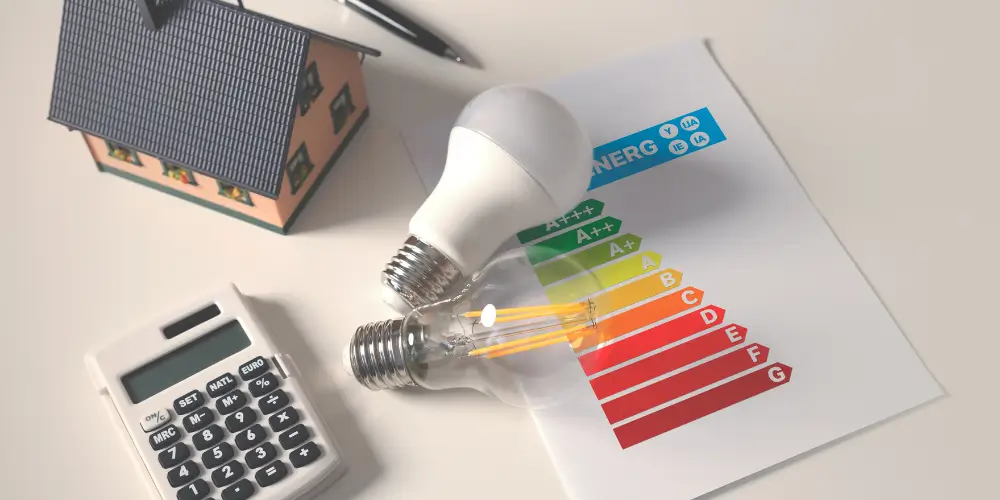
Pricing varies by area, but the fee only makes sense when it is clear what the assessor is actually measuring. An EPC assessment records a home’s fixed features that drive energy use, not lifestyle choices. The assessor notes construction type, insulation levels, glazing, airtightness indicators, heating and hot-water systems, controls, ventilation, and low‑carbon tech (for example, solar PV). Room-by-room measurements, orientation, and fuel types are captured to model typical consumption and produce the A–G rating plus recommended upgrades.
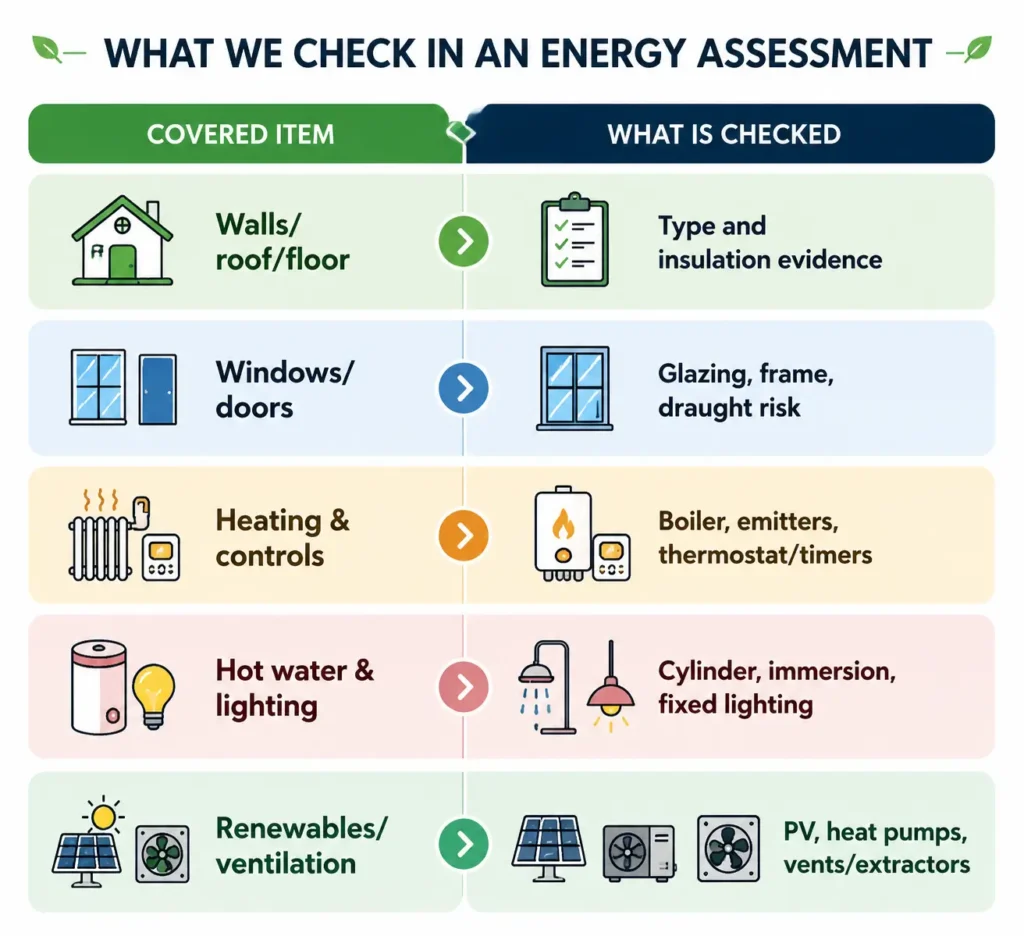
The report also estimates running costs and carbon impact, giving occupants autonomy to choose whether to act on suggested measures without obligation or intrusion.
How to Book an EPC Without Overpaying
Several simple checks can prevent an EPC booking from costing more than it should: compare quotes from accredited domestic energy assessors, confirm what the fee includes (assessment, lodgement, and certificate delivery), and make certain the property details are accurate before the visit to avoid repeat charges.
Price gaps often come from admin add-ons, “express” promises, or travel surcharges, so the booking should stay on the customer’s terms.
- Verify accreditation on the official register, not just a logo on a website.
- Ask for an all-in written quote, including VAT and any mileage or parking fees.
- Choose direct booking with the assessor where possible, avoiding commission-heavy middlemen.
- Prepare access to meter readings, loft hatch, boiler, and key rooms so nothing triggers a rebooking fee.
A consumer who keeps documentation, challenges vague extras, and insists on transparent pricing preserves choice, avoids lock-in, and pays only for the certificate required.
How Long Does an EPC Take?
Once an EPC is booked at a fair, transparent price, the next practical question is how long the process will take from start to finish. In most homes, the assessor’s visit typically lasts 30 to 60 minutes, depending on size, layout, and how easy key features are to access. Larger or more complex properties can take longer, especially where lofts, meters, or heating controls are hard to reach.
After the inspection, the certificate is usually lodged and available within 24 to 48 hours, though many assessors deliver it the same day. The overall timeline is largely within the owner’s control: quick access, clear paths to the boiler and meter, and basic documents such as boiler service details can keep things moving.
With a straightforward booking and readiness on the day, an EPC can often be completed from appointment to certificate within two days.
EPC Hidden Fees and Add-Ons
EPC quotes can sometimes look cheaper than they are if hidden fees and add-ons are introduced later in the process. A clear, upfront breakdown helps people stay in control, compare providers fairly, and avoid paying for extras they never wanted.
Common add-ons include “express” slots, admin charges, and surcharges for larger or unusual properties.
- Travel or mileage fees: Often added outside the provider’s standard area, or for remote postcodes.
- “Complex property” uplifts: Extra costs for extensions, conversions, mixed-use, or limited access.
- Fast-track booking: Same-day or next-day visits can carry a premium.
- Amendments and re-visits: Changes after submission, missing documents, or a second inspection may be billed separately.
Freedom-minded clients can request an all-in price in writing, clarify what triggers extras, and decline non-essential upgrades.
What Happens If You Rent or Sell Without an EPC?
Skip an Energy Performance Certificate when marketing a property, and the transaction can quickly run into legal and practical roadblocks. In the UK, most homes must have a valid EPC available at the point of marketing and be shown to prospective buyers or tenants. Without one, enforcement action can follow, with civil penalties that may rise by property type and breach.
Agents may refuse to list, platforms can remove adverts, and solicitors may flag the omission late, stalling exchange or tenancy start dates. Beyond fines, skipping an EPC reduces negotiating power. Buyers and renters who value autonomy and certainty of running costs may walk away or demand a discount.
Landlords also risk missing Minimum Energy Efficiency Standards, which can restrict letting certain properties until improvements are made or exemptions registered. The simplest route to a smooth, self-directed sale or let is to order an EPC early and keep it in date.
Frequently Asked Questions
Can I Challenge or Appeal an EPC Rating if I Think It’s Wrong?
Yes, an EPC rating can be challenged. They should first request corrections from the assessor and provide evidence. If unresolved, they may complain to the assessor’s accreditation body. A new assessment can restore control over accuracy.
How Do I Find and Verify an Assessor’s Accreditation and Insurance?
They can search the assessor on an official EPC register, confirm membership and licence number with the accrediting scheme, and request proof of professional indemnity insurance. They should verify details directly with the scheme.
Can I Reuse an Existing EPC After Renovations or Changes to the Property?
An existing EPC may be reused if still valid, and the property’s energy features haven’t materially changed. After renovations affecting insulation, heating, windows, or layout, commissioning a fresh EPC preserves choice, clarity, and compliance.
Does an EPC Affect Mortgage Approval, Refinancing, or Property Insurance Costs?
An EPC can influence mortgage approval, refinancing, and insurance costs, though it rarely decides alone. Lenders may price risk or offer green deals; insurers may reflect efficiency. Owners retain choice by improving ratings.
Are EPC Ratings Linked to Grants, Subsidies, or Minimum Energy Standards Compliance?
Yes. EPC ratings often determine eligibility for efficiency grants or subsidies and signal compliance with minimum energy standards. Lower ratings can restrict letting or trigger upgrade duties, while higher ratings can activate incentives. Rules vary locally.
Conclusion
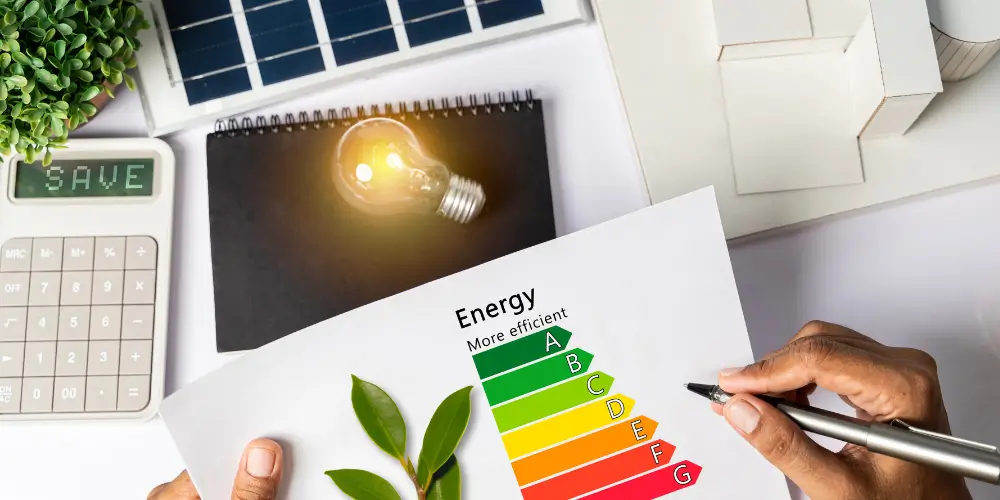
EPC costs in 2026 vary by property type, size, and local assessor availability, but homeowners and landlords should expect a clear, upfront quote. An EPC is legally required before marketing most homes for sale or rent, and the assessment typically reviews insulation, heating, windows, and energy use. Booking early, comparing accredited assessors, and avoiding unnecessary add-ons help prevent overpaying. Skipping an EPC can delay transactions and lead to enforcement action or fines.