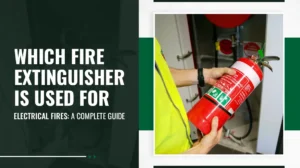
For electrical fires, the safest choice is a non‑conductive extinguisher, typically a CO₂ unit marked with a black label and an electrical symbol. Certain dry powder and clean‑agent (e.g., FM‑200, halocarbon) extinguishers are also rated for energised equipment. Water, foam, and standard wet chemical models must be avoided because they conduct electricity. Correct selection, identification, and maintenance are critical, and practical steps, legal duties, and usage techniques are explained in more detail next.
Key Takeaways
- Use CO₂ fire extinguishers for electrical fires; they are non-conductive, leave no residue, and are ideal for live panels, servers, and appliances.
- Clean-agent extinguishers (e.g., FM-200, halocarbon) are safe for energised electrical equipment and protect sensitive electronics without damage.
- Never use water, foam, or standard wet chemical extinguishers on electrical fires because they conduct electricity and can cause electric shock.
- Identify suitable units by labels or pictograms indicating electrical use, colour codes like black (CO₂) or blue (dry powder), and an “E” or electrical rating.
- Choose properly sized, regularly maintained extinguishers placed near electrical hazards, and ensure users are trained in their safe operation.
Table of Contents
Which Extinguisher Should You Use on an Electrical Fire?
When an electrical fire breaks out, the safest choice is usually a CO₂ (carbon dioxide) fire extinguisher, as it displaces oxygen and cools the flames without leaving conductive residue. This lets a person cut the fire’s power without risking current passing through wet or powder‑coated surfaces, preserving both life and equipment.
CO₂ extinguishers are clearly marked with a black label. They suit energised electrical panels, servers, tools, and appliances where shutting down power instantly is not always possible. Because the gas dissipates quickly, it leaves no trace, allowing for fast recovery and minimal interference with work or mobility. Where CO₂ is unavailable, a clean‑agent extinguisher (such as FM-200 or similar halocarbon units) is another non‑conductive, residue‑free option.
These agents protect electronics while respecting the user’s need to keep spaces operational. Water, foam, and standard wet chemicals must be avoided on live electrical systems, as they conduct electricity and restrict safe action.
Electrical Fire Basics and Why Type Matters
Selecting the right extinguisher only makes sense once the fire itself is correctly understood, and electrical fires behave differently from other types. They begin when current escapes its intended path through damaged insulation, overloaded circuits, loose connections, or faulty devices heating nearby materials until they ignite. The live electricity keeps feeding the hazard, turning a small fault into a fast‑moving threat.
Unlike ordinary combustibles, an electrical fire cannot be safely tackled with anything that conducts current or leaves heavy residue that may bridge live parts. Water and many foam agents can turn a person holding the extinguisher into a path to ground, stripping away their safety and control.
Type consequently matters because only non‑conductive agents break the triangle of fuel, heat, and electrical energy without introducing new risk. Choosing correctly protects life and property while maintaining the individual’s freedom to act without being trapped by hidden electrical dangers.
How to Spot the Right Extinguisher for Electrical Fires (Colour Codes and Labels)
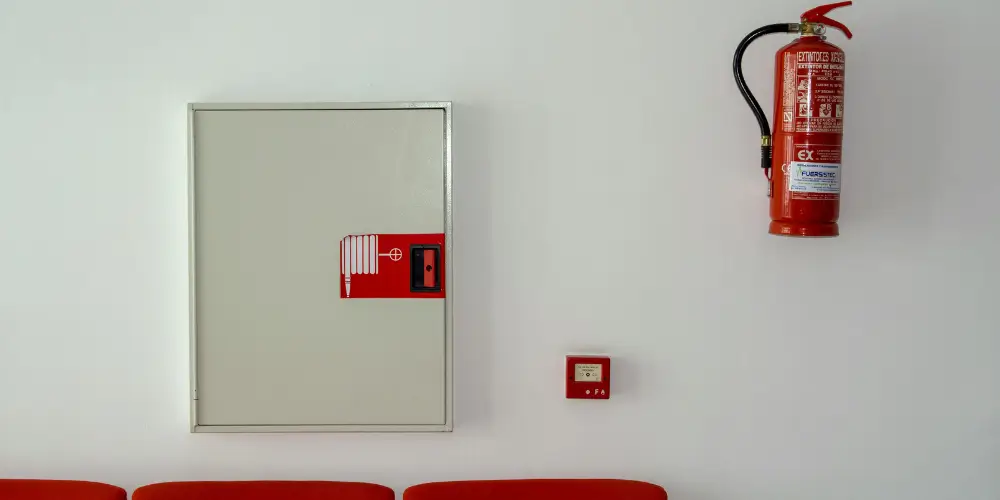
How can someone quickly confirm that a fire extinguisher is safe for electrical use? The fastest check is the label. The front panel should clearly state “suitable for use on live electrical equipment” or display the electrical pictogram: a plug or lightning bolt symbol. If that wording or symbol is missing, it should not be used on energised gear.
Colour codes help further. In many regions, CO₂ extinguishers carry a black band on a red cylinder, while dry powder uses a blue band. Both are typically rated for electrical fires, provided the label confirms it.
The classification system offers another safeguard. An extinguisher marked with an “E” (in systems that use it) or explicitly listing “electrical” in the rating has been tested for that hazard. Someone seeking maximum autonomy in an emergency relies on these cues: colour band, electrical symbol, and clear wording checked before a crisis, not during it.
How CO2 Extinguishers Work on Electrical Fires
Among the safest tools for tackling energised equipment, CO₂ extinguishers work by smothering the fire without leaving conductive or corrosive residue. The extinguishing agent is pure carbon dioxide, stored under high pressure as a liquid. When released, it expands rapidly into gas, displacing oxygen around the flames and cooling hot components. With oxygen levels reduced, combustion simply cannot continue, and the user avoids the clean‑up burden of powders or foams.
CO₂ is non‑conductive, so operators can act on live servers, control panels, and switchgear without creating a new electrical path. This supports fast, decisive intervention while preserving sensitive hardware and data.
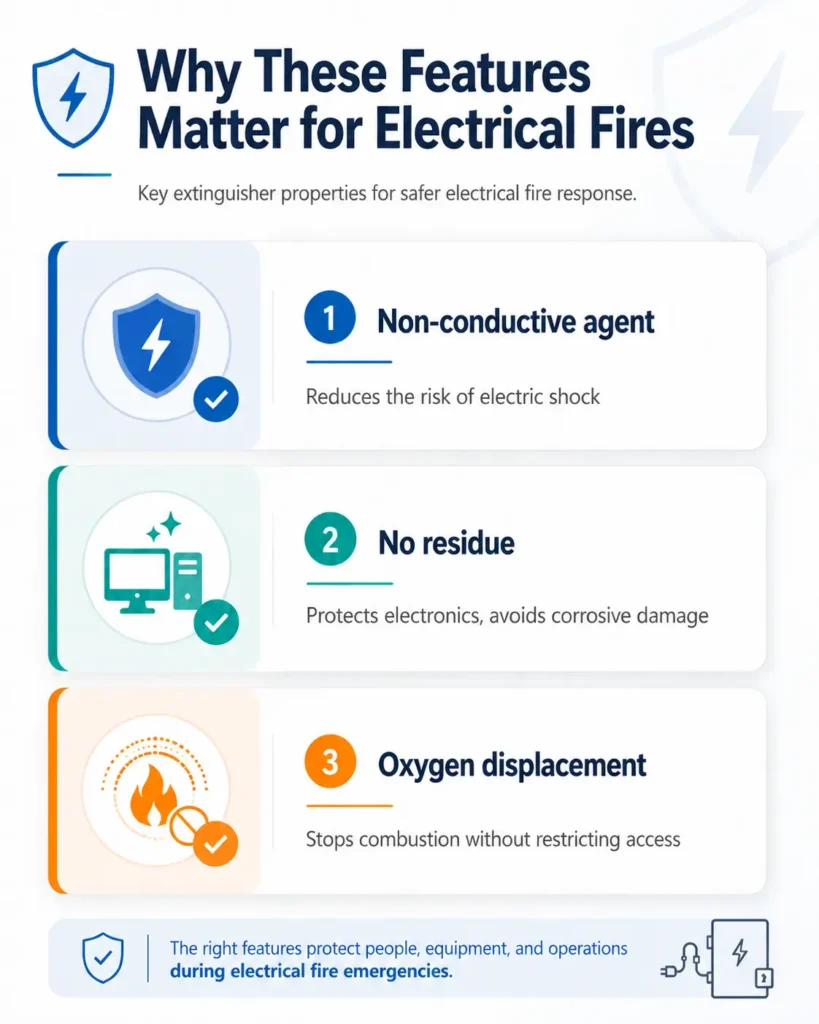
This mechanism offers control without sacrificing operational freedom.
When Powder Extinguishers Are Safe for Electrical Fires
While CO₂ is often preferred around live circuits, there are specific situations where powder extinguishers can also be used safely on electrical fires. Dry powder units rated for Class C or marked with a clear electrical approval can interrupt the flame’s chemical reaction without conducting electricity, allowing a person to act quickly without waiting for specialist gear. Powder is especially useful outdoors or in large, open industrial spaces where visibility loss and residue are less restrictive than in compact rooms.
It can also support mobility: vehicles, mobile workshops, and remote sites often rely on multi‑purpose ABC powder units because they cover solids, flammable liquids, and gas‑fed electrical equipment in one device. To use them safely, power should be isolated whenever possible, and the discharge directed from a controlled distance, sweeping across the base of the flames. Afterwards, equipment must be inspected, cleaned, and tested before being re-energised.
Extinguishers You Must Never Use on Electrical Fires
Even though many modern extinguishers are labelled as “multi‑purpose,” certain types remain fundamentally unsafe on live electrical equipment and must be avoided entirely. Water extinguishers are the clearest example: water conducts electricity, creating a direct path through the user’s body to earth. Using them on energised circuits risks severe shock, burns, or fatal electrocution, even if the fire seems small.
Foam extinguishers, unless explicitly certified for live electrical use, carry similar hazards. Their aqueous solution can conduct current, turning an attempt to gain control into a trap. In both cases, the apparent simplicity of “just putting it out” masks a serious compromise of personal safety and autonomy.
Standard wet chemical extinguishers, designed mainly for cooking‑oil fires, are also improper for electrical risks. Their conductive agent can energise surrounding surfaces, undermining any sense of secure escape and escalating a manageable incident into a life‑threatening event.
How to Tackle an Electrical Fire Step-By-Step
Knowing which extinguishers to avoid is only one part of staying safe around energized equipment; the next is understanding exactly how to act when an electrical fire breaks out. When live electricity and flames meet, the goal is to cut power, create distance, and act with intention not panic. A clear sequence protects both life and autonomy.
First, the individual notices smoke or sparking and immediately shouts a warning, then moves people away from the source. Next, if it is safe and accessible, they shut off power at a switch or breaker panel, never touching damaged equipment directly. Only then do they decide whether the fire is small enough to confront.
Key steps include:
- Assess the fire’s size and escape routes
- Kill the power supply if it’s safe to do so
- Call emergency services without delay
- Use a suitable electrical fire extinguisher from a safe distance
- Evacuate immediately if control is uncertain
How to Choose the Right Electrical Fire Extinguisher for Your Home or Business
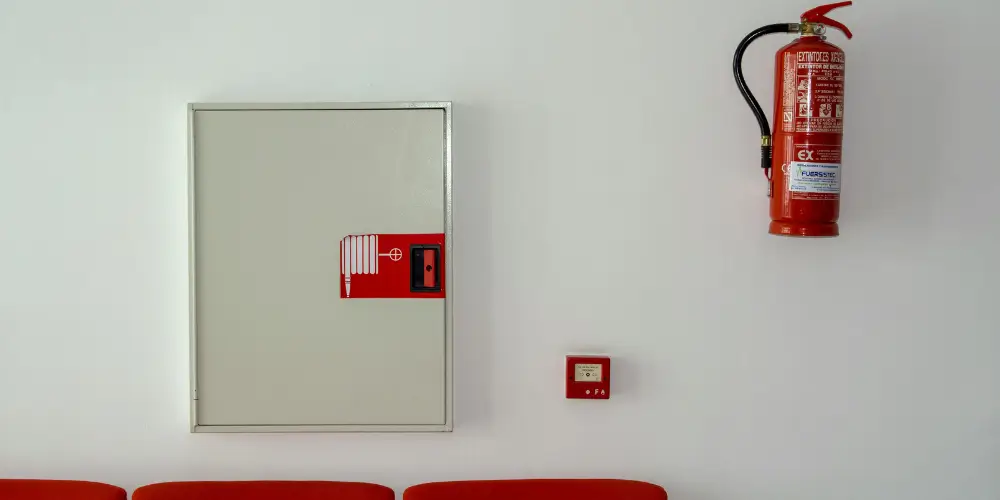
Because electrical fires demand a specific response, choosing the right extinguisher for a home or business depends on more than just picking any unit off the shelf. The starting point is rating: the extinguisher must be clearly marked for Class C (U.S.) or “electrical” use, often combined as ABC dry chemical or CO₂. Without that marking, it should be dismissed.
Next, the user considers the environment and freedom of movement. For homes and small offices, a 5–10 lb (2–4 kg) unit usually balances portability with power. In workshops or server rooms, multiple larger units placed along exits preserve escape options.
CO₂ models suit sensitive electronics because they leave no residue; ABC dry chemical offers broader, all‑round protection where mess is acceptable. Finally, one checks that everyone can lift and operate the chosen model, and that it can be mounted in visible, easily reachable locations near likely electrical hazards.
Maintenance, Inspections, and Legal Duties for Electrical Fire Extinguishers
Selecting the correct electrical fire extinguisher is only the first step; keeping it ready for use requires ongoing maintenance, regular inspections, and attention to legal obligations. Extinguishers grant people the power to act independently in an emergency, but that freedom depends on reliability. Most safety codes require monthly visual checks and annual professional servicing. Pressure gauges, tamper seals, hoses, and pins must remain intact and unobstructed.
Businesses usually must maintain written inspection records, guarantee staff training, and replace or recharge units after any discharge, however small. Landlords and employers often carry a legal duty of care, with penalties for neglect.
Key practices include:
- Verify the extinguisher is correctly rated for energised equipment.
- Keep access clear and signage visible at all times.
- Record each inspection, service, and recharge date.
- Arrange professional servicing at legally required intervals.
- Replace out‑of‑date, damaged, or corroded extinguishers immediately.
Frequently Asked Questions
Are Electrical Fire Extinguishers Safe to Use Around Sensitive Electronic Equipment?
Yes, but only certain types. Clean agent and CO₂ extinguishers protect freedom of movement for sensitive electronics, leaving no residue. Traditional ABC dry-chemical units can damage circuits, demanding cautious selection to preserve both safety and equipment longevity.
What Training Is Required Before Employees Can Use Electrical Fire Extinguishers?
Employees typically need brief, practical instruction in PASS technique, extinguisher types, limits, and risks, plus hands‑on drills. Employers must provide site‑specific emergency procedures, evacuation routes, and clear guidance that using an extinguisher is voluntary, not compulsory.
How Should Electrical Fire Extinguishers Be Stored in Vehicles or Mobile Units?
Electrical fire extinguishers should be firmly bracket‑mounted, easily reachable from exits, protected from heat and impact, inspected regularly, labelled clearly, and secured against movement so mobile users stay safe yet unrestrained in emergencies.
Can I Recharge or Recycle Old Electrical Fire Extinguishers at Home?
No. Old electrical fire extinguishers must be serviced, recharged, or recycled by certified technicians. Tampering at home risks explosion, toxic exposure, and legal issues. Responsible disposal through local fire services preserves both personal freedom and community safety.
Do Electrical Fire Extinguishers Work Differently in Outdoor or Wet Environments?
Electrical fire extinguishers perform similarly, but outdoor or wet conditions demand extra caution: agents remain non‑conductive, yet footing, wind, and water spray can redirect discharge. Users must maintain distance, secure grounding, and retreat if conditions feel unstable.
Conclusion
Choosing the correct extinguisher for electrical fires is critical to safety. CO₂ and, in some cases, dry powder units are appropriate, while water- and foam-based extinguishers must be avoided to prevent shock and further damage. Recognising colour codes, following a clear step-by-step response, and complying with maintenance and legal obligations all reduce risk. With the right equipment and awareness, homes and businesses can respond quickly and safely when electrical fires occur.