In 2026, how much is a new boiler in the UK typically costs £1,800 to £4,500 to install, depending on the boiler type, output size, brand, and the complexity of the job. A straightforward combi-to-combi replacement typically costs around £1,800 to £2,800, while system or regular boiler installations are typically £2,500 to £4,500. A proper quote should include the unit, labour, parts, safe commissioning, old boiler disposal, and compliance certification, plus possible extras such as power flushing or control upgrades. The sections below explain what drives these prices.
Key Takeaways
- New boilers in the UK typically cost £1,800–£4,500 installed in 2026, depending on type, size, and installation complexity.
- A like-for-like combi replacement is usually the cheapest at £1,800–£2,800, especially when there is good access and minimal pipework changes.
- System or regular boiler installations generally cost £2,500–£4,500, often due to the cylinders, additional components, and additional labour.
- Boiler quotes should include the unit, labour, flue parts, removal of the old boiler, commissioning checks, and Gas Safe/Building Regulations certification.
- Extras such as power flushing, magnetic filters, control upgrades, or flue/condensate changes can significantly increase the final price.
Table of Contents
How Much Does a New Boiler Cost in 2026?
In 2026, the cost of a new boiler in the UK typically ranges from £1,800 to £4,500 installed, with budget combi replacements at the lower end and higher-capacity or system setups, especially those requiring additional pipework, controls, or a cylinder, pushing totals upward.
Prices vary most by boiler type, output size (kW), brand tier, and the complexity of swapping like-for-like versus changing layout. A straightforward combi-to-combi change in an accessible location usually costs around £1,800–£2,800.
System or regular boilers commonly cost between £2,50 and £4,500, particularly for larger homes with multiple bathrooms and higher hot-water demand. Premium models, smart-compatible controls, and higher efficiency ratings can add cost but may reduce gas use over time. Regional labour rates also matter, with London and the South East often priced higher. Timing flexibility can help secure better availability and rates.
What’s Included in a New Boiler Cost Quote?
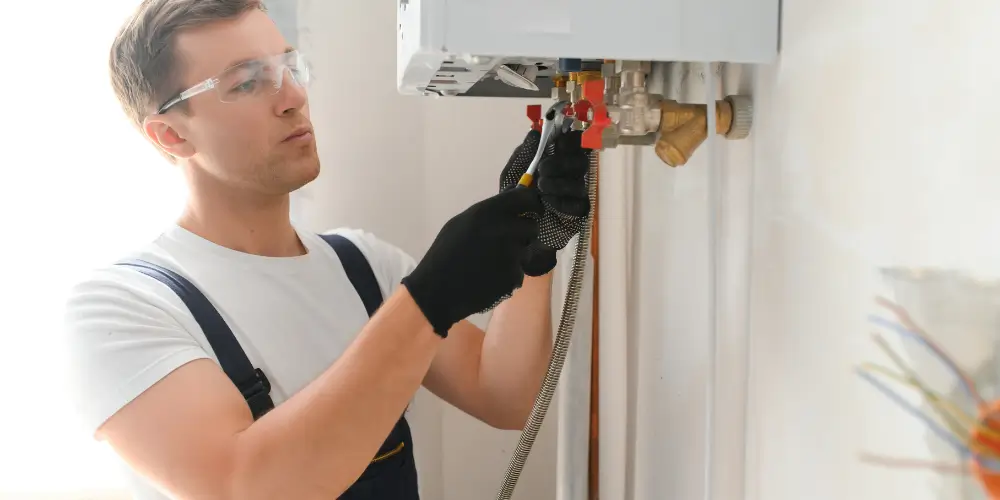
Although headline prices often focus on the boiler unit, a proper new boiler quote should itemise the full scope of works, covering the appliance, labour, parts, and safety measures needed to commission it legally and correctly. The quote typically includes the boiler itself, standard flue components, and a benchmark set of fittings required for safe connection to existing pipework. It should clearly state the removal and lawful disposal of the old appliance, the basic materials, and the installer’s time for mounting, plumbing, and wiring, in accordance with current regulations.
A compliant quote also covers commissioning: gas-tightness checks, combustion analysis, setting the appliance up to manufacturer specs, and documenting results. Homeowners should expect certification and notifications where required, such as Gas Safe paperwork and Building Regulations compliance records. Many quotes include a manufacturer warranty registration, plus a clear statement of what is and isn’t included, allowing households to compare offers without hidden constraints.
What Extras Raise the Cost (Powerflush, Controls, Upgrades)?
Several common add-ons can lift a new boiler quote beyond the headline figure, particularly where system health, efficiency, or compliance upgrades are required. A powerflush is often recommended when radiators are slow to heat or when sludge is suspected; it adds labour, chemicals, and disposal costs, but can prevent early breakdowns and protect warranties.
Magnetic system filters and inhibitor top-ups are smaller extras that reduce future call-outs and keep performance stable. Controls are another frequent uplift. Upgrading to programmable room thermostats, smart controls, TRVs, weather compensation, or load compensation can improve comfort and cut gas use, yet requires wiring, commissioning, and sometimes a new wiring centre.
Compliance-driven work also matters: condensate pipe rerouting, flue extensions, plume management, improved ventilation, or upgrading gas pipe sizing to meet current standards can all add materials and time. Homeowners who want the freedom to plan later should ask for itemised “optional” lines.
Combi vs System vs Regular: Which Costs More?
How much a boiler replacement costs often depends less on the brand and more on the type of boiler being fitted: combi, system, or regular (heat-only). As a rule, combi boilers can look pricier at the unit level but may avoid the need for a stored hot water system, which can reduce overall kit outlay.
System boilers typically sit mid-range, working with a separate hot-water cylinder; they suit higher demand but add component cost. Regular (heat-only) boilers are often the lowest-priced boiler-only option, yet they usually require both a cylinder and tanks, so the total package can increase.
- Combi: higher appliance cost; fewer supporting parts.
- System: mid appliance cost; cylinder required.
- Regular: lower appliance cost; cylinders and tanks are involved.
- Best value: the type that meets demand without overbuying capacity.
Like-for-Like Swap vs Conversion: Installation Costs
When replacing a boiler, installation costs typically hinge on whether the job is a like-for-like swap or a conversion to a different boiler type and layout. A like-for-like swap keeps the same boiler type, location, fuel, and flue route, so labour is simpler, disruption is lower, and quotes are usually tighter. Expect fewer pipework alterations, minimal control changes, and faster commissioning, often completed within a day.
A conversion changes the system’s design. For example, moving from regular to combi, relocating the boiler, rerouting the flue, or switching fuel where permitted. When asking how much is a new boiler, costs rise because installers may need to reconfigure pipework, add or remove cylinders and tanks, upgrade gas pipe sizing, fit new thermostats or smart controls, and flush or treat the system.
Building Regulation compliance, condensate routing, and flue clearances can also add time. The trade-off is flexibility: conversions reveal different layouts and performance options.
New Boiler Cost by Home Size (Beds & Heat Demand)
One practical way to estimate a new boiler budget is to match output and installation complexity to home size, typically expressed by bedrooms and hot-water demand. In UK homes, more bathrooms and simultaneous showers usually drive the need for higher kW output, larger cylinders, or a system boiler rather than a small combi.
Bigger properties may also require stronger pumps, upgraded pipework, additional radiators, and longer flue runs, all of which affect labour time and materials.
- 1–2 beds (low demand): 24–30kW combi; typical installed cost £1,800–£3,200.
- 2–3 beds (moderate demand): 28–35kW combi or small system; £2,200–£3,800.
- 3–4 beds (higher demand): 32–40kW system boiler + cylinder often fits; £2,800–£5,200.
- 4+ beds (high demand): system or regular boiler with larger cylinder; £3,500–£6,500+.
How to Reduce Your New Boiler Cost (Without Cutting Corners)
Although a new boiler is a major household expense, the final bill can often be reduced through smart specification and planning rather than cheaper parts or rushed workmanship. Matching output to real heat demand avoids paying for oversized models, while choosing a like-for-like swap (same fuel type, similar location) limits labour and materials. Keeping existing radiators, pipework, and controls in compliance and in good condition can prevent “scope creep” that inflates costs.
Timing matters: booking outside peak winter demand can widen installer availability and reduce urgent-callout premiums. Using any available manufacturer cashback, 0% finance, or bundle discounts on controls can lower upfront strain without compromising performance.
Homeowners asking how much is a new boiler can also cut future running costs and justify a smaller boiler by improving insulation, draught proofing, and radiator balancing before installation. Finally, allowing clear access to the boiler area and agreeing on disposal arrangements early reduces wasted on-site time and hidden extras.
Boiler Quotes: What to Ask Before You Book
How can a homeowner compare boiler quotes that look similar on paper but differ sharply in total cost and long-term value? The key is to ask for specifics that protect choice, limit surprises, and keep control over the final bill. A quote should spell out what is included, what is optional, and what could trigger extras once work starts.
- Scope and parts: Which boiler model, controls, filters, magnetic separator, flushing, and condensate route are included?
- Labour and extras: Does the price cover removing the old unit, waste disposal, scaffolding, parking, and any pipework upgrades?
- Warranty and registration: What warranty length applies, who registers it, and are annual services required to keep it valid?
- Aftercare and timing: What is the install date, duration, payment schedule, and what happens if faults appear within 30 days?
With clear answers, the homeowner remains free to choose value, not be pressured by sales.
Frequently Asked Questions
How Long Does a New Boiler Installation Typically Take?
A new boiler installation typically takes one day, though complex swaps can run two to three days. Timelines vary based on property access, pipework changes, flue routing, and control upgrades, allowing homeowners to choose minimal disruption.
Do I Need Planning Permission or Building Control Approval for a Boiler Replacement?
Planning permission is usually not needed for a like-for-like boiler replacement, but Building Regulations approval and notification typically are. A Gas Safe engineer should self-certify; otherwise, Building Control must be informed to keep the homeowner compliant.
What Boiler Warranty Lengths Are Common, and What Can Void the Warranty?
Common boiler warranties run 2–10 years, sometimes 12. They’re voided by skipping annual servicing, unregistered installations, poor water quality, tampering, using the wrong parts, or using non-approved installers, so homeowners keep control by following the terms.
How Often Should a New Boiler Be Serviced to Stay Covered and Efficient?
A new boiler should be serviced annually by a qualified engineer to keep warranty cover and peak efficiency. Skipping scheduled servicing, using unapproved parts, or ignoring faults can risk coverage, reliability, and independent home comfort.
Can I Keep My Existing Radiators, or Should They Be Replaced Too?
Existing radiators can usually be kept if they heat evenly, aren’t leaking, and suit the new boiler’s output. Replacement is advised for corrosion, sludge, undersizing, or low efficiency. Flushing and balancing often preserve choice and performance.
Conclusion
In 2026, how much is a new boiler in the UK depends on the type of boiler, the complexity of the installation, and any recommended system upgrades. Quotes typically cover the appliance, labour, materials, commissioning, and certification, while extras such as power flushing, smart controls, and pipework changes can increase the total. Like-for-like swaps are usually cheaper than conversions. By comparing detailed quotes and asking the right questions, households can reduce costs without sacrificing safety or performance.