Who Is Responsible for Fire Door Certification? Fire door certification in the UK involves multiple stakeholders, each with distinct responsibilities, including clarity around who can certify fire doors. Manufacturers are primarily accountable for ensuring their products meet safety standards. However, property owners and managers also have significant roles in installation and maintenance. Understanding this shared responsibility is essential for compliance. As various laws and regulations govern fire safety, clarity on who can certify fire doors and who is responsible can impact both safety and legal standing. What complexities lie beneath these responsibilities?
Key Takeaways
- Manufacturers are responsible for ensuring fire doors meet specified standards and are correctly labelled for compliance.
- Property owners must maintain fire doors and ensure ongoing compliance with fire safety regulations.
- Third-party organisations validate fire door compliance through careful testing and accreditation processes.
- Local authorities and fire safety inspectors enforce regulations and conduct assessments to ensure fire doors are safe.
- Professionals with expertise in fire safety must verify proper installation and ongoing maintenance of fire doors.
Table of Contents
Legal Authority Behind Fire Door Certification in the UK
Fire door certification in the UK is governed by a framework of legal regulations and standards that guarantee safety in buildings, including clear guidance on who can certify fire doors. The primary legislation includes the Regulatory Reform (Fire Safety) Order 2005, which emphasises the need for adequate fire safety measures in non-domestic premises.
Additionally, the Building Regulations 2010 outline specific requirements for fire doors, ensuring they meet performance criteria for fire resistance and smoke control, and clarify who can certify fire doors for compliance purposes.
Organisations such as the British Standards Institution (BSI) provide essential standards, including BS 476 and BS EN 1634, which detail testing methods and classification for fire doors. Compliance with these standards is required for ensuring the reliability of fire doors.
Moreover, local authorities and fire safety inspectors play an integral role in enforcing these regulations, conducting assessments, and ensuring that fire doors are correctly installed and maintained. This legal framework aims to mitigate risks and protect lives in the event of a fire.
How Fire Door Certification Works and Who Is Considered Competent
Certification of fire doors involves a systematic process designed to guarantee that these essential safety features meet established standards for performance and reliability, including clarity on who can certify fire doors. This process includes rigorous testing, evaluation, and documentation to confirm the door’s ability to withstand fire and smoke, safeguarding occupants in buildings.
The following table outlines key elements involved in fire door certification and the competencies required:
| Element | Description |
| Testing Standards | Compliance with recognised fire safety standards such as BS 476 and EN 1634. |
| Manufacturer’s Role | Ensuring products are manufactured to specifications and properly labelled. |
| Third-Party Certification | Involvement of accredited organisations to validate compliance. |
| Installation | Proper installation according to guidelines is essential for performance. |
| Maintenance | Regular inspections and maintenance are required to maintain ongoing compliance. |
These components highlight the collaborative effort required to guarantee fire door effectiveness and safety.
Professional Skills and Training Required to Approve Fire Doors
Ensuring the approval of fire doors requires a specific set of professional skills and training to assess their compliance with safety standards, particularly when determining who can certify fire doors. Qualified professionals typically have backgrounds in fire safety engineering, building regulations, or construction. This expertise enables them to understand the technical specifications and regulations governing fire door performance.
Training often includes specialised courses focusing on fire door installation, maintenance, and inspection procedures. Familiarity with relevant British Standards, such as BS 476 and BS EN 1634, is essential to ensure that fire doors meet the required fire resistance ratings and to clarify who can certify fire doors.
Moreover, hands-on experience is essential, as it allows professionals to identify possible deficiencies in fire door installations. Continuous professional development, including workshops and seminars, helps maintain awareness of evolving regulations and best practices.
This combination of education, training, and experience equips professionals to effectively evaluate and approve fire doors, thereby enhancing overall building safety.
When a Fire Risk Assessment Includes Fire Door Sign-Off
When conducting a fire risk assessment, it is key to include a thorough sign-off for fire doors, including clarity on who can certify them, as these elements play a significant role in overall building safety.
Fire doors are designed to prevent the spread of flames and smoke, thereby protecting occupants and property. The sign-off process ensures that these analytical components comply with safety regulations and function as intended, and confirms who can certify fire doors for compliance.
Key aspects to take into account during fire door sign-off include:
- Integrity: Confirming the door meets fire-resistance ratings and is appropriately installed.
- Seal and Hardware: Verifying that seals and hardware are intact and that doors close securely.
- Clear Access: Ensuring that fire doors are not obstructed and are easily accessible in emergencies.
Incorporating these considerations into a fire risk assessment increases the building’s safety profile and minimises risks associated with fire danger.
Why Independent Accreditation Matters in Fire Door Approval
While many factors contribute to the safety and effectiveness of fire doors, independent accreditation is an essential element of the approval process, particularly in determining who can certify them. This accreditation guarantees that fire doors meet stringent safety standards set by recognised authorities. Independent bodies evaluate the materials, design, and manufacturing processes to verify compliance with relevant regulations and performance criteria.
The significance of independent accreditation lies in its ability to instil confidence among stakeholders, including building owners, insurers, and regulatory agencies. Such validation reduces the risk of substandard products entering the market, thereby enhancing overall fire safety and reinforcing who can certify fire doors.
Furthermore, accredited fire doors are more likely to perform effectively during an emergency, providing essential protection for occupants and property.
In an era where accountability is paramount, independent accreditation not only encourages trust but also guarantees that fire door systems are rigorously tested and deemed reliable, ultimately contributing to safer buildings and communities.
Differences Between Inspecting, Installing, and Certifying Fire Doors
Understanding the distinctions between inspecting, installing, and certifying fire doors is essential for maintaining fire safety standards. Each function plays a key role in ensuring that fire doors perform effectively during emergencies.
- Inspecting involves evaluating existing fire doors for compliance with safety regulations, checking for damage, and ensuring proper functionality.
- Installation focuses on the correct placement and fitting of fire doors, ensuring they meet manufacturer guidelines and comply with building regulations.
- Certification is the formal process that confirms a fire door meets required safety standards, often involving third-party verification to ensure accountability.
These roles are interconnected, yet distinctly different, emphasising the importance of specialised knowledge and skills in each area.
Proper execution of these responsibilities contributes to the overall integrity of fire safety measures in buildings, helping to protect lives and property.
Fire Safety Laws That Define Responsibility for Fire Door Approval
Fire safety laws in the UK delineate specific responsibilities for approving fire doors, establishing a framework that ensures compliance with safety standards.
The Regulatory Reform (Fire Safety) Order 2005 requires responsible persons, typically building owners or managers, to ensure that fire doors are correctly installed and maintained.
Additionally, the Building Regulations 2010 outline requirements for fire doors, emphasising their role in containing fire and smoke.
Compliance with British Standards, such as BS 476 and BS EN 1634, is also essential, as they specify performance criteria for fire doors.
Moreover, manufacturers must make certain that their products are tested and certified by recognised bodies to confirm compliance.
Steps to Check Whether a Fire Door Certificate Is Genuine
How can one determine the authenticity of a fire door certificate? Verifying a fire door certificate is essential to guarantee compliance and safety. Here are three steps to evaluate its genuineness:
- Check the Certification Body: Confirm that the certificate is issued by an accredited organisation recognised by UK standards. Research the body’s credentials and reputation.
- Examine Certificate Details: Look for specific information, such as the product name, test standards, and unique identification numbers. Authentic certificates usually clearly include these analytical details.
- Review Installation Compliance: Verify that the fire door has been installed in accordance with the manufacturer’s specifications. The installation should align with the certification to maintain fire safety effectiveness.
Myths That Cause Confusion About Fire Door Approval Rights
While many believe that any door labelled a fire door automatically meets safety standards, this misconception can pose significant risks. One prevalent myth is that all fire doors have the same level of protection; in reality, their effectiveness can vary based on construction materials and design.
Additionally, some assume that once a fire door is installed, it never needs to be checked or maintained. This is false, as regular inspections are imperative to guarantee continued compliance with safety regulations.
Another common belief is that fire doors are solely the responsibility of manufacturers, when in fact property owners and managers also play an essential role in ensuring that fire doors meet certification standards.
Misunderstanding these responsibilities can create gaps in safety protocols, increasing vulnerability during emergencies. Consequently, awareness and education regarding the rights to fire door approval are fundamental for effective fire safety management.
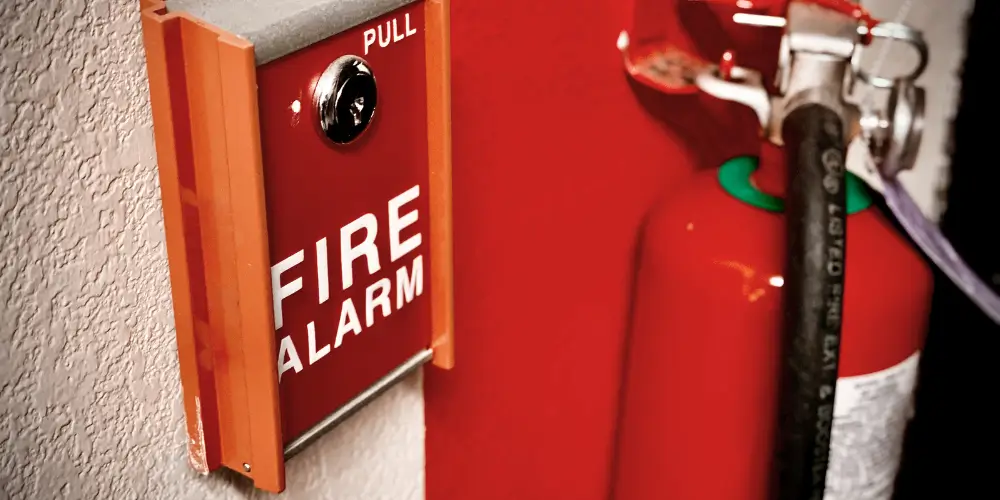
How Correct Fire Door Certification Reduces Legal and Safety Risks
Proper certification of fire doors significantly mitigates both legal and safety risks for property owners and occupants. Ensuring that fire doors are properly certified not only complies with regulations but also increases overall environmental safety.
This certification acts as a safeguard against possible liabilities, helping to protect lives and property.
Key benefits of correct fire door certification include:
- Increased Safety: Certified fire doors are designed to resist fire and smoke, providing essential time for evacuation.
- Legal Protection: Proper documentation can serve as evidence of compliance, reducing the risk of legal repercussions in case of incidents.
- Insurance Benefits: Insurers may offer lower premiums or better coverage for properties with certified fire safety systems.
In essence, proper fire door certification is an essential component in creating a secure, compliant building environment, significantly reducing both safety and legal risks.
Frequently Asked Questions
What Documents Are Needed for Fire Door Certification?
Fire door certification requires specific documents, including installation certificates, compliance declarations, maintenance records, and relevant technical specifications. These documents guarantee that the fire doors meet safety standards and function effectively in emergencies.
How Often Should Fire Doors Be Inspected?
Fire doors should be inspected at least once a year, according to regulations. However, additional checks are advisable following any alteration, damage, or after significant changes in usage to guarantee ongoing compliance and safety.
Can Homeowners Certify Their Own Fire Doors?
Homeowners cannot certify their own fire doors. Certification typically requires professionals with specific qualifications to ensure compliance with safety regulations, ensuring that the doors meet the necessary standards for fire resistance and overall safety in residential properties.
What Happens if a Fire Door Fails Inspection?
If a fire door fails inspection, it must be repaired or replaced promptly to guarantee safety. Non-compliance can lead to legal consequences and increased risk during a fire, jeopardising the safety of occupants and property.
Are There Penalties for Non-Compliance With Fire Door Regulations?
Yes, penalties for non-compliance with fire door regulations exist. These can include fines, legal action, and increased liability in the event of a fire, emphasising the importance of adhering to safety standards and regulations.
Conclusion
In conclusion, fire door certification in the UK is a multifaceted responsibility shared among manufacturers, property owners, and accredited inspectors, with a clear understanding of who can certify fire doors. Adhering to established standards and conducting regular inspections are essential for maintaining compliance and ensuring safety. The collaborative efforts of all parties, coupled with independent accreditation, reinforce accountability and increase the effectiveness of fire door systems. Ultimately, understanding who can certify fire doors and these responsibilities is essential for mitigating legal and safety risks associated with fire safety in properties.