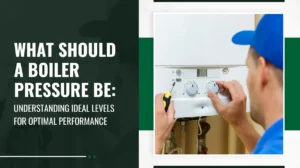
The ideal boiler pressure is usually 1.0–1.5 bar when the system is cold and 1.5–2.0 bar when heating is on. A pressure below 1.0 bar can cause circulation issues and boiler faults, while consistently above 2.5–3.0 bar may signal overfilling or component problems. A normal rise of about 0.3–0.7 bar during operation is expected. Understanding what should a boiler pressure be helps maintain efficiency, safety, and reliability, and the next sections explain how to check, adjust, and protect that balance.
Key Takeaways
- Ideal cold boiler pressure is typically between 1.0 and 1.5 bar when the system is off and fully cooled.
- When the heating is on, normal operating pressure usually rises to around 1.5 to 2.0 bar.
- A pressure increase of about 0.3 to 0.7 bar from cold to hot is expected in a healthy system.
- Pressure consistently below 1.0 bar can cause circulation problems and may indicate leaks or water loss.
- Persistent pressure above 2.5–3.0 bar suggests possible faults and should be investigated by a heating engineer.
Table of Contents
What Your Boiler Pressure Should Be (On and Off)
When operating correctly, a typical domestic boiler should show a pressure of around 1.0 to 1.5 bar when the system is cold and switched off, rising to about 1.5 to 2.0 bar when it is running, and the water has heated up. These figures describe the “normal” range for many sealed, modern systems and are used by engineers as a quick health check.
Cold pressure reflects how much water is in the system and how the expansion vessel is performing. If it drops well below 1.0 bar, the boiler may struggle to circulate water effectively and can lock out to protect itself. As the boiler fires and the water heats, it expands, increasing pressure. A rise of roughly 0.3 to 0.7 bar is generally expected. Persistent pressure markedly above 2.5–3.0 bar, however, may indicate overfilling, a faulty expansion vessel, or a stuck safety component.
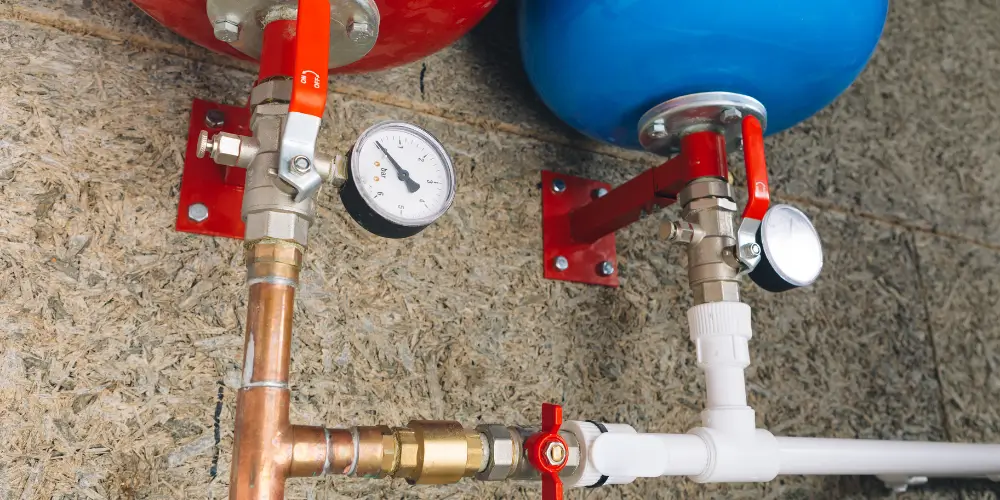
How to Read Your Boiler Pressure Gauge Safely
Understanding the right pressure range is only useful if the gauge is read correctly and safely. A homeowner should begin by locating the pressure gauge, usually on the front panel of the boiler or just beneath it. Before approaching, they should verify that the area is dry, well-lit, and free from obstructions, and avoid touching hot metal surfaces or exposed pipework.
They should stand at a comfortable distance, then visually inspect the gauge without leaning heavily on the boiler. Most gauges display pressure in bars, with coloured zones: green typically indicates the normal operating range, while red often indicates unsafe levels. Reading should be taken with the boiler at rest or in normal operation, as described in the previous section, not during unusual conditions such as recent bleeding of radiators. This helps to determine what should a boiler pressure be.
If the gauge is cracked, misted, or unreadable, the homeowner should not attempt to repair it; instead, they should contact a qualified heating professional.
Why Your Boiler Pressure Is Too Low or Too High
Although a boiler’s pressure gauge may seem stable most of the time, it reflects a balance of water volume, system temperature, and component condition that can easily shift too low or too high. When pressure is too low, the cause is often a loss of water from the system. This may result from small leaks in pipework or radiators, a faulty pressure relief valve that is not sealing correctly, or air being drawn into the system and displacing water.
Excessively high pressure usually indicates that water or heat has nowhere to expand safely. Common contributors include an overfilled system, a failed or waterlogged expansion vessel that can no longer absorb expansion, or a filling loop left slightly open, constantly topping up the system.
In some cases, limescale or sludge restricts circulation, creating localised overheating that temporarily drives pressure beyond the intended operating range.
How to Fix Low Boiler Pressure (Step-by-Step)
Before attempting to correct low boiler pressure, a clear, methodical approach helps prevent damage and unnecessary callouts. The user should first confirm the reading on the pressure gauge when the system is cold, comparing it to the manufacturer’s recommended range, usually around what should a boiler pressure be, typically 1.0–1.5 bar. If the pressure is low, the boiler and heating should be turned off and allowed to cool.
Next, the filling loop, typically a silver, flexible hose with one or two small valves,s is located beneath the boiler. Both ends must be securely attached. The user then slowly opens the valves, watching the gauge rise gradually. Once the pressure reaches the target cold level, the valves are fully closed, and the hose ends are checked for tightness.
After repressurising, the system is switched back on, and the gauge is observed through a full heating cycle. Persistent pressure loss may indicate a possible leak or a component fault requiring professional inspection.
How to Reduce High Boiler Pressure Safely (Step-by-Step)
High boiler pressure must be reduced carefully to protect the system from damage and prevent the safety relief valve from discharging hot water. The homeowner first confirms the gauge reading with the system cold; anything notably above the manufacturer’s recommended range indicates the need for action.
Before touching anything, the boiler is switched off and allowed to cool, so components are not under peak temperature and stress.
To bring pressure down safely, they may:
- Slowly bleed a nearby radiator, catching discoloured water and watching the gauge fall with cautious relief.
- Open only one bleed valve at a time, pausing frequently to avoid dropping the pressure too far.
- Check that the filling loop valves are fully closed, easing the worry that unseen water is still entering.
- Recheck the gauge after 10–15 minutes, feeling reassured as the needle settles within the normal range.
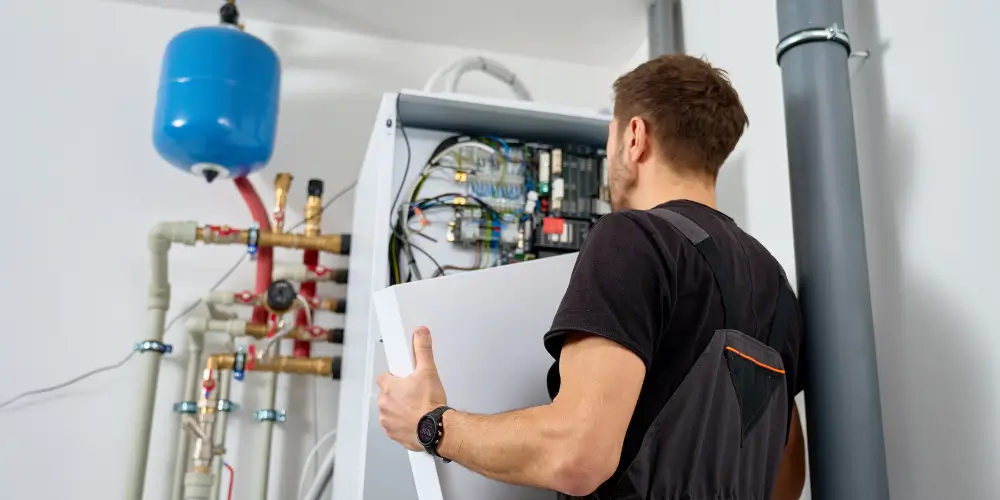
When to Call a Heating Engineer for Boiler Pressure
Sometimes, boiler pressure problems signal issues that a homeowner should not try to solve alone and instead require a qualified heating engineer. Professional help is essential when pressure changes are sudden, extreme, or keep returning after basic checks. Persistently high pressure above 3 bar, or low pressure repeatedly below the recommended range, may indicate faults beyond simple adjustment.
A heating engineer should be called if the boiler frequently locks out, shows error codes related to pressure, or needs constant topping up. Visible water leaks from pipes, radiators, or the boiler casing are further warning signs. Unusual noises, such as banging or whistling, alongside pressure instability, can also signal internal component failure.
An engineer is particularly important if the pressure relief valve discharges water, the expansion vessel fails, or any user feels unsure. Safe, compliant repairs require trained, registered professionals.
Simple Boiler Pressure Tips to Prevent Future Problems
Simple, consistent habits can stabilise boiler pressure and reduce the risk of breakdowns. By paying calm, regular attention to a few basics, a homeowner can often prevent small issues from growing into stressful, expensive failures.
- Check the pressure gauge weekly. Noticing gradual changes early helps avoid sudden loss of heating or hot water, which can feel disruptive and worrying.
- Bleed radiators when they’re gurgling or cold at the top. Releasing trapped air helps maintain steady pressure and restores comfort in each room.
- Inspect for visible leaks around pipes, valves, and radiators. Catching damp patches or slow drips early protects the home and reduces anxiety about hidden damage.
- Record pressure readings seasonally. Keeping a simple log builds understanding of how the system behaves, so any deviation feels clearer and less alarming.
These straightforward practices nurture confidence and long‑term boiler reliability.
Frequently Asked Questions
Can Incorrect Boiler Pressure Increase My Energy Bills Significantly?
Yes, incorrect boiler pressure can increase energy bills noticeably. When pressure is too low or too high, the system runs inefficiently, cycles more often, and struggles to heat spaces evenly, wasting fuel and shortening component lifespan.
Does Boiler Pressure Affect Hot Water Temperature or Only Heating Performance?
Boiler pressure mainly influences heating performance, yet it can indirectly affect hot water temperature if pressure is extremely low or high. In most modern combi or system boilers, dedicated temperature controls govern hot water more directly than pressure.
Is Boiler Pressure Different for Combi, System, and Conventional Boilers?
Boiler pressure requirements vary slightly between combi, system, and conventional boilers, yet most operate around 1.0–1.5 bar when cold. Differences relate mainly to design, expansion vessels, and system layout, so manufacturer specifications should always guide settings.
Can Weather or Seasonal Changes Cause Fluctuations in Boiler Pressure?
Yes, weather and seasonal changes can affect boiler pressure. Colder temperatures cause the system to work harder, expanding heated water and raising pressure; milder weather reduces demand, sometimes lowering pressure or revealing small leaks and system inefficiencies.
How Often Should I Log or Record My Boiler Pressure Readings?
They should record boiler pressure at least once daily, increasing to twice daily during extreme weather or after maintenance. Regular logs help spot gradual leaks, faulty valves, or expansion vessel issues before they escalate into costly failures.
Conclusion
Maintaining the correct boiler pressure is essential for efficiency, safety, and comfort. By knowing what should a boiler pressure be, understanding how to read the gauge, and following safe, step-by-step methods to correct low or high pressure, homeowners can often resolve minor issues themselves. However, recognising when to call a qualified heating engineer is just as important. With a few simple preventive checks and habits, many boiler pressure problems can be avoided before they start.