What is the purpose of an asbestos survey is to identify and evaluate asbestos-containing materials within buildings. It is essential for ensuring occupant safety and meeting legal obligations. Certain properties, particularly those built before 2000, require these surveys to prevent possible health danger. Understanding the intricacies of these assessments can greatly influence property management decisions. However, the implications of neglecting an asbestos survey can be far-reaching and costly. What consequences might arise from overlooking this essential step?
Key Takeaways
- Asbestos surveys identify the presence and condition of asbestos-containing materials (ACMs) to ensure occupant safety and regulatory compliance.
- Required for commercial buildings and residential properties built before 2000, as well as public and industrial sites established prior to that date.
- Surveys help prevent exposure to hazardous materials, aiding in informed decision-making regarding the management or removal of ACMs.
- Skipping surveys can lead to significant financial implications, including high remediation costs and decreased property value.
- Proper asbestos surveys guide construction and maintenance efforts, ensuring regulatory compliance and enhancing long-term safety strategies.
Table of Contents
What an Asbestos Survey Is Designed to Assess in a Building
What is the purpose of an asbestos survey is to act as a key evaluation tool for identifying the presence and condition of asbestos-containing materials (ACMs) within a building. The primary aim of such a survey is to assess the types, locations, and quantities of ACMs, which may pose health risks if disturbed.
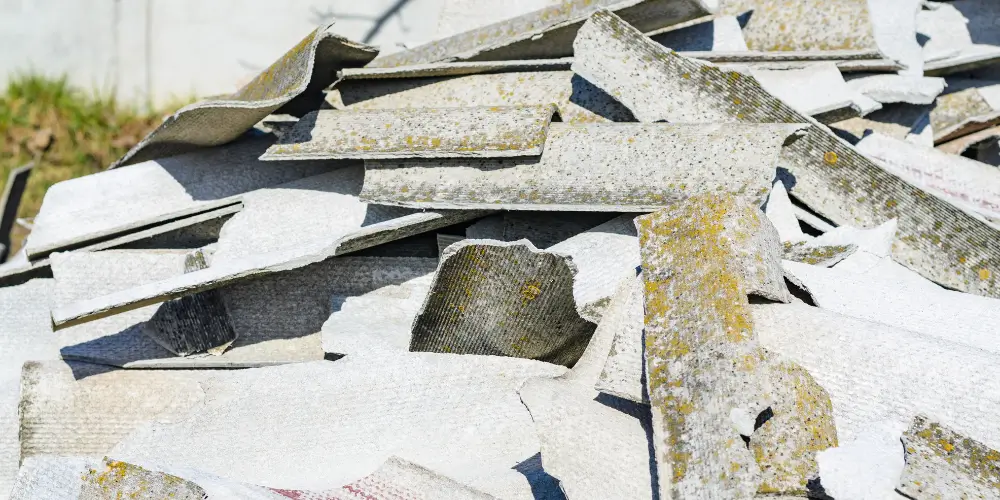
Trained professionals conduct the survey by meticulously inspecting various building components, including insulation, flooring, roofing, and wall materials. They also evaluate the condition of any identified ACMs to determine possible risk.
By documenting the findings, the survey provides essential information to property owners and managers, helping them make informed decisions regarding remediation or management strategies. Additionally, the survey helps ensure compliance with legal regulations governing asbestos, thereby protecting occupants and workers.
Ultimately, an effective asbestos survey is fundamental in preventing exposure to this hazardous material and maintaining a safe environment within the building.
How Asbestos Surveys Detect Materials That Cannot Be Identified Visually
Using advanced techniques and equipment, what is the purpose of an asbestos survey is to detect materials that are not visually identifiable as containing asbestos. Trained professionals employ methods such as polarised light microscopy (PLM) and transmission electron microscopy (TEM) to analyse samples collected from suspected areas. These techniques allow detailed examination of fibres, enabling the identification of asbestos types present in various building materials.
Additionally, bulk sampling and air testing are conducted to assess the presence of asbestos fibres in materials and the surrounding environment. These surveys may also involve infrared spectroscopy to detect chemical signatures specific to asbestos compounds.
Which Properties Legally Require an Asbestos Survey in the UK
Asbestos surveys are a legal requirement for certain properties in the UK, particularly those built before 2000. The presence of asbestos in older buildings poses significant health risks, necessitating thorough inspections.
The following types of properties are mandated to undergo asbestos surveys:
- Commercial Buildings: Offices, factories, and warehouses constructed before 2000 must be assessed for asbestos-containing materials.
- Residential Properties: Homes built before the cutoff date, especially those undergoing renovations or sales, require surveys.
- Public Buildings: Schools, hospitals, and government facilities are subject to strict regulations regarding asbestos management.
- Industrial Sites: Factories and manufacturing plants established before 2000 must conduct surveys to ensure safety compliance.
Understanding these requirements is essential for property owners and managers to mitigate health risks associated with asbestos exposure.
Why Construction and Maintenance Work Depends on Asbestos Surveys
Construction and maintenance work on properties built before 2000 is greatly affected by the presence of asbestos. Asbestos, a hazardous material, poses significant health risks if disturbed. Consequently, what is the purpose of an asbestos survey is to ensure one is conducted before any work begins.
These surveys identify the location, type, and condition of asbestos-containing materials, enabling contractors to develop appropriate safety measures. Without this information, workers may inadvertently expose themselves and others to harmful asbestos fibres during renovations or repairs.
Additionally, regulatory compliance mandates that construction teams understand asbestos risks to avoid legal repercussions. Proper asbestos surveys also facilitate the safe planning of demolition or refurbishment projects, ensuring that all necessary precautions are taken.
How Asbestos Survey Findings Affect Building Risk Ratings
Effective asbestos survey findings are essential for determining building risk ratings. These assessments provide key information that helps stakeholders evaluate the possible risk associated with asbestos materials.
The findings influence risk ratings in several key ways:
- Identification of Asbestos Presence: Surveys reveal whether asbestos-containing materials (ACMs) are present, impacting the overall risk profile.
- Condition Assessment: The condition of identified ACMs is assessed to determine how likely they are to release fibres into the air.
- Location of ACMs: The location of asbestos materials influences risk, especially in high-traffic or frequently accessed areas.
- Regulatory Compliance: Survey findings guarantee that buildings meet legal requirements for asbestos management, affecting liability and safety ratings.
The Connection Between Asbestos Surveys and Safe Occupancy Levels
While many factors contribute to safe occupancy levels in a building, what is the purpose of an asbestos survey is particularly essential in guaranteeing the health and safety of its occupants. An asbestos survey identifies the presence, condition, and type of asbestos-containing materials (ACMs), informing necessary actions to mitigate risks. Understanding the relationship between these surveys and safe occupancy can help property owners maintain a secure environment.
| Aspects | Importance |
| Identification | Detects ACMs that pose health risks. |
| Condition Assessment | Assess the state of ACMs to determine the level of danger. |
| Regulatory Compliance | Guarantees adherence to safety regulations. |
| Risk Mitigation | Guides necessary remediation efforts. |
| Occupant Awareness | Educates occupants about possible dangers. |
What Happens After an Asbestos Survey Is Completed
After an asbestos survey is completed, property owners receive a detailed report outlining the findings, which includes the locations and conditions of any identified asbestos-containing materials (ACMs).
This report is essential for understanding the possible risks posed by asbestos on the property.
Following the survey, property owners typically take the following steps:
- Review the Report: Carefully assess the findings to understand the scope of the issue.
- Consult Professionals: Engage with asbestos management experts to discuss mitigation or remediation options.
- Develop a Management Plan: Create a strategy to address identified ACMs, including monitoring and maintenance procedures.
- Implement Actions: Depending on the severity of the findings, take appropriate measures, including removing or encapsulating ACMs.
These steps are key to ensuring safety and compliance with regulations regarding asbestos management in properties.

How Asbestos Surveys Influence Long-Term Property Management
Asbestos surveys play an essential role in shaping long-term property management strategies. By identifying the presence and condition of asbestos-containing materials, property managers can make informed decisions about safety measures and maintenance protocols.
This response not only guarantees compliance with health regulations but also protects occupants from possible asbestos exposure.
Regular monitoring and assessment of asbestos materials can dictate renovation schedules and influence budget allocations for property upgrades. Additionally, accurate survey data can increase property value by demonstrating a commitment to safety and risk management.
Integrating findings from asbestos surveys into thorough property management plans encourages a culture of safety and transparency. This strategic alignment ultimately contributes to the longevity and sustainability of the property, assuring that management practices effectively address both current and future challenges associated with asbestos.
The Cost of Skipping an Asbestos Survey and the Risks Involved
Neglecting to conduct an asbestos survey can lead to significant financial and health consequences for property owners and occupants alike. The risks associated with skipping this essential step are manifold and can have lasting repercussions.
- Health Risks: Exposure to asbestos fibres can cause severe respiratory illnesses, including asbestosis and mesothelioma.
- Legal Liabilities: Property owners may face lawsuits or fines for failing to comply with asbestos management regulations.
- Remediation Costs: If asbestos is discovered later, the costs for safe removal can be exorbitant, far exceeding initial survey costs.
- Decreased Property Value: Properties without an asbestos survey may be deemed less desirable, resulting in a significant drop in market value.
Why Understanding the Purpose of an Asbestos Survey Matters for Owners
Why is it essential for property owners to grasp the purpose of an asbestos survey? Understanding this purpose can notably impact safety, compliance, and property value. Asbestos surveys identify the presence of asbestos-containing materials (ACMs), enabling property owners to make informed decisions about management or removal. This knowledge is key to safeguarding occupants’ health and avoiding legal repercussions.
| Key Benefits | Importance for Owners | Possible Consequences |
| Health Protection | Guarantees safe living conditions | Risk of illness from exposure |
| Legal Compliance | Meets regulatory requirements | Fines and legal actions |
| Property Value | Maintains marketability | Decreased value and salability |
Grasping the purpose of an asbestos survey not only protects individuals but also preserves property integrity, making it a key consideration for all property owners.
Frequently Asked Questions
What Is the Purpose of an Asbestos Survey?
The purpose of an asbestos survey is to identify the presence, type, and condition of asbestos-containing materials within a building. This helps protect occupants from exposure, supports legal compliance, and guides safe property management decisions.
Is an Asbestos Survey a Legal Requirement?
Yes, asbestos surveys are legally required for non-domestic properties and shared areas of residential buildings built before 2000. They are also necessary before refurbishment or demolition work to meet health and safety regulations.
What Types of Asbestos Surveys Are Available?
There are two main types of asbestos surveys: management surveys and refurbishment and demolition surveys. Management surveys assess asbestos during normal building use, while refurbishment and demolition surveys are required before intrusive work begins.
How Often Should an Asbestos Survey Be Carried Out?
An asbestos survey does not usually expire, but it should be reviewed regularly. If the building condition changes or refurbishment work is planned, a new or updated survey may be required.
Who Is Qualified to Carry Out an Asbestos Survey?
Only trained and accredited asbestos surveyors are qualified to carry out asbestos surveys. Using a competent professional ensures accurate results and compliance with legal standards.
What Happens If Asbestos Is Found During the Survey?
If asbestos is identified, the survey report will recommend management, monitoring, encapsulation, or removal depending on the condition and risk level of the material. Immediate action is only required if the asbestos poses a high risk.
Conclusion
In summary, what is the purpose of an asbestos survey is essential for property owners to guarantee safety and regulatory compliance. These surveys identify and assess asbestos-containing materials, guiding informed decisions on management and removal. With legal requirements for various properties, neglecting an asbestos survey can lead to significant health risks and financial repercussions. Ultimately, prioritising an asbestos survey not only protects occupants but also preserves the property’s long-term value and integrity.