What is the Purpose of a Fire Door? You’ve likely seen fire doors at work or even in apartment buildings, but have you ever wondered how exactly they function to keep you safe? These doors are more than just a heavy swinging barrier; they’re engineered to save lives by containing fires long enough for you to escape and for emergency services to respond.
From the composite materials that resist extreme heat to the seals that block out deadly smoke, every detail of a fire door is designed with your safety in mind. What is the purpose of a fire door becomes clear when you understand how each component works together to delay the spread of flames and smoke. But how effective are they really in a real-world blaze, and what should you look for to guarantee they meet safety standards? Let’s explore some surprising insights about their role in fire safety.
Key Takeaways
- Fire doors prevent the spread of fire and smoke, enhancing safety in homes and workplaces.
- They compartmentalise buildings to contain fires and facilitate safe evacuation.
- Equipped with automatic closing mechanisms, fire doors keep escape routes clear.
- Fire-resistant materials and seals in fire doors block flames and toxic smoke.
- Compliance with fire safety regulations ensures fire doors are effective and properly maintained.
Table of Contents
Understanding What a Fire Door Is and How It Works
A fire door is made from fire-resistant materials, such as solid timber, steel, or composite cores, and is often layered with fire-rated boards. It includes intumescent seals, fire-rated hinges, and smoke seals that expand at high temperatures to block flames and smoke.
It resists the spread of fire and smoke, helping to contain it within a specific area. It provides occupants with crucial time to escape safely and protects other parts of the building during a fire. Understanding how a fire door functions helps clarify “what is the purpose of a fire door”, which is to contain fire and smoke, giving people more time to evacuate safely.
Moreover, fire doors are equipped with seals around their edges that expand in high heat, blocking any gaps that could allow smoke or flames to pass. They’re also fitted with hardware, such as automatic closing devices. These doors don’t just hang open; they’re designed to shut automatically in the event of a fire, guaranteeing they’re always in place when most needed.
To ensure they perform as expected, fire doors must be properly installed and regularly inspected for damage or wear. They can’t provide the intended protection if they’re propped open or if their seals are compromised.
Understanding how fire doors work in UK buildings helps property owners see how they prevent fire and smoke from spreading between rooms or along escape routes.
The Primary Purpose of Fire Doors in Fire Prevention and Containment
The purpose of fire doors in fire safety systems is to compartmentalise buildings, slow the spread of fire, and give occupants vital time to escape safely. The weight of a fire door plays a crucial role in how effectively it performs its purpose. Fire doors are typically much heavier than standard doors because they are built from dense, fire-resistant materials such as solid timber, steel, or composite cores. This added weight allows the door to withstand extreme heat for a set period, usually between 30 to 120 minutes, depending on its fire rating. Learn more about the average weight and standard thickness of fire doors.
Here’s how they specifically contribute to fire safety:
- Compartmentalisation: Fire doors create sections within a building, known as fire compartments. By dividing the space, they prevent the rapid spread of fire and smoke between areas. This containment is essential for limiting property damage and providing occupants more time to evacuate safely.
- Resistance to Fire: These doors are constructed from materials such as steel or solid timber, which have a high resistance to heat and flames. They’re rigorously tested to withstand fire for a specified period, typically ranging from 30 minutes to over an hour, depending on the door’s fire rating.
- Sealing Off Smoke: Fire doors are equipped with intumescent seals that expand when exposed to heat, sealing the gaps around the door edges. This prevents toxic smoke, which is often more dangerous than the flames themselves, from passing through, thereby protecting escape routes and essential breathing space.
What is the purpose of a fire door becomes clear in its leading role to contain fire and smoke within one area, preventing them from spreading and safeguarding the rest of the building.
How Fire Doors Protect Lives and Property During an Emergency
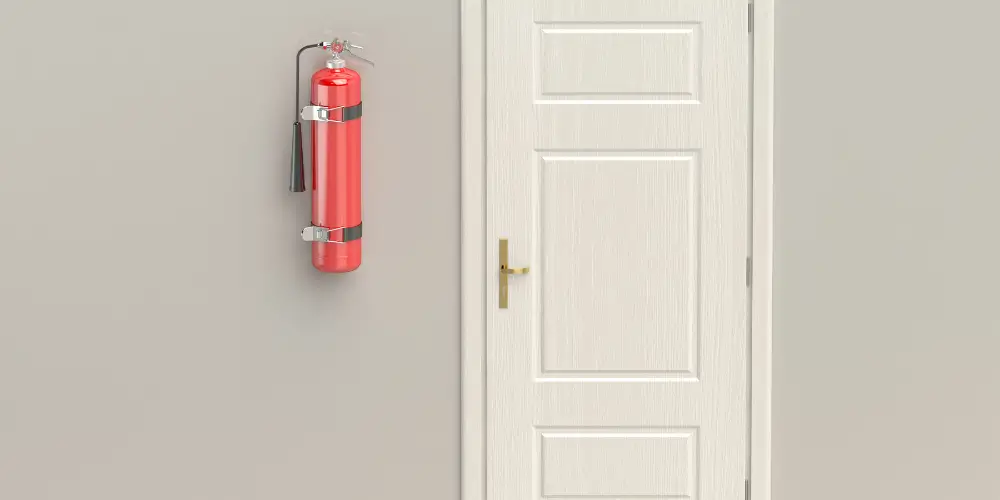
Every second counts during a fire emergency, and fire doors are essential in safeguarding both lives and property. These specialised doors serve as a critical barrier against the spread of fire and smoke, giving you and others more time to evacuate safely. By effectively compartmentalising the building, they help contain the fire to one area, considerably reducing overall damage and the potential for tragedy.
Here’s a quick breakdown of how fire doors function during an emergency:
| Feature | Function | Benefit |
| Fire-Resistant Materials | Withstand extreme heat | Delays the spread of fire |
| Intumescent Seals | Expand when heated to block smoke and flames | Prevents smoke inhalation |
| Automatic Closing Mechanism | Close automatically during a fire | Keeps the path of egress clear |
| Certification Labels | Indicate compliance with safety standards | Guarantees reliability and safety |
Installing fire door protection in homes and workplaces helps shield people and property from flames, heat, and smoke during emergencies.
Fire Door Requirements in UK Building and Safety Regulations
UK building and safety regulations impose strict requirements on the installation and maintenance of fire doors to guarantee maximum protection against fire hazards. You need to be aware of several key rules that directly affect how fire doors are handled in your building.
Here’s a breakdown of the most significant stipulations:
- Building Regulations 2010 (Approved Document B) – This document outlines the fire safety requirements necessary for the design and construction of buildings. It specifies where fire doors are required, such as in corridors, stairwells, or between different sections of a multi-use building.
- Regulatory Reform (Fire Safety) Order 2005 – Often referred to as the RRO, this regulation demands regular checks and maintenance of fire doors in all non-domestic buildings. It’s your responsibility to ascertain that these doors are correctly installed and capable of resisting fire for a specified minimum period.
- BS 476-22:1987 – This British Standard provides the methods for determining the fire resistance of door assemblies, including hinges, locks, and other hardware. You must verify that any installed fire door meets these criteria to remain compliant.
Compliance with UK fire door regulations for residential and commercial buildings is mandatory to meet safety standards set by building control and fire authorities.
Differences Between Fire Doors in Homes, Flats, and Commercial Buildings
Managing differences in fire door specifications across homes, flats, and commercial buildings can significantly affect your safety measures.
In your home, fire doors are often less complex than in commercial settings. They’re generally installed in areas leading to garages or furnaces. It’s not compulsory for all residential homes, but it’s prudent where risks are higher.
In flats or apartment buildings, regulations are stricter. Fire doors are typically required on each flat’s entrance and for communal areas to prevent the spread of fire and smoke between units. These doors must comply with specific fire-resistance and durability standards due to the higher occupant density and shared escape routes.
Commercial buildings, on the other hand, have the most stringent requirements. Fire doors here are part of a thorough fire prevention strategy that includes multiple escape routes, emergency lighting, and sometimes, automated fire suppression systems.
These doors must withstand fire for extended periods, often up to 120 minutes, to allow safe evacuation of a larger number of people and to secure critical infrastructure until emergency services can manage the situation.
Fire Door Maintenance, Inspections, and Legal Responsibilities
You need to keep up with regular fire door maintenance and inspections to confirm they comply with legal requirements and remain effective in a fire. This isn’t just about ticking boxes; it’s about making sure your doors can protect lives when it really counts.
Start by checking the door’s seals and hinges every six months. If you see any signs of damage or wear, it’s essential to replace these parts promptly.
Don’t forget to check the door closer and verify it’s working correctly so the door shuts completely every time.
Legally, you’re also required to have a professional inspection at least once a year. This inspection should be more thorough, examining aspects such as the integrity of the door frame and the proper functioning of self-closing mechanisms.
Documentation of these inspections is critical and should be kept as part of your fire safety records.
Moreover, familiarise yourself with local fire safety regulations. They can vary widely depending on your location, and understanding them can help you meet both legal standards and best practices.
It’s not just a formality; it’s a fundamental aspect of workplace or home safety management. Taking these steps seriously enhances your readiness in the event of a fire disaster.
Common Mistakes in Fire Door Installation and How to Avoid Them
Installing fire doors correctly is essential for guaranteeing they perform their intended safety functions. Mistakes during installation can compromise the door’s eire. Here are common errors you must avoid:
Ignorence Specifications, Guarantee there’s minimal gap between the door and frame. Excessive gaps can allow smoke and fire to pass through more easily, undermining the door’s purpose. Typically, gaps shouldn’t exceed 3mm around the sides and top of the door, and 10mm at the bottom.
- Using Non-Compatible Hardware. All components, like hinges, locks, and door closers, must be compatible with the fire door’s rating. Using non-compliant hardware can weaken the door’s integrity. Always check the manufacturer’s instructions or consult a professional to ensure all hardware matches the door’s fire-resistance rating.
- Neglecting Proper Seals. Fire doors require intumescent seals that expand in heat to prevent smoke and flames from spreading. Failing to install these seals, or using damaged or incorrect ones, seriously reduces the door’s effectiveness. Always replace seals if they show signs of damage or wear.

Benefits of Installing Certified Fire Doors in Residential and Business Premises
Certified fire doors bring significant safety benefits to your home or business by effectively containing fires and preventing the spread of smoke. These specialised doors are designed to withstand high temperatures, preventing the spread of flames and toxic fumes.
This containment provides essential extra minutes for evacuation and emergency response, potentially saving lives and reducing property damage.
Installing these doors isn’t just about safety; it’s also a wise financial decision. By limiting fire damage, you’re likely to face lower repair costs after an incident. Additionally, many insurance companies favour buildings with enhanced fire safety measures, which can lead to reduced premiums for you.
Moreover, fire doors help maintain a building’s structural integrity during a fire, supporting the overall structure and preventing premature collapse. This aspect is crucial in multi-story buildings where structural stability is essential for safe evacuation.
Choosing Professional Fire Door Services with Landlord Safety Experts
When selecting professional fire door services, choose the Landlord Safety Experts who specialise in landlord safety regulations.
Our professionals guarantee that the fire doors in your properties not only meet legal standards but also provide the highest level of safety for your tenants.
Here’s what you should consider when choosing the exemplary service:
- Certification and Experience: Look for services with certified technicians with extensive experience in fire door installation and maintenance that meet landlord requirements. This guarantees compliance with the latest safety standards and regulations.
- Comprehensive Service Offerings: Choose a company that offers a range of services, from installation to regular checks and maintenance. This continuity of service helps in maintaining the integrity of fire doors over time.
- Customised Solutions: Opt for experts who provide tailored solutions tailored to your property and its residents’ specific needs. Each building has its own unique challenges, and customised plans ensure that all aspects of fire safety are addressed.
Frequently Asked Questions
Can Fire Doors Be Painted or Decorated?
You can paint or decorate fire doors, but you must use non-combustible paint and avoid obstructing the door’s functionality. Always check the manufacturer’s guidelines to verify that modifications don’t compromise the door’s fire-resistant properties.
Are There Eco-Friendly Options for Fire Doors?
Yes, you can find eco-friendly fire doors made from sustainable materials like bamboo or recycled wood. They’re designed to be both environmentally conscious and effective in preventing the spread of fire.
How Much Do Fire Doors Typically Cost?
You’ll find fire doors typically cost from £120, depending on size, materials, and fire resistance rating. Installation costs vary, so include that in your budget for a complete and safe setup.
Can Fire Doors Be Fitted With Smart Locks?
Yes, you can fit fire doors with smart locks, but it’s essential to guarantee they don’t compromise the door’s integrity and still meet safety standards. Always check with a professional before installation.
What Is the Lifespan of a Fire Door?
The lifespan of a fire door you install typically ranges from 15 to 30 years. However, you must regularly inspect and maintain it to guarantee it performs effectively throughout its life.
Conclusion
So, now you know why fire doors are indispensable in both homes and workplaces. They save lives and protect your property by containing fires and slowing the spread of smoke. When you understand what is the purpose of a fire door, it’s clear that its role goes beyond compliance; they are a vital part of any building’s fire safety system. Remember to follow UK regulations, schedule regular maintenance, and avoid typical installation mistakes. Always choose certified fire doors and professional installation to ensure maximum protection. A properly fitted fire door is a small investment that makes a big difference in an emergency.