
Understanding the distinctions between an Energy Performance Certificate (EPC) and an Electrical Installation Condition Report (EICR) is essential for UK property owners. Each serves a specific purpose, focusing on different aspects of property management. While the EPC assesses energy efficiency, the EICR guarantees electrical safety. Knowing when and why to prioritise each can impact both compliance and safety. The implications for property owners are significant, prompting further exploration into these essential certificates.
Key Takeaways
- EPC (Energy Performance Certificate) assesses energy efficiency, while EICR (Electrical Installation Condition Report) focuses on electrical safety and compliance.
- EPC is mandatory for selling or renting properties; EICR is required for rental properties to ensure electrical safety.
- EPCs are valid for 10 years; EICRs must be renewed every 5 years or upon a tenant change.
- EPC costs range from £60 to £120; EICR costs vary from £100 to £300 depending on complexity.
- Landlords prioritise EPC for legal compliance and property appeal, while homeowners seek EICR for safety assurance and reliability.
Table of Contents
What Is the Difference Between EPC and EICR in Simple Terms
EPC and EICR are two distinct assessments related to property energy efficiency and electrical safety, respectively. The Energy Performance Certificate (EPC) evaluates how efficiently a property uses energy, providing a rating that reflects its sustainability and possible for energy savings. This assessment encourages property owners to increase their energy use, aligning with environmentally conscious living. On the other hand, the Electrical Installation Condition Report (EICR) focuses on the safety of a property’s electrical installations. It identifies any risk that could harm inhabitants or property.
While the EPC emphasises energy efficiency, the EICR is essential for ensuring electrical systems are safe and compliant with regulations. Understanding the Difference Between EPC and EICR empowers property owners to maintain both energy efficiency and safety, promoting a harmonious living environment. This knowledge enables individuals to make informed decisions that increase their freedom to manage their properties responsibly and effectively.
EPC Explained and What It Measures in a Property
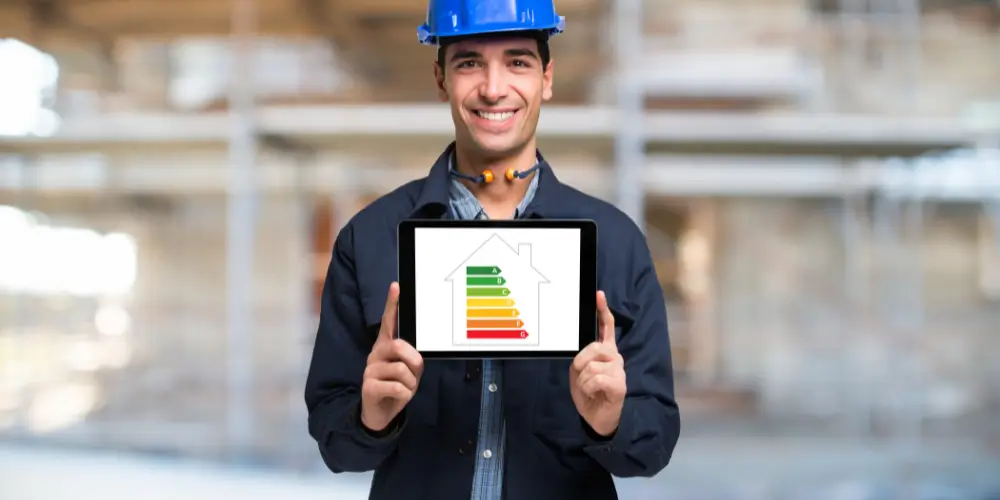
An Energy Performance Certificate (EPC) serves as a key indicator of a property’s energy efficiency and helps clarify the Difference Between EPC and EICR for property owners. It assesses various elements, including insulation, heating systems, and energy use, and assigns a rating from A (most efficient) to G (least efficient). Property owners can use this information to make informed decisions about energy improvements, leading to lower utility costs and a smaller carbon footprint.
| EPC Rating | Energy Efficiency | Possible Savings |
| A | Very High | Up to 50% |
| B | High | 30-50% |
| C | Moderate | 10-30% |
| D-G | Low to Very Low | Minimal |
Understanding the EPC helps property owners not only comply with regulations but also make energy-efficient choices that benefit their wallets and the environment.
EICR Explained and Why Electrical Safety Matters
While energy efficiency is key, ensuring electrical safety through an Electrical Installation Condition Report (EICR) is equally essential for property owners.
An EICR provides a thorough assessment of a property’s electrical installations, identifying any possible danger or deficiencies that could pose risks to residents. This report evaluates the condition of wiring, sockets, and circuits to ensure compliance with safety standards and regulations.
Electrical safety is paramount, as faulty wiring or outdated systems can lead to dangerous situations, including electrical fires or electrocution. Regular EICR inspections empower property owners to take energetic measures, safeguarding their tenants’ well-being and protecting their property.
Additionally, in rental properties, obtaining a valid EICR is a legal requirement, underscoring the importance of maintaining a safe living environment. Ultimately, prioritising electrical safety through EICR not only promotes peace of mind but also reduces responsibility in property management.
The Main Purpose of EPC vs EICR and How They Differ
Understanding the distinctions between an Energy Performance Certificate (EPC) and an Electrical Installation Condition Report (EICR) is essential for property owners. The primary purpose of an EPC is to assess and rate a property’s energy efficiency, providing insights into possible energy bill savings and environmental impact. This certificate serves as a guide for property owners looking to improve energy performance and reduce carbon footprints.
In contrast, an EICR focuses on the condition of electrical installations, ensuring safety and regulatory compliance. It identifies any danger or deficiencies in electrical systems, helping to protect inhabitants and property from fire risks and electrical failures. While both reports contribute to property safety and efficiency, their scopes differ considerably. An EPC focuses on energy consumption, whereas an EICR prioritises electrical safety, supporting the freedom and comfort of those who reside in or manage properties.
Legal Requirements for EPC and EICR in the UK
In the UK, legal requirements for obtaining an Energy Performance Certificate (EPC) and an Electrical Installation Condition Report (EICR) vary considerably, reflecting their different purposes. An EPC is mandatory for properties being sold or rented, guaranteeing transparency regarding energy efficiency. Landlords must provide a valid EPC before tenants can occupy a property, and the certificate remains valid for 10 years.
Conversely, the EICR focuses on electrical safety, required for rental properties to ascertain that installations are safe and compliant. The regulations state that EICRs must be conducted every five years or upon a change of tenancy. Failure to comply with these regulations can lead to penalties. Ultimately, these legal frameworks serve to protect both property owners and occupants, promoting safety and energy efficiency in the housing market. Understanding these requirements empowers property owners to maintain compliance and encourage a secure living environment.
Who Needs an EPC and Who Needs an EICR
Who requires an Energy Performance Certificate (EPC) and who needs an Electrical Installation Condition Report (EICR)?
Property owners in the UK must understand the distinctions between these two important documents. An EPC is mandatory for anyone selling or renting residential or commercial properties, as it provides possible buyers or tenants with insights into energy efficiency. This guarantees transparency and encourages informed decisions about energy consumption. On the other hand, an EICR is essential for landlords, homeowners, and businesses to guarantee electrical safety. It evaluates the condition of a property’s electrical installations and identifies possible danger.
Landlords are legally required to obtain an EICR for rental properties, while homeowners may seek it for peace of mind or when undertaking major electrical work. In essence, EPCs focus on energy efficiency, while EICRs focus on electrical safety both are significant for maintaining property standards and safeguarding the well-being of occupants.
How Often EPC and EICR Certificates Must Be Renewed
EPCs and EICRs have different renewal requirements that property owners should be aware of.
An Energy Performance Certificate (EPC) must be renewed every ten years, though it can be updated sooner if significant changes to the property affect its energy efficiency. This flexibility allows property owners to keep their energy credentials up to date, promoting informed choices for possible buyers or tenants.
In contrast, an Electrical Installation Condition Report (EICR) must be renewed every five years or upon a change of occupancy. This guarantees that electrical systems remain safe and compliant, safeguarding both the property and its inhabitants. Regular renewal of these certificates not only fulfils legal obligations but also increases the property’s appeal in a competitive market. Understanding these timelines empowers property owners to maintain their assets effectively and responsibly.
EPC vs EICR for Landlords and Homeowners
Landlords and homeowners often face distinct responsibilities regarding Energy Performance Certificates (EPCs) and Electrical Installation Condition Reports (EICRs). EPCs assess a property’s energy efficiency and provide ratings that can influence energy costs and environmental impact. For landlords, maintaining a minimum EPC rating is essential to comply with regulations and attract tenants who value sustainability.
On the other hand, EICRs assess the safety of electrical installations, ensuring that properties are electrically sound and free of danger. For homeowners, obtaining an EICR is important not only for safety but also for peace of mind, safeguarding against possible risks. While both documents serve significant functions, landlords must prioritise EPC compliance to remain competitive in the rental market, whereas homeowners might focus more on EICRs to ensure the safety and reliability of their homes. Understanding these distinctions empowers property owners to fulfil their obligations effectively.

Costs Involved When Comparing EPC and EICR
When evaluating the costs associated with EPCs and EICRs, property owners should consider several factors that influence pricing for each certificate. The Energy Performance Certificate (EPC) typically ranges from £60 to £120, depending on the property’s size and location. In contrast, the Electrical Installation Condition Report (EICR) can cost between £100 and £300, influenced by the property’s complexity and the extent of electrical work required.
Additionally, property owners might encounter variations depending on the certification providers, as different professionals may charge different rates. It is also essential to factor in the possible expenses for any required improvements or repairs recommended in either report. Ultimately, understanding these costs allows property owners to make informed decisions that align with their financial freedom and property management goals, ensuring compliance while avoiding unexpected financial burdens.
Do You Need Both EPC and EICR for the Same Property
Is it necessary to obtain both an Energy Performance Certificate (EPC) and an Electrical Installation Condition Report (EICR) for the same property? The answer largely depends on the specific requirements of property ownership and rental regulations in the UK. An EPC assesses energy efficiency, while an EICR evaluates the safety of electrical installations.
| Certificate Type | Purpose |
| EPC | Measures energy efficiency |
| EICR | Guarantees electrical safety |
| Requirement | Varies based on rental status |
For landlords, an EPC is mandatory for rental properties to guarantee energy efficiency standards are met. An EICR is essential for maintaining electrical safety and compliance, particularly for rental properties, every five years or upon change of tenancy. Ultimately, obtaining both certificates promotes a safe and energy-efficient living environment.
Frequently Asked Questions
u003cstrongu003eCan I Get an EPC and EICR From the Same Provider?u003c/strongu003e
Yes, it is possible to obtain both an EPC and an EICR from the same provider. Many companies offer bundled services that streamline property owners’ assessments of energy performance and electrical safety.
u003cstrongu003eWhat Happens if I Don’T Have an EPC or EICR?u003c/strongu003e
Failure to obtain an EPC or EICR can lead to legal penalties, inability to sell or rent a property, and possible safety danger. Compliance guarantees energy efficiency and electrical safety, promoting both financial and personal freedoms.
u003cstrongu003eDo EPC and EICR Affect Property Insurance?u003c/strongu003e
EPC and EICR certificates can influence property insurance premiums. Insurers may assess energy efficiency and electrical safety when determining coverage, which can lead to higher costs or fewer options for properties lacking these certifications.
u003cstrongu003eCan I Appeal an EPC or EICR Rating?u003c/strongu003e
Yes, individuals can appeal an EPC or EICR rating. They must gather supporting evidence and submit a formal request to the relevant authority to request a reassessment based on new information or corrections to the original evaluation.
u003cstrongu003eAre There Exemptions for EPC and EICR Requirements?u003c/strongu003e
Yes, certain exemptions exist for EPC and EICR requirements, particularly for specific property types or circumstances. Property owners should review the regulations to determine eligibility for these exemptions, thereby allowing greater flexibility in compliance.
Conclusion
In conclusion, understanding What Is the Difference Between EPC and EICR is is essential for UK property owners. Energy Performance Certificates focus on evaluating and improving energy efficiency, while Electrical Installation Condition Reports prioritise electrical safety to protect occupants. Knowing these differences helps ensure compliance with legal obligations and supports safer, more efficient properties. Property owners should arrange for both assessments to be conducted regularly to protect their investment and meet current regulatory standards.