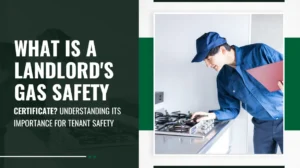
A landlord’s Gas Safety Certificate is an essential document that confirms the safety of gas appliances and installations in rental properties. It plays a significant role in ensuring tenant safety and compliance with legal standards. This certificate not only protects tenants but also safeguards landlords from possible liabilities. Understanding its importance raises questions about the specific legal requirements and the possible consequences of neglecting this essential responsibility. What might be at stake for both parties?
Key Takeaways
- A Gas Safety Certificate confirms that gas installations and appliances in rental properties are safe and compliant.
- It assures tenants of their safety from gas danger, reflecting the landlord’s commitment to their well-being.
- Annual inspections by a registered engineer are legally required to maintain the certificate and ensure safety.
- Non-compliance can lead to severe penalties, including fines and damage to the landlord’s reputation.
- Regular inspections reduce the risk of gas leaks and promote a safe living environment for tenants.
Table of Contents
What is a Landlord’s Gas Safety Certificate and Why Does It Matter?
A Landlord’s Gas Safety Certificate is an essential document that confirms a property’s gas installations and appliances have been inspected for safety and compliance with legal standards. This certificate provides key assurance to tenants, allowing them to live in their homes without constant worry about gas-related danger. It reflects a landlord’s commitment to upholding safety and promoting a secure living environment.
The importance of this certificate extends beyond mere legal compliance; it embodies respect for tenants’ rights to a safe home. When a landlord holds a valid Gas Safety Certificate, they contribute to their tenants’ well-being, encourage trust, and provide peace of mind. In a world where freedom and safety often intersect, the certificate stands as a symbol of responsible rental property management, allowing both landlords and tenants to exercise their rights and fulfill their responsibilities with confidence.
Understanding the Legal Requirements for a Landlord’s Gas Safety Certificate
Landlords are legally obligated to obtain What Is a Landlord’s Gas Safety Certificate for their rental properties, ensuring that all gas appliances and installations are safe for use. This requirement is essential not only for regulatory compliance but also for safeguarding tenant welfare. The certificate must be renewed annually to reflect ongoing diligence in maintaining safety standards.
| Requirement | Description |
| Annual Inspection | Gas appliances must be checked yearly by a registered engineer. |
| Record Keeping | Landlords must retain inspection records for at least two years. |
| Tenant Notification | Tenants should receive a copy of the Gas Safety Certificate before moving in. |
Failure to comply with these legal requirements can result in severe penalties and endanger tenant safety, underscoring the importance of energetic compliance in property management.
How a Landlord’s Gas Safety Certificate Protects Your Tenants
How can a Gas Safety Certificate greatly increase tenant safety? This certificate is an essential document that verifies the safety and functionality of gas appliances within a rental property.
By ensuring compliance with safety regulations, landlords demonstrate their commitment to tenant well-being. Regular inspections, as required to obtain this certificate, identify possible danger such as gas leaks or faulty equipment, thereby markedly reducing the risks of carbon monoxide poisoning and explosions.
Furthermore, a valid Gas Safety Certificate assures tenants that appliances are regularly maintained, encourages a sense of security and trust in their living environment. This response not only safeguards tenants but also empowers them to live freely, knowing their home is secure. Ultimately, the Gas Safety Certificate is a foundational element of a safe, responsible rental experience, allowing tenants to enjoy their space without constant worry about gas-related danger.
The Consequences of Not Having a Gas Safety Certificate as a Landlord
Neglecting to obtain a Gas Safety Certificate can lead to severe repercussions for property owners. Without this essential documentation, landlords expose themselves to substantial legal risks, including hefty fines and possible imprisonment.
In the event of a gas-related incident, the absence of a certificate can be evidence of negligence and may lead to costly liability claims. Furthermore, it can tarnish a landlord’s reputation, making it challenging to attract and retain tenants who prioritize safety and security. Beyond legal and financial consequences, unaddressed gas safety issues pose a genuine threat to tenants’ well-being, jeopardizing their right to a safe living environment.
Landlords may also face difficulties in securing insurance coverage, leading to further financial strain. Ultimately, for property owners seeking freedom and peace of mind, obtaining a Gas Safety Certificate is not just a regulatory obligation but a fundamental aspect of responsible property management.
What’s Included in a Landlord’s Gas Safety Certificate Inspection?
During a Gas Safety Certificate inspection, several key components are assessed to confirm compliance with safety regulations. These inspections focus on the functionality and safety of gas appliances, ensuring they operate efficiently without posing risks to tenants.
The table below summarizes key aspects evaluated during the inspection:
| Component | Assessment Criteria | Outcome |
| Gas Appliances | Check for functionality and safety | Pass/Fail |
| Gas Pipes | Inspect for leaks and corrosion | Pass/Fail |
| Ventilation Systems | Confirm proper airflow and functioning | Pass/Fail |
| Flue Systems | Verify integrity and blockage | Pass/Fail |
| Safety Devices | Test alarms and shut-off mechanisms | Pass/Fail |
Through thorough assessments, landlords can confirm that their properties remain safe and compliant, ultimately protecting both their share and tenants’ well-being.
How Often Do You Need a Gas Safety Certificate for Your Rental Property?
To ensure tenant safety and comply with legal requirements, landlords must obtain a Gas Safety Certificate at least once every 12 months for their rental properties. This annual inspection guarantees that gas appliances and installations are functioning safely and efficiently. Failure to comply can have serious consequences, including legal action and possible harm to tenants.
Key reasons for the annual requirement include:
- Tenant Safety: Regular checks reduce the risk of gas leaks and carbon monoxide poisoning.
- Legal Compliance: Landlords are legally obligated to provide a valid Gas Safety Certificate.
- Property Value: Maintaining safety standards can increase the property’s appeal and market value.
- Insurance Protection: A valid certificate may be necessary for insurance claims related to gas incidents.
How to Ensure Your Property Passes a Gas Safety Inspection
Landlords aiming to pass a gas safety inspection must take energetic steps to ensure that all gas appliances and installations are in good condition. Regular maintenance is essential; landlords should schedule annual checks with qualified gas engineers to assess appliances such as boilers, heaters, and cookers.
It is essential to guarantee that ventilation systems are unobstructed and functioning properly. Landlords should also familiarize themselves with current regulations and standards, as compliance is key to passing inspections. Additionally, landlords can conduct preliminary checks, such as inspecting for visible leaks, corrosion, or wear. Keeping records of all maintenance and inspections not only aids in compliance but also demonstrates diligence.
The Risks of Gas Leaks in Rental Properties and How a Gas Safety Certificate Helps
While gas appliances are essential for comfort and convenience in rental properties, the risks associated with gas leaks can pose serious threats to tenant safety. A gas leak can lead to hazardous situations, including:
- Health Risks: Exposure to carbon monoxide can cause severe illness or even death.
- Fire Danger: Leaking gas can ignite, leading to destructive fires.
- Explosions: Gas accumulation can result in explosive situations, endangering lives and property.
- Legal Consequences: Landlords may face significant liabilities if they fail to guarantee safety.
A Gas Safety Certificate serves as a key safeguard against these dangers. It confirms that a qualified professional has inspected the gas appliances and installations, guaranteeing they are functioning safely.

Comparing Gas Safety Certificates vs. Other Safety Certifications for Landlords
Gas Safety Certificates play an essential role in guaranteeing tenant safety, but they are not the only certifications landlords should consider. Landlords must also be aware of other safety certifications that contribute to a safe living environment. For instance, electrical safety and fire safety certifications are equally essential.
| Certification Type | Purpose |
| Gas Safety Certificate | Guarantees gas appliances are safe and compliant |
| Electrical Safety Certificate | Verifies electrical installations are safe |
| Fire Safety Certificate | Confirms fire alarms and exits are adequate |
| Energy Performance Certificate | Assesses the energy efficiency of the property |
Understanding these various certifications helps landlords create a secure atmosphere for tenants, promoting not just compliance but also peace of mind. By prioritizing all safety measures, landlords promote trust and satisfaction, allowing tenants to enjoy their living spaces freely.
Steps to Obtain a Landlord’s Gas Safety Certificate and Stay Compliant
To guarantee compliance with safety regulations, obtaining a Landlord’s Gas Safety Certificate involves a series of essential steps.
Landlords can ascertain tenant safety and maintain their rights by following these streamlined procedures:
- Hire a Registered Engineer: Engage a Gas Safe-registered engineer who is qualified to conduct the necessary inspections.
- Schedule an Inspection: Arrange a convenient time for the engineer to assess all gas appliances and installations in the property.
- Conduct the Safety Checks: The engineer will check for leaks, ascertain proper ventilation, and confirm that appliances operate safely and efficiently.
- Receive the Certificate: Upon successful inspection, the landlord will receive the Gas Safety Certificate, which must be renewed annually.
Frequently Asked Questions
How Much Does a Gas Safety Certificate Cost?
The cost of a gas safety certificate typically ranges from £60 to £120, depending on the location and the service provider. Landlords should consider this expense essential for ensuring compliance and tenant safety.
Can Tenants Request a Copy of the Gas Safety Certificate?
Tenants have the right to request a copy of the gas safety certificate from their landlord. This document guarantees transparency and safety, enabling tenants to confirm that gas appliances are well-maintained and compliant with safety regulations.
What Qualifications Should the Gas Engineer Have?
A qualified gas engineer should possess Gas Safe Register certification, demonstrating competency in gas safety regulations. Additionally, relevant training and experience in gas appliance installation and servicing are essential to ensure tenant safety and compliance.
What Happens if a Property Fails the Gas Inspection?
If a property fails the gas inspection, the landlord must promptly address safety issues. Tenants may face restrictions on gas use, and landlords risk legal repercussions, underscoring the importance of complying with safety regulations.
Are There Exceptions to the Requirement for a Gas Safety Certificate?
Certain exceptions apply to gas safety certificates, including properties without gas appliances, temporary structures, and properties where the landlord resides with tenants. However, these circumstances remain rare and should be method with caution to guarantee safety.
Conclusion
In conclusion, What Is a Landlord’s Gas Safety Certificate is an essential component of rental property management, ensuring tenant safety and legal compliance. By regularly obtaining this certification, landlords not only protect their tenants from possible danger but also mitigate their own liabilities. The importance of maintaining gas appliances and installations cannot be overstated, as it encourages trust and peace of mind for both parties. Ultimately, prioritizing gas safety contributes to a secure and responsible rental environment.