As a UK landlord, you must understand common EICR failures to maintain tenant safety and meet legal requirements. Common EICR failures often stem from outdated wiring, overloaded circuits, and insufficient earthing or bonding, all of which pose significant safety risks. These inadequacies compromise tenant safety, risk heavy fines, and damage your reputation. Addressing these issues promptly involves updating systems, ensuring functional RCDs, and complying with the latest UK wiring regulations. By understanding the importance and implications of these factors, you can better manage your properties and enhance tenant safety. Further exploration will equip you with deeper insights into preventive strategies and long-term benefits.
Key Takeaways
- EICR failures often stem from outdated wiring, overloaded circuits, and inadequate earthing, posing significant safety risks.
- Landlords must rectify EICR deficiencies within 28 days to avoid fines up to £30,000 and ensure tenant safety.
- Regular EICR testing helps landlords avoid legal penalties and confirms that electrical systems meet current safety standards.
- Addressing EICR issues promptly can enhance property value, tenant retention, and landlord reputation.
- EICR reports classify issues with urgency codes (C1, C2, C3), guiding landlords on necessary immediate and future actions.
Table of Contents
Understanding Common EICR Failures in UK Rental Properties
Common Electrical Installation Condition Report (EICR) failures in UK rental properties often stem from outdated wiring and overloaded electrical circuits. This isn’t just about flickering lights or tripping breakers; it’s a serious safety risk that can lead to fire hazards.
Outdated wiring may not be equipped to handle the array of modern appliances typical in today’s homes. If your property’s wiring is old, it mightn’t include enough circuits, which can lead to overloading and eventually, failure. This issue is particularly prevalent in older properties where the electrical system hasn’t been upgraded in decades.
Moreover, another frequent failure point you’ll encounter is a lack of proper earthing or bonding. This safety mechanism prevents electrical shocks and fires. It’s vital in areas with high moisture, like kitchens and bathrooms. Without it, you’re putting your tenants at risk.
As a landlord, you guarantee that your property’s electrical systems are efficient and safe.
Regular inspections, proper maintenance, and timely upgrades are key to overcoming common EICR failures. Don’t overlook these aspects; they’re fundamental for passing your EICR and keeping your property up to standard.
Common EICR Failures Landlords Should Know in the UK
As a landlord, you must be aware of common EICR failures that could impact your rental properties.
Issues like damaged electrical wiring, missing or faulty earthing and bonding, and overloaded circuits are frequent culprits.
The following are the most frequent EICR electrical faults in the properties.
Damaged Electrical Wiring
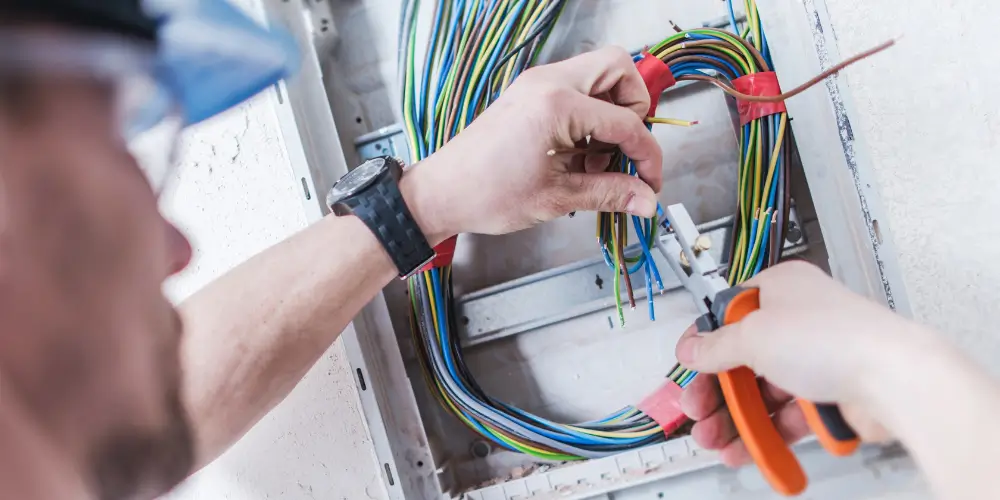
Damaged electrical wiring is among the most common reasons for failing an Electrical Installation Condition Report (EICR). As a landlord, it’s essential to understand why this is a serious concern and how it impacts your property’s safety and compliance.
Damaged wiring can stem from multiple sources, including ageing, environmental factors, and improper installation. Identifying and rectifying these issues is vital to preventing hazards like electrical fires or shocks.
Here’s what you should look out for:
- Frayed or exposed wires can occur over time or from physical damage.
- Signs of overheating: Discolouration or melting of wire insulation suggests excessive heat build-up.
- Rodent damage: Mice and rats can chew through cables, exposing live wires.
- Corrosion: Particularly in damp environments, wires can corrode, compromising their integrity.
- Loose connections can disrupt the flow of electricity, leading to arcing or overheating.
Addressing these issues not only helps you pass the EICR but also guarantees the safety of your tenants and the longevity of your property’s electrical systems.
Regular checks and prompt repairs are your best defence against the complications of damaged wiring.
Missing or Faulty Earthing and Bonding
Another common reason UK landlords fail an Electrical Installation Condition Report (EICR) is the presence of missing or faulty earthing and bonding. This aspect of your property’s electrical system is vital for safety, reducing the risk of electric shock or fire.
Here’s why it’s important and what you should look out for.
Earthing is a method that connects the exposed metal parts of electrical appliances to the ground, guaranteeing that any fault current doesn’t cause electric shock. Bonding, conversely, connects the metal parts in installations like pipes and radiators to the earthing to ensure they can’t carry an electrical current if a fault occurs.
If these systems aren’t properly installed or maintained, you risk your tenants’ safety and potentially face legal consequences.
During an EICR, an electrician will check if the earthing and bonding meet the current standards set by the UK wiring regulations. They’ll look for signs of deterioration, improper connections, or missing links.
Make sure you have a qualified electrician to check these systems regularly. Passing the EICR is not just about guaranteeing your property is safe and secure for everyone.
Overloaded Electrical Circuits
Overloading electrical circuits is a frequent issue that leads to EICR failures for UK landlords. When you plug too many devices into a circuit, it can overload, increasing the risk of fire and electrical damage.
To prevent this problem, here’s what you need to look out for:
- Excessive use of extension leads: Relying heavily on extension cords can indicate insufficient outlet points, leading to potential overloads.
- High-wattage appliances on the same circuit: Appliances like kettles, toasters, and microwaves draw a lot of power. They can easily overload it if they’re used simultaneously on the same circuit.
- Frequent tripping of circuit breakers: This is a tell-tale sign that the circuits are being pushed beyond their capacity.
- Dimming or flickering lights: If lights dim when appliances are used, it suggests that the circuit is overloaded.
- Warm or discoloured outlets and switches: These can be symptoms of overloading and are a serious safety concern.
Understanding and addressing these signs will help you maintain a safer electrical environment in your properties and avoid common EICR failures.
Lack of RCD (Residual Current Device) Protection
One vital element often missing in many UK rental properties is adequate RCD (Residual Current Device) protection. RCDs are safety devices designed to prevent electric shock and fire hazards by quickly cutting off the electricity supply when a fault is detected in the circuit, such as when someone touches a live wire.
As a landlord, it’s crucial to recognise that the absence of RCD protection poses significant risks to your tenants and can result in serious legal consequences for you. If an EICR (Electrical Installation Condition Report) identifies this issue, it’s flagged as a major concern that you must address promptly.
The absence of RCDs means your property’s electrical system isn’t up to current safety standards. It’s important to rectify this by installing RCD protection at the consumer unit or for specific circuits, especially those that power showers, outdoor sockets, or areas where general-use appliances are located.
Outdated Fuse Box or Consumer Unit
Why should you be concerned about your rental property’s outdated fuse box or consumer unit?
These outdated systems can significantly increase the risk of electrical fires and fail to meet current safety standards, thereby putting your property and tenants at risk.
Here’s what you need to know about outdated fuse boxes:
- Safety Hazards: Older fuse boxes mightn’t trip as expected, leading to a higher risk of overloading and fire.
- Compliance Issues: Current UK regulations require consumer units to have RCD protection, which many old units lack.
- Higher Insurance Premiums: Insurers often view properties with outdated electrical systems as higher risks, which can lead to increased premiums.
- Maintenance Challenges: Older systems are often more challenging and expensive to repair or replace due to obsolete parts.
- Property Value Impact: Modern consumer units can be a selling point, enhancing property value and appeal to safety-conscious tenants.
Upgrading an outdated fuse box or consumer unit isn’t just a regulatory formality; it’s a critical investment in the safety and value of your property.
Broken or Cracked Sockets and Switches
Broken or cracked sockets and switches aren’t just unsightly; they pose significant safety risks. Such damage can expose electrical components, increasing the risk of electric shock or fire.
You might spot these issues during routine inspections or maintenance checks. Look for any visible cracks, chips, or pieces that may have broken off. It’s essential to address these problems promptly. Ignoring them isn’t just negligent; it could also lead to more severe electrical failures or hazards.
When you find a damaged socket or switch, don’t attempt repairs unless you are qualified. It’s safer and more effective to hire a professional electrician.
They can guarantee that replacements meet the current standards and are properly installed for maximum safety.
Signs of Overheating or Burn Marks on Electrical Components
As a landlord, you must be vigilant about signs of overheating or burn marks on electrical components in your properties.
These indicators often point to electrical hazards that pose serious risks to your tenants and property. Ignoring them isn’t just negligent; it could lead to catastrophic electrical failures.
Here are five key signs to watch for:
- Discoloured Outlets or Switch Plates: If these appear brown or black, it suggests that excessive heat has been generated behind them.
- Melted Insulation on Wires: Exposed wires with melted or scorched insulation can lead to shorts and are a major fire hazard.
- Burning Plastic: This smell often accompanies overheating electrical components, indicating that damage is occurring.
- Flickering Lights: While often overlooked, flashing lights can be a symptom of an overloaded circuit or failing electrical system.
- Tripped Circuit Breakers: Frequent tripping may indicate that your circuits are overloaded, generating heat that can lead to burns on protective covers.
Regular inspections and swift action can prevent major disasters, ensuring your properties remain safe and compliant.
Always consult a qualified electrician to address these issues promptly.
Electrical Installation Condition Report Common Issues UK
You’ll often encounter many common problems when reviewing your EICR inspection results.
Understanding these issues can help you better interpret what your report indicates about the property’s electrical safety.
Let’s explore these common issues and learn how to read your EICR results accurately.
Common Problems Highlighted in EICR Inspections
Faced with ensuring electrical safety, many UK landlords encounter similar issues during EICR inspections. You’re certainly not alone if you’ve experienced these common problems.
Here’s a quick rundown of what you might find:
- Overloaded Circuits: Connecting too many devices to a single circuit can lead to overheating and fires.
- Outdated Wiring: Old or deteriorating wiring systems are a major red flag that can lead to serious hazards.
- Faulty Earthing and Bonding: Proper earthing and bonding are critical for safety, reducing the risk of electric shock.
- Defective Electrical Panels: Old or poorly maintained panels can fail to protect against circuit overload and short circuits.
- Improperly Installed Switches and Sockets: Incorrectly installed or aged outlets can pose electric shock or fire risks. This is what causes EICR failure.
These issues often stem from neglect or the natural ageing of electrical systems.
Keeping an eye out for these problems can help you address them promptly.
How to Interpret Your EICR Report Results
Receiving and interpreting your final EICR report might leave you scratching your head, wondering what the technical terms and results imply about your property’s electrical safety.
Here’s the EICR code C1, C2, and C3 explained for landlords.
First, look for the classification codes, as they are essential. Code C1 indicates ‘danger present’; immediate action is required for safety. Code C2 means ‘potentially dangerous’ conditions exist, and remedial action is necessary soon. A C3 code suggests ‘improvement recommended’, but it’s not urgent.
Your report will also list observations and recommendations. These sections detail specific faults or issues identified during the inspection. Don’t overlook them; they guide you on what needs fixing to enhance safety and compliance.
Finally, check the ‘Summary of the installation condition’ section. It provides an overall assessment, indicating whether your electrical systems are ‘satisfactory’ or ‘unsatisfactory’. An ‘unsatisfactory’ report means you must address the issues to comply with safety standards.
Understanding your EICR report is vital. It not only guarantees the safety of your tenants but also helps you avoid legal pitfalls. If you’re unsure about any part of the report, it’s wise to consult a professional electrician for clarification.
Landlord Legal Obligations After an EICR Failure
After your property fails an Electrical Installation Condition Report (EICR), you must act swiftly to remedy the issues identified.
As a landlord, you must understand that you’ve got 28 days from the report date to fix the electrical faults. It’s essential to hire a qualified electrician to carry out the necessary repairs and guarantee your property complies with safety standards.
Once repairs are completed, you must arrange a follow-up EICR to confirm that all issues have been resolved. This reinspection should also be done within the 28-day window. Failing to meet this deadline can lead to severe consequences.
You must provide your tenants and the local authority with written proof of the corrective actions, typically the follow-up EICR.
If you don’t comply with these requirements, you risk significant penalties. Local authorities can impose fines up to £30,000 if they find you haven’t addressed the electrical safety defects noted in the failed EICR.

Why Regular EICR Testing Protects Tenants and Landlords
You mightn’t realise it, but regular EICR testing is essential for tenant safety and property value maintenance.
The Role of EICR in Tenant Safety and Property Value
Electrical Installation Condition Reports (EICR) play an essential role throughout the year in guaranteeing tenant safety and maintaining landlords’ property values.
As a landlord, you’re ensuring that the environment is safe from electrical hazards, which can be life-threatening. Regular EICR testing isn’t just a legal formality but an essential practice protecting everyone involved.
Here are some key reasons why regular EICR testing is important:
- Prevents Accidents: Identifies potential electrical safety issues before they lead to serious accidents.
- Legal Compliance: Confirms your properties meet legal standards, avoiding fines and legal implications.
- Insurance Validity: Keeps your building insurance valid, as some policies require up-to-date EICR certificates.
- Tenant Trust: Shows your tenants you care about their safety, improving tenant-landlord relationships.
- Property Value: Confirming that all electrical systems are up to standard maintains or even increases your property’s value.
Building Trust Through Electrical Compliance
Building trust between landlords and tenants is essential, and regular EICR testing is a cornerstone of this relationship. As a landlord, you’re not just providing a roof over someone’s head; you’re ensuring the living space is safe and sound.
Electrical safety is a significant part of this, and neglecting it can quickly break trust. Adhering to the Electrical Installation Condition Report (EICR) standards shows your tenants that you care
When tenants see that you’re proactive about electrical safety, they’re more likely to trust you on other matters too. This can lead to better tenant retention rates and potentially higher property values.
Moreover, regular EICR testing minimises risks of electrical faults that can lead to severe accidents or costly damage. Being ahead of these issues protects your tenants and shields you from potential legal and financial consequences.
Frequently Asked Questions
Can Landlords Do EICR Inspections Themselves?
As a landlord, you can’t conduct EICR inspections yourself. A qualified electrician must perform them to guarantee safety and compliance with legal standards. This is essential for maintaining property safety and legality.
How Often Should EICR Be Updated in Commercial Properties?
As a commercial property owner, you should update your EICR every five years. This is crucial to guaranteeing that your property remains safe and compliant with current electrical standards and regulations.
Are EICR Requirements Different in Scotland Compared to England?
Yes, EICR requirements do differ between Scotland and England. In Scotland, you’re required to update more frequently. You must check local regulations to guarantee you comply with the specific standards.
What Qualifications Must an EICR Inspector Possess?
You must know that an EICR inspector must be a qualified electrician accredited by a recognised body like NAPIT or NICEIC. They’ll also require extensive knowledge of current wiring regulations and standards.
Does a New EICR Need to Be Issued to New Tenants?
Yes, you’ll need to issue new tenants a new EICR to ensure it’s valid for the duration of their tenancy. This guarantees that electrical safety standards are met and legal requirements are adhered to.
Conclusion
As a landlord, staying proactive with EICR tests keeps your property compliant and safeguards your tenants. Regular checks help you catch and fix issues early, preventing costly repairs and legal headaches. Remember, acting swiftly on common EICR failures isn’t just about following the law; it’s about ensuring a safe living environment. Keep up with your obligations, and your rental will remain a secure, attractive option for tenants.