Understanding the various types of EICR is essential for property owners and landlords. These reports serve as a important tool for ensuring safety and compliance in different environments, from residential homes to commercial spaces. Each type of EICR addresses specific electrical systems and safety regulations. However, many are unaware of the nuances that differentiate these inspections. Exploring these differences can reveal significant insights into electrical safety and maintenance strategies.
Key Takeaways
- EICRs assess electrical safety and condition, depending on property type and regulatory requirements, to ensure effective compliance and maintenance.
- Domestic EICRs focus on residential wiring, while Commercial EICRs cater to complex business systems and Industrial EICRs address high-capacity factory installations.
- Regular inspections improve safety, help identify problem, and ensure compliance with legal standards to protect tenants and property owners.
- Types of EICR tests include Visual Inspection, Detailed Inspection, Periodic Inspection, and Initial Verification, each serving specific assessment purposes.
- Proper documentation from EICRs can improve property value, attract reliable tenants, and reduce the risk of legal issues or disputes.
Table of Contents
Understanding the Different Types of EICR: A Complete Beginner’s Guide
Understanding the different types of Electrical Installation Condition Reports (EICR) is essential for homeowners and property managers alike.
EICRs serve as reproving documents that assess the safety and condition of electrical installations. These reports can vary based on the type of property and the specific requirements of regulatory authorities.
For instance, residential properties often require a standard EICR, while commercial facilities might need a more detailed evaluation due to higher usage and complexity.
Regular inspections help identify possible menace and ensure compliance with electrical safety regulations.
Each type of EICR is designed to provide property owners with important insights into the condition of their electrical systems, highlighting any necessary repairs or upgrades.
Understanding these distinctions allows homeowners and managers to make informed decisions about maintenance and safety, ultimately contributing to a secure living or working environment.

Types of EICR Explained: Which Electrical Inspection Do You Need Most?
When selecting the appropriate type of Electrical Installation Condition Report (EICR), it is required to take into account the specific requirements of the property in question.
EICRs are designed to assess the safety and compliance of electrical installations, but their focus can vary based on the type of property.
Primarily, there are different types of EICR tailored to domestic, commercial, and industrial settings, each addressing unique electrical systems and safety regulations.
A domestic EICR typically focuses on residential wiring and appliances, guaranteeing they meet safety standards. In contrast, commercial EICRs may evaluate more complex systems, including lighting, heating, and power distribution.
Understanding these distinctions is important for property owners and managers to guarantee compliance with legal obligations and maintain safety.
Ultimately, the choice of EICR should align with the specific needs and risks associated with the electrical installations in the property.
Domestic, Commercial, and Industrial: Breaking Down the Main Types of EICR Reports
EICR reports are categorised into three main types: domestic, commercial, and industrial, each serving distinct purposes based on the nature of the electrical installations.
Domestic EICRs focus on residential properties, evaluating the safety and compliance of electrical systems in homes. These reports are essential for ensuring that the wiring, outlets, and circuits meet safety standards and are suitable for everyday use.
Commercial EICRs apply to businesses, analysing electrical systems in offices, retail spaces, and other commercial environments. These inspections address the complexity of systems that support varied operations, emphasising safety to protect employees and customers.
Industrial EICRs concern large-scale facilities, such as factories and manufacturing plants. These reports evaluate high-capacity electrical installations, ensuring compliance with stringent regulations and safety protocols necessary for heavy machinery and equipment.
Each type of EICR plays an important role in maintaining electrical safety across different environments, tailored to specific requirements and regulations.
How Various Types of EICR Improve Safety in Homes and Businesses
Electrical safety stands as a analytical concern for both homes and businesses, with various types of EICR serving as essential tools for risk mitigation. Each type of EICR is designed to address specific electrical environments and needs, ensuring thorough assessments of electrical installations.
Domestic EICRs focus on residential settings, identifying likely threat that could affect family safety. In commercial spaces, EICRs evaluate complex electrical systems, promoting compliance with regulations and minimising business disruptions.
Industrial EICRs explore high-powered systems, safeguarding against failures that could lead to significant operational risks. By utilising these tailored reports, property owners can proactively address issues, thereby enhancing overall safety.
Regular inspections foster a culture of vigilance, ensuring that electrical systems remain safe and efficient. Fundamentally, the diverse types of EICR not only uphold safety standards but also contribute to the longevity and reliability of electrical installations across various settings.
What the Different Types of EICR Inspections Reveal About Your Electrical System
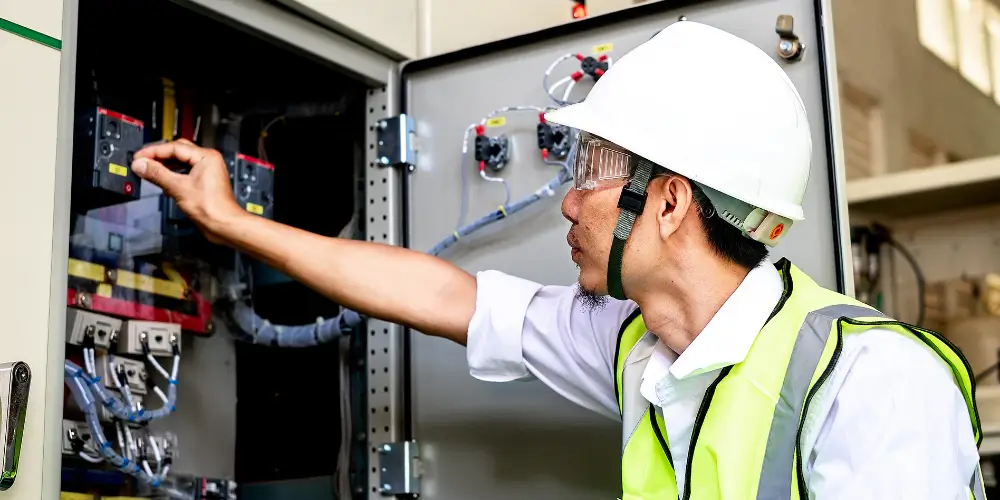
Understanding the intricacies of a building’s electrical system becomes achievable through different types of EICR inspections. Each inspection type serves a distinct purpose, revealing disapproving information about the electrical infrastructure and its compliance with safety standards.
- Periodic Inspection Reports: These assessments identify wear and tear, ensuring that systems remain functional and safe over time.
- Visual Inspection Reports: These focus on the physical condition of electrical components, highlighting visible issues such as exposed wiring or corroded connections.
- Specialist Inspections: Designed for specific systems, these inspections explore unique areas like emergency lighting or fire alarms, ensuring thorough safety measures are in place.
Through these varied inspections, property owners gain a detailed understanding of their electrical systems, enabling informed decisions to elevate safety and compliance.
Exploring All Types of EICR Certificates and Their Legal Responsibilities
While guaranteeing compliance with legal standards, various types of EICR certificates play an essential role in maintaining safety within electrical systems. These certificates serve as formal documentation that verifies the condition and safety of electrical installations.
Primarily, there are three types: the Domestic EICR, suitable for residential properties; the Commercial EICR, designed for business environments; and the Periodic EICR, which assesses compliance at regular intervals.
Each type carries specific legal responsibilities for landlords and property owners, mandating timely inspections and necessary repairs to mitigate risks. Failure to comply can result in legal repercussions, including fines or liability in case of electrical accidents.
Understanding the nuances of each certificate type is vital for property owners to guarantee not only legal compliance but also the safety of occupants and visitors, thereby encouraging a secure environment in both residential and commercial settings.
Common Problems Found in Each Type of EICR and How to Fix Them
Common issues arise in each type of EICR, often highlighting scathing safety concerns that require immediate attention. Identifying these problems is crucial for maintaining safe electrical systems.
- Faulty Wiring: Over time, wiring can become degraded or damaged, leading to budding fire danger. Regular inspections help identify these issues early, allowing for necessary rewiring or repairs.
- Inadequate Earthing: A poor earthing system can result in electrical shocks or equipment damage. Confirming that earthing connections are secure and compliant with regulations is essential.
- Overloaded Circuits: Circuits that are overloaded can cause tripping breakers and increase fire risk. Upgrading circuits or redistributing loads can alleviate this problem.
Addressing these common issues not only confirms compliance with regulations but also upgrade the overall safety of the property.
Regular maintenance and inspections are key to mitigating these risks effectively.
Selecting the Right Types of EICR for Rental Properties and Landlords
When selecting the right types of Electrical Installation Condition Reports (EICR) for rental properties, landlords must consider both legal requirements and the safety of their tenants.
The most common EICR types include the Initial Verification Report, which assesses newly installed systems, and the Periodic Inspection Report, vital for older properties.
Landlords should guarantee that the chosen EICR aligns with the frequency mandated by local regulations, typically every five years or upon tenant turnover.
Furthermore, it is essential to select an accredited and experienced electrician to conduct these inspections, as their expertise will directly impact the report’s reliability.
Landlords must also be aware of the implications of any findings in the report, as unresolved issues may lead to legal ramifications or tenant disputes.
Ultimately, prioritising thorough inspections and timely reporting will contribute to a safe living environment and foster positive landlord-tenant relationships.
Why Knowing the Types of EICR Is Essential for Property Compliance
Understanding the various types of Electrical Installation Condition Reports (EICR) is imperative for property compliance, particularly for landlords managing rental properties. Knowledge of these types enables landlords to guarantee safety, adhere to legal regulations, and maintain property value.
- Legal Compliance: Different EICR types correspond to specific legal requirements, aiding landlords in fulfilling their obligations and avoiding penalties.
- Safety Assurance: Identifying the correct EICR type allows for targeted assessments, guaranteeing that electrical systems are safe for tenants and reducing risks of electrical risk.
- Property Value Maintenance: Regular inspections and appropriate EICR types help in identifying potential issues early, thereby preserving the property’s integrity and market value.
A Detailed Breakdown of the Types of EICR Tests Carried Out by Electricians
Electrical safety assessments encompass various types of Electrical Installation Condition Reports (EICR) that electricians conduct to guarantee compliance and safety in electrical systems.
The most common types include the Visual Inspection, which assesses the general condition of electrical installations, and the Detailed Inspection, which involves thorough testing of circuits and equipment. The Periodic Inspection focuses on identifying deterioration over time, while the Initial Verification checks the installation against regulations after installation.
Another fundamental type is the Domestic EICR, tailored for residential properties, ensuring that homes meet safety standards. Conversely, the Commercial EICR focuses on business environments, accounting for higher usage and specific compliance needs.
Ultimately, these tests help electricians identify potential danger, ensuring the safety of occupants and the longevity of electrical systems, thereby maintaining compliance with legal requirements.
Frequently Asked Questions
How Often Should EICR Inspections Be Conducted?
EICR inspections should typically be conducted every five years for residential properties, while rental properties require inspections every three years. Regular assessments guarantee electrical systems remain safe, functional, and compliant with current regulations.
What Is the Cost Range for an EICR Inspection?
The cost range for an EICR inspection typically falls between £100 and £300, depending on property size and location. Factors such as complexity and required follow-up work can also influence the final pricing.
Can I Perform an EICR Inspection Myself?
Performing an EICR inspection oneself is generally not advisable due to the complexity and safety concerns involved. Certified professionals possess the necessary expertise and equipment to guarantee accurate assessments and compliance with safety regulations.
What Qualifications Should the Inspector Possess?
The inspector should possess relevant qualifications, such as an electrical engineering degree or a recognised electrical qualification. Additionally, experience in electrical systems and familiarity with current regulations are essential for conducting thorough and accurate inspections.
How Long Is an EICR Certificate Valid?
An EICR certificate is typically valid for five years, though it may require more frequent inspections depending on the property’s usage and local regulations. Regular checks guarantee ongoing safety and compliance with electrical standards.
Conclusion
To sum up, understanding the various types of EICR is essential for ensuring the safety and compliance of properties. By distinguishing between domestic, commercial, and industrial inspections, property owners and landlords can make informed decisions about their electrical systems. Regular EICR assessments not only help identify potential peril but also boost occupant safety and preserve property value. Ultimately, prioritising the appropriate EICR can lead to a safer environment for all, fulfilling legal obligations and safeguarding investing.