Understanding the various types 1 2 3 4 fire risk assessments is essential for property owners. Each assessment type serves a distinct purpose, catering to different levels of risk associated with a building. From Type 1’s basic evaluations to Type 4’s thorough inspections, the choice can greatly impact safety and compliance. Property characteristics play an analytical role in determining the appropriate assessment level, but what factors should be considered when making this decision?
Key Takeaways
- Type 1 assessments are suitable for low-risk environments and focus on accessible areas with minimal intrusion.
- Type 2 evaluations provide detailed inspections for moderate-risk properties, incorporating limited invasive measures.
- Type 3 assessments are thorough for high-risk facilities, involving extensive, intrusive inspections to identify hidden fire danger.
- Type 4 evaluations are comprehensive, employing the most invasive method to ensure all possible risks are uncovered in analytical scenarios.
- Selecting the appropriate fire risk assessment type is key to effective risk management and compliance with safety regulations.
Table of Contents
What Fire Risk Assessment Types Mean for Building Safety Standards
Various types 1 2 3 4 fire risk assessments play an essential role in determining building safety standards. These assessments provide analytic insights into possible fires and outline necessary precautions. Each type of assessment serves a unique purpose, catering to different building complexities and occupancy levels.
By evaluating factors such as layout, materials, and fire prevention measures, these assessments help ensure that safety protocols align with individuals’ freedom to occupy spaces without undue risk.
Recognising the importance of type 1, 2, 3, and 4 fire risk assessments empowers property owners and managers to take energetic steps to safeguard lives and property. A thorough understanding of fire risks encourages a culture of safety, allowing occupants to enjoy their freedom in a secure environment.
Ultimately, effective fire risk assessments contribute not only to regulatory compliance but also to the well-being and peace of mind of all who inhabit the space.
Breaking Down the Differences Between Type 1, 2, 3, and 4 Assessments
Understanding the distinctions between Type 1, 2, 3, and 4 fire risk assessments is essential for effective fire safety management.
Type 1 assessments are basic, focusing on lower-risk environments, while Type 2 assessments involve more detailed evaluations for moderate-risk properties.
Type 3 assessments are thorough, examining high-risk facilities with complex fire safety needs.
Finally, Type 4 assessments address the most analytical and intricate scenarios, often involving large-scale operations or specialised environments.
Each type of assessment corresponds to the varying levels of risk, complexity, and regulatory requirements.
Type 1 is suitable for small, uncomplicated structures, while Type 4 is reserved for extensive, multifaceted properties.
By recognising these differences, property owners can select the appropriate assessment level, ensuring they maintain safety without unnecessary constraints.
This informed choice empowers individuals to take charge of their fire safety practices, encouraging a civilisation of responsibility and awareness.
How Building Layout and Use Determine the Required Assessment Level
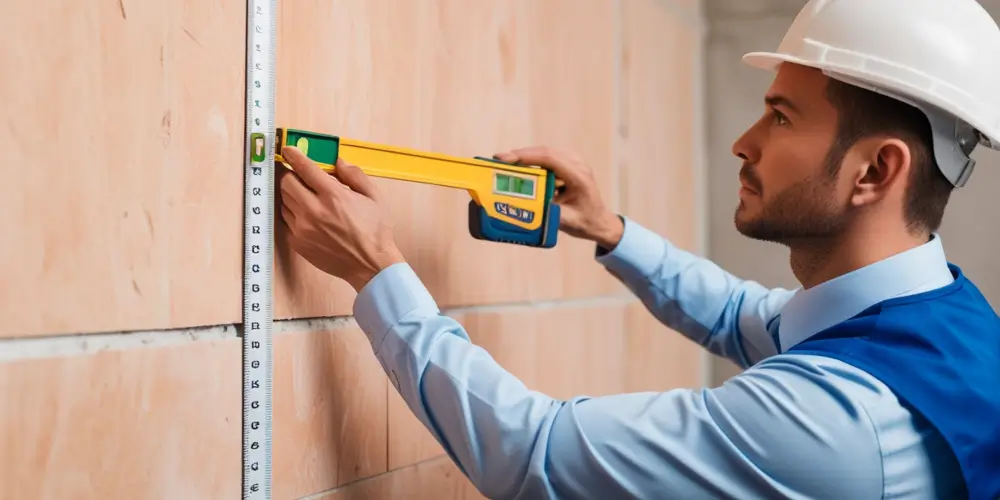
The layout and intended use of a building greatly influence the type of fire risk assessment required. Buildings designed for commercial purposes, such as offices or retail spaces, often necessitate a more extensive assessment due to higher occupancy levels and diverse activities.
Conversely, residential properties may require a simpler evaluation, focusing primarily on the risks associated with daily living, as identified through type 1 2 3 4 fire risk assessments. Additionally, multi-story structures present unique challenges, necessitating a thorough understanding of escape routes and fire compartmentation, which is commonly reviewed during type 1, 2, 3, and 4 fire risk assessments.
The presence of hazardous materials or specific operational processes can escalate the risk, warranting a higher-level assessment. Ultimately, aligning the assessment type with the building’s layout and intended use empowers property owners to ensure adequate fire safety measures are in place and promotes a sense of freedom and security within their spaces.
This tailored method not only increases safety but also aligns with the property’s unique characteristics and operational requirements.
The Extent of Intrusive Inspections Across Fire Risk Assessment Types
How deeply should intrusive inspections penetrate during type 1 2 3 4 fire risk assessments? The extent of these inspections varies considerably across the four assessment types.
Type 1 assessments typically involve minimal intrusion, primarily focusing on accessible areas and documentation.
Conversely, Type 2 assessments require a more thorough examination, including some limited invasive measures to evaluate the integrity of fire safety systems.
Type 3 assessments take a deeper dive, often necessitating extensive intrusive inspections to uncover hidden risks within building structures. These inspections may include testing fire barriers or analysing materials that are not readily visible.
Type 4 assessments are the most all-encompassing, allowing considerable invasiveness to ensure that all possible risks are identified and addressed.
Understanding the appropriate level of intrusive inspection is essential for property owners aiming for peak safety and compliance. Each type serves a purpose, balancing the need for detailed information against the freedom to maintain property integrity without unnecessary disruption.
Situations Where Advanced Fire Risk Assessments Become Essential
In many scenarios, advanced fire risk assessments become necessary to address specific concerns that standard evaluations may not fully cover within type 1 2 3 4 fire risk assessments. Properties with unique features, such as historical significance or complex architectural designs, often require a deeper analysis to identify latent fire danger.
Additionally, establishments that house hazardous materials or have high occupant capacities face increased risks that require thorough investigation. Furthermore, properties undergoing renovations or changes in use may present unforeseen risks that necessitate a detailed assessment.
High-risk environments, including high-rises and densely populated areas, also warrant advanced evaluations to ensure that fire safety measures are robust and effective.
In essence, as the stakes rise and environmental complexity increases, advanced fire risk assessments become essential for safeguarding lives and property, empowering owners to make informed decisions about their fire safety strategies.
Fire Safety Legislation That Influences Assessment Requirements
While various fire safety legislation exists, it significantly shapes the requirements for type 1 2 3 4 fire risk assessments across sectors. These laws establish the framework within which property owners must operate, ensuring that safety remains a priority. Compliance not only protects individuals but also promotes a sense of security and peace of mind within communities.
- The joy of knowing loved ones are safe.
- The freedom to pursue daily activities without fear.
- The empowerment that comes from being prepared.
- The relief of reducing possible disaster risks.
- The confidence in creating a safe environment for all.
Understanding fire safety legislation is essential for property owners. It is not just about meeting legal obligations; it is about embracing a civilization of safety and responsibility. In an ever-changing world, awareness of these regulations allows individuals to protect their freedoms and cultivate a secure future for themselves and their communities.
Structural and Fire Protection Elements Examined During Inspections
When conducting type 1 2 3 4 fire risk assessments, inspectors meticulously evaluate various structural and fire-protection elements to ensure compliance with safety standards. These evaluations are essential for guaranteeing that properties not only meet legal requirements but also safeguard occupants’ freedoms and well-being.
| Element | Purpose | Compliance Requirement |
| Fire Doors | Prevent fire spread | Must close automatically |
| Smoke Alarms | Early detection of smoke | Regular testing and maintenance |
| Sprinkler Systems | Suppress fires quickly | Must be operational at all times |
| Structural Integrity | Support building during a fire | Must adhere to building codes |
| Exit Routes | Safe evacuation in emergencies | Clearly marked and unobstructed |
Inspectors aim to identify possible weaknesses and ensure that all fire protection measures are effectively implemented, thereby maintaining a safe environment for all.
The Impact of Assessment Choice on Compliance and Risk Management
Selecting the appropriate fire risk assessment method greatly influences both compliance with safety regulations and the effectiveness of risk management strategies. A well-chosen assessment can empower property owners to maintain a secure environment, encourage a sense of control, and safety.
Conversely, an inadequate assessment may lead to severe consequences, including legal repercussions and heightened vulnerability.
- Freedom from the fear of fire-related incidents
- The peace of mind that comes with knowing one’s property is protected
- A response to safeguarding lives and assets
- The ability to make informed decisions regarding safety measures
- The confidence to embrace life without the shadow of risk
Ultimately, the choice of fire risk assessment serves as a foundation for a resilient risk management framework, enabling individuals to pursue their lives with greater assurance and freedom.
Recurring Fire Hazards Identified in Multi-Level Assessments
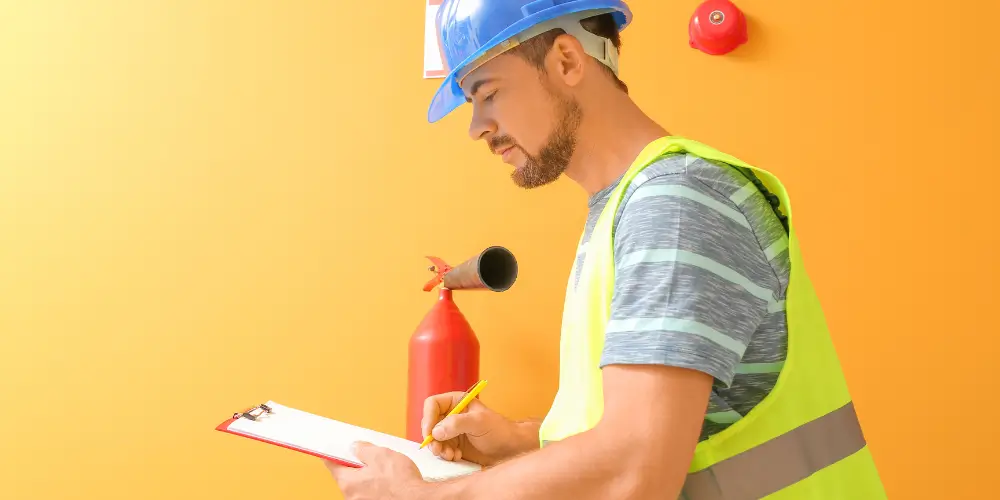
Understanding the recurring fire danger identified in multi-level assessments is essential for effective risk management. These assessments often reveal common issues that can threaten safety across various property types.
For instance, improper storage of flammable materials is a significant concern identified during type 1 2 3 4 fire risk assessments, underscoring the need for appropriate containment solutions. Additionally, inadequate fire exits and obstructions in escape routes pose serious risks, particularly in multi-level buildings where rapid evacuation is essential.
Another recurring hazard involves faulty electrical systems, which can lead to ignition if not regularly inspected and maintained. Moreover, a lack of proper fire detection and alarm systems can delay emergency responses, exacerbating possible damage.
Together, these identified risks underscore the importance of thorough evaluations conducted through type 1, 2, 3, and 4 fire risk assessments to promote awareness and energetic measures, empowering property owners to safeguard their spaces effectively. Understanding these risks enables individuals to take informed steps to increase fire safety and ensure a secure environment.
Guidance on Choosing the Correct Fire Risk Assessment for Your Property
Choosing the appropriate type 1, 2, 3, or 4 fire risk assessment for a property is essential to ensuring thorough safety measures are implemented. Property owners must consider several factors to effectively protect their spaces and the people within them.
- Peace of mind knowing that safety is prioritised.
- Empowerment through informed decisions about risk management.
- Freedom from the anxiety of possible fire danger.
- Confidence in the safety of loved ones and cohabitants.
- Responsibility for preserving the environment and community.
Engaging at the appropriate level of type 1 2 3 4 fire risk assessments supports a response to fire safety. Property characteristics, occupancy levels, and usage types should guide the selection process.
Ultimately, the right assessment not only complies with regulations but also fosters a culture of safety, enabling individuals to thrive without the fear of fire incidents.
Frequently Asked Questions
How Often Should Fire Risk Assessments Be Conducted?
Fire risk assessments should be conducted annually, or more frequently if significant changes occur in the property or its use. Regular assessments ensure ongoing safety and compliance, supporting effective fire risk management.
Who Is Qualified to Perform a Fire Risk Assessment?
Qualified individuals for fire risk assessments typically include fire safety professionals, certified inspectors, or individuals with relevant experience and training in fire safety regulations. Their expertise guarantees accurate evaluations and effective risk management strategies for properties.
What Are the Costs Associated With Each Assessment Type?
Costs associated with fire risk assessments vary considerably by type: basic assessments are generally lower, while more extensive evaluations suffer higher fees due to greater complexity, expertise, and the time required for thorough analysis.
Can I Conduct My Own Fire Risk Assessment?
Yes, an individual can conduct their own fire risk assessment. However, thorough knowledge of fire safety regulations and latent risk is essential to guarantee accuracy and compliance, ultimately safeguarding property and occupants effectively.
What Happens if My Property Fails a Fire Risk Assessment?
If a property fails a fire risk assessment, the owner faces possible legal consequences, necessary remedial actions, and increased insurance premiums, ultimately impacting both safety and financial freedom. Compliance with safety regulations becomes essential.
Conclusion
To summarise, selecting the appropriate fire risk assessment type is essential to ensure a property’s safety and compliance. By understanding the distinctions between Type 1, 2, 3, and 4 assessments, property owners can make informed decisions based on their building’s specific characteristics and risks. This tailored method not only increases safety but also supports effective risk management, ensuring that all possible risks are adequately addressed in line with relevant safety standards.