A fire alarm should only be silenced after checking for smoke, flames, or unusual heat, staying low if smoke is present and evacuating if danger is suspected. Identify which unit is sounding, since battery alarms are often single devices while hardwired systems may trigger multiple alarms. Press the Hush or Test button on the alarm cover as part of How To Turn Off Fire Alarm safely, then reset by holding Test or Reset or briefly removing and reinstalling the battery. Additional steps can help.
Key Takeaways
- Ensure Safety First: Always check for smoke, flames, or unusual heat before silencing a fire alarm. If a real fire is suspected, evacuate immediately and call emergency services.
- Identify the Source of the Alarm: Determine whether the alarm is battery-operated, hardwired, or part of a building system. This helps in choosing the appropriate silencing or reset method.
- Use the Hush/Test Button: For nuisance alarms, press the Hush/Test button to temporarily silence the alarm, allowing you to clear smoke or steam without disabling safety features.
- Reset the Alarm After False Alarms: To reset a battery-powered smoke alarm after a false alarm, press and hold the Reset/Test button. For hardwired alarms, you may need to use the breaker or reset the unit.
- Prevent Nuisance Alarms: Place alarms at least 10 feet from cooking areas, use photoelectric sensors for kitchens and bathrooms, and maintain good ventilation to prevent false alarms from steam or cooking smoke.
Table of Contents
Check for Smoke or Fire Before You Silence It
Before silencing any fire alarm, the area should be checked for visible smoke, flames, unusual heat, or the odour of burning. A quick scan of hallways, adjacent rooms, and closets can reveal smouldering sources, while the back of a hand near doors can detect heat without opening into danger.
If smoke is present, staying low helps avoid inhalation and preserves clear thinking. If anything suggests a real fire, the priority is self-determination through swift action: alert others, leave immediately, close doors behind to slow the spread, and call emergency services from outside. Elevators should be avoided.
If the air is clear and there are no signs of heat or burning, the situation may be a nuisance alarm, but continued vigilance is essential; conditions can change quickly. No one should trade freedom for false reassurance.
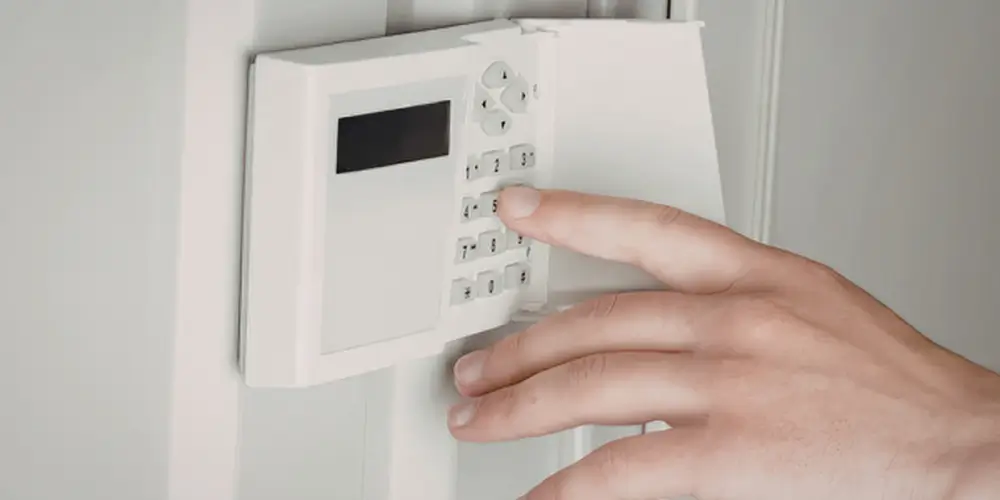
Figure Out Which Alarm Is Going Off (Battery, Hardwired, Panel)
Once the space appears free of smoke, heat, and burning odours, the next step in How To Turn Off Fire Alarm safely is to identify which device is actually sounding, as the shutoff method depends on the alarm type. A battery unit often chirps or screams from a single ceiling spot and may keep sounding even if a breaker is off. A hardwired alarm is usually tied to other alarms; several units may sound together, and the noise may persist until power and backup are addressed.
A monitored panel or building system may display a zone, keypad message, or strobe pattern indicating a specific detector or circuit. Pinpointing the source gives control: it prevents chasing the wrong device and reduces needless disruption.
| Alarm type | Common clue | Where to confirm |
| Battery | One unit only | Device label/back |
| Battery | Chirp between alarms | Battery drawer |
| Hardwired | Multiple units sound | Electrical panel map |
| Hardwired | Green LED present | Ceiling unit base |
Silence the Fire Alarm With the Hush/Test Button
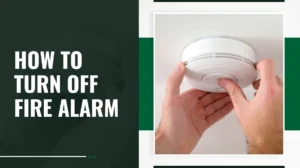
Pressing the Hush/Test button is often the fastest way to stop a nuisance alarm without cutting power. Most modern smoke alarms include a clearly marked Hush, Silence, or Test button on the cover.
When activated, it temporarily mutes the horn, allowing a person to clear cooking smoke or steam and restore calm while staying protected. The unit may chirp or flash to indicate it is in hush mode, and it can re-sound if smoke levels remain high.
- Confirm there is no active fire: look, listen, and smell before silencing.
- Stand directly under the sounding unit and press and hold the Hush/Test button, as labelled.
- Wait for the acknowledgement tone or light pattern that signals silencing has engaged.
- Use the quiet window to ventilate the area and remove the source, not the safeguard.
This approach preserves personal control without disabling life-safety systems and avoids unnecessary disruption.
Reset a Battery Smoke Alarm After a False Alarm
Restore normal operation after a nuisance alert by fully resetting the battery-powered smoke alarm. First, confirm the air is clear: open windows, use a fan, and remove triggers such as steam, cooking smoke, or dust. When the alarm stops, remove it from its mounting bracket (if the model allows) and locate the battery compartment.
With the battery still installed, press and hold the Test or Reset button for 15 to 30 seconds to drain residual charge and clear the latched alarm state as part of How To Turn Off Fire Alarm safely. If the unit remains stuck, briefly open the battery door, wait a few seconds, then close it and repeat the long button press. Reinstall the alarm securely, then press Test once to verify it returns to standby. A proper reset restores control and quiet, without compromising readiness for a real emergency.
Confirm vents and sensor openings are clear, then continue normal routines.
Stop Chirping: Replace the Smoke Alarm Battery
Many smoke alarms chirp at regular intervals to signal a low or failing battery, and silencing them properly requires replacing the battery rather than repeatedly resetting them. The goal is simple: regain quiet on one’s own terms while keeping protection active. Before opening the unit, verify the chirp is not an emergency tone, then proceed with a straightforward battery swap.
- Choose the right power: match the battery type printed inside the compartment; wrong sizes invite more chirps.
- Replace decisively: remove the old battery, wait a few seconds, and seat the new one firmly until the contacts grip.
- Close the loop: shut the battery door completely; many alarms will not arm if the door is ajar.
- Confirm control: press the test button briefly to verify a strong beep; then stop excessive testing.
A fresh battery restores silence and autonomy without disabling safety.
Reset Hardwired Smoke Alarms (and When to Use the Breaker)
Battery replacement stops most chirping, but a hardwired smoke alarm may keep sounding or showing a fault light until its internal memory is cleared. Most units reset by holding the TEST/RESET button for 15–30 seconds until the horn stops, then releasing and waiting a minute for the indicator to normalise. If alarms are interconnected, press the reset on the initiating unit first, then check the others for a steady green light.
When the alarm will not stop, a full power-cycle may be needed: switch off the correct circuit at the breaker, unplug the alarm from its harness, and remove any backup battery. Hold TEST for 15 seconds to drain residual charge, reconnect the battery, plug in, and restore the breaker. Breaker use is for persistent alarms, stuck faults, or after replacement not routine silencing.
Prevent Common False Alarms From Cooking or Steam
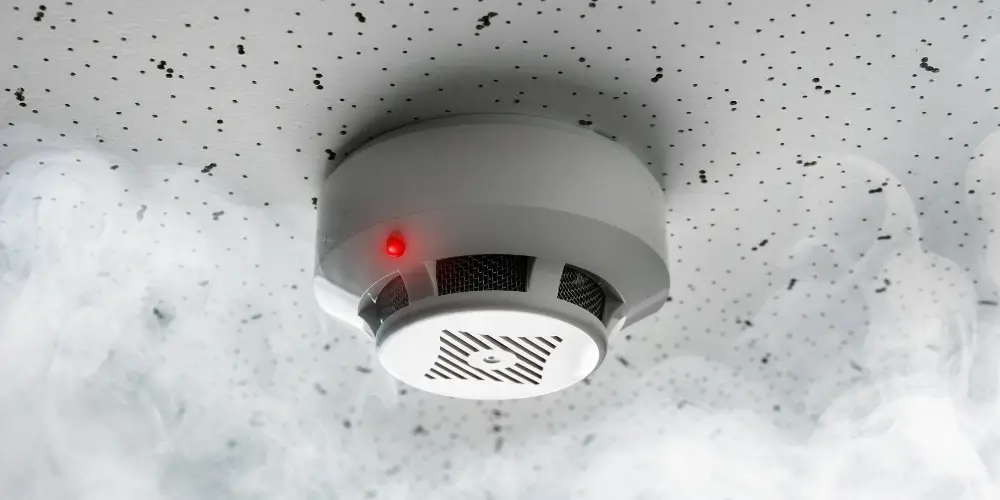
False alarms from cooking smoke or shower steam often happen when an alarm sits too close to the source or when the wrong sensor type is installed for the area. Prevention protects peace, maintains autonomy, and avoids needless silencing. A few practical choices reduce nuisance trips without compromising safety or control.
- Increase distance: place alarms at least 10 feet from stovetops and keep them outside bathrooms; follow local code for hall placement.
- Match the sensor: use photoelectric units near kitchens and showers, and reserve ionisation models for areas less prone to steam.
- Control airflow: run the range hood, crack a window, and use the bathroom fan; steady ventilation clears particles before they trigger.
- Maintain devices: clean vents with a soft brush, replace ageing units, and use proper covers only during dusty projects.
Call for Help if the Alarm Won’t Stop or Keeps Returning
Even with better placement, ventilation, and the right sensor type, an alarm that won’t silence or repeatedly reactivates should be treated as a possible danger rather than a nuisance. If it continues after a reset and fresh batteries, the safest move is to stop improvising and bring in qualified help so the household can get back to living on its own terms.
| What’s happening | What it may mean | Who to call |
| Alarm won’t hush | Active smoke/heat event | 911 / fire department |
| Keeps chirping after battery change | Faulty unit or end-of-life | Landlord/electrician |
| Random nighttime activations | Wiring issue, power surge, dust | Electrician/alarm tech |
If smoke, heat, or an unknown odour is present, evacuate and call emergency services immediately. If there’s no danger but the problem repeats, schedule service, replace the unit, and document dates and behaviour for warranty or property management follow-up.
Frequently Asked Questions
How Do I Disable a Fire Alarm During a Power Outage?
During a power outage, a fire alarm should not be disabled; he should silence nuisance beeping by replacing backup batteries, pressing hush, or resetting at the breaker. If it persists, he should contact the landlord or technician.
Can I Temporarily Cover a Smoke Detector to Stop Nuisance Alarms?
No, temporarily covering a smoke detector is unsafe and often illegal, undermining personal responsibility and liberty. A detached view recommends cleaning the sensor, relocating it, improving ventilation, replacing batteries, or using a certified hush feature.
Why Does My Smoke Alarm Beep Only at Night?
A smoke alarm often beeps at night because cooler temperatures or low battery voltage trigger chirps; humidity, dust, or insects can worsen sensitivity. It should receive a fresh battery, cleaning, and replacement if persistent.
Do Smoke Alarms Expire, and How Can I Check the Manufacture Date?
Smoke alarms do expire, typically after 10 years; the manufacture date is printed on the back label or inside the battery drawer. If unreadable, replace the unit to avoid unnecessary risk and hassle.
Are Smoke Alarms and Carbon Monoxide Alarms Silenced the Same Way?
Smoke alarms and carbonCost Of An Energy Performance Certificate monoxide alarms are usually silenced similarly using a hush/test button, but models differ. A detached user should check the label and manual. Never disable power; resolve the triggering source first.
Conclusion
Before How To Turn Off Fire Alarm, it is essential to confirm there is no smoke or fire and identify which alarm is sounding. Most units can be silenced temporarily with the hush or test button, then reset once the air clears. Persistent chirping usually indicates a low battery, while hardwired systems may require a full reset or breaker use. If nuisance alarms continue, reduce steam or cooking triggers. Seek professional help if alarms won’t stop.