
Fitting a consumer unit safely involves understanding both the technical and legal aspects of electrical work. How to fit a consumer unit requires a systematic method, including assessing existing wiring and ensuring compliance with local regulations. Many overlook important steps or make common mistakes that pose safety risks. Exploring the essential guidelines and pitfalls can guarantee a successful installation. What are the significant checks and balances that every installer should consider?
Key Takeaways
- Always hire a qualified electrician for installation or replacement to comply with legal requirements and ensure safety standards are met.
- Turn off the main power supply and use a multimeter to confirm there is no live current before beginning any work.
- Use proper wiring techniques and ensure circuits are properly labelled to promote clarity and prevent future confusion during inspections.
- Conduct thorough testing after installation, including insulation resistance and RCD functionality, to confirm safety and compliance with regulations.
- Regularly maintain and inspect the consumer unit to identify possible issues early and extend the lifespan of the electrical system.
Table of Contents
What a Consumer Unit Controls Inside a Property
A consumer unit, also known as a distribution board, plays an essential role in managing a property’s electrical system. How to fit a consumer unit is closely linked to understanding how it serves as the central hub that controls the distribution of electricity to various circuits, ensuring efficient and safe power allocation.
Inside a property, a consumer unit regulates lighting, heating, and power points, enabling residents to choose how they use their electrical resources.
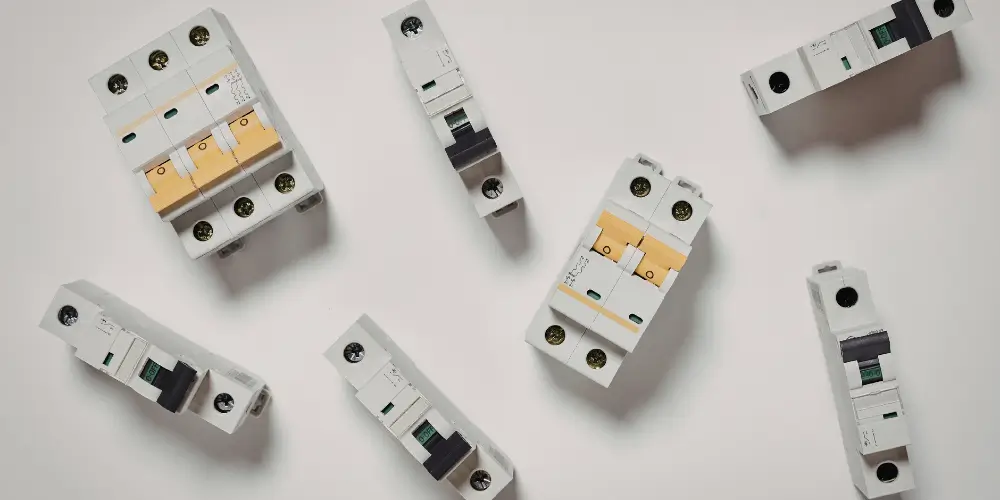
Moreover, it houses circuit breakers or fuses, which protect these circuits from overloads and short circuits, thereby safeguarding both property and occupants.
The consumer unit also facilitates the integration of renewable energy sources, such as solar panels, allowing homeowners to embrace sustainable energy solutions.
Signs That an Existing Consumer Unit Needs Replacing
When electrical issues frequently arise within a property, it may indicate that the existing consumer unit needs to be replaced. Homeowners should be vigilant for signs such as frequent tripping of circuit breakers, flickering lights, or outlets that no longer function properly.
Additionally, if there is visible damage, such as burn marks or corrosion, it’s a strong signal that the unit is failing. Notably, outdated or mismatched components can further compromise safety. Consumer units that lack proper labelling or are cluttered with wires may also pose risks, leading to confusion during emergencies.
Finally, an increase in the number of devices or appliances can strain an outdated unit, making it essential to assess whether the current system can meet modern electrical demands. How to fit a consumer unit is an important consideration when recognising these signs early, as it can empower homeowners to take energetic steps to ensure their electrical system remains safe and functional.
Legal Limits on DIY Electrical Work in the UK
Understanding the signs that a consumer unit may need replacement prompts homeowners to consider their options for electrical work. However, in the UK, there are legal limits on DIY electrical work that must be acknowledged. Homeowners should be aware that while minor repairs might be permissible, significant tasks, such as installing or replacing a consumer unit, often require professional intervention to guarantee compliance with regulations.
| Type of Work | DIY Permitted? | Professional Required? |
| Minor repairs | Yes | No |
| Adding sockets | Yes (limited) | Yes (for safety) |
| Consumer unit work | No | Yes |
Failure to comply with these legal limits can result in safety dangers and legal repercussions. Consequently, understanding these regulations empowers homeowners to make informed decisions about their electrical projects.
Safety Checks Required Before Any Consumer Unit Work
Before undertaking any work on a consumer unit, several essential safety checks must be conducted to verify the integrity of the electrical system.
First, confirm that the main power supply is completely off to prevent the risk of electric shock. Next, use a multimeter to test the voltage and confirm that no live current is present.
Additionally, inspecting the condition of the wiring for signs of wear, damage, or corrosion is fundamental, as compromised wiring can lead to hazardous situations. Verifying that the consumer unit complies with local regulations and standards is another key step, as it ensures safety and legality.
Finally, checking that the circuit breakers and RCDs function correctly can safeguard against overloads and faults.
How to Fit a Consumer Unit in a Domestic Property
How can one guarantee a proper fit for a consumer unit in a domestic property? The process begins with selecting an appropriate location, ideally near the main power supply and in a dry, accessible space. Ensuring the chosen area complies with local regulations is essential.
Next, the installer should securely mount the consumer unit to the wall, using appropriate fixings to accommodate the weight and prevent movement.
Wiring connections must be made carefully, following the manufacturer’s specifications and ensuring that all cables are stripped and terminated correctly. How to fit a consumer unit also involves confirming that circuit breakers are suitable for the intended loads. Testing the installation is essential; this includes checking for proper operation and ensuring that all safety features function correctly.
Following these steps diligently and with attention to detail provides a solid foundation for a safe and effective consumer unit installation, empowering homeowners with reliable electrical management.
How Circuit Layout Affects Consumer Unit Installation
The layout of circuits within a consumer unit plays an essential role in its overall effectiveness and safety. Proper circuit organisation can minimise the risk of overloads, increase maintenance, and improve the user experience. It is essential to segregate high- and low-power circuits, ensuring a logical arrangement that simplifies troubleshooting and upgrades.
| Circuit Type | Key Considerations |
| High Power Circuits | Should be grouped together to manage the load effectively. |
| Low Power Circuits | Can be mixed, but require careful attention to avoid overload. |
| Lighting Circuits | Ideally kept separate from power circuits for safety. |
| Appliance Circuits | Designated spaces help identify and isolate faults. |
A well-thought-out circuit layout not only promotes safety but also empowers users to make informed decisions regarding their electrical systems.
Testing Procedures Required After Installing a Consumer Unit
After organising the circuits within a consumer unit, thorough testing is imperative to ensure safety and functionality.
These procedures typically begin with an insulation resistance test to ensure there are no unintended paths for electrical current. Following this, a continuity test is performed on all protective conductors to confirm their effectiveness in preventing electrical shock.
Next, the polarity of each circuit is verified to ensure that all connections are correctly oriented. A functional test of residual current devices (RCDs) is essential, as they are designed to trip and cut off power in the event of a fault.
Finally, the consumer unit is checked for overall operation, confirming that all circuits are working properly and that no overheating occurs.
These testing procedures not only increase safety but also promote the reliability of the electrical system, allowing individuals to enjoy their freedom without the worry of electrical risk.
Certification and Documentation Needed After Installation
Proper certification and documentation are essential components following the installation of a consumer unit. The electrical installation must be certified to guarantee compliance with local regulations and safety standards. This typically involves issuing an Electrical Installation Certificate (EIC) confirming that the work meets the required safety standards.
Additionally, a Minor Electrical Installation Works Certificate (MEIWC) may be required for smaller modifications or upgrades.
Documentation should also include a schedule of test results, detailing the outcomes of all required inspections and tests performed during installation. This provides a clear record for future reference and adds an accountability layer.
Homeowners should retain these documents, as they may be necessary for insurance purposes or future property transactions.
Ultimately, proper certification and documentation not only validate the installation but also empower homeowners with the knowledge that their electrical systems are safe and reliable.
Common Reasons Consumer Unit Installations Fail Inspection
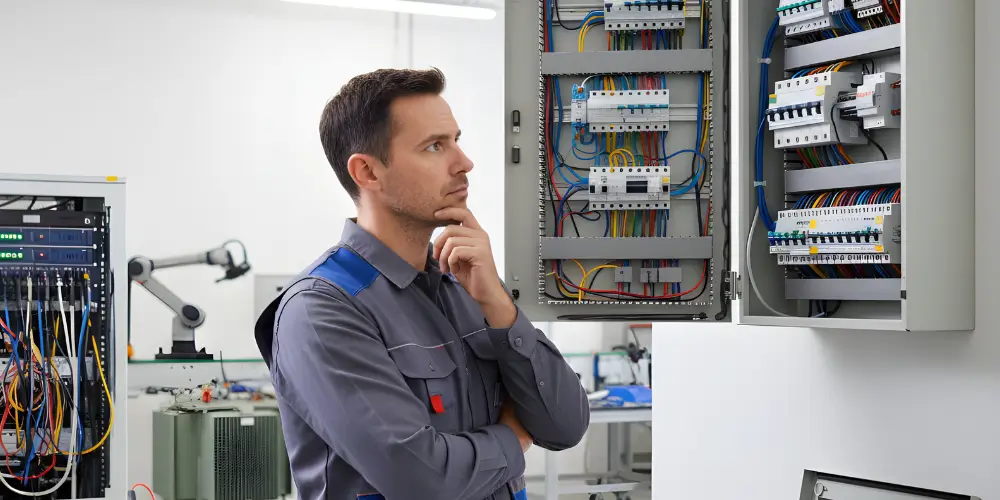
While many installations strive for compliance, several common issues can cause a consumer unit to fail inspection. One frequent problem is improper wiring techniques, such as poor connections or incorrect wire gauges.
Additionally, inadequate labelling of circuits can confuse future users and inspectors alike. Missing or incorrect RCD (Residual Current Device) protection is another key factor, as it compromises safety against electrical shocks.
Insufficient clearance around the unit can hinder accessibility and ventilation, posing a latent risk. Furthermore, failure to adhere to local regulations and standards can result in immediate rejection.
Finally, neglecting to secure necessary documentation, such as test results and certifications, can impede the entire inspection process. Addressing these areas not only ensures compliance but also encourages a safe, reliable electrical environment, allowing users to enjoy their space without worry.
Long-Term Safety and Maintenance After a Consumer Unit Is Installed
Maintaining long-term safety and the upkeep of a consumer unit are essential for maintaining an efficient electrical system. Regular inspections are important; qualified electricians should check for loose connections, signs of wear, and any possible latent issues.
Keeping the unit clean and free from dust will also prevent overheating and guarantee peak performance.
It’s important to remain vigilant for any unusual sounds or smells coming from the unit, as they can indicate serious issues. Additionally, homeowners should consider installing residual-current devices (RCDs) for increased protection against electrical shocks.
Updating the consumer unit to meet evolving electrical demands is also wise, especially with the rise of smart technology. Staying informed about local regulations and compliance will help maintain safety standards.
Ultimately, energetic maintenance encourages a sense of freedom by guaranteeing a safe and reliable electrical environment for all.
Frequently Asked Questions
What Tools Are Necessary for Fitting a Consumer Unit?
To fit a consumer unit, essential tools include a screwdriver set, wire strippers, a voltage tester, a circuit breaker finder, pliers, and a drill. These instruments guarantee precision, safety, and efficiency during installation.
How Much Does It Typically Cost to Replace a Consumer Unit?
Replacing a consumer unit typically costs between £300 to £600, depending on the unit’s specifications and installation complexity. Prices may vary by location and the electrician’s expertise, reflecting the freedom to choose service providers.
Can I Install a Consumer Unit Without Professional Help?
Installing a consumer unit without professional help is possible, but risky. It requires extensive knowledge of electrical systems, safety protocols, and local regulations. Many opt for professionals to guarantee safety and compliance, valuing peace of mind over independence.
What Are the Signs of Poor Consumer Unit Installation?
Signs of poor consumer unit installation include tripping circuit breakers, flickering lights, burnt smells, loose connections, exposed wiring, and inconsistent power supply. These indicators suggest possible risks, requiring immediate attention to guarantee safety and functionality.
How Often Should a Consumer Unit Be Inspected?
Consumer units should be inspected every 1 to 5 years, depending on usage and local regulations. Regular assessments guarantee safety and functionality, promoting individual freedom while maintaining a secure electrical system in residential settings.
Conclusion
In summary, fitting a consumer unit safely involves understanding legal regulations, conducting thorough safety checks, and adhering to best practices throughout the installation process. How to fit a consumer unit also requires hiring a qualified professional, guaranteeing proper labelling and RCD protection, and maintaining documentation to greatly reduce risks. Regular inspections and compliance with local standards are essential for long-term safety and functionality. Ultimately, attention to detail and adherence to guidelines will ensure the consumer unit operates effectively and safely within any property.